


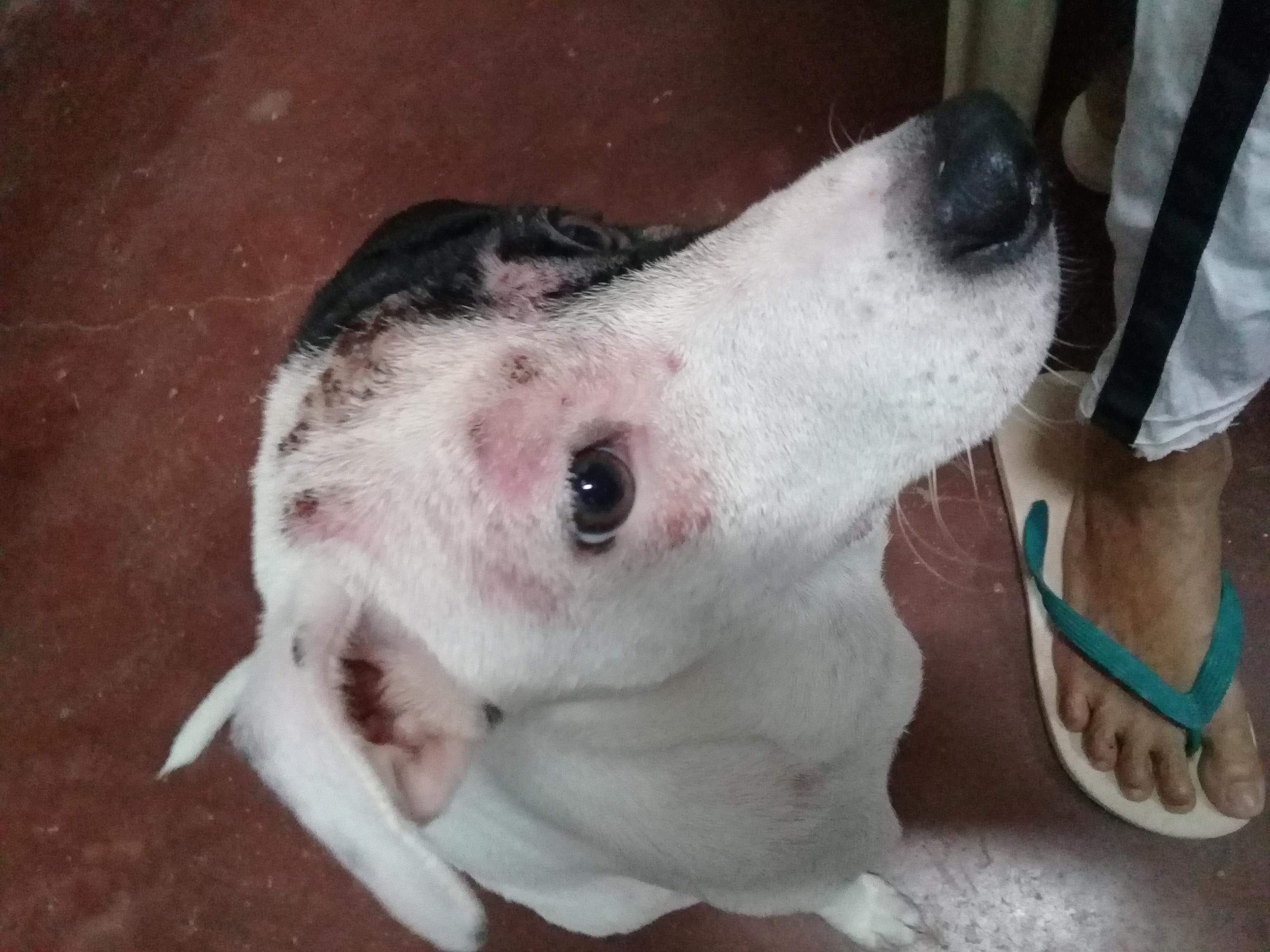
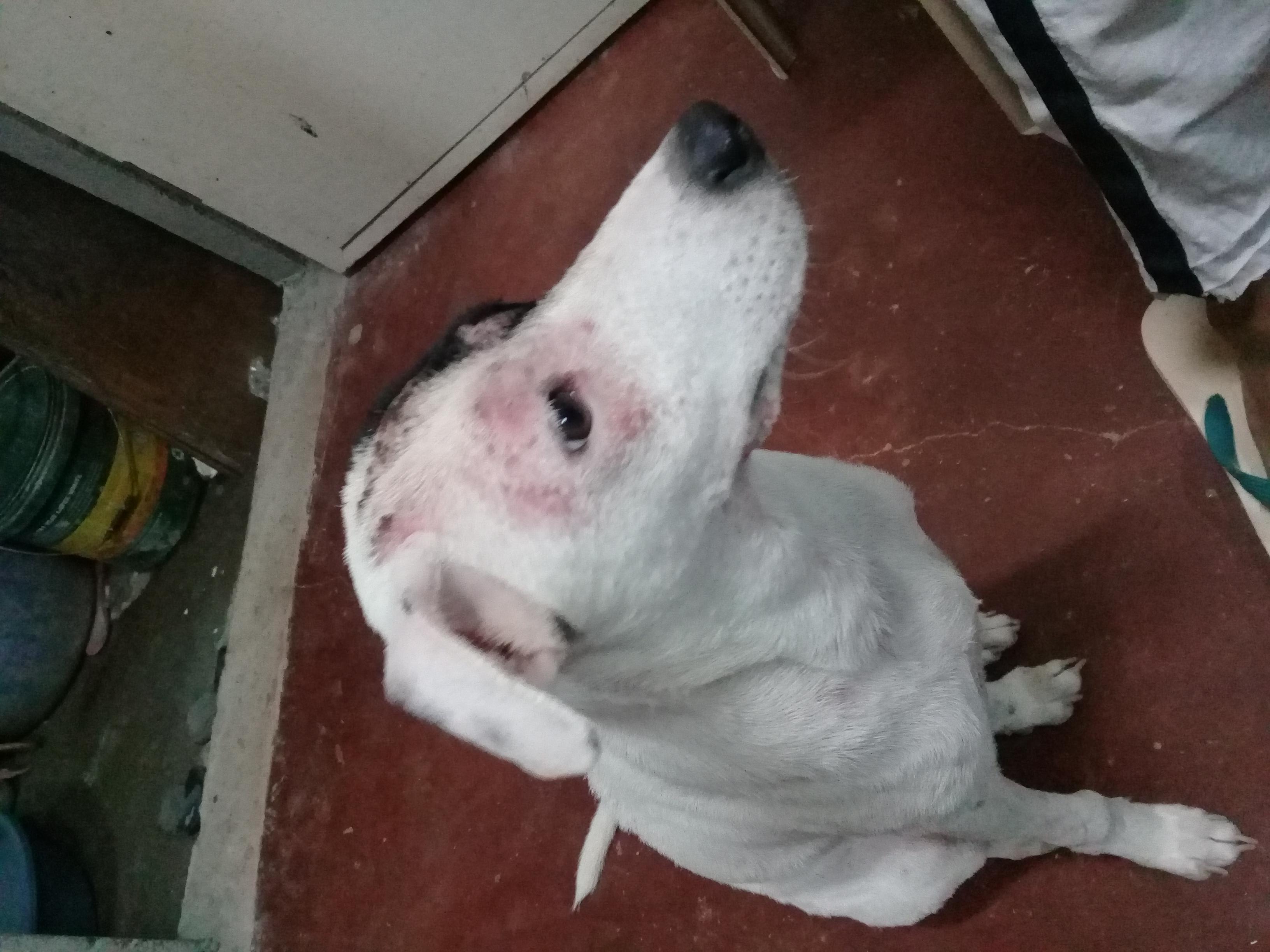
What causes a puppy to itch and lose hair around their eyes?
Updated On September 23rd, 2025
Pet's info: Dog | Mixed Breed | Female | 3 months and 25 days old
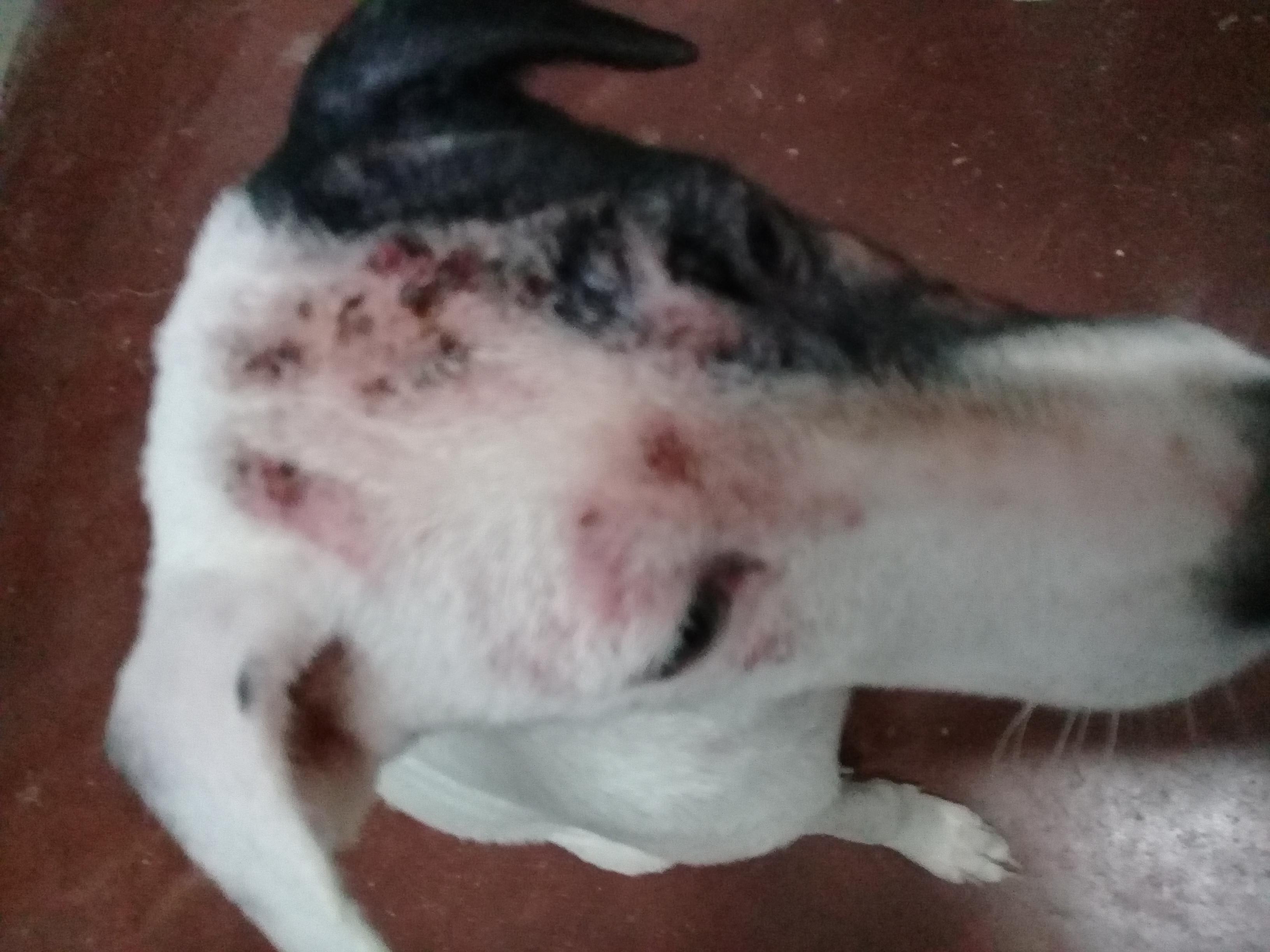
How to cure this po? We don't know what happen to her. It start's with few itchness suddenly it spread out. Please, we really need the answer. Seeing my pet suffering from this disease.. really breaks my heart.


4 Answers
Most Helpful Answer

Published on June 11th, 2017
I am sorry to hear about Chubby's problem. One of the possible causes for this condition would include skin mites or mange, in particular with the hair loss around the eyes we would be concerned about demodex mites. A visit to the vet is needed to do a skin scrape to check for the mites. They can also check for a bacterial or fungal infection. Depending on their findings, the veterinarian will prescribe treatment. The traditional treatment for mange is a drug called ivermectin or a dip called amitraz. There are newer drugs, however, marketed as flea and tick preventatives that are easier to administer that are now being tried for demodex mites. These include Nexgaurd and Bravecto. You may ask your vet if these are available in your area. More detailed information on demodex can be found at http://www.veterinarypartner.com/Content.plx?P=A&S=0&C=0&A=630, but remember, without an exam we cannot confirm that demodex is the problem.

1Pet Parents found this answer helpful
Other Answers
-
Published on December 15th, 2017
Itchiness and hair loss around the eyes is usually due to demodectic mange, which is a microscopic mite that burrows under to skin. It looks like this is rather bad and may also be infected with bacteria. In order to get this definitively diagnosed and treated, you will need to take Molly to the vet. These infections can be treated effectively and will keep him from itching soon after the treatment. I hope that helps and Molly gets better soon.
1Pet Parents found this answer helpful
-
Published on December 19th, 2017
Thanks for using Petco Pet Education Center, formerly Petcoach! This may be due to allergies. It really comes down to figuring out what is causing his allergies so that they can be treated or the specific allergen avoided. There are many things that can cause allergies though in most cases they can be broken down into 3 big categories: flea, food and environmental allergies. Allergies are usually worked up in a stepwise fashion starting with flea allergies as this is the easiest and cheapest to take care of. If not on a flea preventative, then it would be a good idea to get started on one. If already on one then it would be a good idea to change to something else (there are many new products out in the market). If not improved in 1-3 months then it is time to move on and check for food allergies by switching to a novel diet (new protein and new carbohydrate). If that does not seem to be the issue then you are left out having to check for environmental allergies which require blood and/or skin tests. Allergies can be very frustrating to deal with at first but so rewarding at the end when we are able to treat them effectively!
1Pet Parents found this answer helpful
-
Published on October 6th, 2018
I am sorry to hear about your pup! It looks like he could be developing what is called periocular dermatitis. This can be the result of a few different causes, including skin mites (these are not visible to the naked eye and must be viewed under a microscope), allergies (can be environmental or food related), bacterial infection most commonly. I would recommend bringing Chester into his vet for an examination. The skin mites can be treated in a variety of ways but the easiest now available is actually the newer flea/tick preventative chewables such as Nexgard and Bravecto. If allergies or bacterial infection are suspected they may recommend antihistamines, antibiotics, or a newer type of allergy medication called Apoquel. Best of luck to you and Chester.
2Pet Parents found this answer helpful




Book an appointment with the pros – our expert vets are here to help.
