


Can I Give My Pet Docusate Sodium?
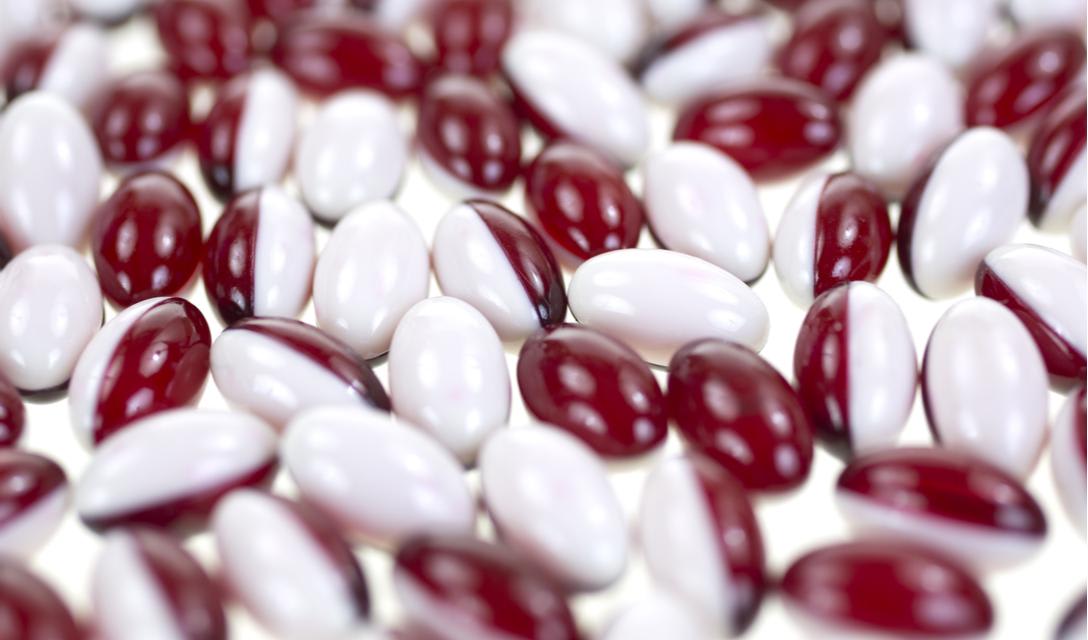
###Yes, but... Docusate Sodium, aka “Colace,” is still one of the most popular stool softeners on the market today. And why? Well, it is tried and true, it is effective without being too effective. Colace is salt-based and works by drawing water and fat from ingested food into the fecal matter, thereby moistening and softening waste material. For this reason, it must be used with caution in patients who are severely dehydrated or in those patients who have electrolyte abnormalities such as extreme changes in their sodium, potassium, or calcium levels. In veterinary medicine, cats and dogs with chronic constipation or conditions that merit softer bowel movements, such as post-operative recovery from gastrointestinal surgery, frequently benefit from stool softeners. However, Colace (Docusate Sodium) is generally not used as a laxative in dogs and cats. Stool softeners are designed to modify the consistency of waste products in moderation, not to increase the volume of waste or its transit time, which is what a laxative does. So once you get softer poop, ideally you get easier pooping, not necessarily more of it faster! Yet, despite its elegant design, too much of a good stool softener can result in diarrhea, cramping, and irritation in the mouth (the liquid preparation is very bitter tasting and can lead to inflammation of the gums, tongue, and delicate oral tissues). Also, your pet should be well-hydrated and continue drinking water reliably if he or she is taking Colace, or an equivalent. If you suspect that your dog or cat is constipated or has a condition that warrants a stool softener, it is always best to schedule an appointment with your veterinarian first for a full physical exam to discuss the most appropriate treatment recommendations. Constipation can be caused by so many different problems, and because it can masquerade as one thing and actually be something completely different, the best course of action is to consult your veterinarian before administering any over-the-counter medication. Also, diseases affecting the colon, rectum, and anus that require stool softeners are usually very serious, such as peri-anal fistulas, cancer, or megacolon. These must be diagnosed and treated by a licensed veterinarian who will guide you and your pet to an appropriate treatment plan. If you do decide to try Colace for your dog or cat, check this out first: **Dosing Guidelines:** Colace or Sodium Docusate comes in 100 milligram (mg) tablets and in 50 mg, 100 mg, and 250 mg capsules. **Use “regular strength” or “clear,” NOT the “2 in 1,” which includes a laxative.** **Do not use the liquid formula! Do not use the calcium capsules (Docusate Calcium or Surfak)!** **For cats:** give one 50 mg capsule by mouth once daily. **For small dogs, weighing 20 lbs. or less:** give one 50 mg capsule by mouth once to twice daily. **For medium to large dogs, weighing over 20 lbs.:** give one 100 mg capsule by mouth once to twice daily. So, can you give your dog or cat Colace/Docusate Sodium? **The answer is: Yes!** Just make sure a stool softener is appropriate for your pet and that you do not mistake one symptom for another that could be something more serious. When in doubt, call your friendly veterinarian for advice to help guide you in the right direction!
