Petco Text Logo
Petco Pet Logo

About Bernese Mountain Dog

The Bernese Mountain Dog is a large breed that hails from the Swiss Alps. They make great family pets, as the breed has a good nature and docile temperament. These dogs love the outdoors and won’t shy away from hard work. Without enough exercise, Bernese Mountain Dogs can develop behavioral problems such as barking and anxiety. If you want a loyal companion for long hikes, this is a great choice for you.


Origin: Switzerland   Other Names: Berner Sennenhund, Berner, Bernese Cattle Dog

Working Group

Dogs of the Working Group were bred to perform such jobs as guarding property, pulling sleds and performing water rescues.

Working Group dogs have been invaluable assets to man throughout the ages. The Doberman Pinscher, Siberian Husky and Great Dane are included in this Group, to name just a few. Quick to learn, these intelligent, capable animals make solid companions. Their considerable dimensions and strength alone, however, make many working dogs unsuitable as pets for average families. And again, by virtue of their size alone, these dogs must be properly trained.

Petco Pet Education Center

General appearance

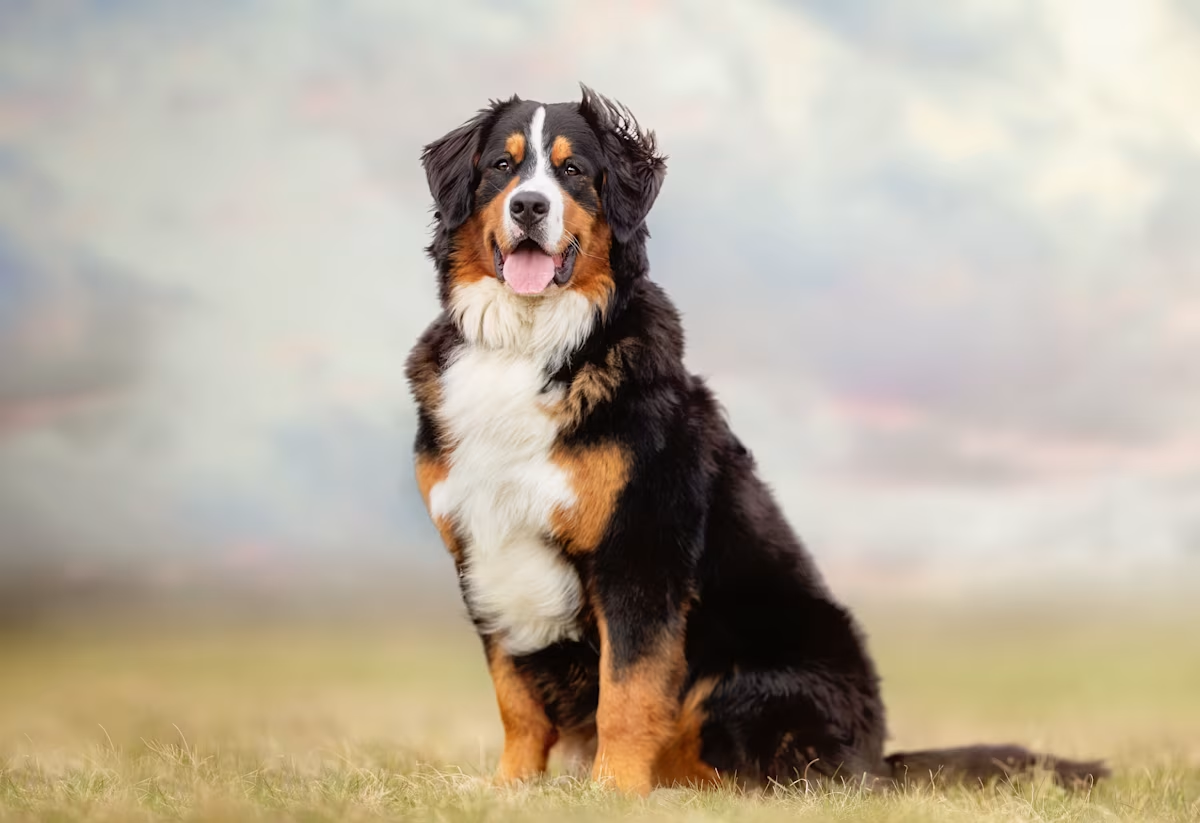
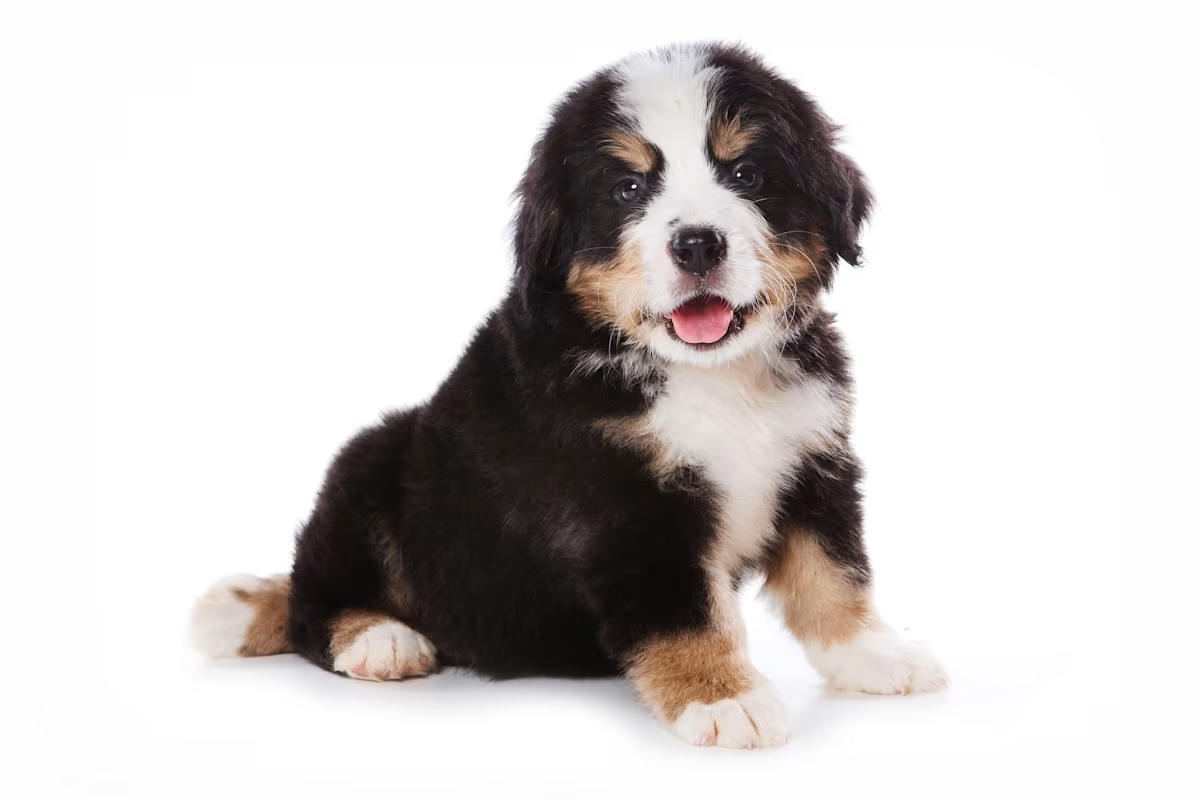
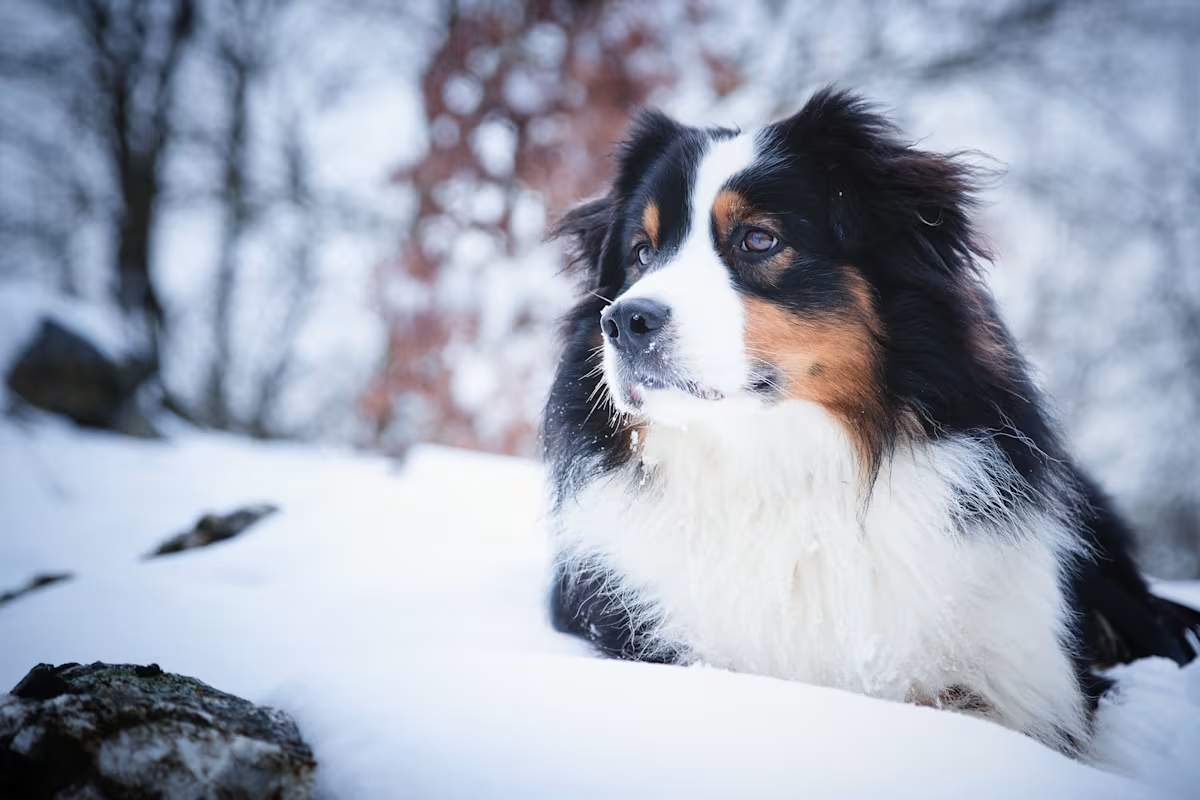
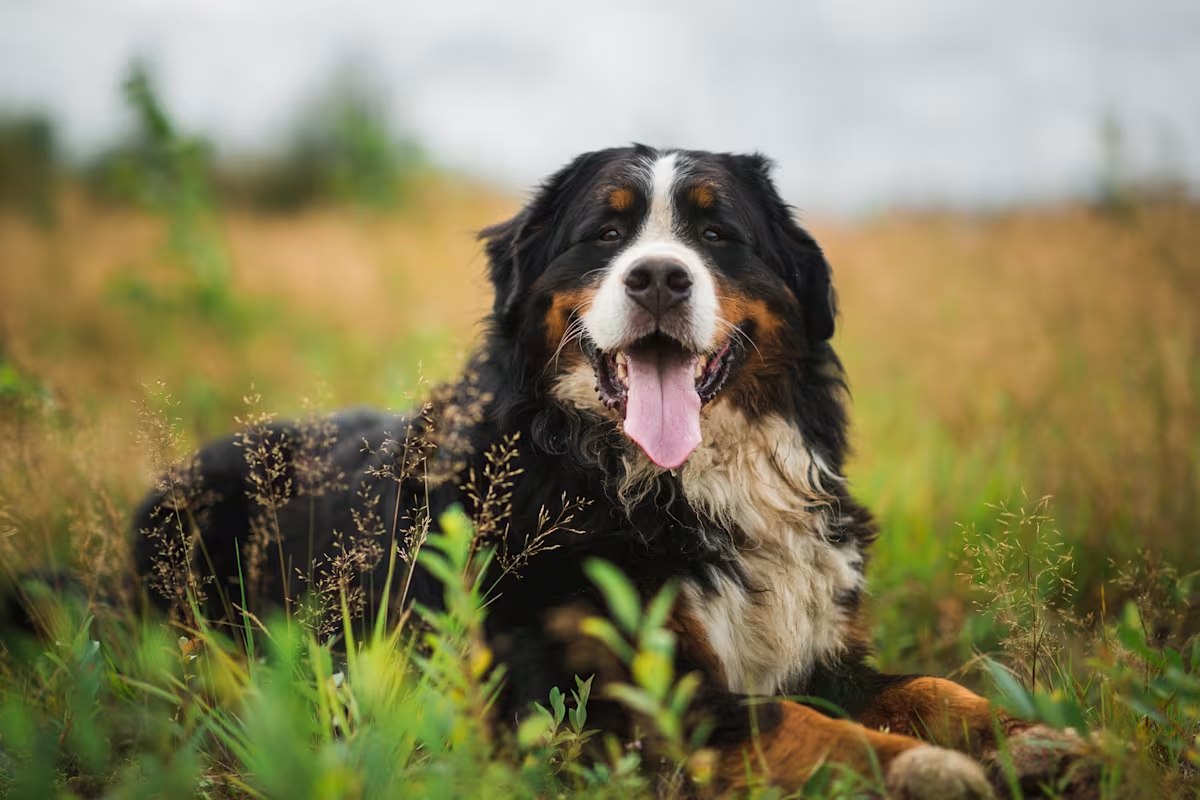
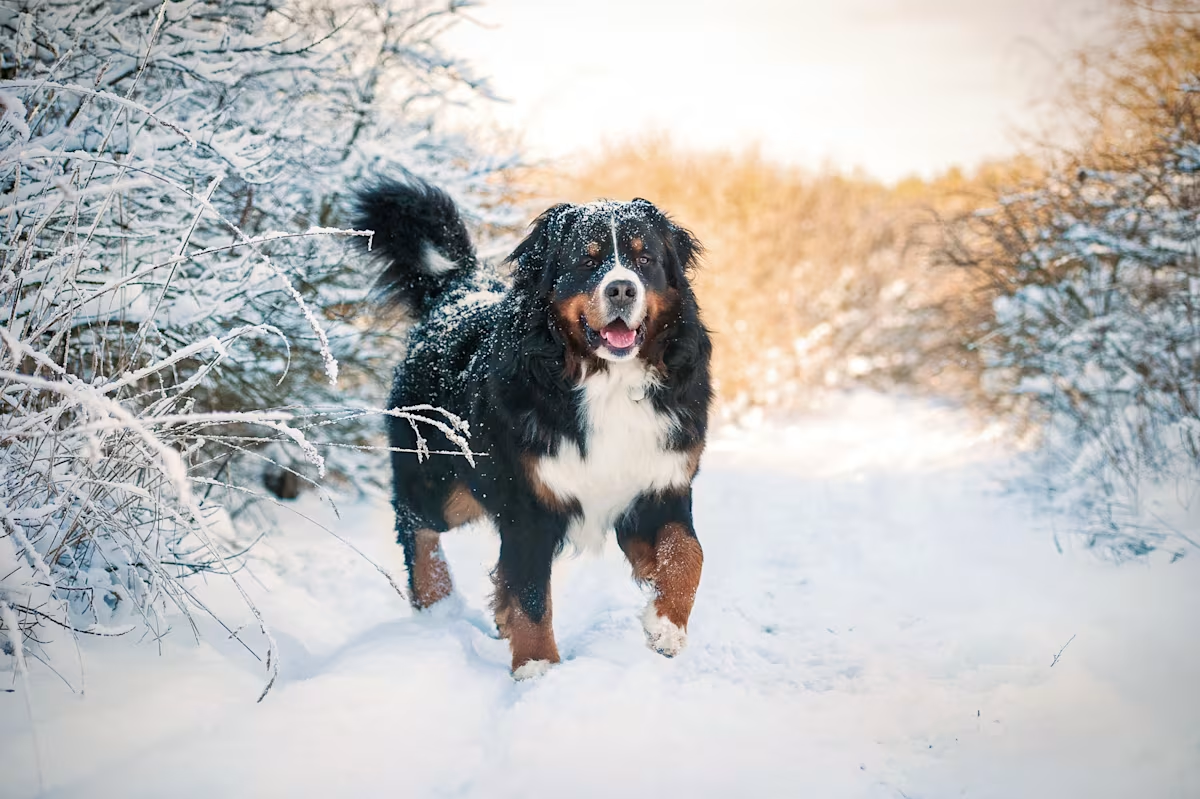
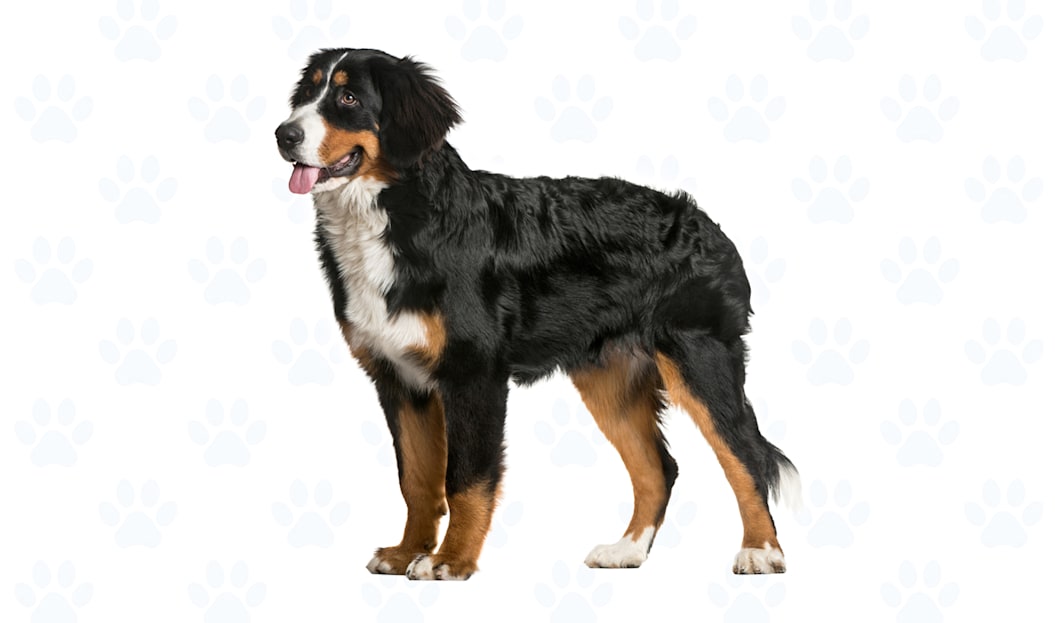
The Bernese Mountain Dog is a sturdy and muscular dog with a large frame. Their distinctive tri-color coat is either black/tan/white or black/rust/white. Many members of the breed have a “Swiss cross” or white cross on their chest when viewed from the front. They also can have a “Swiss kiss” or white mark just behind the head on the neck. Their fur is long and dense so expect heavy shedding, particularly in the spring and fall.

Size & Weight

The Bernese Mountain Dog is a large breed with a typical height of 24 to 29 inches. They usually weigh between 80-120 pounds (males).

Full Grown
Female 23 in. / 80 lbs.
Male 29 in. / 120 lbs.

Height is measured up to the shoulders.

Female Size Chart
Height Figure
Male Size Chart
6 ft. 4 ft. 2 ft.

Cost of Owning

On average, owning an adult Bernese Mountain Dog costs about $1700 per year
$500
Vet Care
$300
Grooming & Boarding
$400
Others
$500
Food & Treats

Characteristics

Size

The Bernese Mountain Dog is a large breed with a typical height of 24 to 29 inches.

Tiny
Jumbo

Weight

The Bernese Mountain Dog usually weighs between 80-120 pounds (males), so this isn’t exactly a lap dog! They are usually a bit longer than they are tall.

Light
Heavy

Living space

Since the Bernese Mountain Dog is a large dog with abundant energy, it’s best to offer them a bigger living space. It’s not a good choice for apartment living, since they need daily exercise and space to move around. Bernese Mountain Dogs are best suited to life in a larger home with a backyard.

City apartment
Ranch

Exercise

Long hikes in the mountains and hard days in the fields are no obstacle to a Bernese Mountain Dog. They have a ton of energy to burn off, and it’s up to you to provide a daily exercise regime to keep your dog active. They are very muscular and possess a lot of stamina and endurance. In the past, some farmers used their Bernese Mountain Dogs as draft animals for pulling carts in the farm fields.

Couch potato
Bring it on!

Personality

While they are often affectionate and loving with their immediate family, Bernese Mountain Dogs can be a bit standoffish or aloof when it comes to strangers. They shouldn’t exhibit timid or shy behavior, but it may take some time to warm up to new friends. Early socialization and positive reinforcement go a long way to promoting good habits and a confident animal.

Antisocial
Outgoing

Protection

The Bernese Mountain Dog is a stalwart guardian when it comes to the family home. These dogs were indispensable on Swiss farms for protecting crops and livestock from vermin and predators. They are not overly aggressive, but a Bernese Mountain Dog will regard strangers with suspicion.

None
Bodyguard

Behavior with kids

These dogs are great for families with children. The Bernese Mountain Dog is very tolerant and playful when it comes to kids. Watch out for very small children playing rough around a Bernese Mountain Dog – they tend to get knocked over in all the excitement. As with any dog, be sure to supervise your Bernese Mountain Dog around kids and unfamiliar adults.

Always monitor
Babysitter

Training

These dogs are highly intelligent and easy to train. The Bernese Mountain Dog is eager to please and help around the farm (or backyard). This breed takes to training well, and positive reinforcement goes a long way to developing good habits and a happy dog.

Headstrong
Obedient

Shedding

Seasonal shedding is usually very intense, but they will continue to drop hair all year round. Daily brushing and regular bathing are key to contain the onslaught of dog fur. It pays to invest in quality tools to help you with grooming. Start the grooming sessions when your dog is a young puppy. This will help to get your dog used to being handled and brushed, while avoiding problems with grooming sessions later in life.

Minimal
Abundant

Climate

Long cold days up in the mountains are a picnic for a Bernese Mountain Dog. Their long, dense coats protect them from extreme cold. Unfortunately, it becomes a liability in warm climates. They don’t do well in extreme heat or long exposure to the hot summer sun. If you have your dog outside during a hot day, it’s crucial to monitor them for signs of distress. Always make sure they have water and a cool place to relax in the shade.

Warm
Cold

Barking

They can be a little loud, but a Bernese Mountain Dog shouldn’t bark excessively unless something is wrong. Extreme barking is usually a symptom of abandonment problems or other behavioral tics. Early socialization and avoiding long periods of isolation are two key strategies to keep your dog happy and relatively quiet.

Mute
Loud

Cross Breeds

Select a Breed to Cross

Choose a breed from the dropdown to see potential crosses.

Poodle
Dropdown Icon

Temperament & Behavior

Bernese Mountain Dogs have a superior temperament for life with a family. They are gentle and affectionate with their immediate family. Some dogs are a bit aloof with strangers, but give it some time and they will warm up eventually. Early socialization and positive reinforcement are crucial to success. Despite their size, Bernese Mountain Dogs have incredible speed over ground. Combine that speed with a high prey drive, and you will quickly realize that a sturdy leash is a must for walks in public.


Bernese Mountain Dogs can suffer from abandonment-driven anxiety issues when left alone for long periods of time, and they often act out with barking, chewing, and digging when alone. With the right mix of love and attention, your Bernese Mountain Dog will give you many years of happiness and companionship.

Barking: Understanding your dog

The Bernese Mountain Dog is well-known as a barking dog when left alone. Long days cooped up indoors are not advisable and your dog will quickly develop anxious habits if you plan to keep them locked up for the workday. Utilizing the services of dog walkers can be beneficial for keeping your dog engaged during the workday. These dogs are working dogs, used to excitement and exercise in farmers’ fields. It’s up to you to keep them engaged and make sure they get at least 30 minutes of solid exercise every day.

Training

Your Bernese Mountain Dog is one smart animal, so it’s important that you utilize their intelligence to help them develop good habits. Early socialization and exposure to a variety of people, places and things are both key to promoting good habits and a calm, confident companion. Invest in puppy socialization classes and obedience classes if you are a novice trainer or you need some extra help from the professionals. Overall, the Bernese Mountain Dog is easy to train and very intelligent, but they can easily develop bad habits without proper instruction.

Habits and Exercise

Daily exercise is a must when it comes to owning a Bernese Mountain Dog. At least 30 minutes of vigorous activity each day is important to maintain a healthy and happy dog. If you don’t give them enough opportunities to get out and run, your Bernese Mountain Dog will find a way to amuse himself at home. This usually manifests itself as chewing shoes, digging holes in the backyard, and barking all day until you come home. Avoid these problems (and fed-up neighbors) and get help from a local dog walker if your career or lifestyle demands long periods away from home.

Energy Level

Frisky, energetic breed that is always ready for action

Energy Level

Nutrition

Due to the frequency of joint problems in Bernese Mountain Dogs, keeping your dog at a lean, healthy body weight is critical to reduce placing additional stress on these joints. Be sure to feed your dog carefully portion-controlled meals of a well-balanced diet. Avoid feeding excessive quantities of treats or table scraps, regardless of how pleadingly those big brown eyes look at you! Weight maintenance diets can be helpful for some obesity-prone Bernese Mountain Dogs.

Daily Consumption

Average daily consumption for an adult Bernese is 3-6 cups

Daily Consumption

Preventive care

Many of the health conditions associated with Bernese Mountain Dogs are related to joint issues, including hip dysplasia, elbow dysplasia and shoulder osteochondrosis. Responsible breeders commonly perform screening tests for these issues prior to breeding in an attempt to decrease the incidence of these conditions in future generations of puppies. While there is no definitive way to prevent these conditions in your dog, keeping your Bernese Mountain Dog at a healthy body weight will reduce the stress placed on the joints by obesity. Fish oil supplements can be beneficial to reducing the inflammation in the joints associated with arthritis that can develop secondarily to joint conditions.


Female Bernese Mountain Dogs are more prone to developing a pyometra (a severe uterine infection) than other breeds. If you do not plan on breeding your female dog, it is important to have her spayed to prevent this condition.

 

Regular veterinary care is crucial for Bernese Mountain Dogs, even when they appear healthy at home. Your veterinarian has been extensively trained to pick up on subtle changes that can indicate bigger problems. This allows potential issues to be addressed earlier, which is beneficial both for your dog and often for your wallet.

Inherited health issues

There have been a variety of health conditions associated with Bernese Mountain Dogs through inheritance or occurring at an increased rate in this breed. They include the following: elbow dysplasia, hip dysplasia, Von Willebrand disease, cutaneous histiocytosis, systemic histiocytosis, hypomyelinogenesis, meningitis, Steroid-responsive meningitis-arteritis, cataracts, entropion, progressive retinal atrophy, pyometra, degenerative myelopathy and osteochondrosis of the shoulder.

Life Span

On average, Bernese Mountain Dogs live to be around 7-8 years old.

Life Span

Did you know?

  • Steelers quarterback Ben Roethlisberger picked up a Bernese Mountain Dog on a 2006 trip to his ancestral roots in the Emmental region of Switzerland. His name is Hercules.
  • A famous Bernese Mountain Dog named Sasha foolishly followed a mountain goat off of a cliff in the Olympic Mountains of Washington State and fell onto an ice shelf below. The poor dog waited three days before rescue, but she survived unharmed in the end.
  • A Bernese named Nico rescued two swimmers from a riptide on a California beach in 2015. Another brave Bernese Mountain Dog called Bella saved her disabled Canadian owner from a house fire in 2013. The dog received local and national awards for bravery.

Coat and Grooming

Bernese Mountain Dogs’ coats are long and dense, and seem to shed with ease. Shedding is common to the breed, so your grooming regime is a key part of maintaining a healthy dog and a tidy home. One of the keys to successful grooming is to start the grooming process early in life when they are still puppies. If you can get your Bernese Mountain Dog used to being handled, brushed and bathed, it makes your life much easier as they get older, bigger, and more set in their ways.

Coat length

Long

Coat length

Grooming

Frequent

Grooming

Shedding

Your Bernese Mountain Dog is a prolific shedder, so it pays to be prepared for the endless tidal wave of dog hair coming at you. Invest in good tools and products to help you contain the mess. A high quality vacuum is your friend. Specialty dog grooming tools like brushes and grooming gloves do wonders to contain and collect the fur before it ends up on your carpet or couch.

History

The Bernese Mountain Dog hails from the Swiss Alps (named after the city Bern). The modern breed comes from a line of Swiss hounds called Sennenhunds. Breeders developed the breed using a mix of local Swiss farm dogs and larger Mastiff-type dogs brought to the region by Roman conquerors. The first showing of the dogs in competition was likely in Bern, Switzerland at a dog show in the early 1900s. The dogs didn’t leave the country until after WWI, but they quickly earned a following around Europe.


In America, the first Bernese Mountain Dog showed up in 1926, but recognition with the AKC and the first US breed standards came later in 1937. The Glen Shadow kennel in Louisiana was instrumental in the development and success of the breed in America. The Bernese Mountain Dog Club of America began operations in 1968 and joined the AKC as a member club in 1981. The current breed standard was adopted in 1991.