


Related Articles


Elevate Pet Meals: How Food Toppers Boost Health, Flavor & Nutrition
Published on September 18th, 2023
Updated on October 15th, 2025


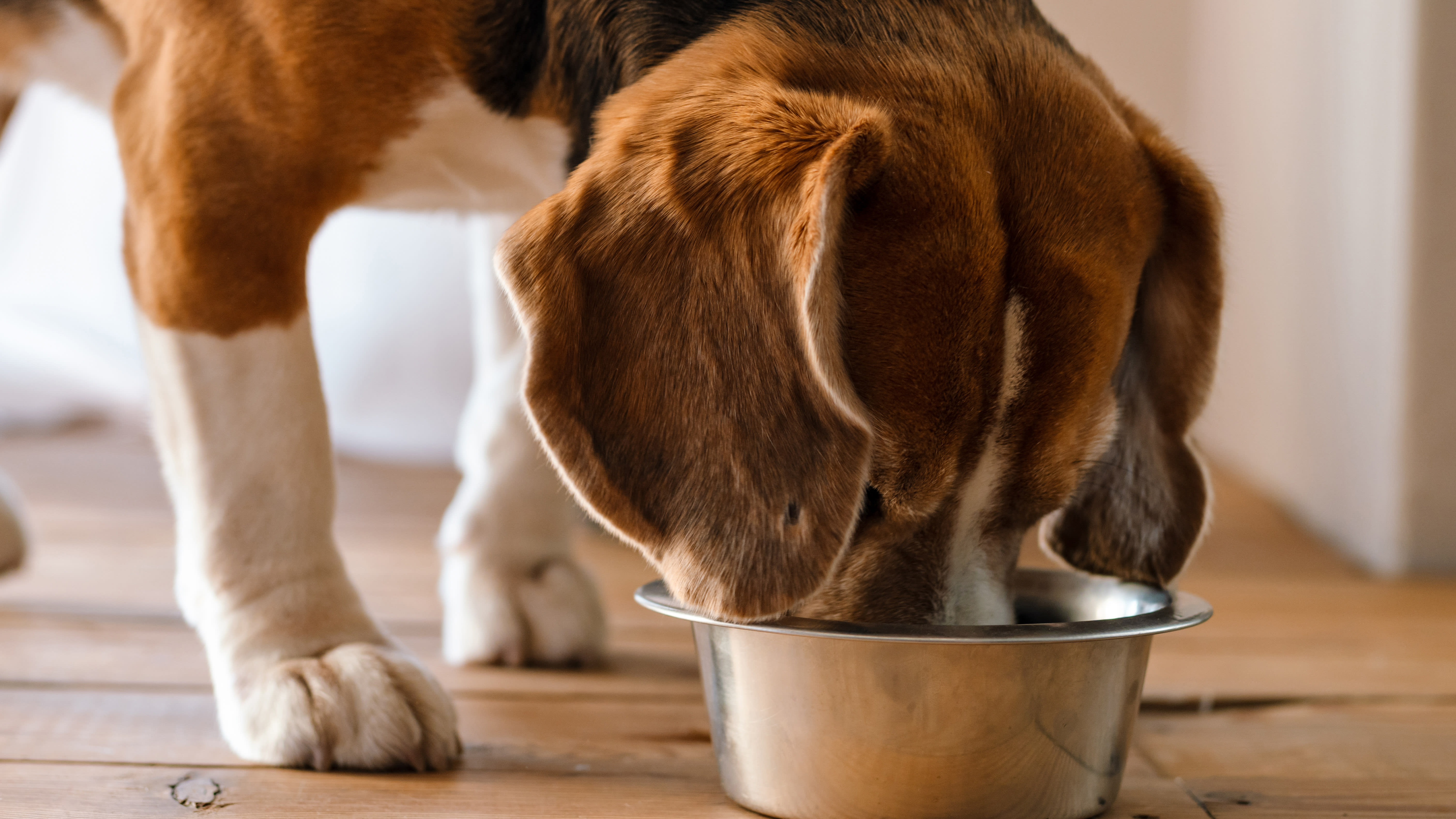
What are toppers, and should I use them on my dog or cat’s food?
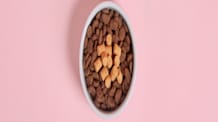
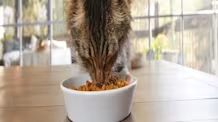
Not familiar with food toppers? They’re exactly what they sound like! Dog food toppers and cat food toppers are a nutritious addition to meals that provide flavor and function, making up no more than 10% of your pet’s regular diet.
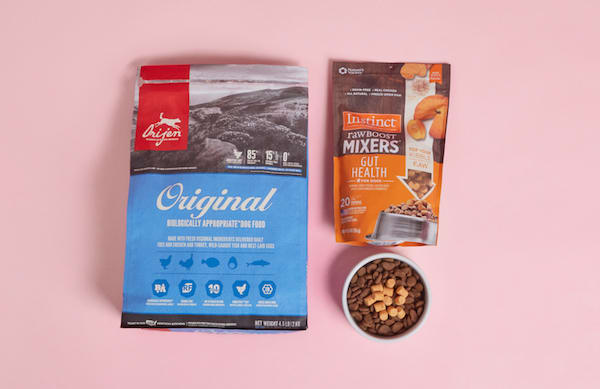
In addition to feeding your pet their usual complete and balanced diet, you can boost their bowl with a topper for added flavor, variety and nutrients. Toppers come in many forms, including wet food, fresh food, freeze-dried bits, crumbles and even nourishing bone broth. Whether you’re looking to entice a picky eater or simply give your pet an extra nutritional edge, toppers are a simple and tasty way to enhance their daily meals – and lives! Keep in mind: Some freeze-dried meals, dinner patties, and canned foods are formulated to meet AAFCO standards as complete meals. But they’re also often used in smaller portions as toppers to add flavor, texture, or nutrients.
How much should I use?
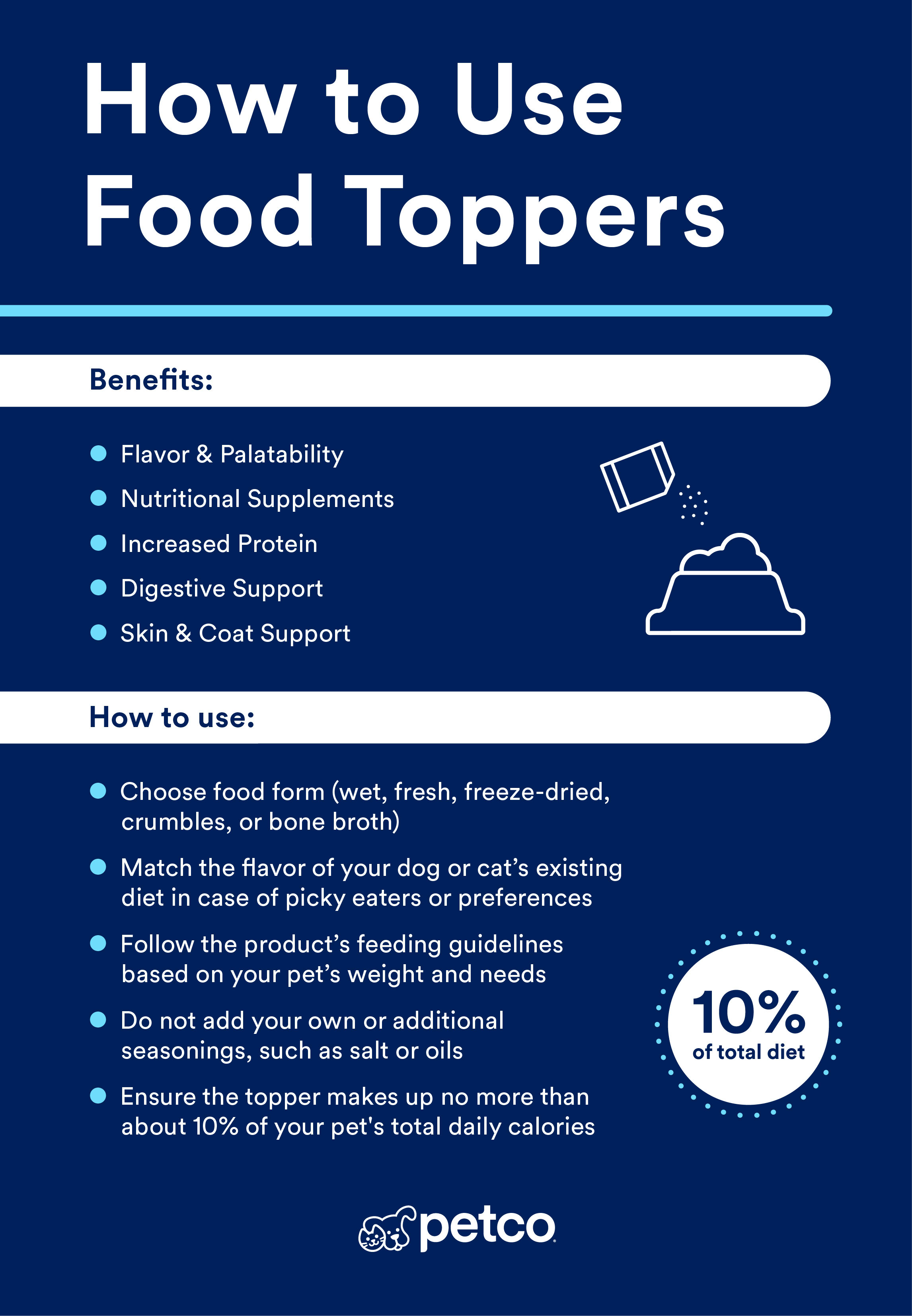
When used as a meal, follow the product’s feeding guidelines based on your pet’s weight and needs. As a topper, these foods should make up no more than about 10% of the total daily calories, with the base food adjusted accordingly to avoid overfeeding.
Whether you choose to make your own toppers or buy them already made, follow the same 10% rule: Any toppers (or treats) should make up no more than 10% of your pet’s diet. Once you start adding a topper, scale down the main food accordingly. If you do go the DIY route, make sure no seasonings are added, such as salt.
With all the different benefits to these nutrition enhancements, as well as form factors, head to Petco for the best selection to make every meal, topper o’ the morning (and evening)! If you have specific questions about toppers, head to Petco to shop for all the quality nutrition they need at a great price.
Benefits of food toppers
There are six main benefits to meal toppers for dogs and cats:
Enhanced flavor and texture
This can make meals more enjoyable for picky eaters. To further add variety, you can switch out toppers periodically to keep things interesting. (Because the amounts are small, this is okay with toppers: keep the main diet consistent.)
Adds moisture to dry food
If your cat or dog have dental issues or don’t drink enough water, adding broths or gravy-style kibble toppers to your pet's dry food is an excellent way to help change the overall texture of their meal and entice pets who may be losing interest in their food. If your pet doesn’t have these issues, there are plenty of dry topper options available if that’s what you prefer!
Nutrition needs can change
Pets’ nutritional needs naturally evolve over time due to factors like life stage, lifestyle changes or health conditions. As cats and dogs age, become less active or develop specific health concerns, it’s important to adapt their diet accordingly. This means not only maintaining their interest in food but also making sure they continue to receive the right balance of nutrients to support their overall health.
Increased protein
Some of those nutrition needs above focus specifically on protein. Many toppers are made with protein-rich ingredients like meat and organ meats, giving your dog or cat an extra boost of both flavor and nutrition. Since adequate protein is essential for maintaining strong muscles, supporting immune function, and fueling daily energy—especially for active dogs and obligate carnivore cats—adding high-quality toppers can be a simple way to help meet their protein needs while making mealtime more exciting. Win-win!
Digestive support
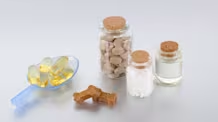
Whether it’s turmeric for tummy issues or pumpkin for better poops, many toppers include what’s called “functional ingredients:” foods to help with gut health. These also include ginger, collagen and other varieties.
Skin and coat support
Dogs and cats with skin or coat issues can benefit from targeted toppers to support skin and coat health. These types of recipes often include ingredients like Omega-3 and Omega-6 fatty acids. These help nourish the skin and promote a shiny, healthy coat – helping your dog or cat look AND feel their best!
How to use toppers
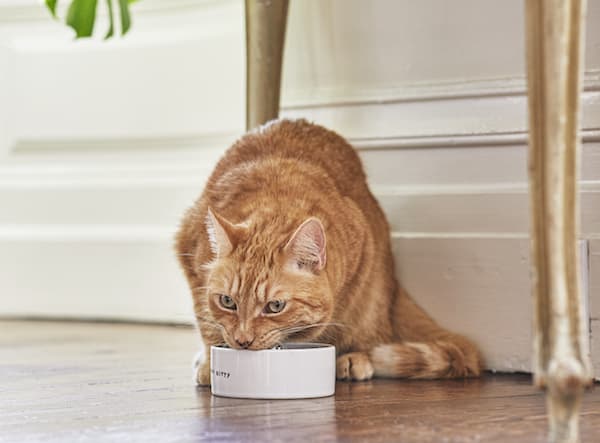
Toppers are used like treats
Toppers are a great way to boost flavor, add health benefits and increase moisture in your pet’s meals—but they’re meant to supplement, not replace, a complete and balanced diet. Always serve toppers alongside your pet’s regular food, not as a standalone meal.
Since toppers and treats should make up no more than 10% of your pet’s daily calories, you may need to reduce the amount of base food to maintain a healthy weight. If you think your pet will miss the extra food, consider adding in some low-calorie veggies like baby carrots or green beans.
If you’re unsure how to adjust your pet’s diet, consult your veterinarian for guidance on your specific dog or cat, factoring in their age and any health issues.
How to buy
When choosing a cat food or dog food topper, try selecting one in the same flavor as your dog or cat’s current food to encourage acceptance. Always consider their specific nutritional needs—especially if they’re on a veterinary or prescription diet—so the topper supports, rather than disrupts, their health plan. This is especially critical if your vet has your pet on an elimination diet. This is when there is a potential food allergen; if your vet says to avoid, say, chicken, this includes all treats and toppers, as well. Keep in mind an elimination diet must be done only under a vet’s guidance!
In closing, for a variety of nutritious, high-quality topper options at a great value, explore what’s available at Petco, both in-store and online. There are a ton of different flavors, and if you have both a cat and a dog, they might be able to share if your vet okays it. After all, just because a salmon topper has a cat on the label, your dog might think it’s the tops, too!






Book an appointment with the pros – our expert vets are here to help.
