Related Articles


How to Change Your Cat's Food
Published on July 29th, 2025
Updated on July 29th, 2025


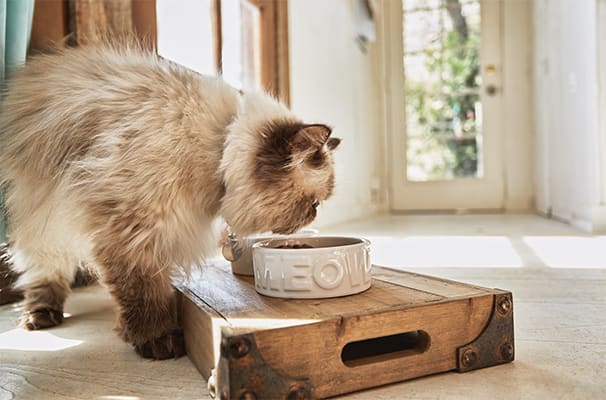
A cat’s diet plays a crucial role in their overall health, affecting everything from energy levels and digestion to skin, coat and even long-term organ function. Since cats are obligate carnivores (Say what, now?! See info below.) with specific nutritional needs, feeding them a high-quality, balanced diet is essential for their well-being. Any changes to their food should be made thoughtfully, with guidance from your veterinarian to ensure you're choosing the right formula and portion size to support your cat’s unique health requirements. Read on for the whys and hows of how to switch cat food.
Why to switch your cat's diet
There are several reasons you might need to change your cat’s food, and it’s important to make any transition carefully to support their health and digestion. Here are 6 of the most common reasons cat parents make a switch:
- You’ve found a better formula, improved availability or a more budget-friendly option
- You’re bringing home a new cat and want to start them on a different diet
- Your veterinarian has recommended a specific formula or prescription food
- Your cat is entering a new life stage (kitten, adult or senior)
- Your cat needs help managing their weight
- Your cat has developed a food allergy or sensitivity
Obligate carnivores explained
This term applies to animals who must eat meat to survive because their bodies are biologically adapted to require certain nutrients found only in animal tissue, such as:
- Taurine (an amino acid vital for heart and eye health)
- Arachidonic acid (a fatty acid)
- Vitamin A in its preformed (animal-based) version
- Vitamin B12
- They have a high protein requirement and a limited ability to digest plant-based ingredients.
- They lack the enzymes needed to convert some nutrients (like beta-carotene to vitamin A or linoleic acid to arachidonic acid) that omnivores can process from plant foods.
How to transition cat food safely
When changing your cat’s food, it’s important to do it in stages—your cat’s GI system (and the person who cleans the litter box) will thank you. This gradual transition method works for any diet change, whether you’re moving from kitten to adult food, switching between wet and dry formulas or introducing a new brand or recipe.
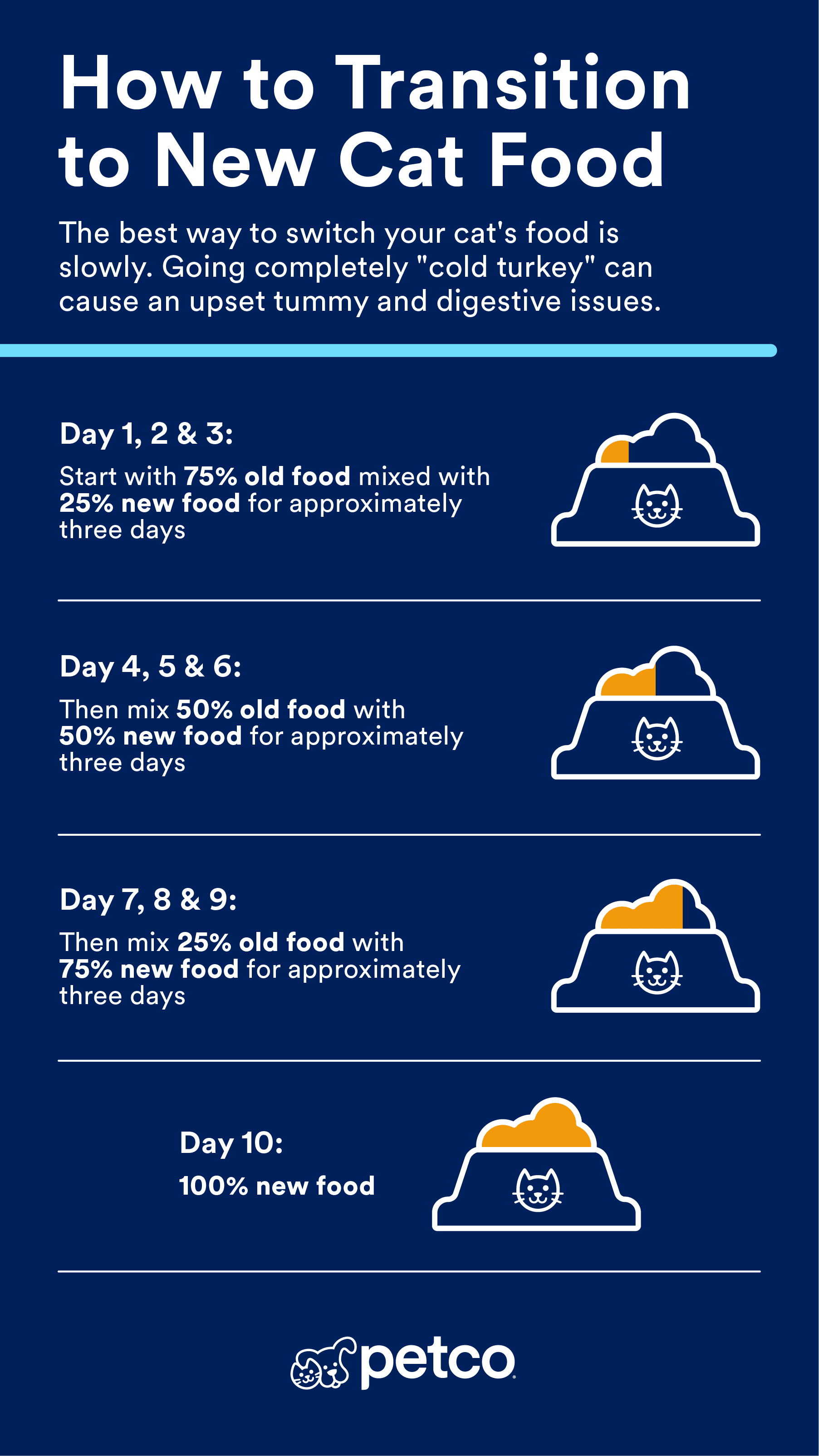
A good timeline is over 7 to 10 days. Follow this “recipe” of ratios:
Days 1-3: 75% old food mixed with 25% new food
Days 4-6: 50% old food with 50% new food
Days 7-9: 75% new, 25% old for approximately 3 days
Day 10: 100% new
If your cat has a sensitive stomach or shows signs of constipation or digestive upset, a slower transition may help. If issues persist after a few days, check in with your veterinarian for personalized advice.
Those signs to look out for include:
Vomiting—especially shortly after eating
Diarrhea—loose or watery stools
Constipation—straining in the litter box or infrequent bowel movements
Gas—noticeable bloating or flatulence
Loss of appetite—refusing food or eating less than usual
These signs can also indicate dehydration, especially vomiting and diarrhea, so reach out to your veterinarian right away for guidance.
Many cats are robust eaters, but some do fit that stereotype of “picky” (no judgement here) and may need some extra encouragement. A couple tips include slightly warming up the food to make it more fragrant or adding a “food topper” to enhance interest.
When to switch cat food
Life stage from kitten to adult: Most cats should switch from kitten to adult food at around 12 months old. Large breed cats such as Maine Coons, however, typically transition before their second birthday. By this time, your kitten has typically finished growing and no longer needs the extra calories, fat and nutrients found in kitten formulas.
Life stage from adult to senior: A good time to consider transitioning to a senior cat food is when they’re between 7 and 12 years old. Senior formulas often contain fewer calories to help prevent unwanted weight gain as activity levels decrease along with added joint-supporting nutrients such as glucosamine and omega-3 fatty acids. Your vet can help you determine when it’s time to make the switch.
Specialized health condition needs: When adult cats develop a health condition—such as kidney disease, urinary issues, food sensitivities, diabetes or obesity—their diet often needs to change to support their condition. Specialized veterinary and prescription diets are formulated with targeted nutrients and ingredient adjustments to help manage these health challenges.
Speaking of obesity, if your cat needs to lose some weight, a combination of portion control and weight management should be used in tandem with a specialty diet.
Begin by asking your veterinarian to help you calculate your cat’s ideal weight and daily calorie needs. Measure your cat’s food precisely using a kitchen scale or measuring cup. Avoid free feeding to prevent overeating. Be sure to include any treats in those calorie calculations and remember that treats should never account for more than 10% of your cat's diet. Incorporating interactive play and regular exercise can also support healthy weight loss.
Remember to make any changes gradually and track your cat’s progress over weeks or months. Rapid weight loss can be dangerous for cats, so consult your vet regularly to ensure your cat’s diet and lifestyle adjustments are safe and effective.
If you have multiple kitties at different ages or life stages, you might need to feed them different foods. Preventing cats from eating each other’s food is important to maintain proper nutrition. To manage this, try feeding your cats in separate rooms or at scheduled times to reduce competition. Using specialized feeding stations that only open for a specific cat can also help. Make sure to measure portions carefully and provide multiple feeding spots away from each other so all cats can eat comfortably without stress. Consistent routines and patience are key to keeping mealtimes peaceful and balanced.
Short-term food solutions
Whether a stray cat has adopted you unexpectedly (congratulations!) or you run out of your cat’s regular food, it’s important to provide safe alternatives that won’t upset their digestive system. For a short time, you can offer plain cooked meats such as chicken, turkey or lean beef—without any seasoning, onions or garlic. Small amounts of canned pumpkin (plain, not pumpkin pie mix) may help with digestion. What not to feed? Dairy products—despite the stereotype of cats lapping milk in a saucer—and human snacks. Both can cause stomach upset and be toxic to cats.
Conclusion
Gradual food transitions are best because they give your cat’s digestive system time to adjust, helping to prevent upset stomach, vomiting and diarrhea. Slowly mixing the new cat food with the old over 7 to 10 days makes the change easier and more comfortable for your cat. Whenever you’re considering dietary changes—especially for special health needs—consult your veterinarian to ensure the new diet is safe and appropriate for your cat’s individual needs.