


Related Articles


Flea Prevention Failing? Why & How to Finally Stop Pet Fleas
Published on September 10th, 2018
Updated on October 22nd, 2025

[video=youtube](https://youtu.be/feYnaVRImXw) The only thing more frustrating than fleas themselves? Flea treatments that don’t work.
From application mistakes to ineffective formulas, there are a number of reasons that your pet’s preventative may not be doing the trick. Read on for some common problems, as well as troubleshooting tips to keep your pet happy and healthy.
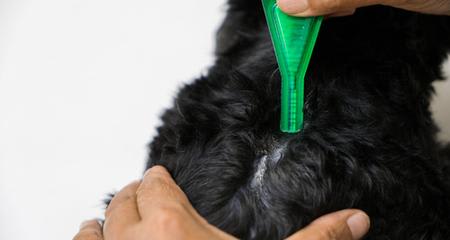
You’re not applying it properly

You’re not applying it frequently enough
Another reason why those flea bites persist on your pooch or feline? You’re not applying preventatives frequently enough.
“Most products should be applied monthly, but there are some where you need to apply it every three months,” says Rosenberg. “And if you’re using a [flea collar](https://www.petco.com/product/seresto-flea-and-tick-collar-for-large-dogs?ref=6ReasonsYourFleaPreventionIsntWorking_PetCoachEcomm), it should be changed every eight months.”
Each medication differs, so it’s important to consult with your veterinarian and read the manufacturer’s instructions carefully.

You stop treating for fleas during the winter
Many pet parents who live in areas with cold winters may think they don’t have to use flea control products. Think again.
“Year-round flea control is typically recommended, even in the winter time,” says Rosenberg. This is because fleas can live in warm microclimates—for instance, inside a house, or in your shed—despite how low the temperature drops.

You’re using a store-bought flea collar
Many over-the-counter flea collars aren’t effective, and some may even cause adverse reactions to your pet, says Rosenberg.
Some collars are effective and comparable to topical medication—Rosenberg personally recommends the [Seresto collar by Bayer](https://www.petco.com/product/seresto-flea-and-tick-collar-for-cats?ref=6ReasonsYourFleaPreventionIsntWorking_PetCoachEcomm)—but these should be specifically recommended by your veterinarian, not purchased at the supermarket.

You’re using a natural remedy
While they may sound healthy, many [natural methods](https://www.petcoach.co/article/at-home-flea-and-tick-treatments-that-dont-work/) for flea and tick prevention aren’t only ineffective, but they could actually harm your pet. In fact, there are many documented reports of adverse reactions to natural remedies,” says Dr. Britt Levy, a dermatology resident at [NCSU College of Veterinary Medicine](https://cvm.ncsu.edu). For example, tea tree oil, an oft-cited natural flea repellent, can be toxic to cats as well as fleas.
If you’re concerned about using conventional flea medication, have a discussion about alternatives with your veterinarian before trying any home remedies. “Don’t think everything from the veterinarian is bad and everything natural is good,” says Levy. “There is a lot of gray area.”

You’re not treating indoor pets
Some pet parents assume that they don’t have to use preventatives on indoor cats. Unfortunately, this isn’t true, says Rosenberg.
If you have a dog, any fleas he encounters in the outside world will happily take up residence on your untreated cat. Then, your cat acts as a constant reservoir to re-infest your dog, creating a cycle of fleas. Even if your cat is an only pet, fleas could arrive with guests or hop on over from a neighboring apartment.
To keep your indoor cat comfortable and flea-free, it’s important to work with your veterinarian to devise an appropriate prevention plan.

441Pet Parents found this article helpful










Book an appointment with the pros – our expert vets are here to help.
