


My dog squats to pee often, drinks more, and kicks. Is it a UTI?
Updated On September 23rd, 2025
Pet's info: Dog | Mixed Breed Small (up to 22lb) | Female | spayed | 2 years and 4 months old | 22 lbs
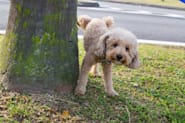
My dog has recently been squatting to pee a lot but it doesn't seem like anything comes out after the first time or two that she does this. At first I thought she was just marking since she did it mainly on walks but now she's doing it at home as well. She is also drinking more water than usual, but still eating normally. She has also been kicking herself a lot more. Does this sound like a UTI?
2 Answers
Most Helpful Answer

Published on April 8th, 2020
The straining to urinate along with the increased thirst may indeed indicate a developing UTI. You would need to have Zo physically examined by your veterinarian for confirmation. A sterile urine sample should be collected and submitted for urinalysis and urine culture/sensitivity. This may identify the organism responsible as well as the best antibiotic to use in treatment. Your vet may recommend abdominal x-rays or ultrasound to rule out kidney or bladder stones. Given current events, you may need to drop her off at the clinic then wait for the doctor to call you to discuss exam findings and treatment options.

1Pet Parents found this answer helpful
Related Answers from Veterinarians
-
Published on August 10th, 2017
Unfortunately your whole question did not post. If you are asking if dogs can get them, the answer is yes. They usually show signs of increased thirst and frequent urination without producing much. You may or may not see blood in the urine. They can sometimes be lethargic and not eat. She would need to see a vet to determine if there is an infection or bladder stones and start Gemini on antibiotics to cure the infection. If there are stones she may require a diet change or surgery to remove them. I hope this answers your question, if not please repost and we will be happy to help!
2Pet Parents found this answer helpful


When i let Her outside morning to do her business she get kept walking around the backyard sqwating everywhere trying to pee.. She actually did pee but kept doing that behaviour.. And she is fixed aswell. Is this her marking her sent or a bladder inf

Hello, I have a male greyhound. Usually it will take him a little while to pee but lately he has been taking a very long time and going much more than normal and drinking a lot more water than usual. This morning he peed in the house overnight only 6
Mary is acting as if she needs to pee all the time. She will spend 10-20 mins after she actually peed squatting and acting like she's peeing while dropping only a few drops or no pee at all. While she has just started having accidents at night, once
We have a shi-tzu, terrier mix and he has been drinking alot and just can't hold his pee. We also noticed that when he sits, it's hard for him to get up, but once he is up, he can walk fine. We was at the vet last week getting 10 teeth pulled. Cou

My 4yo Rottweiler has recently started acting a little strange when she pees. She seems to go with no problem, but then will continue to squat like she still needs to go. Then she may squat several more times like she needs to go but doesn't. And she

My 3yo male greyhound was diagnosed with a UTI earlier this morning. He is drinking a whole lot of water, which I know is good, but he is having a hard time letting much out when he urinates. I'm concerned about his bladder getting too full and not b

I was just wondering could my dog have a uti infection. When outside he pees the first time then about 2 or three more times a couple of drops. Today he's been wanting to go out more than normal and he's neutered. He also eats table food like chips.
I have some puppies almost 7 weeks old. One of the females today squats to pee and only drops come out. She always has water. But there is ten of them and they always spill it. But I see them all drink. She peed Normal yesterday. She is super playful
12.5 year-old spayed female Maltese has started dribbling her urine too day; yesterday she had to go frequently. She will not eat or drink water, is lethargic, has shaking/trembling spells, and her behavior has changed— slightly irritable and little
Dog was peeing/trying to pee frequently for about 24 hrs. If we were out for ten minutes she would try about 3-4 times with very little or none coming out. And stretching her back almost every time. Thought it was for sure a UTI and was working to sc
Book an appointment with the pros – our expert vets are here to help.
