


Two Easy Ways to Start Earning Rewards!
Become a member today! Members-only pricing and offers, personalized care notifications, Vital Care points back on every purchase and more!
 Become a credit card member today!
Earn 2X Pals Rewards points at Petco
when you use Petco Pay!APPLY NOWLearn More About Petco Pay Benefits
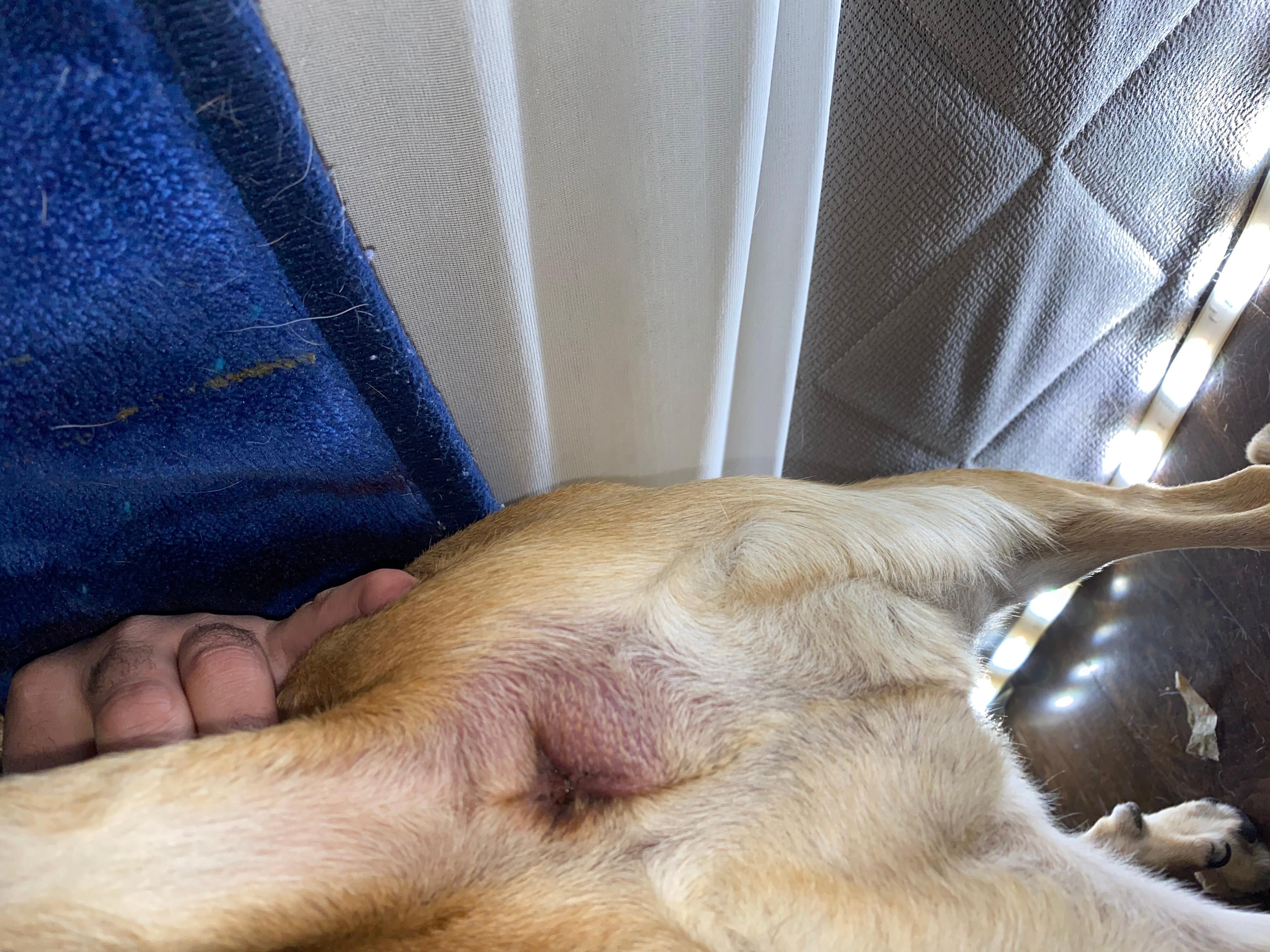
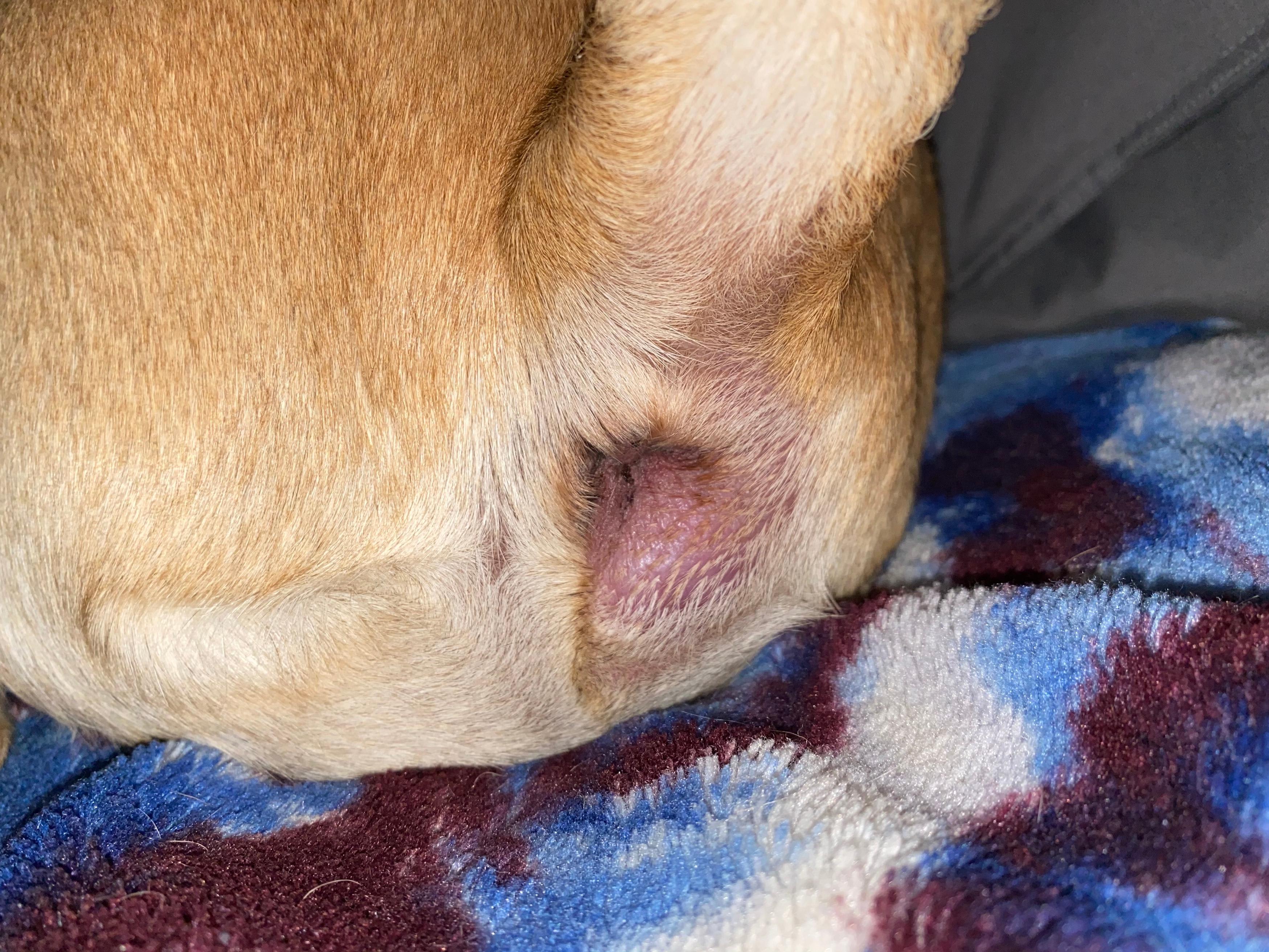
My dog has a painful lump near her butthole. Is it anal glands?
Updated On September 23rd, 2025
Pet's info: Dog | Puggle | Female | spayed | 3 years and 11 months old | 25.5 lbs
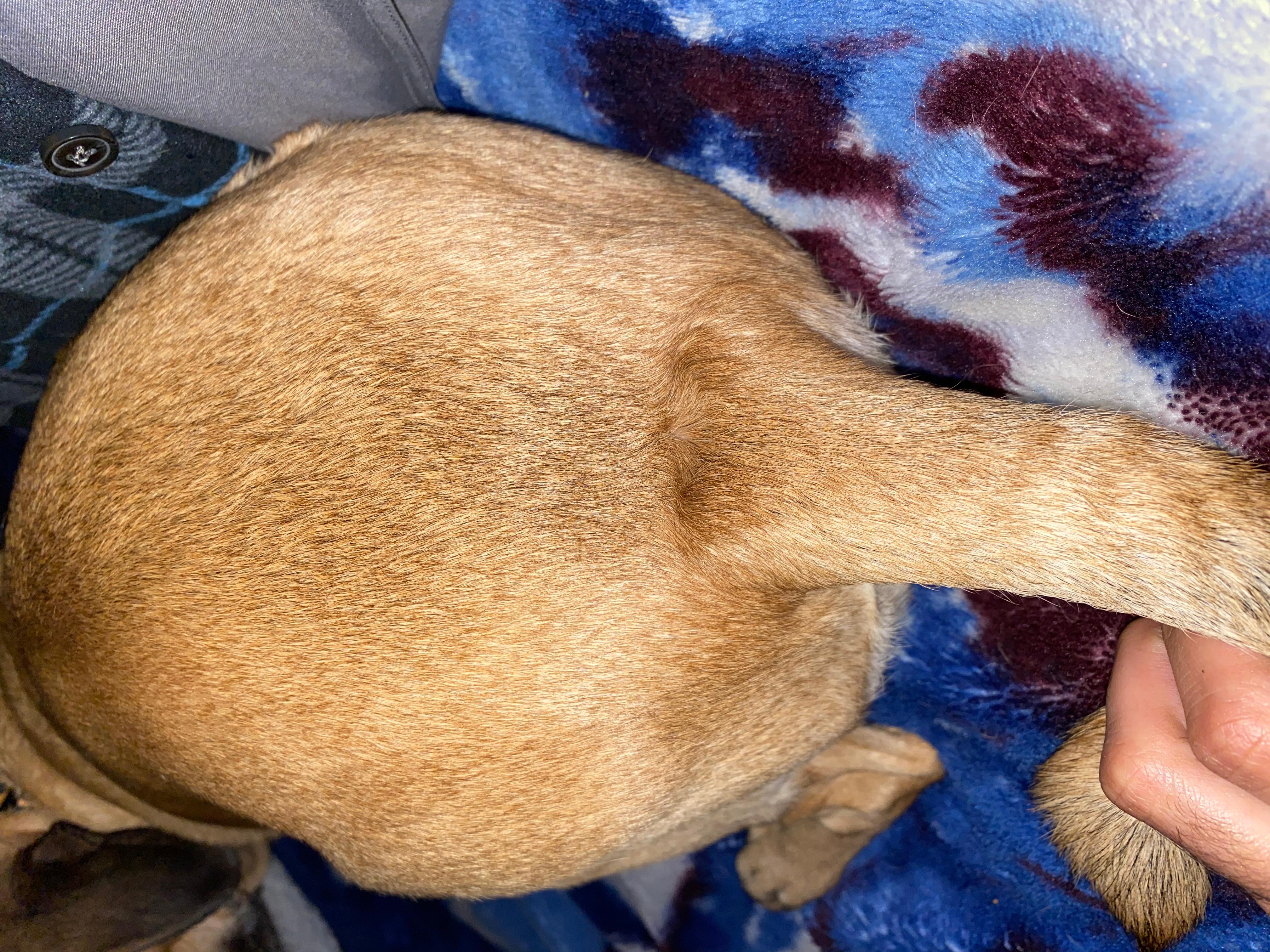
Starting this week, I notice lump near her butthole and it’s hurting my dog. I’m not sure what to do.


3 Answers
Most Helpful Answer

Published on March 5th, 2020
Poor girl. This is most likely an anal gland abscess (infected pocket). The only way to resolve this unfortunately is to visit your vet who will have to lance this area, drain out the infection, and then get her on an oral antibiotic. This is typically caused by the anal glands (two sacs inside the rectum) getting overly full and then getting infected. Some pets require having their anal glands expressed by your vet or groomer once every 4-8 weeks if this becomes a constant problem. An over the counter product called Glandex can help some of these pets manage this problem, but we really don't know for sure why these are a problem in pets, so its best to discuss this more with your vet once you get this treated. Until she can get seen you can try applying a cold compress to the area if tolerated. But its best to get her seen soon to fully resolve this source of discomfort and infection. I do hope that your pet Lala's swollen area gets resolved soon! Best of luck and take care.

5Pet Parents found this answer helpful
Other Answers
-
Published on May 23rd, 2018
Thank you for submitting your question regarding Odie. He will need to see his veterinarian tomorrow if the office is closed today. He may have an anal gland abscess. There are two anal glands. One sits just under the skin on either side of the anus. They are supposed to express fluid each time the dog defecates. Occasionally the gland can become infected. It will look like a firm red swollen area below the anus on either the right or left. If this is the case, he will require treatment. In the meantime, do not allow him to lick the area. I hope this information helps!
1Pet Parents found this answer helpful
-
Published on September 10th, 2017
This looks like an anal gland infection/impaction, you must take him to the vet in order to get it treated, you cannot treat it alone, it will need to be deblocked by your vet and will require a long course of antibiotic treatment.
1Pet Parents found this answer helpful



Book an appointment with the pros – our expert vets are here to help.
