


My betta fish is always at the top gasping for air. Should I worry?
Updated On September 23rd, 2025
Pet's info: Fish | Betta | Female | unspayed | 0.5 lbs
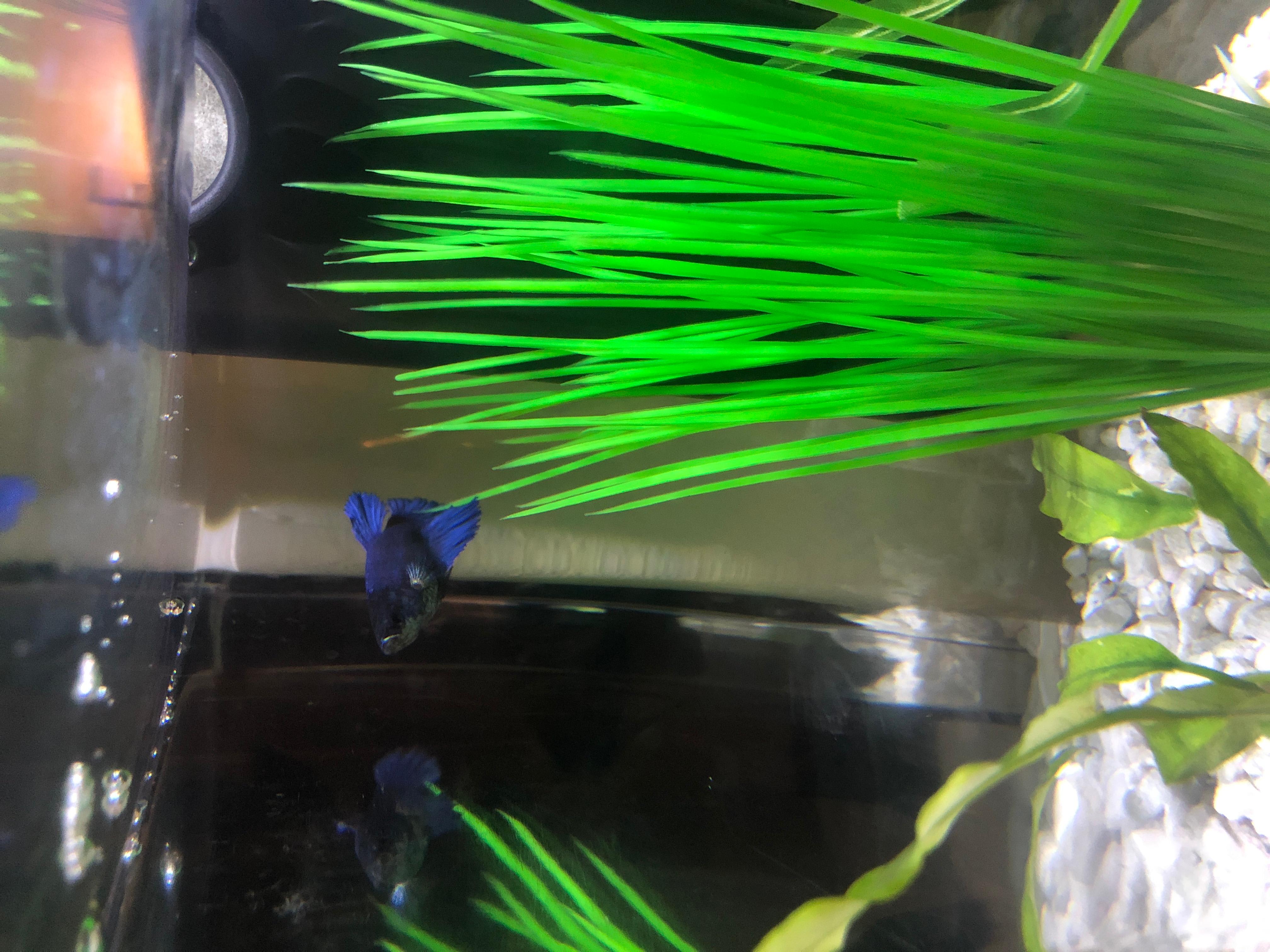
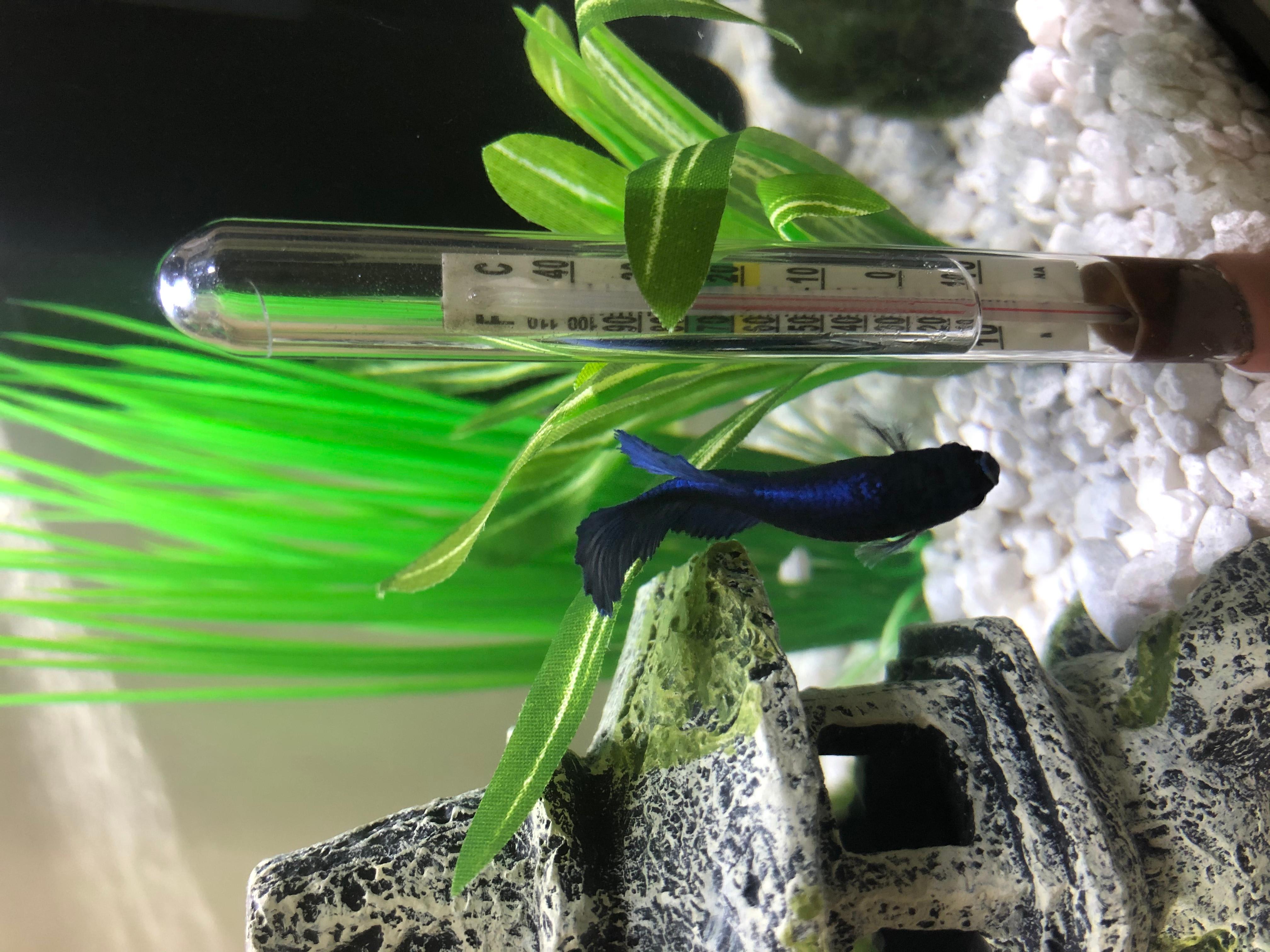
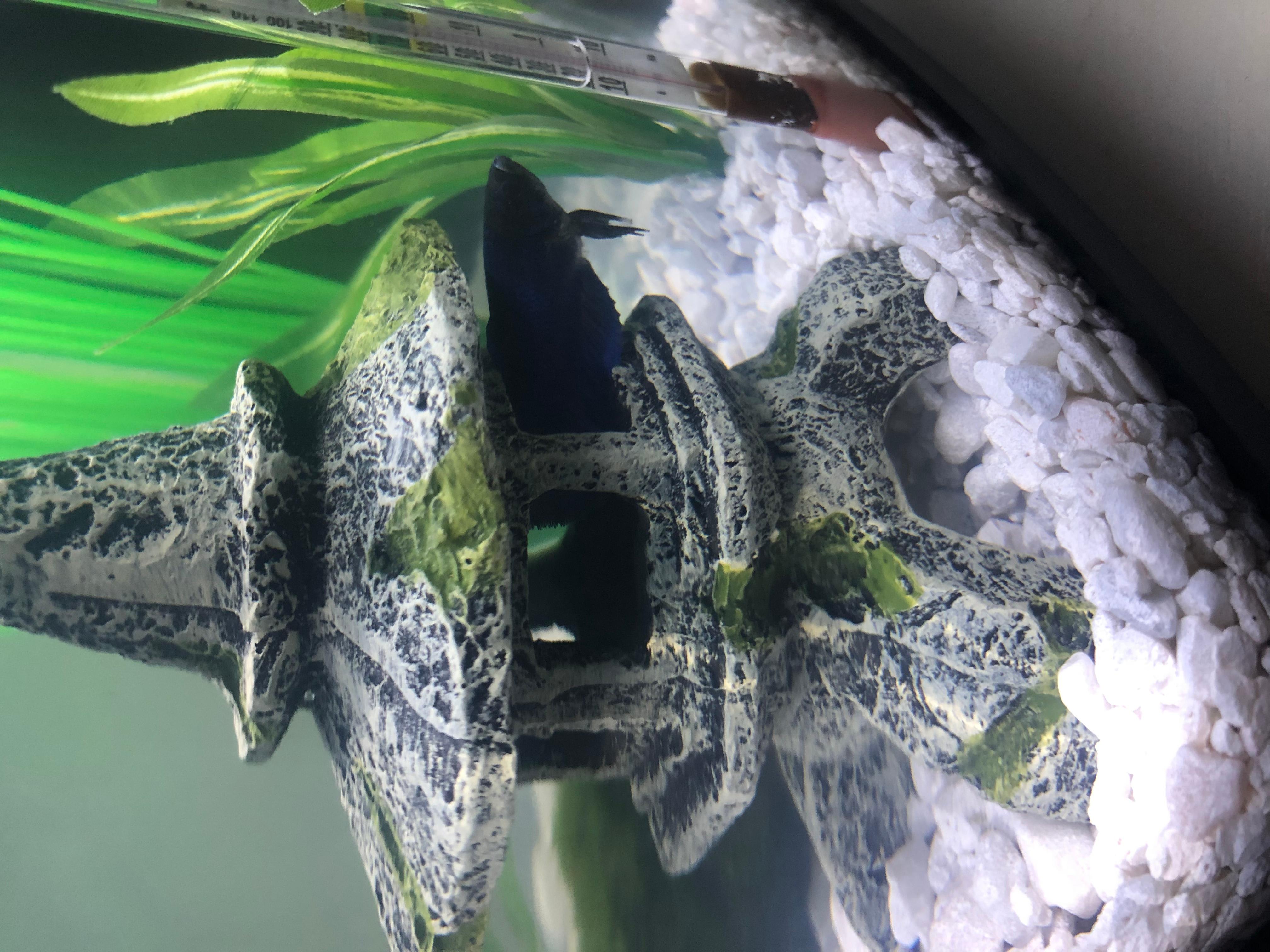
My betta fish is always at the top “gasping for air” but other than that she’s perfectly fine, should I be worried?


4 Answers
Most Helpful Answer

Published on January 22nd, 2020
Bettas will surface to breathe air. This may be normal. Check the water chemistry though. Elevated ammonia levels may drive him to the surface. Check the temperature as well. Warm water does not hold as much oxygen as cooler waters. Bettas do best between 78 F and 80 F.

1Pet Parents found this answer helpful
Related Answers from Veterinarians
-
Published on February 28th, 2018
Gasping at the surface indicates poor water quality or low oxygenation. Check the chemistry, especially ammonia and nitrite levels. Ideally, you want them to be 0 ppm. Use only aged or conditioned water that is temperature matched for water changes. This will prevent stress or shock. If the chemistry is fine, check the temperature and consider adding in an air stone or bubble wand to increase oxygenation.
2Pet Parents found this answer helpful
-
Published on September 19th, 2017
Check water chemistry. Use a home test kit or submit a sample for testing. Most pet or fish store will do this for free or for a nominal fee. Elevated ammonia or nitrites may cause the symptoms reported. Daily water changes will be necessary to correct imbalances. Use only aged or conditioned water that is temperature matched to prevent further stress or shock. Check the water temperature as well. Bettas do best between 78 F and 80 F. If your filter has an adjustable flow, turn it down to a weak current.
1Pet Parents found this answer helpful
-
Published on August 29th, 2019
Thanks for reaching out about M.S. You should be testing the water for pH, ammonia, nitrite and nitrates. Poor water quality can affect the gills causing inflammation and difficulty absorbing oxygen. Test and correct water quality frequently as pristine conditions are needed for recovery. If condition continues, a veterinary visit is recommended. Good luck.
1Pet Parents found this answer helpful


Book an appointment with the pros – our expert vets are here to help.
