


My dog has chronic skin allergies. What can I do to help him?
Updated On September 23rd, 2025
Pet's info: Dog | German Shepherd | Male | unneutered | 4 years and 2 months old | 40 lbs
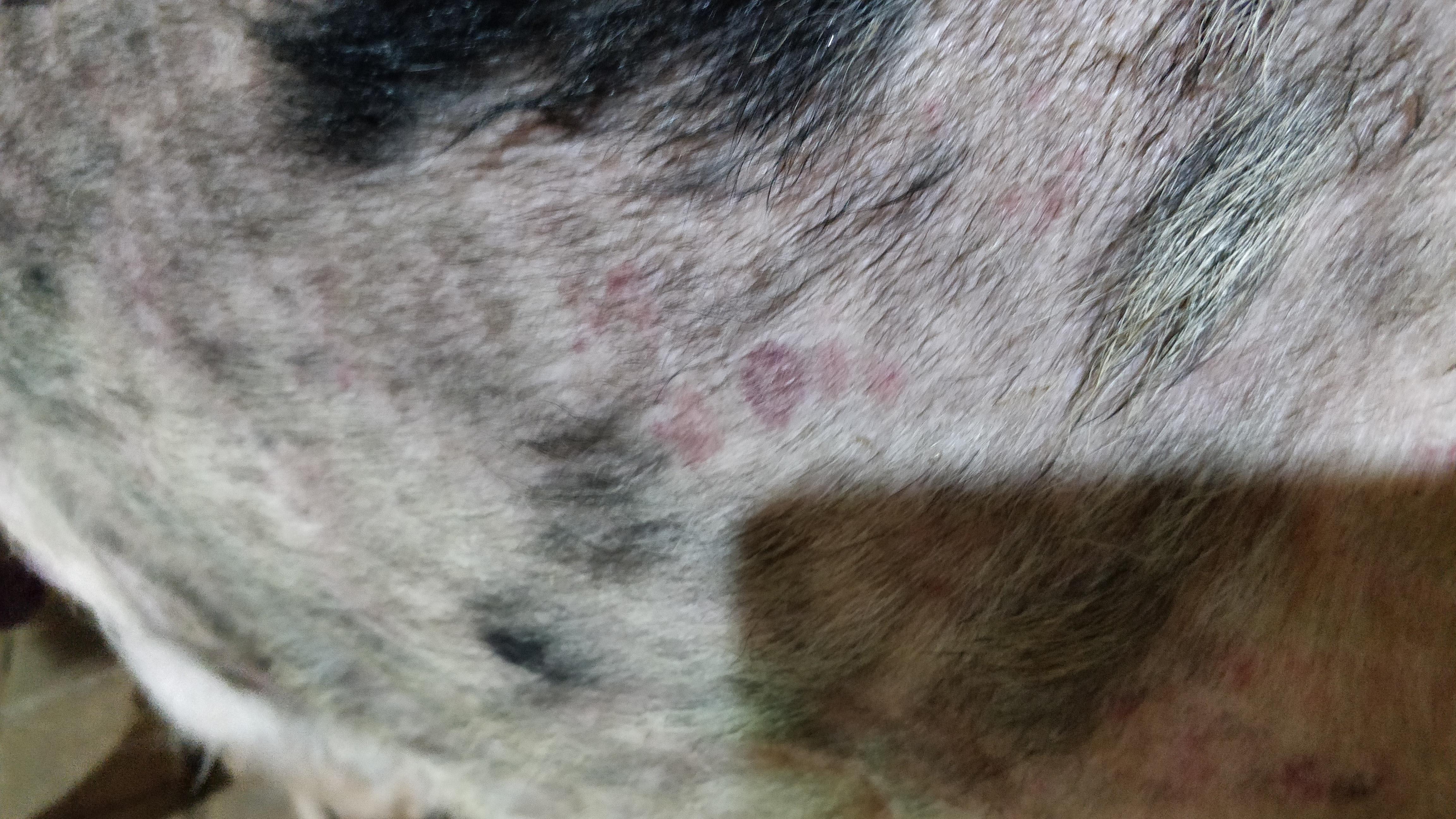
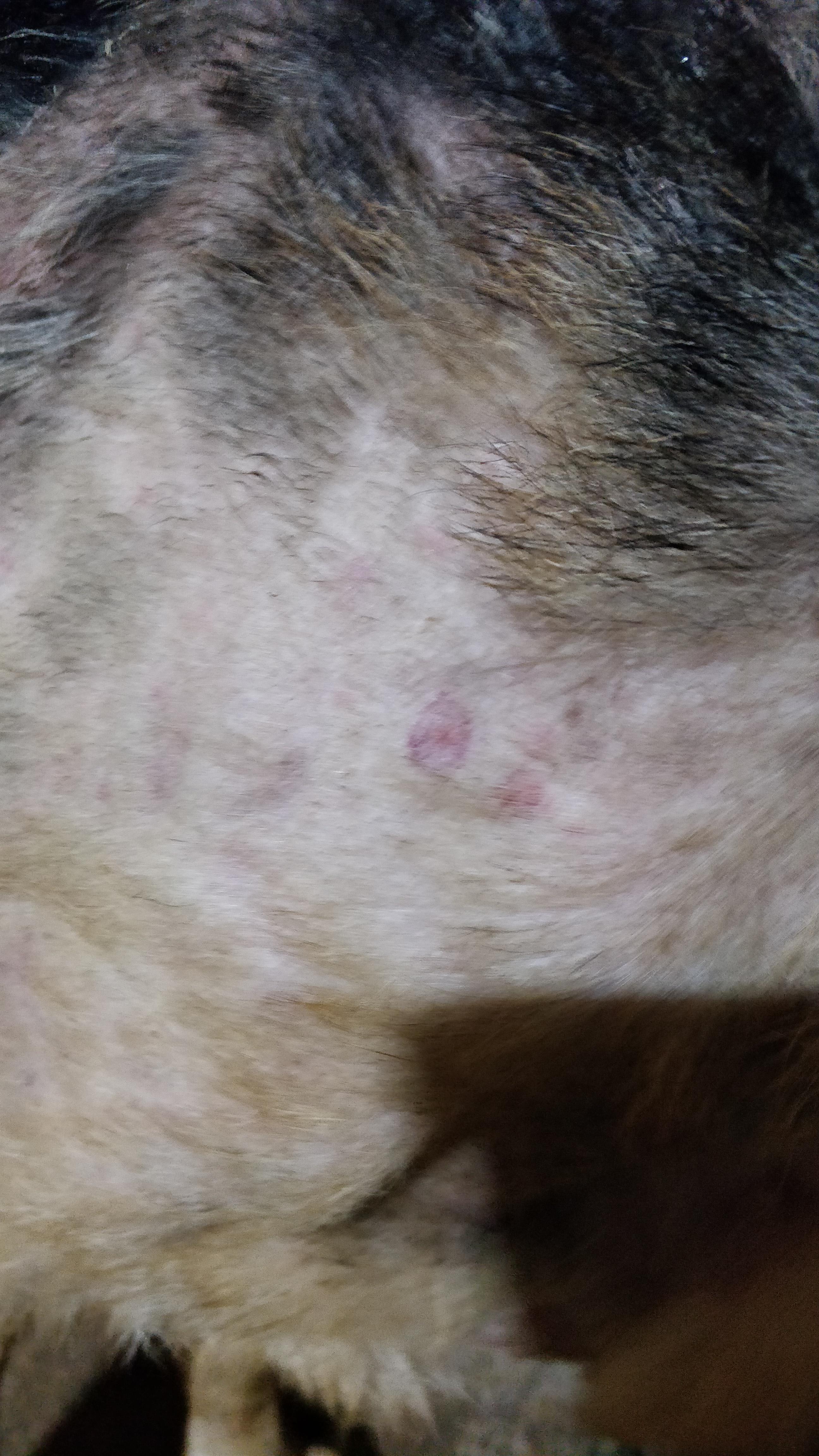
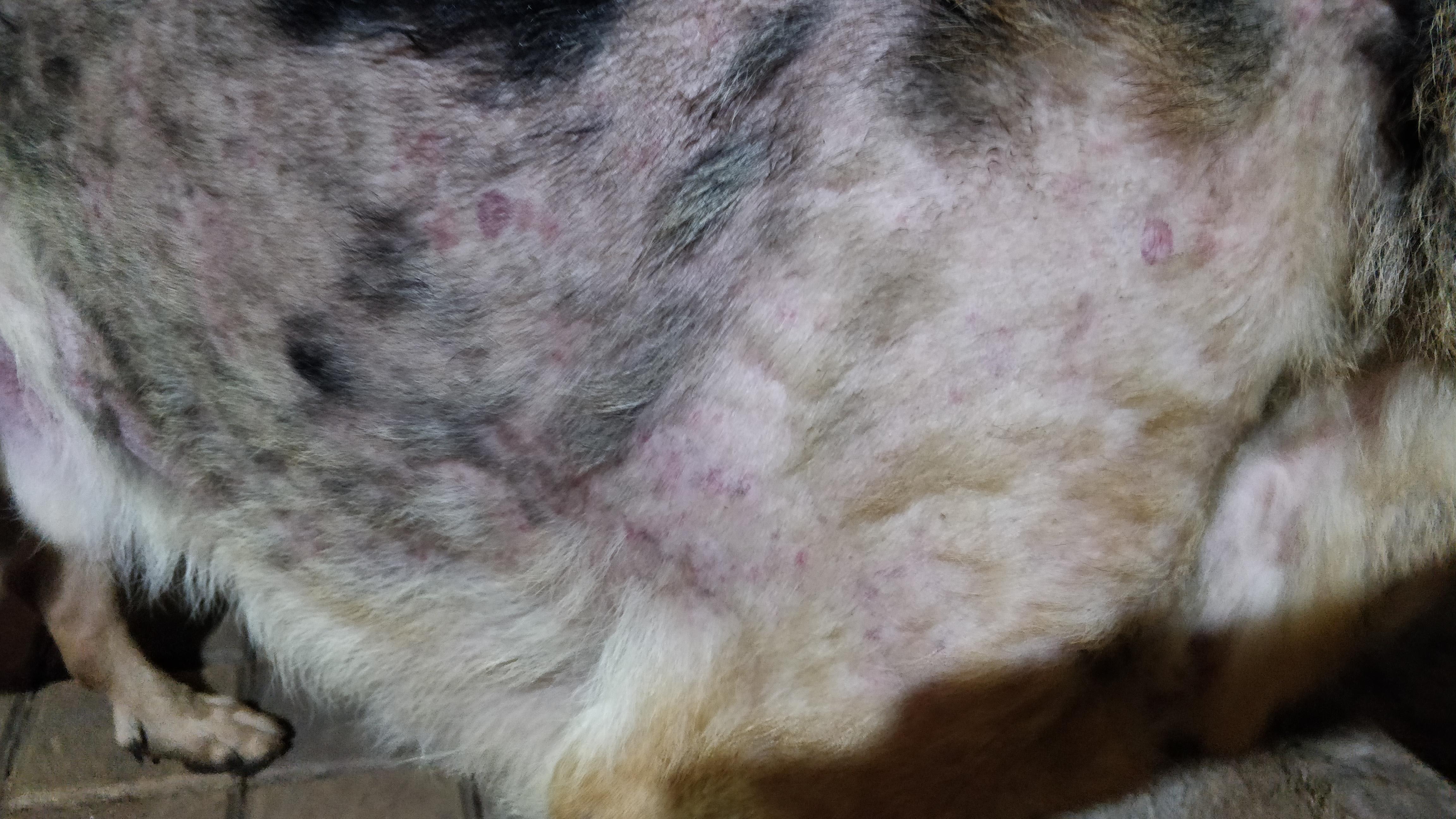
Hi, my dog has been suffering from a skin allergy for a very long time now. We have consulted almost all the vets in our city but nobody is able to solve this problem. Please help me


5 Answers
Most Helpful Answer

Published on December 2nd, 2019
Chronic skin allergies can be related several things including allergies to fleas, skin mites, allergies to something in the environment, food allergy or endocrine disease. Each one of these problems is detected and addressed differently and I recommend to discuss with your veterinarian which one to start hunting down first. Parasites are often ruled out with an oral medication like Simparica. Food allergy is best ruled out with a diet trial using a hydrolyzed protein. Endocrine diseases are detected with blood work. Environmental allergies are a little more difficult to detect but a response to therapy or a blood test can give an indication. Once you figure out and address the underlying cause, the lesions should not come back. There are a couple things you can do at home and they can help but they may not address the underlying cause. You can try adding in an omega 3 fatty acid supplement for dogs, this can help improve the skin health. You may also try changing his diet to something like Royal Canin or Nutro as they are aimed at skin health. Also protect the area from trauma by having Simba wear an elizabethan collar at all times. I hope this helps and please feel free to post any additional questions.

1Pet Parents found this answer helpful
Related Answers from Veterinarians
-
Published on November 3rd, 2018
Skin allergies are difficult to get rid off in dogs, when a dog is constantly suffering from skin allergies and the source of the allergy cannot be found i usually recommend putting him on allergy treatment such as Apoquel or Cytopoint- both of them very effective for skin allergies (both of them prescrition only).
1Pet Parents found this answer helpful
-
Published on December 30th, 2019
Poor Black Jack! Persistent skin lesions could be several things including allergies to fleas, allergies to something in the environment, food allergy or endocrine disease. Each one of these problems is detected and addressed differently and I recommend to discuss with your veterinarian which one to start hunting down first. Parasites are often ruled out with an oral medication like Simparica. Food allergy is best ruled out with a diet trial using a hydrolyzed protein. Endocrine diseases are detected with blood work. Environmental allergies are a little more difficult to detect but a response to therapy or a blood test can give an indication. Once you figure out and address the underlying cause, the lesions should not come back. There are a couple things you can do at home and they can help but they may not address the underlying cause. You can try adding in an omega 3 fatty acid supplement for dogs, this can help improve the skin health. You may also try changing his diet to something like Royal Canin or Nutro as they are aimed at skin health. Also protect the area from trauma by having Black Jack wear an elizabethan collar at all times. I hope this helps and please feel free to post any additional questions.
1Pet Parents found this answer helpful
-
Published on October 18th, 2017
Biting and Scratching can be caused by various reasons such as fleas, mites ,fungal infection, bacterial infection and allergies. the first 4 needs to be ruled out before we start treating for allergies. in order to do that first de-flea Cola with a high quality flea treatment such as advantage spot on ( i do not recommend flea baths as they are not effective) , if it doesn't help - take her to the vet in order to check for/treat the other possibilities. If everything is ruled out, then an allergy treatment can be started. Usually an hypoallergenic food is a good way to start together with anti histamines. if it doesn't help - the best solution is a medication called Apoquel which treats allergies with great success and without side effects.
1Pet Parents found this answer helpful
-
Published on August 26th, 2017
Ouch, poor Suede! If Apoquel and/or cytopoint have helped in the past, that helps confirm that Suede's underlying problem is likely allergies, and the skin infections are likely secondary to the allergies. Allergies can be either environmental or food-related, so one thing you could try to manage his allergy symptoms would be a prescription hydrolyzed diet in case this is related to an ingredient (or combination of ingredients) in his food. Keep in mind, however, that most allergies are environmental rather than food, and many dogs with food allergies have environmental allergies in addition! The other thing you can consider is skin testing followed by hyposensitization serum injections. These are injections created based on the results of a skin allergy test (usually performed by a dermatologist) that are given with the goal of "teaching" the immune system to tolerate those allergens and stop overreacting. It can greatly help many allergy dogs! It can be expensive, however, and I always warn my clients that while it can completely cure some dogs, it is more common that it *helps* - but the dog still needs some medical intervention to stay comfortable and avoid the secondary infection issue. Usually it allows a lower dose of allergy meds, or shortens the season that they're needed. Those are probably your two best options if you want to try to decrease the amount of medication Suede requires. Unfortunately, if you aren't providing some sort of therapy to manage the allergies themselves (whether it's Apoquel, Cytopoint, or some other medication, usually given in addition to hypoallergenic food and/or allergy hyposensitization injections), it will likely be a constant battle against skin infections. If you are not happy with Suede's response to therapy thus far, or want to dig deeper into your options, I strongly recommend having a consultation appointment with a veterinary dermatologist. They will be able to ensure Suede is being treated appropriately and that all other possible sources of itching and skin infections (such as flea hypersensitivity, skin mites, etc) have been ruled out. Hope this helps.
1Pet Parents found this answer helpful



My fur baby has had a skin condition..it's now bothering her tummy..Ive done some things to sooth her..can you help me with what's wrong? Thankyou
Hi I’m curious what these red bumps are or what they could be from? I noticed them again after I gave him a bath with very mild and natural shampoo. I also changed his food a few months ago and have seen these bumps for a long time but they recently

Hi my dog is a Newfoundland and he has allergy’s very bad on his skin and a lot of hair lost.I bring him to the Vet and thy keep giving me antibiotics.and pink pills but it doesn’t cure him there has to be something else I can do for him.I now he is

Hi, my dog who is 3 years old has no fleas but itches so bad I always see her scratching. I tried giving her a bath in baking soda and oatmeal. It didnt work and still itches.
I have a 3 year old miniature schnauzer and she has had skin allergy for 5 months now, my vet is not able to control it. She used to have pinkish skin and now she has a white spot on the side and several black spots.... I need help! What can I do to

My dog has a few puss filled red bloody bumps on the sides of her body. Along with a ton of textured bumpy skin. It is making her look unhealthy and I am worried. The vet has tried at least 5 different types of medicine but nothing completely fixes t
My dachshund has had this skin allergy for over 6 months. He constantly licks bites and scratches his paws legs belly ears and face. He has these black specks that appear to be tar like that come out of the hair follicle. Some on belly look like bla
I have a 3 yr old female bloodhound with terrible skin issues. Tried grain free dry food but no improvement. She has Avery smelly neck and she scratches and licks her fur all day long. We have tried grain free, grain included and hypoallergenic dry f

My dog max has been treated for his skin scabbing up several times with pharmaVeb, Benadryl, Gensvet but nothing seems to work. This is make him get ball spots.

My 3 year old dog has allergies but recently started losing a lot of fur and it's got really thin in places. This hasn't happened before. We've tried oat baths and piriton but it's not really helping. Any ideas to what could be causing this. Shes up

Book an appointment with the pros – our expert vets are here to help.
