


Why is my chameleon turning dull grey and black? Is he sick?
Updated On September 23rd, 2025
My 2 year old pantheon chameleon started losing colour on his head about two weeks ago. This has now spread around his whole body so he is very dull grey and black for the last few weeks. He has a 4/5 ft high tank, with heat lamp and uv lamp, he has crickets daily and calcium and D3 too. He’s eating and drinking fine, he’s been in the sun and had vitamin supplements to try and help. He still remains very dull apart from one patch on his body. I’ve attached two pics of him now and one of him befo


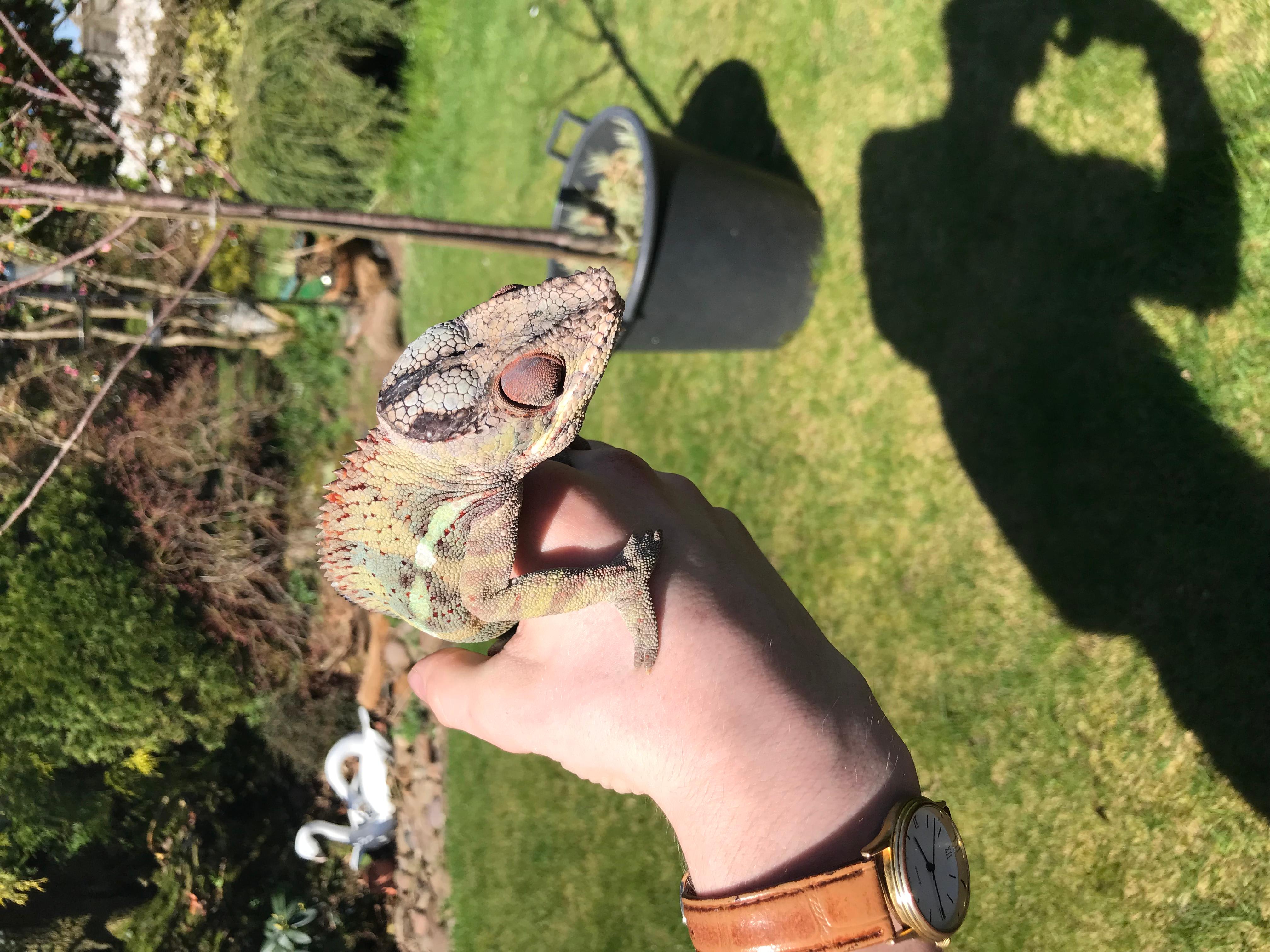
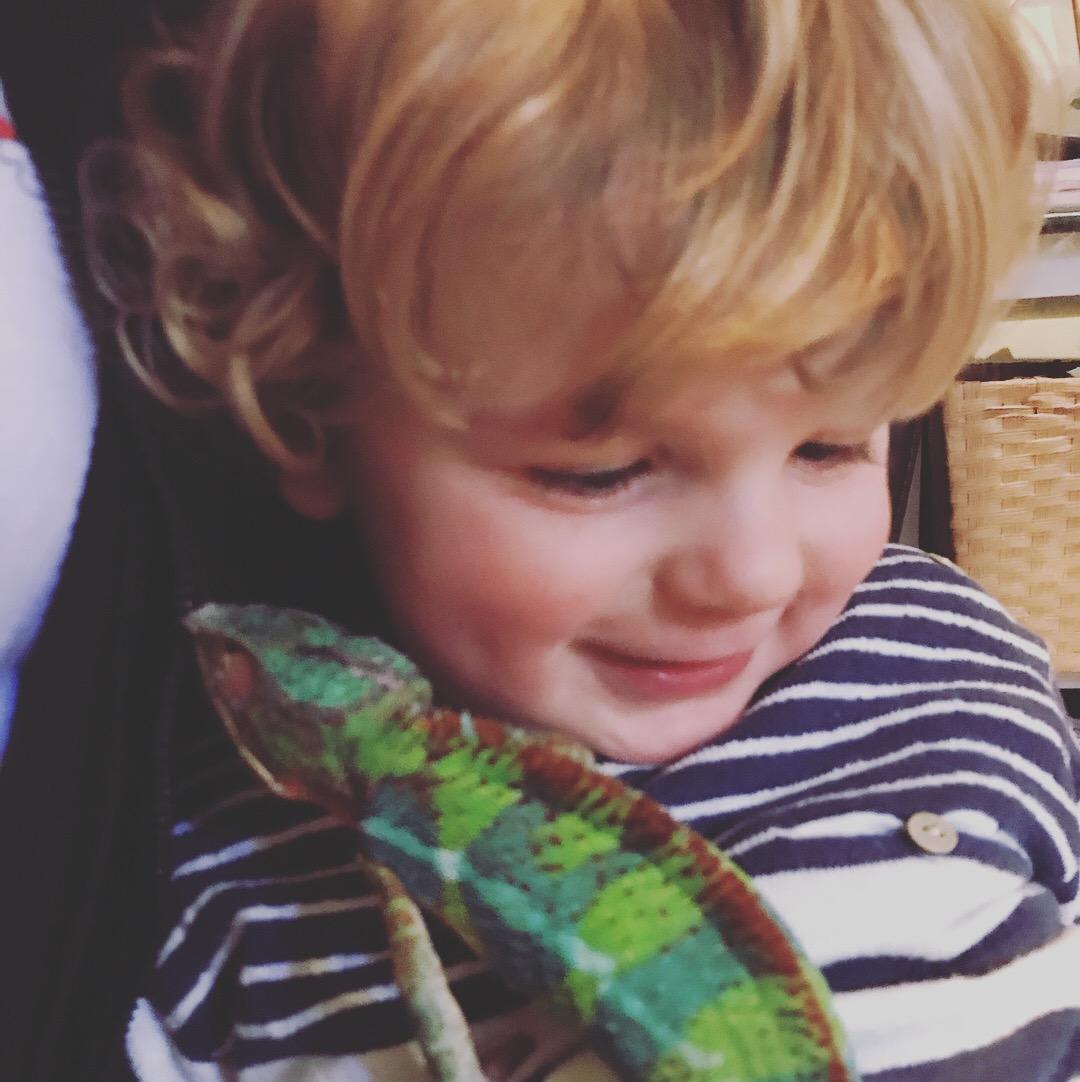
4 Answers
Most Helpful Answer

Published on April 19th, 2018
Are you sure he isn't going into a shedding period? Confirm proper environmental parameters, especially heat and UVB lighting. Low temps may cause stress which could cause him to become dull. Replace the UVB lights if older than 6 months. Mist him daily and use hygrometers in his enclosure to confirm proper humidity levels. Monitor for lethargy or decreased appetite. If necessary, have him examined by your veterinarian or a vet experienced in treating reptiles to diagnose illness or injury.

1Pet Parents found this answer helpful
Related Answers from Veterinarians
-
Published on March 1st, 2019
Check the temperatures in the enclosure. Low temps can affect appetite in reptiles. Soak him in a warm 50/50 solution of water and unflavored PediaLyte for 20-30 minutes every few days. This will provide warmth and hydration. Offer appropriately sized prey after he is warmed up. You can supplement with Fluker's Repta-Boost. Look in around his mouth for any symptoms of illness or injury. This may include redness, swelling, discharge or bleeding. See your veterinarian or a vet experienced in treating reptiles if you see anything suspicious or if he doesn't begin eating.
1Pet Parents found this answer helpful
-
Published on January 12th, 2020
Check the temperature in the enclosure. Low temps can affect appetite and activity in reptiles. Soak or mist him with a warm 50/50 solution of water and unflavored PediaLyte. Look in and around his mouth for any signs of infection or injury. This may include redness, swelling, discharge or bleeding. See your veterinarian or a vet experienced in treating reptiles for an exam if you see anything suspicious. Likewise, if symptoms persist or worsen, see your veterinarian. Unfortunately, the symptoms described are non specific with multiple potential causes.
1Pet Parents found this answer helpful
-
Published on June 11th, 2017
He may be stressed at the change in environment. You'll first need to determine what negative stimuli, if any, are present. The enclosure should be in a low traffic area away from drafts, loud noises or direct sunlight. If he's in front of a window, make sure he can move out or the light whenever he wants. Check environmental parameters as well. Low temps, insufficient lighting or improper humidity levels can result in stress. Feed appropriately sized prey. N bigger than the space between his eyes. Gut load them for 24 hours prior to offering to maximize nutritional value. Soak or mist him with a warm 50/50 solution of water and unflavored PediaLyte to prevent or treat mild dehydration. As a new pet, consider having him examined by your veterinarian or a vet experienced in treating reptiles to confirm good health or to treat any pre existing conditions.
1Pet Parents found this answer helpful


Is my chameleon sick?! I came home last night and it was super bright and nice, then when I woke up this morning he's been extremely dark and he hasn't moved from the top of the cage since we got him (June 7th), he also hadn't eaten in two days, I tr
My chameleon is very lethargic, showing signs of dehydration, even after having water, and is refusing food.
My veiled chameleon stopped eating, is getting very lethargic. Is approx 1 yr old. Feed her crickets with sprinkled vitamins and wax worms since I've had her. Keep a daylight on her and a red heat light at night. She's pretty cranky! Also have a
Why my chamaleo take the yellow color
Is my chameleon sick he has a big white spot on his horn. He is missing nails on one foot and is always a darker color. My chameleon is less than a year old and has been missing nails sinse I got him but only recently has been the dark colored and ha
My 16 month old female veiled chameleon seems sick and I don't know what to do
I have a few month old veiled chameleon who went through its first big shed about a month ago. It stopped eating for the shed as is normal but a month later and he still hasn't eaten. Hes withering away and I don't know what to do.
I’m watching a friend’s chameleon while they are on vacation. I’m concerned about her (chameleon), I’ve never seen her like this. I’m attaching photos. I just want to know if there is something I should be doing. I read about egg bound and Metabolic
My chameleon was acting slow and not opening her eyes for a while
My veiled chemleon won’t eat , move , drink I’m am very worried about his health please let me know what I could do to help him .

Book an appointment with the pros – our expert vets are here to help.
