


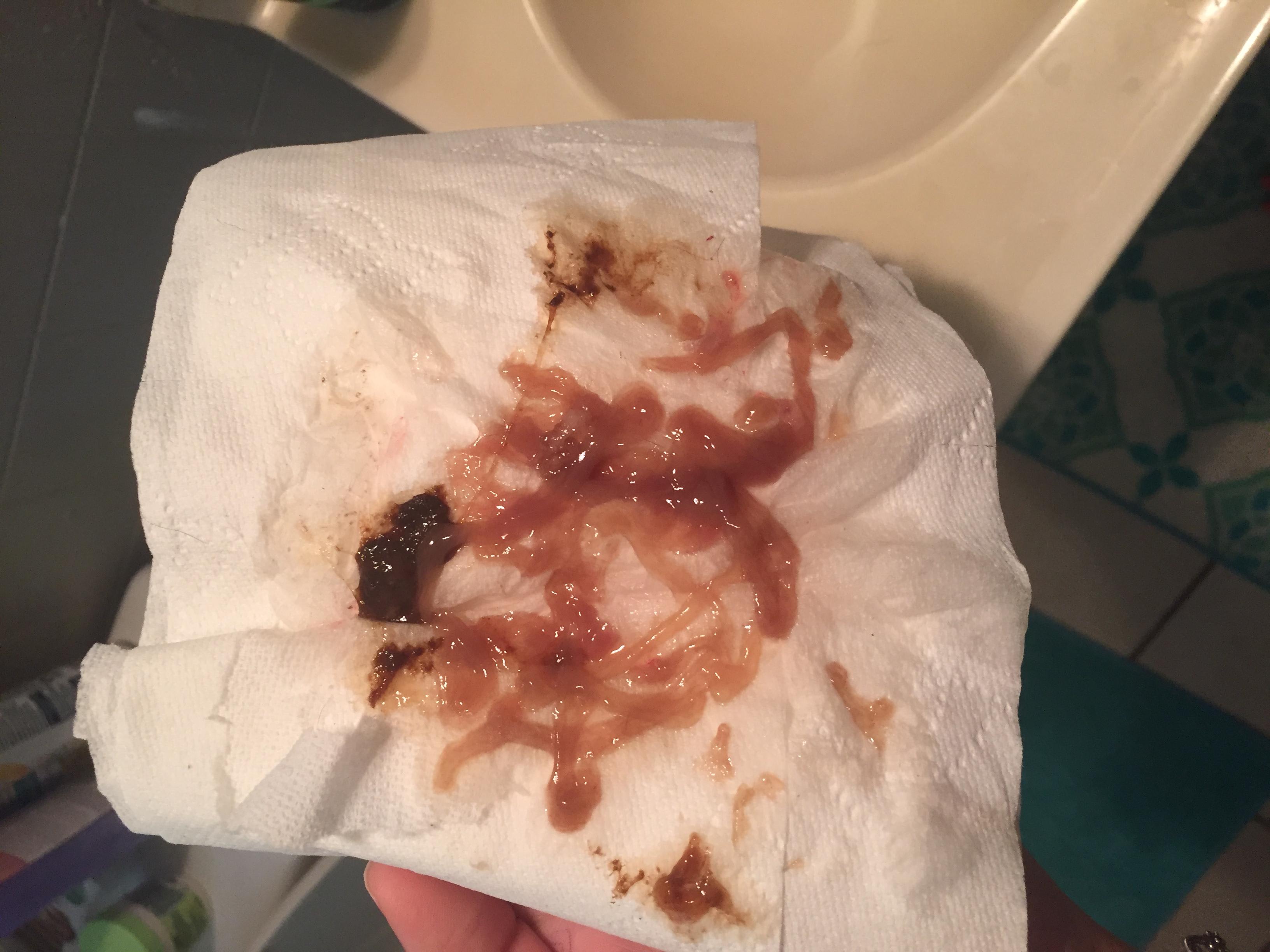
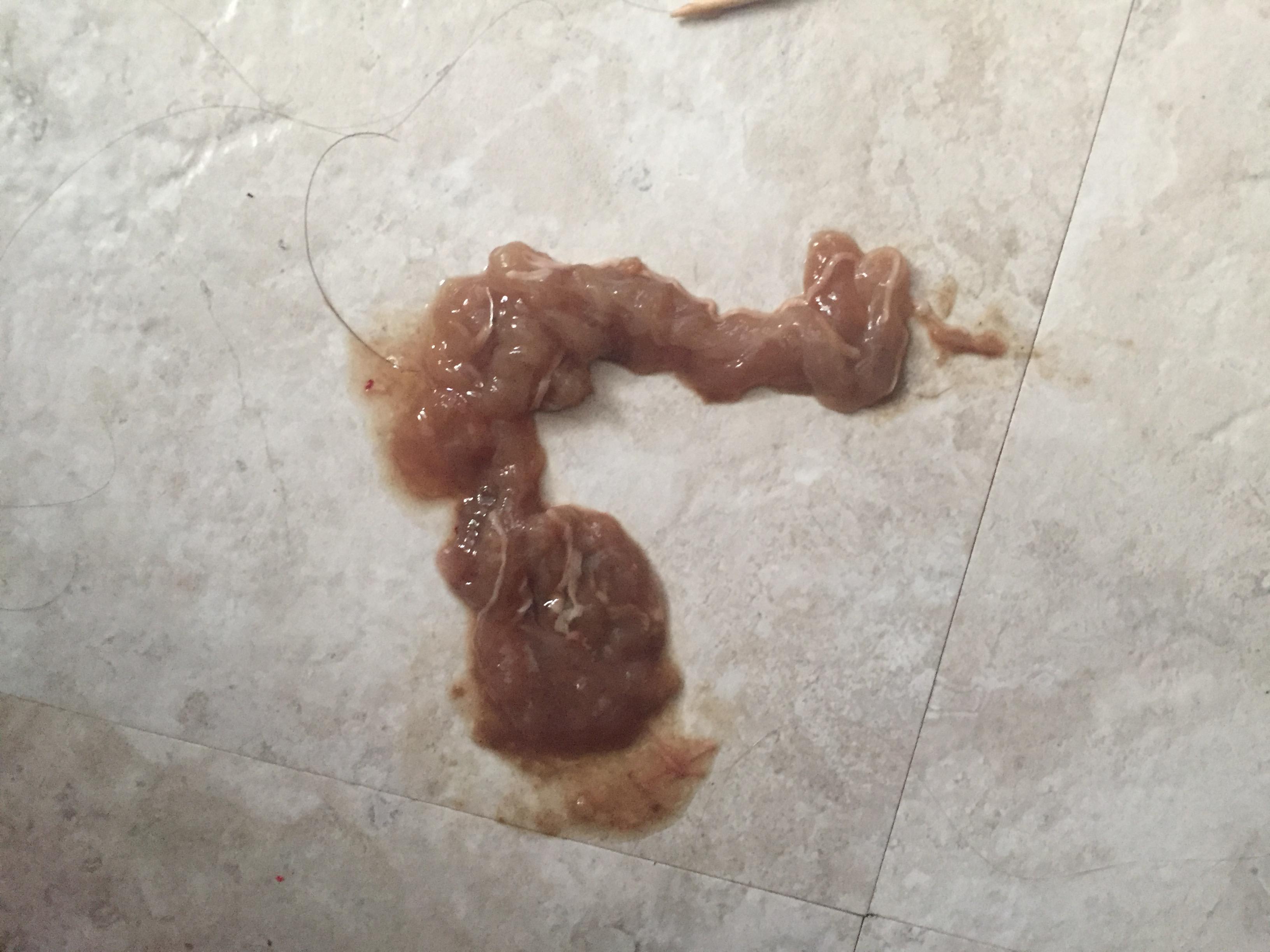
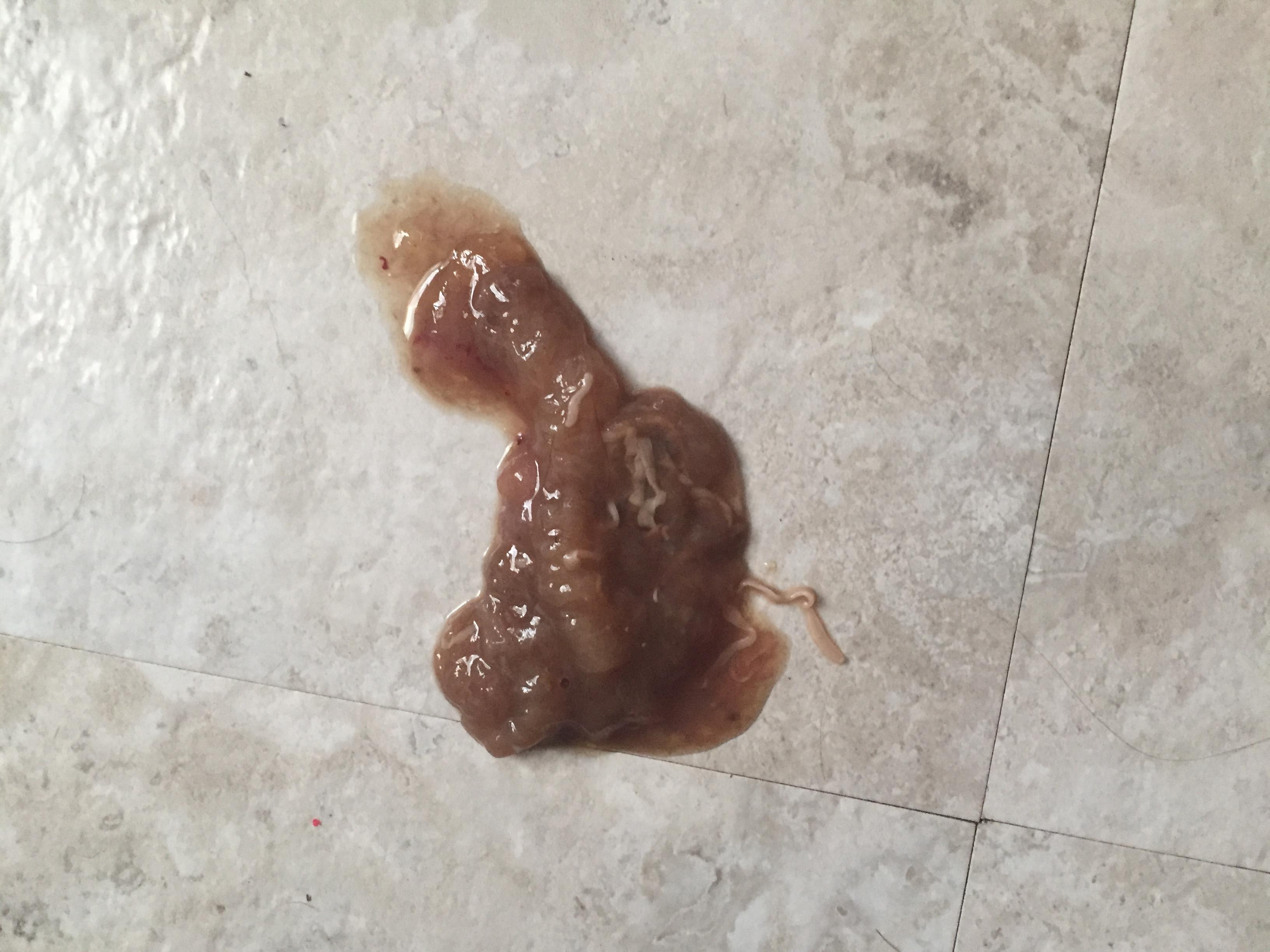
My dog's poop is slimy, orange, and watery. Should I be worried?
Updated On September 23rd, 2025
Pet's info: Dog | Mixed Breed Small (up to 22lb) | Female | unspayed
why is my dogs poop so slimy, and orange, and watery?


5 Answers
Most Helpful Answer

Published on August 10th, 2019
Hi, and thanks for your question. These signs could be compatible with an inflammation infection of the gastrointestinal system and surrounding organs (like pancreas and liver). A clinical examination at your local veterinarian is immediately essential to confirm these clinical suspicions and treat appropriately. Antibiotics and possibly further investigations (like abdominal imaging as ultrasound or radiographs) may be needed. Hope this answer was helpful, but please do not hesitate to contact us again on the forum or by requesting a consultation if you have any more questions or to discuss it any further. If this answer was helpful please let us know, this will be used to improve our service!

2Pet Parents found this answer helpful
Related Answers from Veterinarians
-
Published on
This looks mostly like the mucus that lines the GI tract, which is caused by significant inflammation. I would recommend having Macy examined by a vet to determine why this is occurring, it could be a bacterial or viral infection, HGE, pancreatitis, IBD, colitis, etc.
2Pet Parents found this answer helpful
-
Published on February 25th, 2023
Hi and thanks for your request. These signs are likely caused by a colitis, caused by dietary indiscretion and dysbiosis. Usually the combination between a probiotic (canine fortiflora or similar ones) and a bland diet like boiled chicken and rice is beneficial. I would recommend Three-four days of this regime and then switch back to normal diet gradually.
1Pet Parents found this answer helpful
-
Published on July 6th, 2017
That looks like mucus which can happen when dogs have diarrhea due to colitis (which can have many causes). I recommend feeding Button a bland diet of boiled chicken, hamburger, or turkey and rice for a couple days to see if it resolves. If it doesn't I recommend taking Button to the veterinarian. She may have intestinal parasites, dysbiosis, or some other condition that requires medical treatment.
1Pet Parents found this answer helpful
-
Published on December 2nd, 2018
This means that something in the colon or rectum maybe irritating the lining and the mucus-producing cells start producing more mucus (to lubricate the gut) than necessary. Parasites such as whipworms, tapeworms, and other intestinal parasites can also cause mucus in the stool. It may be a good idea to take a fresh stool sample to your vet for a fecal test.
1Pet Parents found this answer helpful


My dog has recently got over some digestive issues that started 12/22. We changed his food & he has been doing pretty well (gained his lost weight back), but he is often VERY hungry & has 5-6 bowel movements a day. Recently they have become quite lig
My dog has diarrhea now for 3 days and I'm starting to get a little worried. When she defecated it is like a yellow water, and it's not a lot either. She had vomited I guess 3 times yesterday, but no vomit today.
My dog is sick. He has been acting weird. He has been throwing up and pooping alot. It's looks like he is throwing up his food with spit. He also just sits in the corner of his cage. At times he is active like usual but at other times not. When he is
Haley is a 3 year old German Shepherd. She weighs about 35-40 pounds. She has recently been losing weight and has anorexia; You can see her ribs, spine and hip bones. We just had a pancreatitis test done and it came back negative. The vet has put her

Stool was liquid previous day(2time), .today is 2time(1st time liquid, 2nd time semiliquid) .. Deworming is not done from last 4months. Playfull, ate dood today. Previous day she did no eat .. What should i do ?!
He has not eating food properly. Sleeping all day and have a little foam and smell in his mouth. Is it due to 46 degree Celsius temperature in my city . He have red stool yesterday and yellow stool today.

My two puppies got sick with a bacterial infection (just an assumption, can't go to the veterinarian), but the first puppy who was contaminated pulled through. The second one, however, is doing worse and worse by the day. He barely moves at all, and
My dog has had runny diarrhea since yesterday, and she vomited after she ate dinner tonight (white rice). Should I take her to the vet tomorrow?
She has diarrhea with jelly like red blood and was vomiting as well
Dog is not eating since yesterday night, pukes everything out if eats even water, urine is dark yellow and there was a trace of blood in her poop. She's 9 months old. Also she sheds her skin, for which medications are given.

Book an appointment with the pros – our expert vets are here to help.
