


What should I do if my 3-month-old puppy has parvo? Home care tips?
Updated On September 23rd, 2025
Pet's info: Dog | Mixed Breed Small (up to 22lb) | Female | 6 lbs
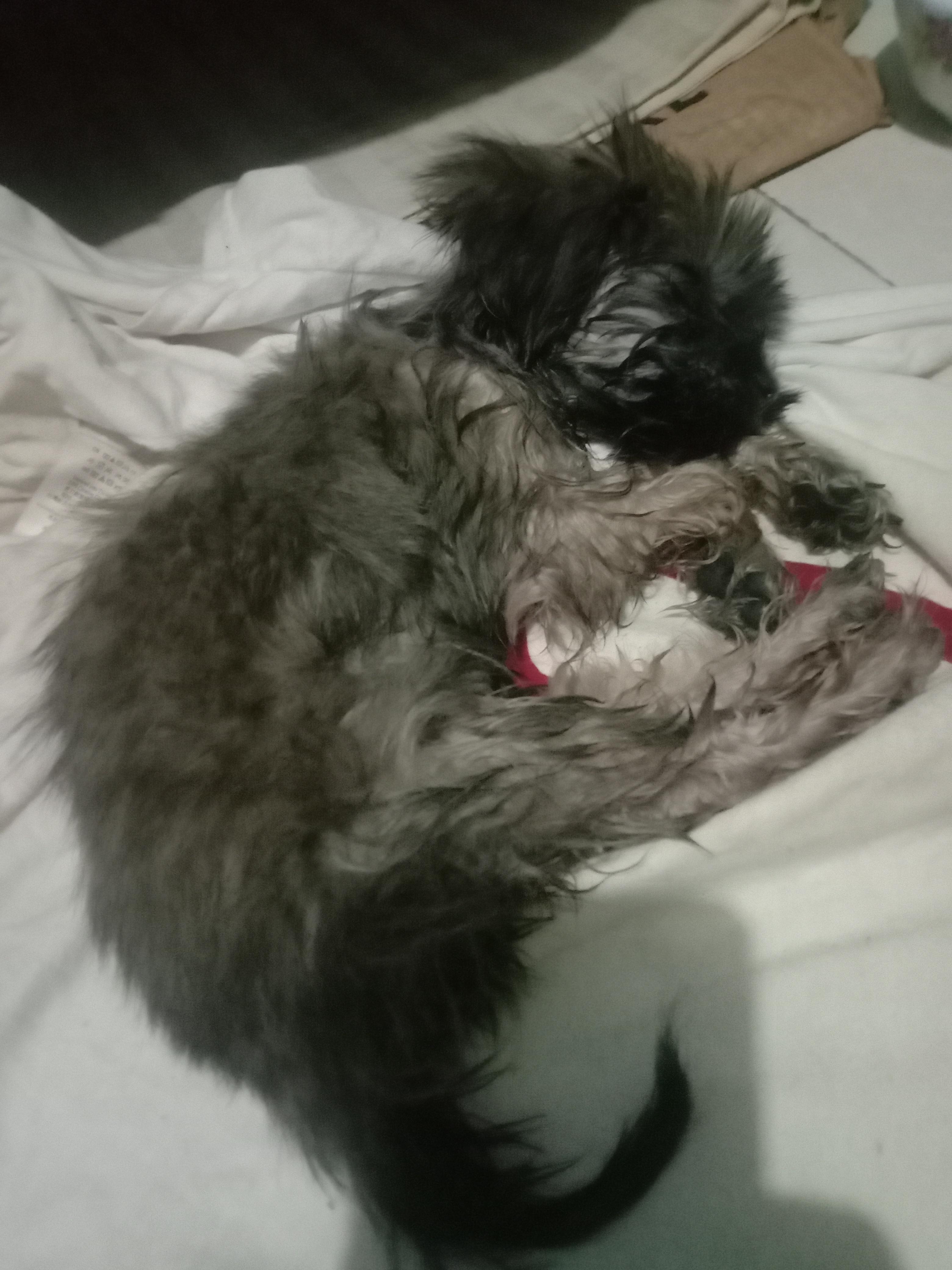
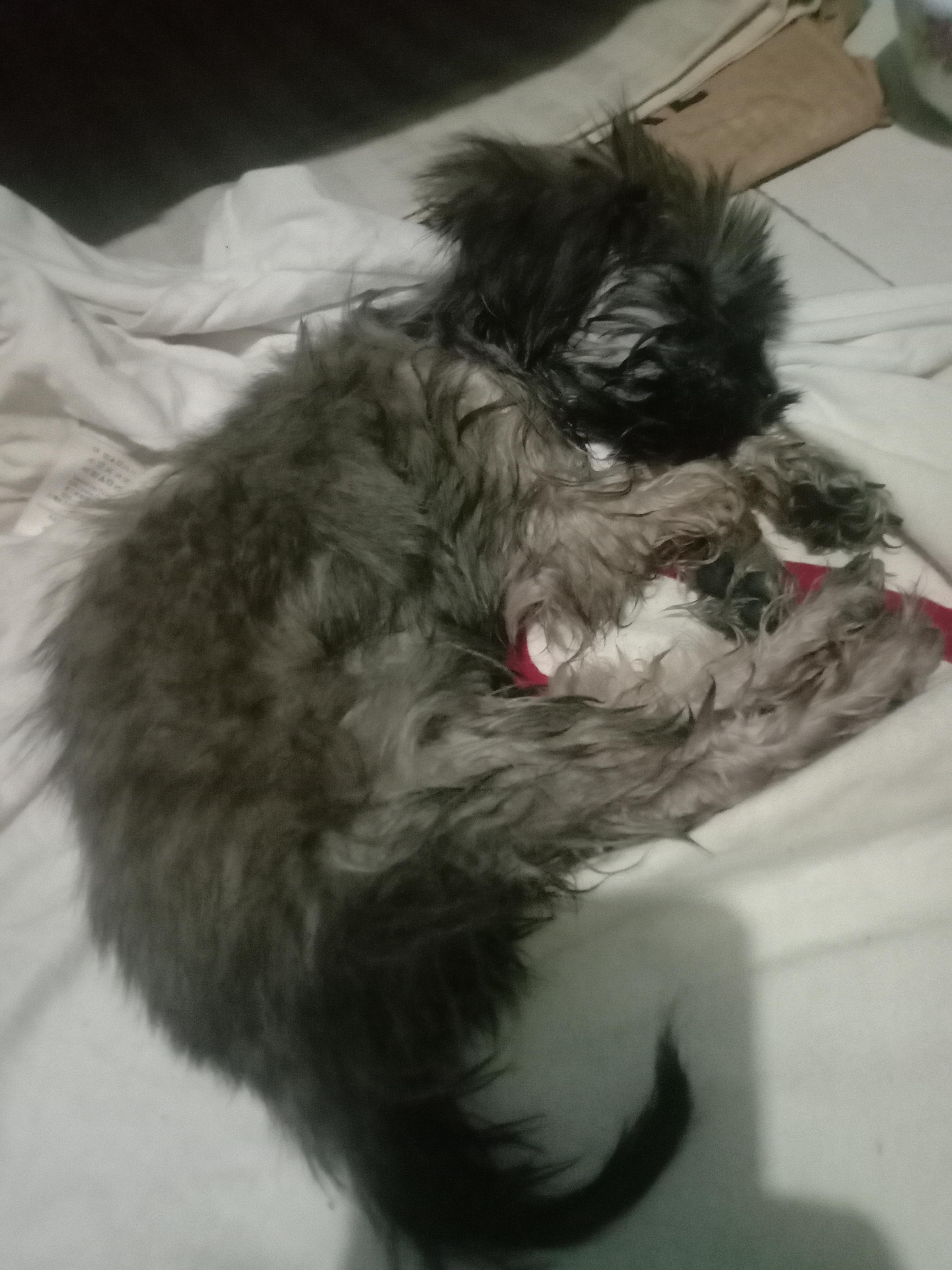
Thanks in advance to someone who can answer this. I will take my chances. What are the home remedies of treating parvo virus on my 3 months old puppy, Maze. Please help me.


4 Answers
Most Helpful Answer

Published on June 12th, 2019
All you can do is supportive care meaning trying to give her fluids (something like children's Pedialyte) and small amounts of food (like human baby food, meat flavors). Do tiny amounts every hour or two. Hopefully she will be able to keep it down. The reason they need to be in the hospital on IVs is because they vomit up everything you try to give them by mouth. Keep her warm and comfortable. I really don't think people understand the seriousness of this disease. This disease (that is absolutely preventable with proper vaccinations) kills their intestinal cells and then depletes their white blood cells so they cannot fight the virus (among other terrible things this virus does). She should really be hospitalized with intravenous fluids, intravenous antibiotics, anti-nausea medications, pain medications and trickle feeding. Often times a plasma transfusion is needed to replace all the lost white blood cells. If you want to give her the best chance at survival then you need to get her to a vet for hospitalization. If finances are a concern I would have tried to direct you to a low cost clinic but since you did not provide your correct zip code I am unable to do so. I suggest you do your own research on the internet. Sorry, but this disease is not easily treated at home. You can try the above but that is about all you can do from home. If you would like to post again with your proper location then maybe we can direct you to a clinic or organization that can help you.

1Pet Parents found this answer helpful
Related Answers from Veterinarians
-
Published on June 13th, 2017
Oh no, poor Bailey! He needs medications which include antibiotics (injectable Cefazolin or Ampicillin if he isn't eating), anti-nausea medication (i.e Cerenia or Metoclopramide), and nutritional support (Nutri-cal, available over the counter perhaps at your local pet store). As long as he is getting fluid therapy, he is getting much needed electrolytes which is greatly beneficial towards his improvement because dehydration is the number one cause of death in these pets. You can also offer him small amounts of Pediasure using a syringe or small turkey baster. I hope this helps and he recovers!
1Pet Parents found this answer helpful
-
Published on February 24th, 2017
Oh my. I am so sorry your pet Harley has been infected with this very deadly disease. She needs proper treatment if he is going to be given the best opportunity to survive this. The main killer of this disease is dehydration, so continuing the fluid therapy at home (via subcutaneous fluids) is the #1 focus of treatment. Ask the vet if you can purchase an entire bag of saline to continue giving her and get the proper training on how to administer this. The second most important treatment is antibiotics and anti-vomit medication. You should get these in injectable form, to prevent vomiting of the medication right back up. Your vet can administer these injections to your pet on a daily basis via appt, if you cannot afford to hospitalize Harley. I have done this lots of times with pets and have managed to help them survive parvovirus. Tamiful (antiviral) is optional and I have not seen a drastic improvement with survival rate when using this oral medication. And also trying to give Harley small amounts of a bland diet (when tolerated) is crucial to quick recovery time. Even a liquid diet of Pediasure or low sodium chicken broth can be given. You can also try Pedialyte (if tolerated) but the subcutaneous fluids are far superior and will stay in the pets body, as opposed to oral Pedialyte which can be vomited back up, leading to increased dehydration. I wish your pup the best and hope she makes a full recovery.
1Pet Parents found this answer helpful
-
Published on June 13th, 2017
I'm sorry to hear about Bailey being sick. In addition to what your veterinarian has prescribed you can talk to them about antibiotics as well as anti-nausea medication. Even though this is a viral infection puppies often get secondary bacterial infections which is why we usually use antibiotics. They also tend to get very nauseous from this infection which is why I recommend talking to your veterinarian about an anti-nausea medication. You also need to keep Bailey warm and dry which may mean frequent bathing from the diarrhea. You can sometimes apply anointment like Desitin if his rear area starts to get raw from the diarrhea. I would offer anything Bailey is willing to eat and that may include warmed puppy food or even white rice and bland chicken. However if Bailey is vomiting and unable to hold down food and water he is likely to get dehydrated very quickly with his small size. If he starts to act weak you may try applying Karo syrup to his gums as weakness can be a sign of low blood sugar. I have had cases a parvo that do survive with at home care. So this is not a hopeless situation but it will require frequent nursing care on your part as well as constant communication with your veterinarian.
1Pet Parents found this answer helpful


Please what treatment should i give a parvovirus patient dog..

Hello! Our 3months old fur baby is suffering from parvo. Any advise from your side on how we can help him recover? Already give him a watered dextrose plus medicines which was advise by our vet. Pls advise. Thanks

My puppy tested positive for Parvovirus and it’s been 5 days he has been fighting the disease.i have be giving him hydralyte.What else should I do to treat him as the vet told me there is nothing they can do about it? :(
What can i do if my dog has parvo and i cant afford to take him to the vet?
My 3-months-old puppy was diagnosed with CPV-2 just today. It wasn't active and it left from where we have it with two other dogs and went under a tree. The temperature here is rising day by day and during midday it is around 30°C (86 F). It still ha
I took my 3 month old puppy to the animal hospital last night they ran some test and came back positive with parvo. They gave him some medication at the hospital and some IV. My pup is feeling some what better is still not wanting to eat or really ta
I am not able to take parvovirus infected puppy to any hospital, how to treat, like home remedy at this stage?
Have 3 month old puppy believed to have parvo what can I do to help her till I get her to vet in the morning
My puppy is very sick and has parvo is there a way I can save her
A stray dog having parvovirus, what's the most effective treatment at later stage, like symptoms and weight loss reaches extreme.
Book an appointment with the pros – our expert vets are here to help.
