


Why does my cat have a wet, pink bald spot on his back and what to do?
Updated On September 23rd, 2025
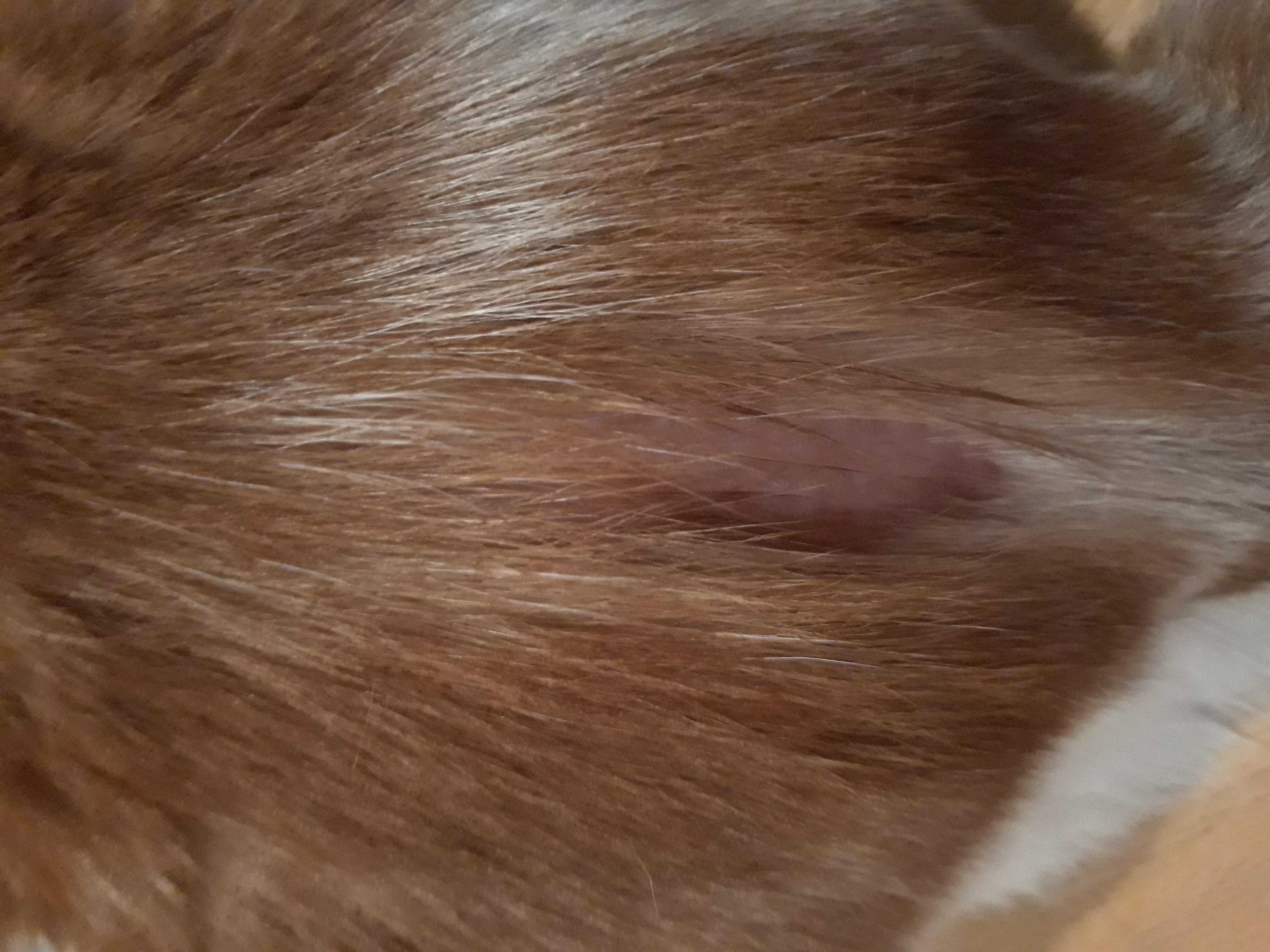
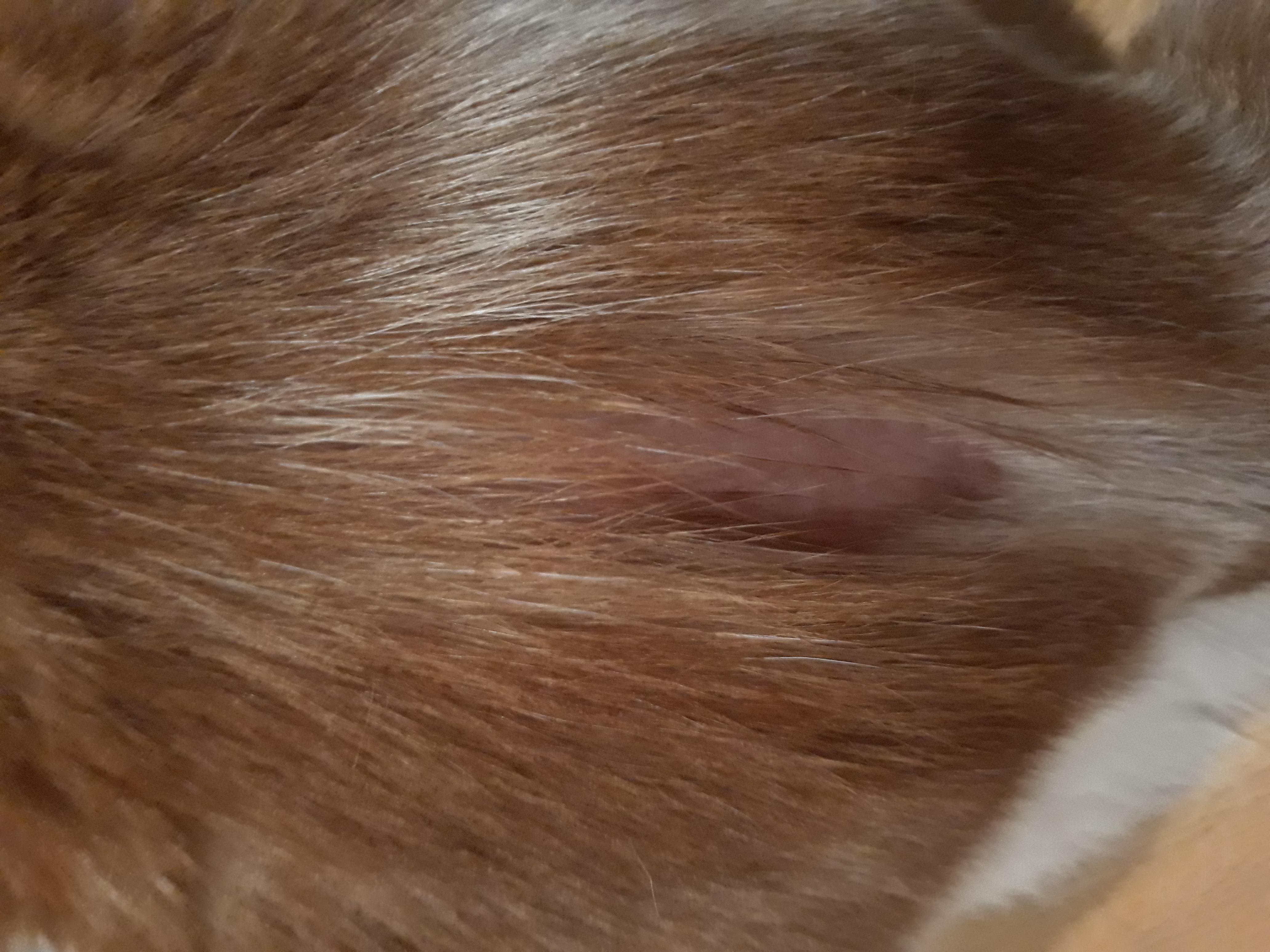
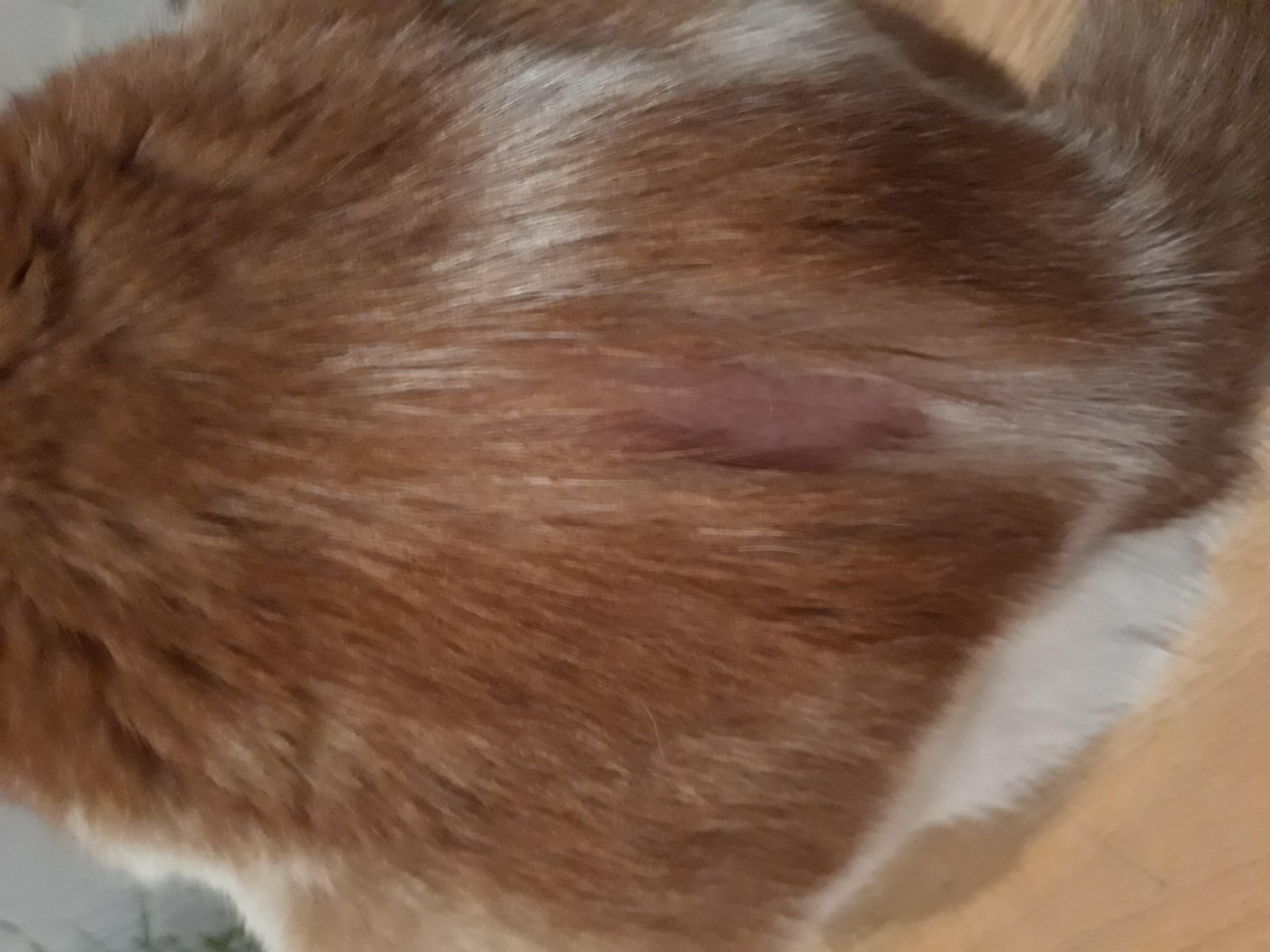
My 9 -year-old domestic short hair male Cat has a bald sport around 3 inches long on his back . The skin lesion is wet and in pink . I haven't noticed this until yesterday . What's wrong with him? Thanks


1 Answer
Most Helpful Answer

Published on May 11th, 2019
Your cat has groomed this spot until is raw. The area is classic for flea allergies to appear. Skin problems can have a variety of causes, sometimes more than one. Allergies, parasites, bacterial or fungal infections, even contact with some surfaces or substances will cause itching, rash and/or hair loss. It is important to have the problem checked by your vet to determine if there is a medical cause for your pet’s skin issues and treat accordingly. In pets of all ages, fleas, food allergies and exposure to chemical irritants such as cleaners and soaps can be a cause. Any one of these may not be enough to trigger the breakouts, depending on how sensitive your pet is, but a combination can be enough to start the itch-scratch cycle. Finding out the cause and eliminating it is the best course of action. With flea allergies, if your pet is sensitive enough, a single bite can cause them to break out scratch enough to tear their skin. Check for fleas with a flea comb. Look for fleas and/or tiny black granules, like coarse black pepper. This is flea feces, consisting of digested, dried blood. You may find tiny white particles, like salt, which are the flea eggs. Applying a good topical monthly flea treatment and aggressively treating your house and yard will help break the flea life cycle. If you use plastic bowls, this is a possible cause for hair loss, though this tends to be on the chin, where their skin touches the bowl while they eat. If you suspect this to be the culprit, try changing the bowls to glass, metal or ceramic. Food allergies are often caused by sensitivity to a protein in the food. Hill's Science Diet offers some non-prescription options for sensitive skin as well as prescription hypoallergenic foods for more severe cases. Royal Canin carries limited protein diets that may also offer some relief. Your vet can recommend a specific diet that will help. If there is no relief or not enough, consider getting your pet checked by a veterinary dermatologist and having allergy testing done.

1Pet Parents found this answer helpful
Hi, my outdoor cat came home tonight and I noticed a bold spot of around 3cm in diameter on his back. The skin seems to be fine, not infected, red, dry, itchy or scaly. He is not bothered about it, doesn't lick, he is behaving as normal, no lethargy
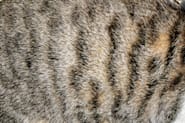
Why Is my 14 year old cat always pulling out her hair. She has got lots of bald spots because of it. Is it a medical reason or something else

My cat is developing bald spots on his inner front legs and on his right hip he has a huge spot where the hair is noticeably shorter than the rest.
My cat has skin problem and hair fall and Ithing..that black spots are pinkish in color first..infection is spreading...I want to know what is it and remedy on it

Hi, my cat has red sore bold patches all over body and head what can it be plz
My cat has no hair on the side of her body and flank. What are the possible causes and treatments?
My cat is licking himself so bad he is going bald and have raw spots on his stomach back of his legs his sides I have tried benedryl he has on flea meds no signs of fleas

Hello, my handsome cat Jack licks his legs and belly to the point of being bald and has sores from biting. I've had a lot of tests done at the vets and all has come back normal. They decided he was norotic and gave him anti depressents. I stopped bec
hi my cat has a patch of no hair, just skin, on the top of his body near the shoulder blades. There is a red scab under the fur above it. It is sometimes wet, but he could have just licked it, not sure, the moisture had no odor. No irritations, or

Matcha has these bald spots on his coat but he is negative for ticks, fleas, and mange when we took him to the vet. We were told to not let him out first and be more strict with his diet for 2 weeks. Seems like nothing has changed. He will be tested

Book an appointment with the pros – our expert vets are here to help.
