


My cat might have a food allergy. How soon do symptoms appear?
Updated On September 23rd, 2025
Pet's info: Cat | Mixed Breed | Female | spayed | 11 lbs
How long does it take a cat to show symptoms of a food allergy?
2 Answers
Most Helpful Answer

Published on March 30th, 2018
Food allergies can be frustrating to deal with. A cat may show signs such as vomiting or diarrhea within hours of eating a food they are allergic to or it can take weeks to see a problem, Skin issues such as hair loss and scabbing sometimes will not occur until 2-4 weeks after a cat eats a food they are allergic to. Food allergies are typically seen in pets older than 1 year, but can be seen as young as 8-12 weeks in rare cases. If you are concerned Sweetie may have a food allergy, I would recommend discussing this with your veterinarian as they will be able to guide you in a food trial to confirm a food allergy.

3Pet Parents found this answer helpful
Related Answers from Veterinarians
-
Published on May 22nd, 2017
Unfortunately there are really only two ways to determine if Maisey has a food allergy. The most direct route would be with allergy testing. This can be done by your veterinarian, but may require a special order. The other method is with a food trial. This means you would have to feed a new diet over the course of six to eight weeks, not feeding anything other than the new primary protein during this time period. The six to eight weeks is required in order to make a positive or negative determination. Reactions to food can be seen very quickly after eating, so yes, you can not rule the food out as a possible cause of the problems. Typically, in conjunction with a food trial, something to help with the itchiness should be given for the first couple weeks. I usually recommend a drug called Apoquel, as it has a very high success rate.
1Pet Parents found this answer helpful

Hello, my cat overgrooms to where she causes hair loss and scabs. I know this is most likely due to allergies, she's on flea meds, dry and wet food. I just noticed her licking where the scabs are within 5 minutes of eating. Can the dry food she just
Hello. My cat has been pulling his hair off for a long time. He is a house cat, so he does not go outside and hasn't caught any external parasite. Due to this issue, we have changed his diet to Purina's PRO PLAN® VETERINARY DIETS HA HYPOALLERGENIC Fe
My cat is a year old tabby. She has sores on her head, ears & inner thighs. I’ve tried changing her food four times, the last was the hills brand for sensitive stomach & skin. This one she is vomiting? Not sure what to feed her to fix this?
Does cat have food allergy? Eats merrick chicken limited ingredient wet food; cant have fish (known allergy). After eating the food he will have these scratching fits, seems like skin is irritated, time from time seems like he has throat or mouth dis
My cats been on a novel prescription diet for his allergies. About how long should it be before I start to see improvement in his overall health since he's no longer on the food he was allergic too?
My cat has tiny scabs all on her tail. She doesn’t go outside so I know it’s not fleas. Maybe food allergies? I just switched her to blue Buffalo sensitive stomach. She has also been throwing up that food in whole pieces not sure if related. Should I
what kind of food should i buy my cat? i want to see if she has allergies or if it is a behavioral problem from her loosing one of her legs she has a bald line on her back and her stomach looks shaved and her back legs or do i have to make the food h
What is the best cat food for a cat with food based allergies
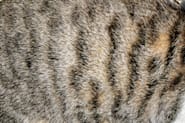
My cat seems to have a food allergy. I've switched foods 4 times, and each time it gets better, but then gets worse. Losing fur, raw patches like in the picture here for food allergy in cats. The last food to try is Taste of the Wild with no grain.

Tips for skin allergies in cats? Vet said it looked like allergies. Gave him a shot which helped but he started scratching after a little while. Stopped fancy feast wet food, temptation treats and litter with baking soda. Now using fir pellets. Staye
Book an appointment with the pros – our expert vets are here to help.
