


Can a cat scratch cause rabies? What human foods are safe for cats?
Updated On September 23rd, 2025
Pet's info: Cat | Asian | Male | unneutered
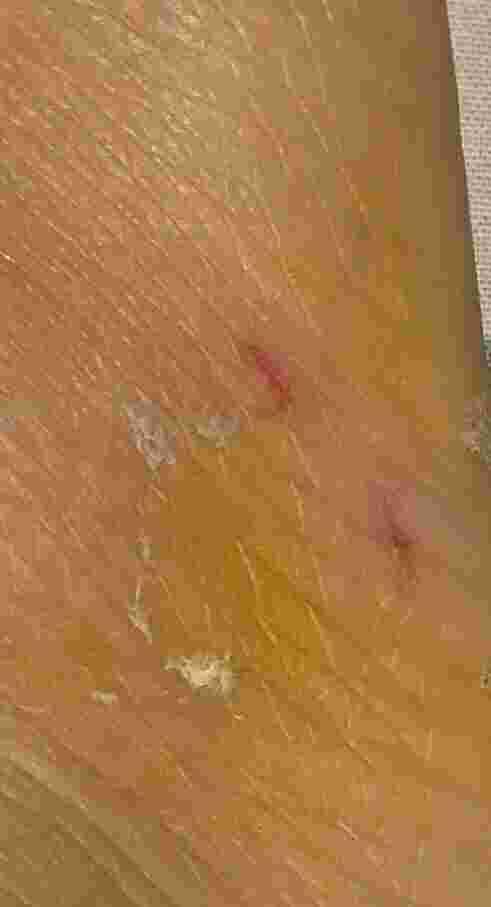
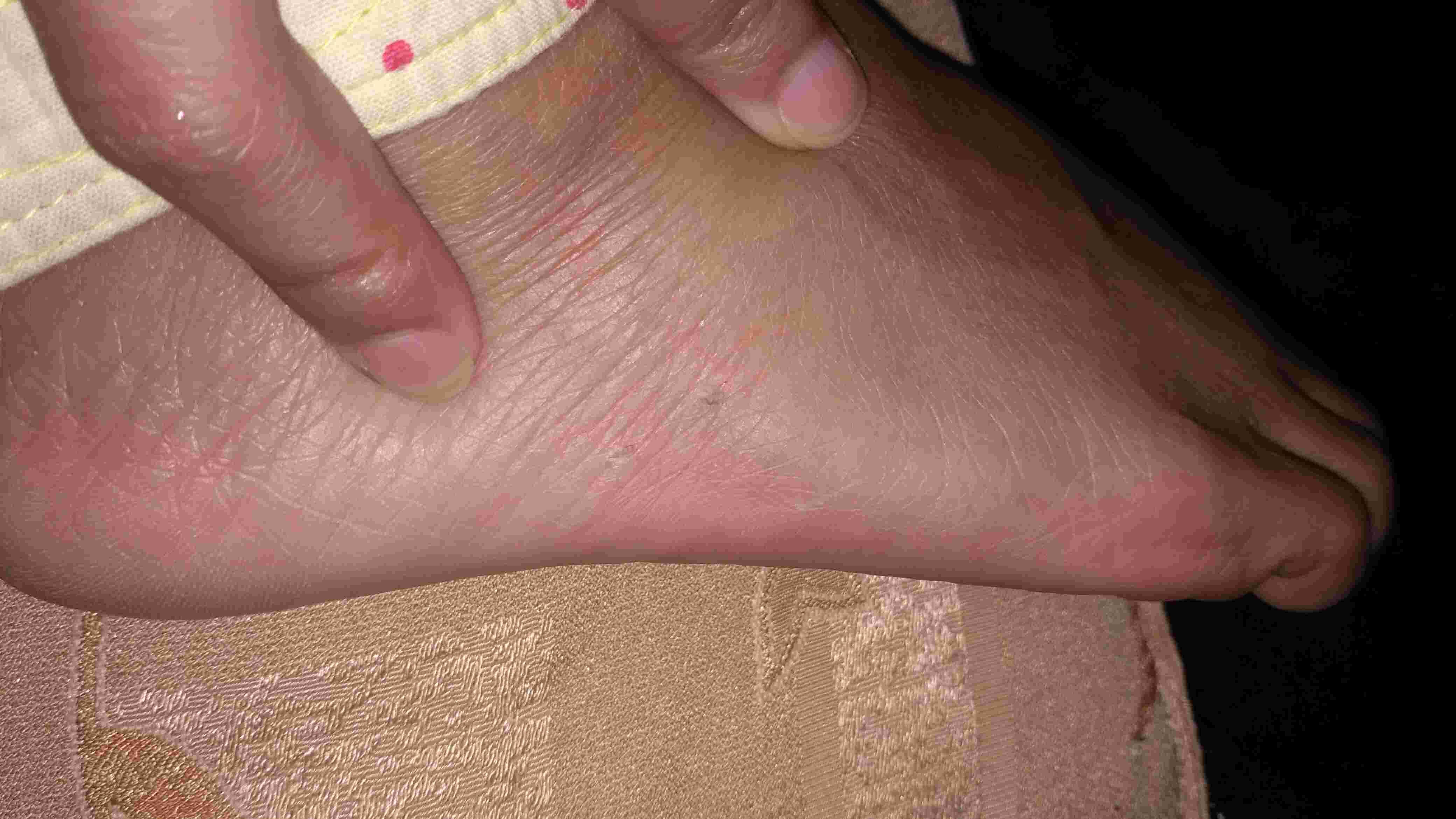
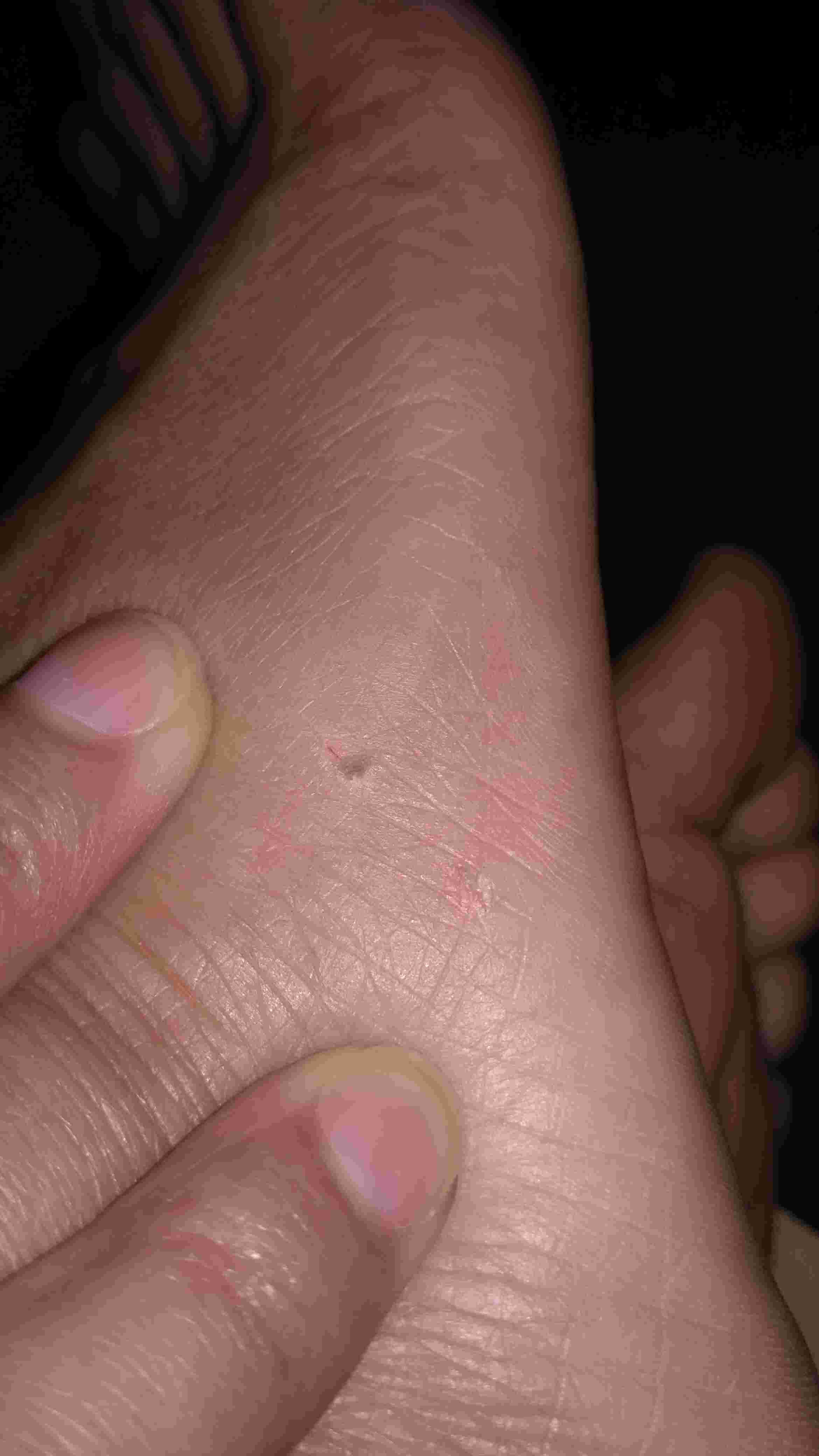
Hi..I got a scratch from a stray cat which recently recovered from mange..I took tetanus after 23 hours but within 24 hours and a rabies vaccine after a day...should I be worried about the timings.? Can a cat scratch actually cause rabies..? One pic is the picture taken after a day..I had washed the affected area with salt and turmeric and put a bandaid on it...also please name some human foods that we can give to a cat..thank you..


4 Answers
Most Helpful Answer

Published on May 1st, 2019
Hello, this is a question best asked of a physician, not a veterinarian. In general, rabies is not transmitted by scratches as the virus is contained within the saliva. There is always a very small chance that some of the cats saliva was on your skin & the scratch drove it into the tissues, but this is very unlikely. Was the cat acting in a wild & unexplained way? There is a difference in a cat that may scratch out of fear or being defensive vs. being in the furious stage of rabies infection. I assume that the rabies vaccine that you speak of was for you, correct? If so, follow your physicians recommendations, but again, a scratch is very unlikely to infect you with the virus. Cats can be fed minimum amounts of human food, & this includes just about any meat, fish or vegetable we eat. Cats require specific amino acids in their diet which they get from fortified pet ( cat ) foods & hunting, so receiving only human food may not provide everything a cat needs. Make sure your cat eats some regular dry or wet cat food daily. Thanks for using Petco Pet Education Center, formerly Petcoach.

2Pet Parents found this answer helpful
Related Answers from Veterinarians
-
Published on April 22nd, 2019
Hello. While we generally do not worry about rabies in very young animals, it can happen. Most times this is from mishandling wild or feral animals, so a kitten raised in a household is generally very safe. You should also know that we do not even vaccinate kittens & puppies until they are 12-16 weeks of age. You do not need to do anything at this point except to make sure your scratches do not get infected. Take Luna to a vet or groomer on a regular basis to have her nails trimmed as there will be other times that she will probably scratch you. She is old enough to begin receiving her other regular vaccinations & she should be checked & treated for any potential intestinal parasites. Thanks for using Petco Pet Education Center, formerly Petcoach.
2Pet Parents found this answer helpful
-
Published on February 14th, 2018
Congrats on your new cat, but I'm sorry you got scratched! Rabies is primarily transmitted though bites and saliva, so you wouldn't get it from Molly via a scratch. Cat scratches can get infected, but this scratch is mostly superficial. I would just wash it with warm water and antiseptic soap, put an antibiotic ointment on your scratch, and cover it with a bandage. You should be fine. Give her some time to get used to your new home, it's a hard adjustment for a kitten. Good luck, I hope this helps!
1Pet Parents found this answer helpful
-
Published on July 12th, 2018
No you cannot get rabies from a scratch unless 1) the cat had rabies and 2) the cat's saliva entered the scratch wound. However potentially you could get infected with a disease called cat scratch fever or just get a general wound infection. I would have the scratch examined by your health provider, especially if it looks infected or red. Should you develop a fever or get ill, you need to see your doctor as well.
1Pet Parents found this answer helpful



My cat scratch me accidentally 1 month ago but the cat is still alive right now does it mean that hes not carriying rabies the time that he scratches me ? He is not afraid of water and always eating and drinking. (He is not vaccinated)
We found a stray kitten. It seems healthy except for a slightly proposed anus. It's been at our house for 4 days. It doesnt show classic signs of rabies. Yesterday it scratched my son under his eye. It was a very tiny scratch and didn't draw blood.
I have a found a stray kitten and it is about one month old I think, it is very friendly and carried it home on my shoulder like a baby and its claws keeps on poking my neck, I was wondering if I could get rabies from cat scratches.

Hello so my friend gave me a cat and I had it for about a day little did I know the cat did not have any of its shots! It’s about a year old very friendly and cute not at all aggressive toward anyone just very friendly and likes rubbing itself on peo
Perhaps I'm only looking for assurance here, but I'll ask anyway. I was scratched by my kitten four months ago. The kitten was around four months old at the time, and had not been vaccinated for rabies. Is it reasonable to think that since my kitten
I got this scratch from a stray cat which recently recovered from mange and tapeworms..what vaccine should I take..? Are "cat scratch disease" and "rabies" same..? Which treatment should I go for..?

I live in a apartment and there's so many stray cats living in the complex. The neighbors and I feed them. And one of them scratched me. Can I get tabbies from a scratch ?

Luna was vaccinated against rabies on the 25th of April and the vet said they'd vaccinate her again after six months. She also got a certain antibiotic in the beginning of May. She just scratched my mom accidentally (jumpscare scared her!) and the sc
Hello. Both my male cats are agressive, they are not yet neutered. However when I intervened with the fight I got scratched and bitten. They both had the annual rabies vaccine, but I have not. Also, I have adopted a new stray cat that doesn't have va
Hi, I just adopted a feral Siamese kitten (5 months old) from a shelter. She had all her shots administered 2 days ago. She is very afraid right now and she happened to scratch me. The scratch is mostly superficial but there is a tiny bit of blood.

Book an appointment with the pros – our expert vets are here to help.
