


Why is my Betta fish lying on its side, has foggy eyes, and can't swim?
Updated On September 23rd, 2025
Pet's info: Fish | Betta | Male | unneutered | 1lb
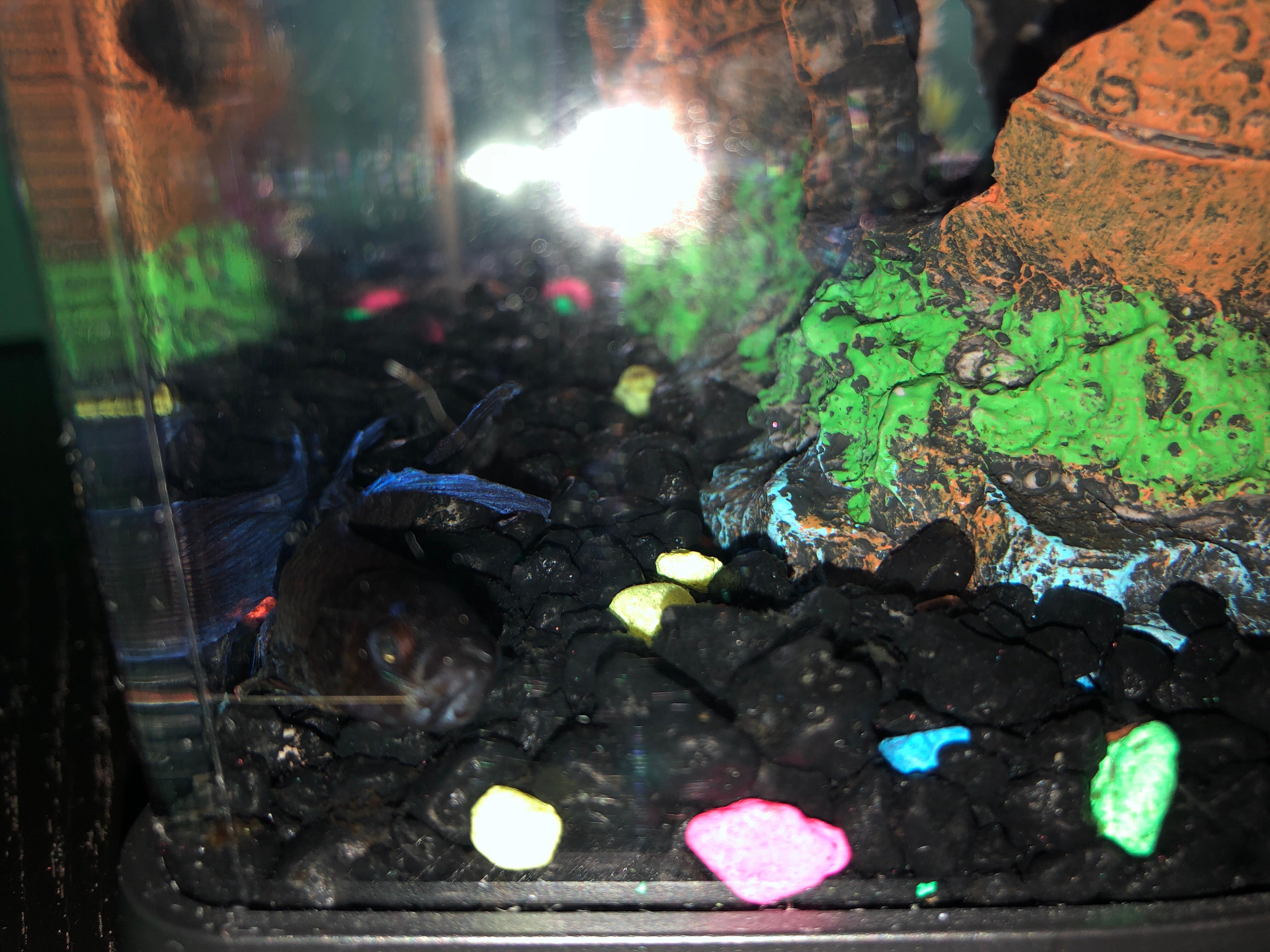
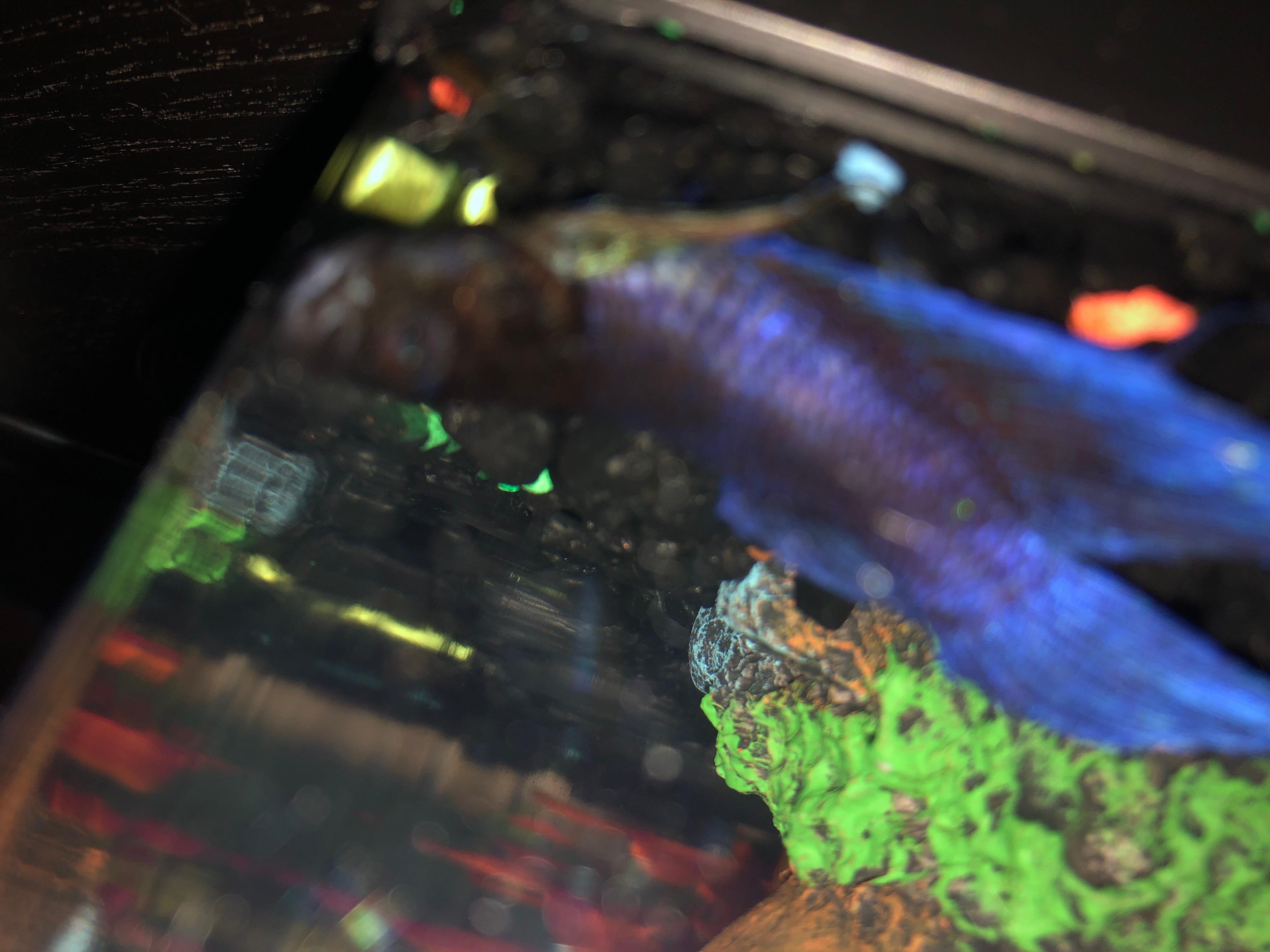
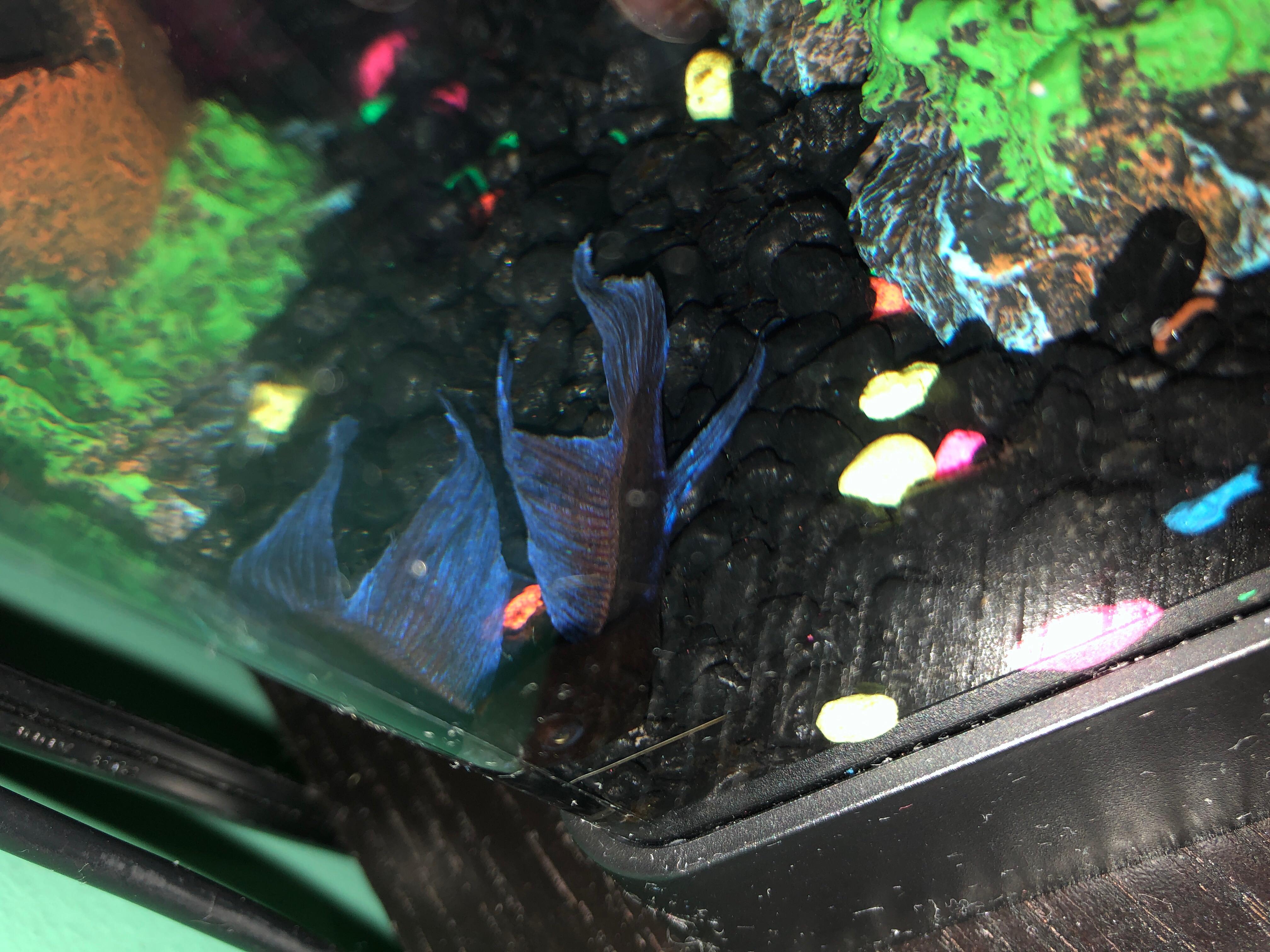
Hey! Lately I have seen my Betta Fish lay on its side at the bottom of its fish tank. I’ve had this fish for almost 3 years and I’ve given it about 4-5 crumbs of fish food a day. My fish is lying on its side at the bottom of the tank and it sits there for a few hours and than moves to a different spot and lies on its side again, I do not know what I’m doing wrong, at first I assumed it was dead. My fish also has foggy eyes and has trouble swimming up to the surface. Please help.


4 Answers
Most Helpful Answer

Published on April 6th, 2019
He is "old" for a Betta. Check the water chemistry and temperature. You can use a home test kit or submit a water sample for testing. The local Petco may do this for free or for a small fee. Aim for an absence (0 ppm) of ammonia and nitrites with nitrates at 20ppm or less. Perform partial water changes to stabilize chemistry and/or to improve water quality. Use only conditioned water that is temperature matched to prevent stress or shock. Bettas do best between 78 F and 80 F. The cloudy eyes may be due to infection. Maintaining pristine water quality will help, but you may need a broad spectrum antibiotic as well. Look in the aquarium section of the local Petco for medication. Follow label directions carefully and remove the carbon filter insert during treatment if indicated. Even with treatment, there may be permanent damage to the eyes if the condition has been chronic. The "laying down" is sometimes seen even in healthy fish. They may choose to lay on gravel or the broad leaf of a plant. It may also indicate infection or injury though. If hebisbhavibg difficulty reaching the surface, decrease the water level to make it easier. Bettas need to surface occasionally to get some air.

3Pet Parents found this answer helpful
Related Answers from Veterinarians
-
Published on July 15th, 2019
Thanks for reaching out about Norman and including photos. Test water quality for pH, ammonia, nitrite3 and nitrates. Correct problems as poor water conditions (high ammonia) with "new tank syndrome" can fray fins, cause gill damage (thereby swimming to surface to gulp air), and lethargy. If water parameters are good, a veterinary visit is needed to assess and provide a diagnostic/treatment plan. Good luck.
1Pet Parents found this answer helpful
-
Published on February 9th, 2017
A betta's life expectancy is 3-5 years. He may be at the end of his span. Check the water quality and water temperature. Either can cause stress and illness if not set properly. Water temp should be between 78 F and 80 F. A drop below 74 F can be dangerous. Use a home test kit to check for high levels of nitrites, nitrates and ammonia. Correct levels through water change with treated/conditioned water. Make sure he is able to reach the surface to breathe. You can drop the water level if necessary.
1Pet Parents found this answer helpful
-
Published on June 30th, 2018
Monitor for redness, white spots or fuzzy growths on him. The swimming fast may be "flashing", which a fish with an infection will do to "scratch an itch". Maintain pristine water quality via filtration and partial water changes. Use only aged or conditioned water that is temperature matched to prevent stress or shock when performing water changes. Bettas do best between 78 F and 80 F. Monitor water chemistry to confirm 0 ppm ammonia and nitrites with nitrates at 320 ppm or less. If you don't have a home test kit, most pet stores will test water for free or for a small fee.
1Pet Parents found this answer helpful



Ice is sitting at the bottom of the tank on his side. I thought maybe he had swim bladders disease. We have gone 2 days now without feeding him and i tried one pea without skin. I think he may be dying just want to be sure i am doing everything possi

My beta fish is lying on its side at the bottom of the tank, he hasn’t moved much or at all for a couple of days. He has short jolts of energy but ends up sinking. Water has been changed, and filtration is on. What might be the problem?

My fish is laying on his side at the bottom of aquarium from 2 days, finding difficult to swim and rolling upside down in aquarium... Am unable to understand this strange behavior.... What is the necessary action to be taken to make him normal....

My male betta fish had been sitting at the bottom of my tank barely moving and breathing heavily. He won’t even come up for more air or for food. He has been doing this for the past 3 days. Help!
Hi my betta has red patches at the edges of his fins. Also he can not use one of his front fins to swim. He can not swim straight.What should I do?
why does my betta fish lay on it's side while resting at the bottom?
Hi, I have a beta fish named Patron and recently he's been acting different. I noticed a few days ago that he has been laying at the bottom of the tank and only moves when I move him (he flaps his fins around a bit) but doesn't swim. I'm also really
I turned on the light for my tank today and my fish didnt react. I then wiggled his food in front of the tank, which usually makes him swim excitedly and he had no reaction. He was so still, I thought he may be dead so I lightly tapped the tank and h
Hi I have a 2yr old Betta, one day he was swimming very actively and 2 minutes later he was at the bottom of the tank not moving but sleeping and he has been doing this everyday every hour of the day for 4 days I'm worried about him Idk what's wrong

I have a male beta fish and he been acting werid for 2 days now. Usually he swimming around but he haven't been eatting and he always laying on the bottom of the fish bowl. Is there something wrong with him?

Book an appointment with the pros – our expert vets are here to help.
