


My puppy has blood in her stool after antibiotics. Should I see a vet?
Updated On September 23rd, 2025
Pet's info: Dog | Mixed Breed | Female | spayed | 2 months and 12 days old | 39 lbs
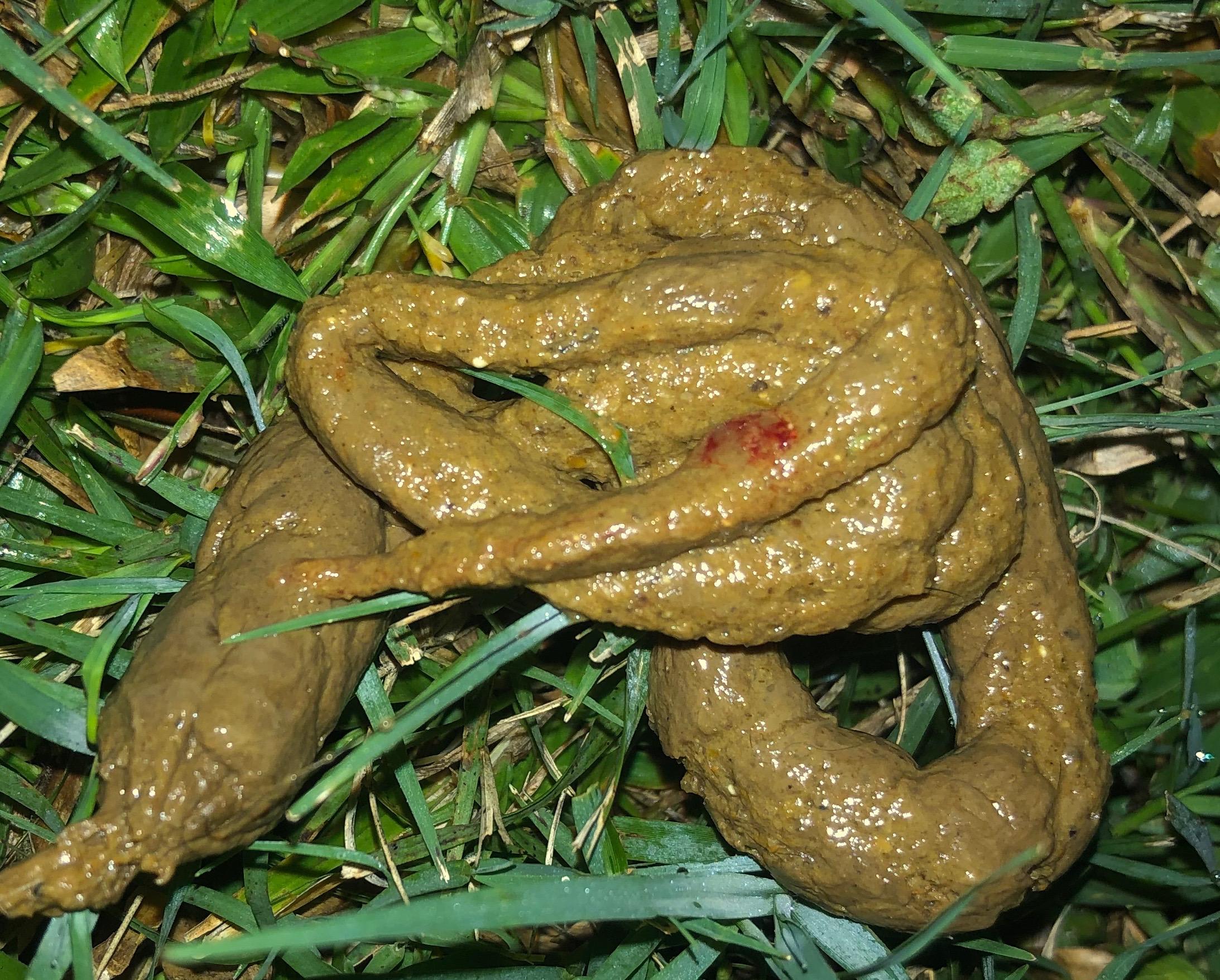
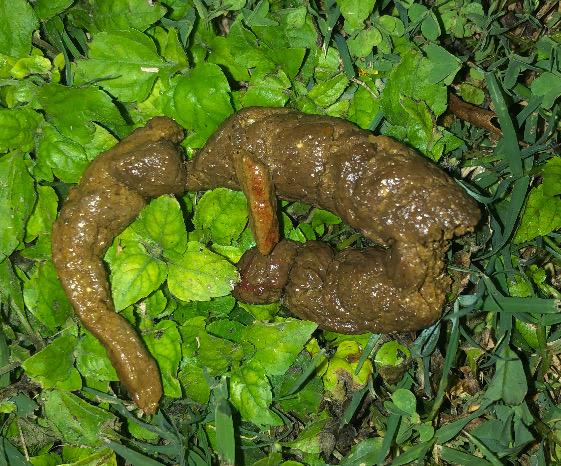
Hi, I just got a puppy about 2 weeks ago and within the last week I've noticed that there a small amount of blood in her stool. She is very active/eats/drinks normally. She doesn't have parasites and she's negative on fecal float/giardia. She just got off of doxycycline for kennel cough (which she's better). Should I take her in, or should I just wait?



2 Answers
Most Helpful Answer

Published on March 2nd, 2019
Riley’s stool looks a bit soft. This may be be from being on doxycycline as antibiotic associated diarrhea is fairly common. Your vet may be able to dispense a probiotic such as FortiFlora or Proviable that can help return the stool to normal. The blood may be due to stress colitis. Typically, metronidazole (flagyl) is an anti-inflammatory antibiotic for the gut that recommended for blood tinged soft stool, however as she just finished a course of antibiotics, putting her on probiotics and a plain boiled rice and chicken diet (unless she has an allergy to chicken) or a prescription Hills intestinal diet or Royal Canin Gastrointestinal diet for 3-5 days may be enough to allow the irritated intestinal mucosa to heal. Good luck!

1Pet Parents found this answer helpful
Related Answers from Veterinarians
-
Published on July 7th, 2017
Chronic diarrhea that is unresponsive to antibiotics (metronidazole, I am assuming) may be due to a variety of other causes. Dietary abnormalities and/or allergies, inflammatory diseases of the GI tract, parasitic infestation, viral diseases, and certain cancerous processes are all possible reasons that continued diarrhea can be taking place. If you haven't already, I would start speaking to your veterinarian about some other diagnostic and/or treatment plans moving forward if things do not begin to clear up soon. This is particularly true if the matters are getting any worse. I am glad to hear that Sandie is feeling well otherwise, but this is certainly something that you should try and figure out sooner than later for obvious reasons. Hope this helps.
1Pet Parents found this answer helpful


Found a couple of drops of blood on floor. He had 2 normal bm and 2 episodes of diarrhea today. He was just treated with simplicef for skin problem last dose wed pm then treated with one dose of Ab on Thurs pm for flatworms. He's still active, eating

My dog had diarrhea for three days last week, he tested negative for parasites. Was put on antibiotics and bland diet. Has extremely soft stool. What else could this be? How can I get his stool back to normal?
My puppy has blood in her poo. She’s 11-12 weeks old.

We have a 2 year old dog that about 3 weeks to a month ago was coughing had respiratory stuff .. He had antibiotics. He has not coughed in a week or so . . he started having diarrhea last night or today .. It now has blood and its very watery stool .
My dog is having diarrhea that is followed by some drops of bright red blood. He is straining to defecate. He was put under general anesthesia yesterday morning to have a laceration tended to. He is currently taking Tramadol and Augmentin prescripti

Hello, my dog just recently got out of a hospital due to amoebasis. The vet gave her 2 kinds of antibiotics to be consumed in time intervals until oct 11. Just yesterday, we noticed fresh red blood in her poop. Is this something to worry about? Thank
Our dog had diarrhea for several days but had no change in diet. Had a vet visit today and they found no parasites in his stool, so they sent us home with antibiotics, probiotics and Pro Plan EN canned food. After eating and takin his meds, George ha

My dog ate chicken bones last week , the next day she got bloody color diarrehtic stools . I took her to the vet theyasked to keep her fasting so they will make intestinal ultrasound next day . The next day they confirmed that her intestines looks go

Hello my 5 month old Hungarian vizsla puppy seems very well in herself, lively, energetic, good appetite but has streaks of mucus/blood in her poo. She has had this for about a week so we have put her on a bland chicken and rice diet since Saturday a
Hi i would like to asi you for an advice on our dog stool with blood. He was using antibiotis for 5 days with slight improvement but today he had did not want to eat and had blooded stool - picture in attachment. What tratment would you recomend? Wit

Book an appointment with the pros – our expert vets are here to help.
