


Why is my 11-year-old cat vomiting unchewed food after eating?
Updated On September 23rd, 2025
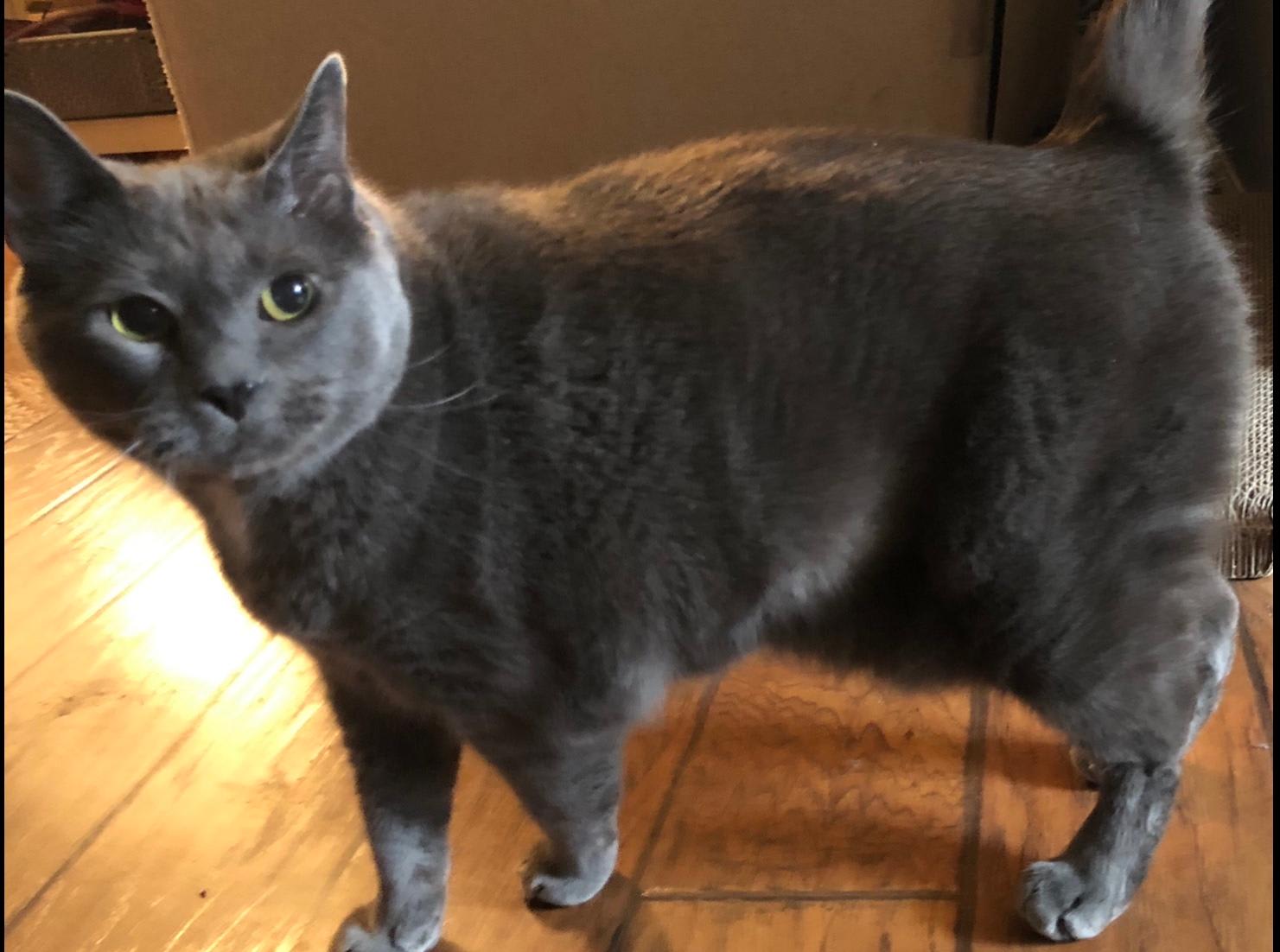
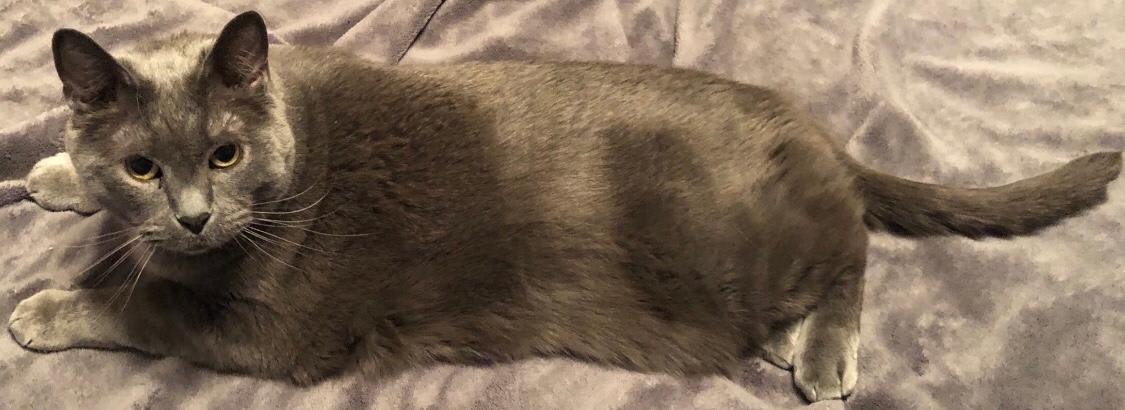
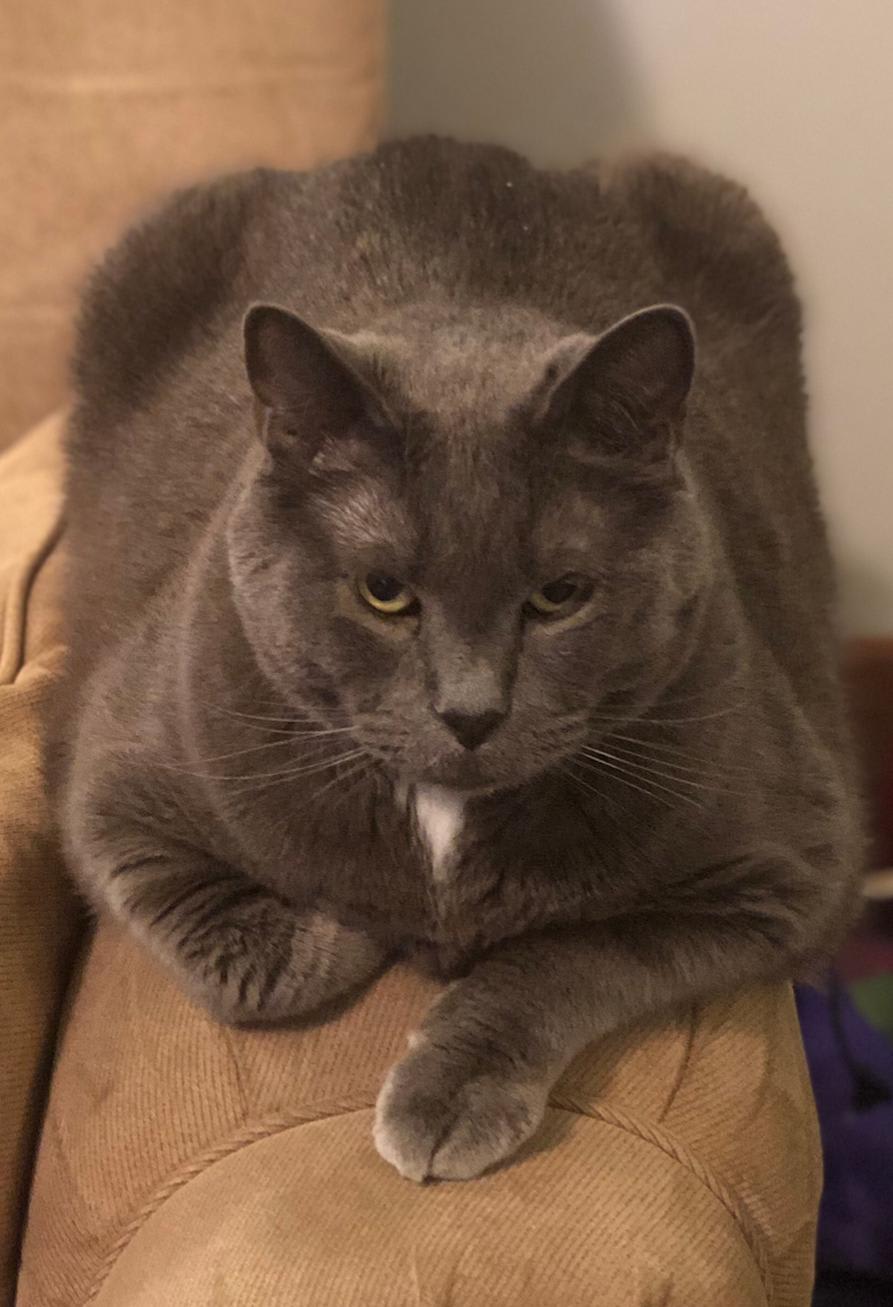
Pet's info: Cat | Russian Blue | Male | neutered | 10 years and 7 months old | 16.5 lbs
My 1/2 Russian Blue mix keeps vomiting shortly after eating.Not every time but almost daily.It appears the dry food isn’t chewed up.this is also w/ wet food.Seems to be happening more often in the past few months.So we slowly changed his royal canin weight control to their sensitive stomach but the issue continues.He’s almost 11 & a little overweight but not much.He’s just large at about 16 1/2 lbs.Still active,eats & drinks normaly,& isn’t really showing signs of aging.What else can we try?


2 Answers
Most Helpful Answer

Published on February 4th, 2019
Marley is a very handsome boy! I'd have him checked out by a vet for a geriatric blood panel and urinalysis. In senior cats, there are medical conditions that can cause vomiting such as diabetes, hyperthyroidism, and kidney disease, and those tests I mentioned above can screen him for them. Should he have one of these, the vet can discuss treatment options with you. Please have him seen by a vet in the next few days. Best of luck.

1Pet Parents found this answer helpful
Related Answers from Veterinarians
-
Published on March 5th, 2017
Poor Marley! It sounds like he isn't feeling well at all, and while the vomiting could be caused by a hairball, it could also be caused by a GI illness, eating something rotten, pancreatitis, or a foreign body. Given his age, the vomiting could be caused by kidney failure, diabetes, hyperthyroidism, or even cancer. I can give you a home remedy to try to see it helps with Marley's vomiting, but even if it does, I do recommend having him seen by a vet on Monday. Kidney failure, diabetes, and hyperthyroidism are common diseases of senior cats, and it would be a good idea to have a geriatric blood panel and urinalysis done on him to see how his organs are functioning and if he suffering from any of these diseases. If he is, the vet can discuss treatment options. Home remedy: I recommend withholding food for 12-24 hours, then feeding a bland diet of boiled white meat chicken (no bones) in small amounts several times a day for a couple of days. Then slowly add back in his normal diet. If the vomiting continues in the absence of food, he vomits the bland diet, develops diarrhea, stops drinking water, starts vomiting water, or becomes very lethargic, he will need to see a vet right away.
1Pet Parents found this answer helpful

Our cat is 15 yrs. Old. Starting yesterday late morning, after he ate usual wet food, he vomited it all up in different places. He didn't eat again (dry food) until mid evening. He didn't even make it until he was full. I didn't hear him but vomited
I know vomiting in cats is normal, but my Mallomar rarely does it. Last night he ate his usual food (Royal Canin Urinary SO) and threw up a lot. This morning we ran out if the urinary SO so my boyfriend fed him a couple of spoons full of friskies. By
Cat has yellow foam vomit and also vomits undigested dry food. Quiet.
I have a cat around 12 years old, she started to vomit very often in the recent time. Usually the vomiting happens after eating food. I did try buying different kinds of food, the food for eldery cats but nothing seems to help. The cat stopped exitin

My cat is 10years has been sick at least once a day for the last week..not digested food...seems to be always hungry..also seems to drinking more water than usual...she always drank water from a kitten. .thankyou
16 year old male cat is vomiting weekly. Increased hunger but no weight loss. Had thyroid surgery 14 months ago
my cat has been vomiting 5 out of 7 days a week for the past 3 weeks. i've tried various soft foods, after he wasn't eating his dry food. today, he did not touch his soft food. he is having his teeth cleaned in april. he has a sore on his lip that he
Our 15-year old cat has been vomiting a lot. Sometimes she'll go several days without vomiting and then vomit once a day a few days in a row. She is on gluten free cat food and we recently switched her to soft food as she seemed to have trouble chewi
Older cat throwing up kibble after eating. They come out whole, she is eating vension natural balance lid and I give her small portions?
My 14 year old cat has been vomiting a little bit each day for two weeks. Generally he doesn't vomit. He eats Purina Pro Plan for cats 7+. He grooms himself a lot. Wondering about a hairball?
Book an appointment with the pros – our expert vets are here to help.
