


My goldfish has white spots on its wen and tail. Is it Ich?
Updated On September 23rd, 2025
Yesterday, while cleaning it’s tank, I noticed she had 1 white dot on its wen and black on her tail. Today I noticed another 1 white dot. So now she has 2 white dots on her wen and black on her tail. She’s acting perfectly normal, eating normal and all. What do I do? I got her from petsmart on 1/12/19.


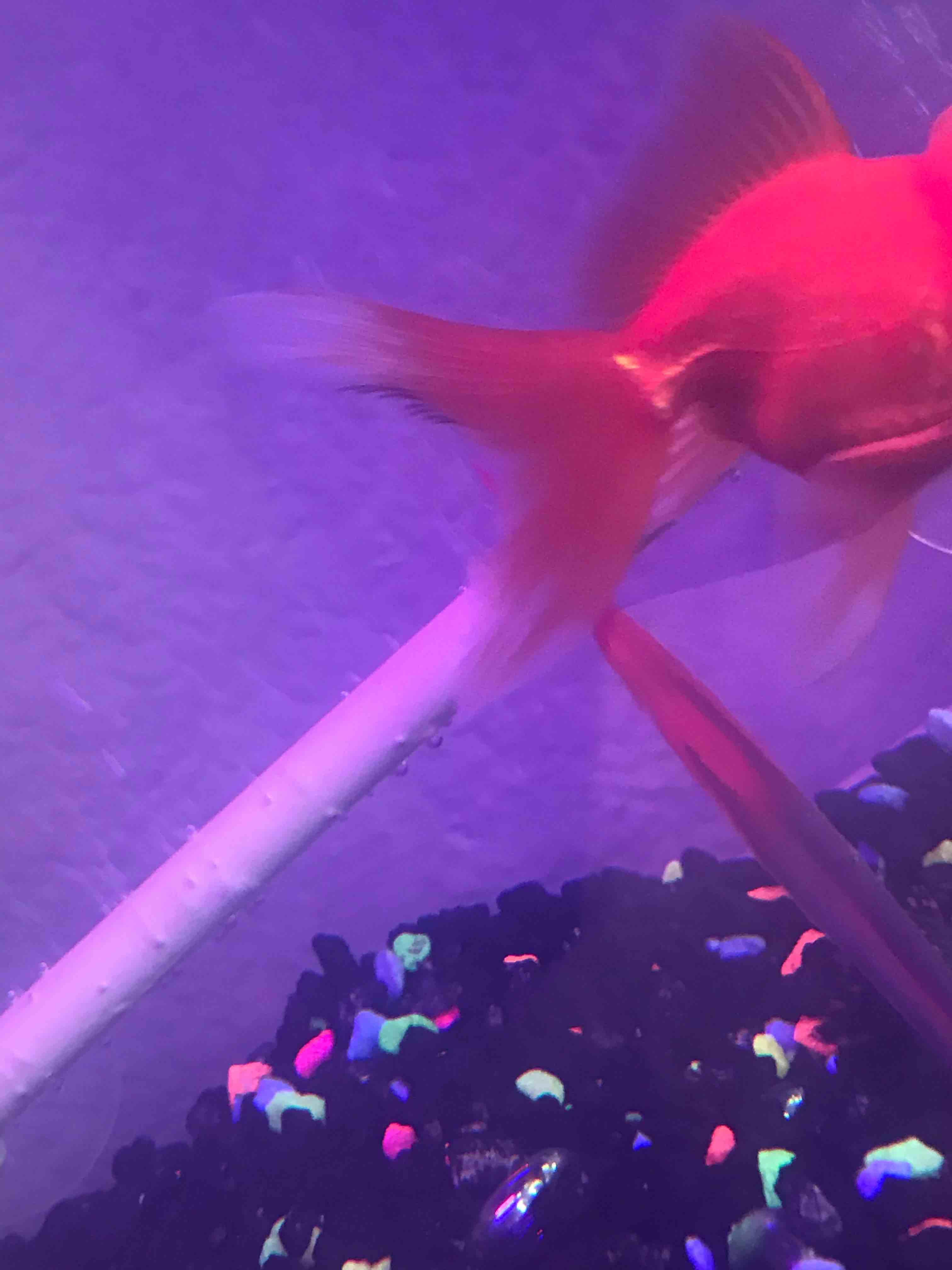
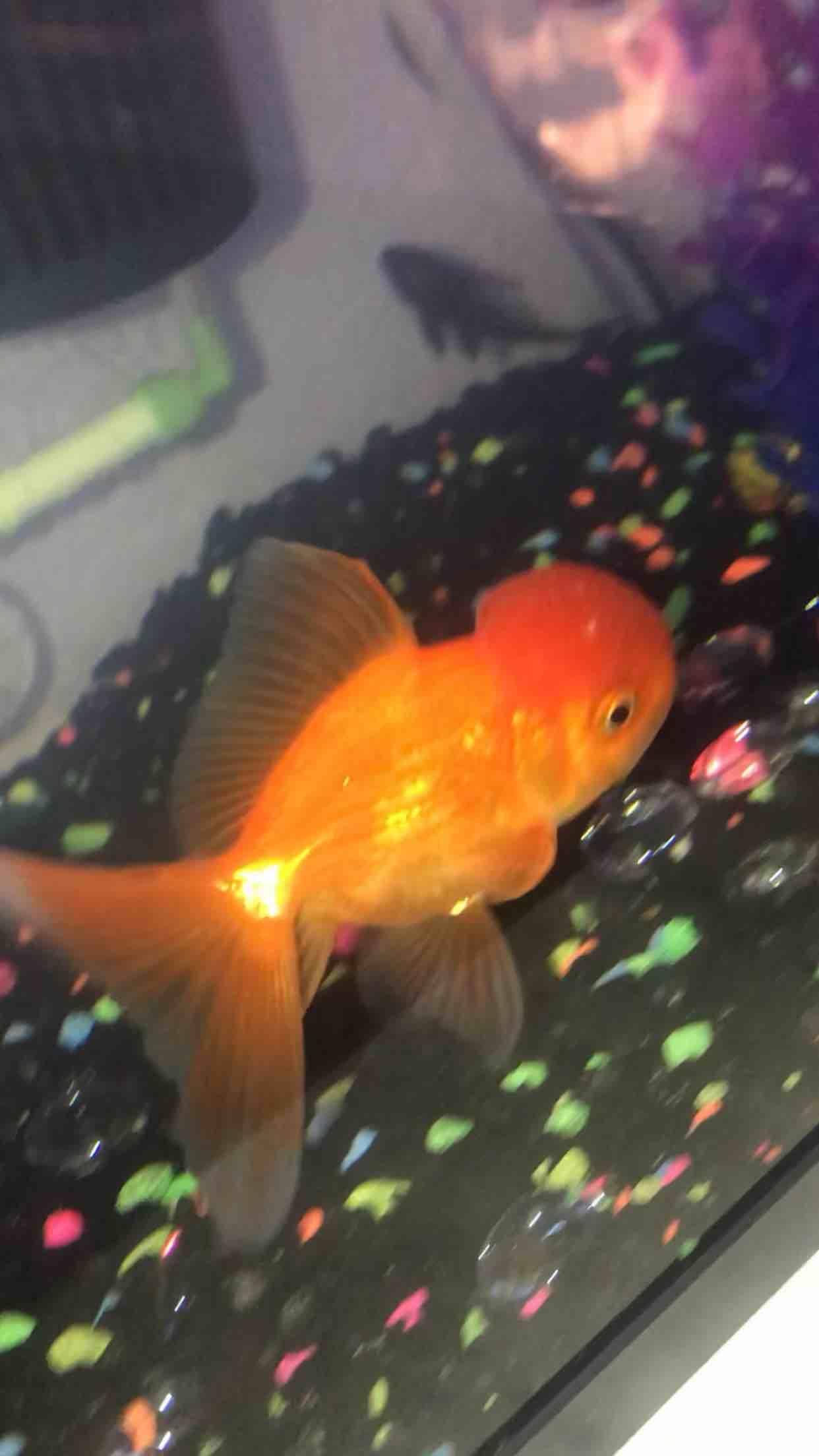
4 Answers
Most Helpful Answer

Published on January 18th, 2019
Thanks for reaching out about Peaches and including photos. One concern would be a parasitic infestation, such as Ich. Contacting Petsmart to see what their recommendations are, would be a first start. A veterinary visit should be scheduled, a skin scrape to identify the parasite and recommend a treatment. If it is Ich, this requires a prolonged treatment over several weeks. Good luck.

1Pet Parents found this answer helpful
Related Answers from Veterinarians
-
Published on December 17th, 2017
It sounds like your fish developed white spot disease, also called ich (ick). White spot disease, scientifically named Ichtyopthirius multifiliis, is commonly referred to as freshwater ich or ick. The disease is caused by single-cell organisms (protozoa) that attack fish with lowered immune systems. If your goldfish have recently survived an infection, sudden temperature change, or long period in dirty water, they could be vulnerable to white spot disease. If you have any fish left, slowly raise the water temperature to 86 degrees Fahrenheit, about 2 degrees per hour. The heat stops the ich parasites from dividing into many more. You can also add salt, which will help your fish develop their slime coat to help them ward off reattachment from the parasites. Use salt specifically for freshwater fish (aquarium salt), not table salt. Follow the directions on the back of the container for best results or add 1 tablespoon (3 teaspoons) for every 5 gallons (19 liters) of aquarium water. Many specialists also recommend 1 teaspoon per gallon instead.The salt is optional. As the temperature rises, water won’t be able to hold dissolved oxygen as well. Oxygenate the water by reducing the water level (this will boost surface area agitation from your filter), aiming power heads towards the surface of the water, or placing a few extra air stones (or ornaments with embedded air stones) into the water. Keep the temp at 86 for ten days while ich symptoms are visible, change 25% of the water every two days to keep oxygen levels up and remove excess parasites if you're using it. If there are no fish left, then raise the temperature without worrying about doing it slowly and keep it 86 for the whole ten days. If you still have fish, wait 3-5 days after the last of the white spots disappear. Gradually reduce the water temperature back to 65 °F in the same 2 degrees/hour like you did before. Do one last 25% water change and continue water changes on a weekly basis as usual. If you notice more white spots on your goldfish after using the natural ich treatment (and you’re sure you continued treatment for at least three days after the last visible signs of white spot disease), it could mean that the parasite has grown resistant to the heat and salt treatment. You may have to resort to using a commercial ich treatment product, such as CopperSafe Fish Treatment, by Mardel.
1Pet Parents found this answer helpful
-
Published on June 12th, 2017
This is due to a parasite (protozoan) infection. It can only be attacked by medications at a very specific point in their life cycle. Medication can work during what is called the "free phase," when the parasite is multiplying. Anti-parasitics medicine should be of the antibiotic type, specifically for anaerobes. Ask your local veterinarian or pet store for a prescription. Please do not hesitate to contact us again on the forum or by requesting a consultation if you have any more questions or to discuss it any further.
1Pet Parents found this answer helpful
-
Published on September 15th, 2019
Thanks for reaching out about Larry and including photos. The white spot appears to be an area that lost a scale, which should grow back. Does not appear infected at present. The tank appears a little green, so test water quality and change as needed. Monitor lighting and how much you feed as that can stimulate algal blooms. Fish should needs to be purchased new every 3 months as vitamins (especially vitamin C) degrade quickly. Good luck.
1Pet Parents found this answer helpful


Its 3 days since I buyed 3 goldfish and today I see white spots all over there body . I even checked there body but the white spots are nt coming out. What to do and what has happened to them?

Hello so me and my wife bought a yellow tag a couple weeks ago for our kids and started to see a what appears to be a salt cluster on his dorsal fin what could be the reasoning behind this? And what steps can we take to prevent this from happening

Hi, I'm seeing some tiny white spots on my fish. What should I do? Is there anything that I should put in my tank?
I have new aquarium with few gold fish and milky white carp fish. Some skin problems is infecting in all my fishes like skin coming out. And all fishes are showing abnormal behavior. Please help me fr saving my fishes
My betta has one small white do one his back. Is this ich? I got him 3 days ago
My female betta fish contracted Ich last week, and I noticed it from a single white spot on her head. For the last 7 days I've been using Imagitarium's Parasite Remedy treatment in her tank, and when I bought it I was told it should only take a week,

My 8 year old comet esco is getting these white spots on his back. He is a white spot survivor, but this does not look like white spot. In the pictures below, their is a shiny pink/ white growth on his tail, head back fins ect. He is eating and s
I noticed 2-3 of my neon tetras have very few tiny spots on the top of their body and or tail, that are a white color. I noticed it tonight and wanted to know if anything is wrong with them. Their behavior hasn’t changed at all from how they act sinc
I fish jus died after three dsys of having them gold fish they white things on there fins an started to swim funny then they died i will like to know hiw to treat the fishs an clean the tank
My gold fish got white spots on her fins and body and she has got red spots also. The white thing looks like fungus. 7 of my fishes died due to this. They became slow and just sat down and slowly died. Just one left plzz help. What can I do?

Book an appointment with the pros – our expert vets are here to help.
