


My indoor cat is licking a skin lesion. What's wrong with her?
Updated On September 23rd, 2025
Pet's info: Cat | Domestic Mediumhair | Female | spayed
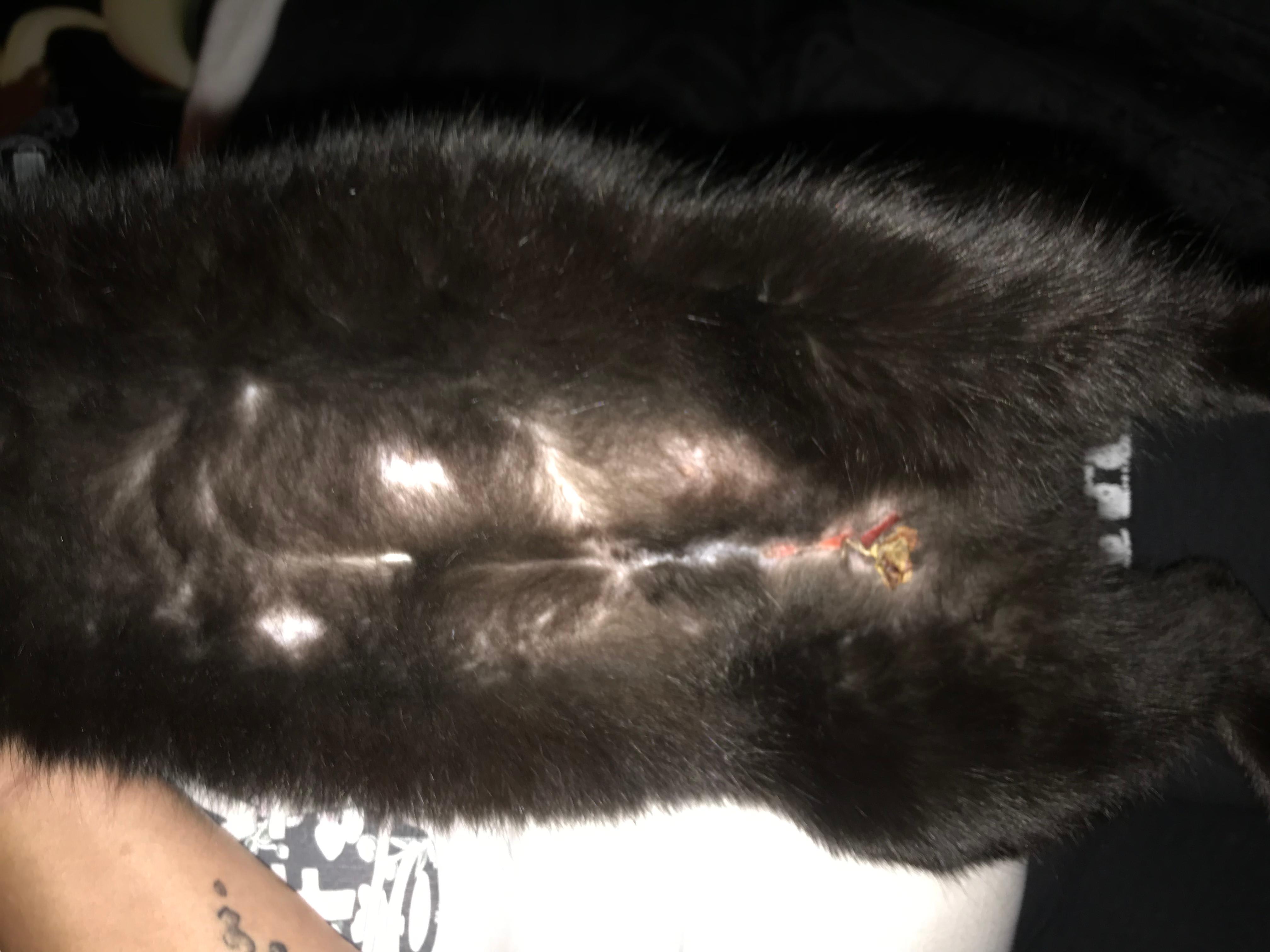
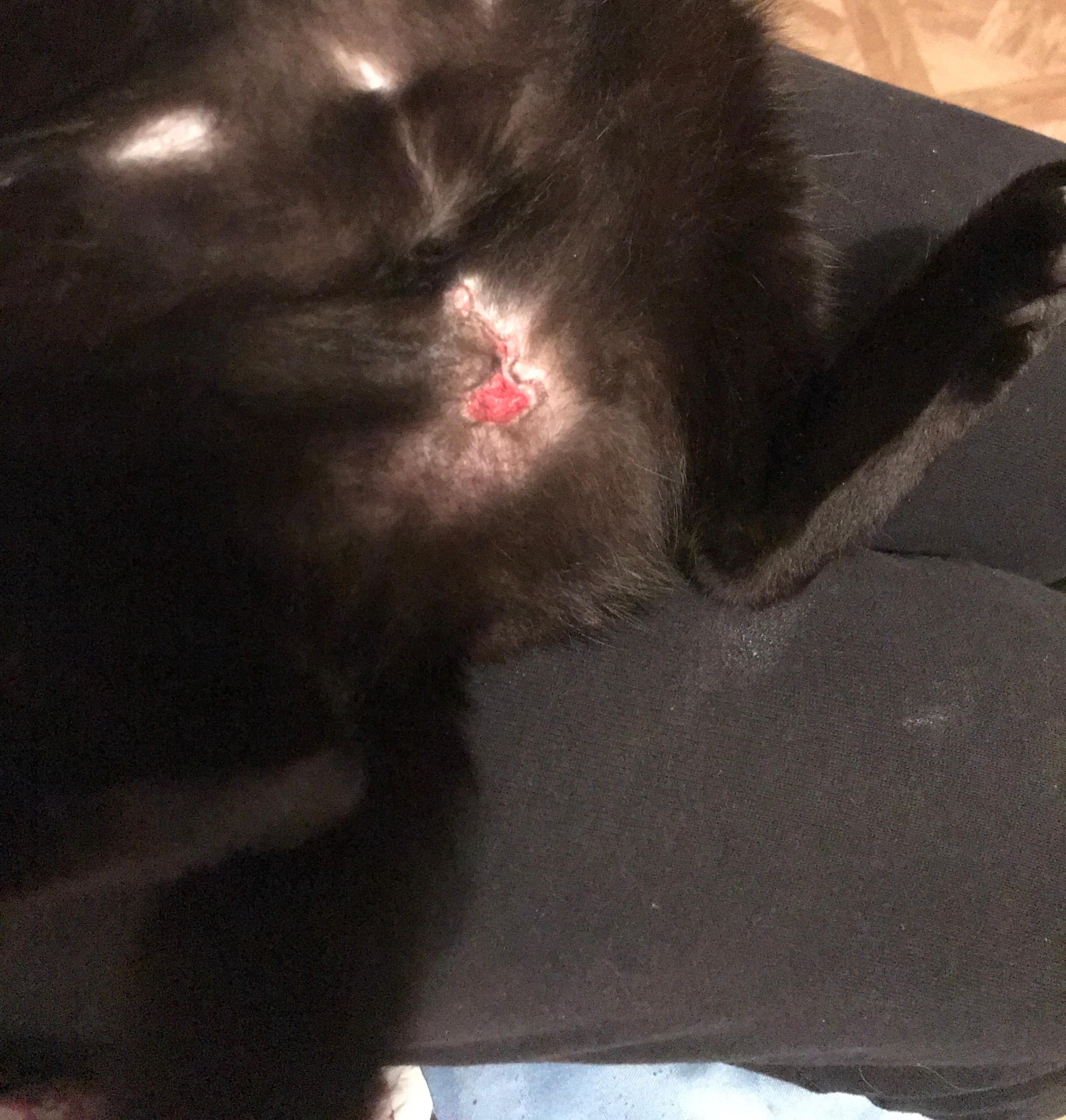
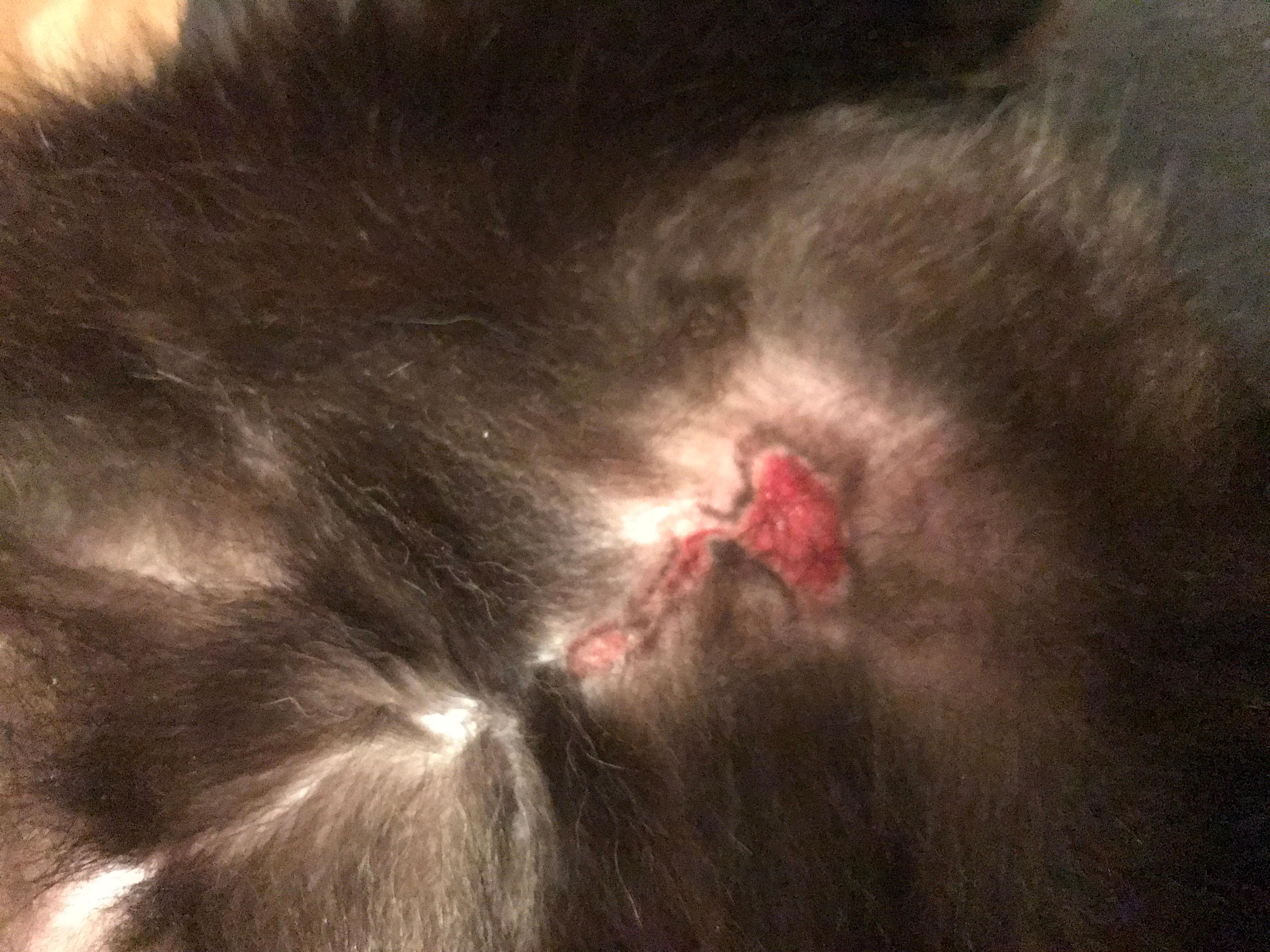
Just noticed this on my female adult cat. She is an indoor cat and there are no other animals in our home. I’m unable to take her to vet because I have no money. I feel terrible.


3 Answers
Most Helpful Answer

Published on January 12th, 2019
Hi, I think one of the first conditions to rule out here would be eosinophilic granuloma complex (EGC) which refers to a group of inflammatory skin problems in cats. The skin lesion on the picture may be an eosinophilic plaque. Common sites are the hind legs and the stomach. The lesions can be large and may be itchy, and the cat may frequently tries to licks and even bites at the affected site which can make it worse. Most cases of ECG are due to allergies ( fleas /food/ atopy=environmental). Flea control is very important in the treatment. Most cases respond well to medical treatment with corticosteroids (prednisolone commonly) and antibiotic if infected. She will need to be checked by a vet to confirm and to be treated. Hope this helps

1Pet Parents found this answer helpful
Related Answers from Veterinarians
-
Published on December 13th, 2016
This unfortunately can be a chronic condition but most cases respond well to treatment with various medications. Some cats also seem to have an underlying allergy to foods or other things in the environment and switching to a prescription hypoallergenic diet is often enough to keep lesions in remission. Good flea control is important as well if there are fleas in your area. Talk to your veterinarian about what changes you can make at home in addition to medications.
1Pet Parents found this answer helpful
-
Published on August 10th, 2017
Eosinophilic granulomas are often a type of allergic reaction. The main groups of allergies in pets are food, fleas, or environmental. Make sure that Honey is on a good flea preventative, even if she never goes outside. You can try a limited ingredient cat food that does not contain a "typical" source of protein, like chicken, beef, or lamb. You can look for things like duck, buffalo, salmon, kangaroo, etc. Feed only that 1 cat for for 3 weeks and see if the granuloma appears to look better. You can discuss use of anti-histamines or steroids with your veterinarian. You can also try alternative medical therapies like acupuncture to stimulate the immune system.
1Pet Parents found this answer helpful


Hello. My kitty, Aurora seems to have a skin irritation on her lower belly region. She kept licking her belly so I examined where she was licking amd saw this. My babies are everything to me and even the tiniest thing scares me. Aurora is a very anxi

My cat is orange and short haired. She has hair a weird rash that looks like eczema on her back leg for about a week. We tried putting vitamin E oil on it, but it hasn’t done much since she just licked it off after we had it on.

My cat has red, irritated patches of skin on her stomach in on the inside of her hind legs that she keeps licking.

Not sure what’s going on. I have an indoor cat, with no contact with any other animals. One of the spots is on her neck/shoulder area and the other is underneath her. Any help would be greatly appreciated.

My bengal cat has little round sores on his belly which he keeps licking. How can I get rid? He also has little scabs around the Base of his tail. He is prone to over grooming at times
Former stray, female 7-ish year-old cat with bald patches on right flank, lower stomach, and lower leg due to over grooming/ fur mowing. On reduced ingredient/ low allergen dry food and she wears a soft collar/cone to deter licking. We need to know
My cat has suddenly had an outbreak of done very strange skin ulcers. At first we assumed ringworm, however, he sleeps ring next to us and we pet him constantly and none of is have gotten it. So perhaps something else?
My 1 1/2 year old neutered male cat has been having some hair loss. Some of the patches are very small and spread out. And there is one large patch of thinning hair at the base of his tail. One patch is reoccurring under his chin and it's very red an

My cat just started licking himself obsessively 3 days ago and I don’t know why or what to do about it. He did just start phenobarbital for seizures but that was 2 months ago

Hey, I have a 14-16 year old cat that has started to lick herself raw, she's seen a vet and they haven't found anything wrong. Is there anything I can do to help her?

Book an appointment with the pros – our expert vets are here to help.
