


Is my baby turtle's shell rot? How do I treat white shell spots?
Updated On September 23rd, 2025
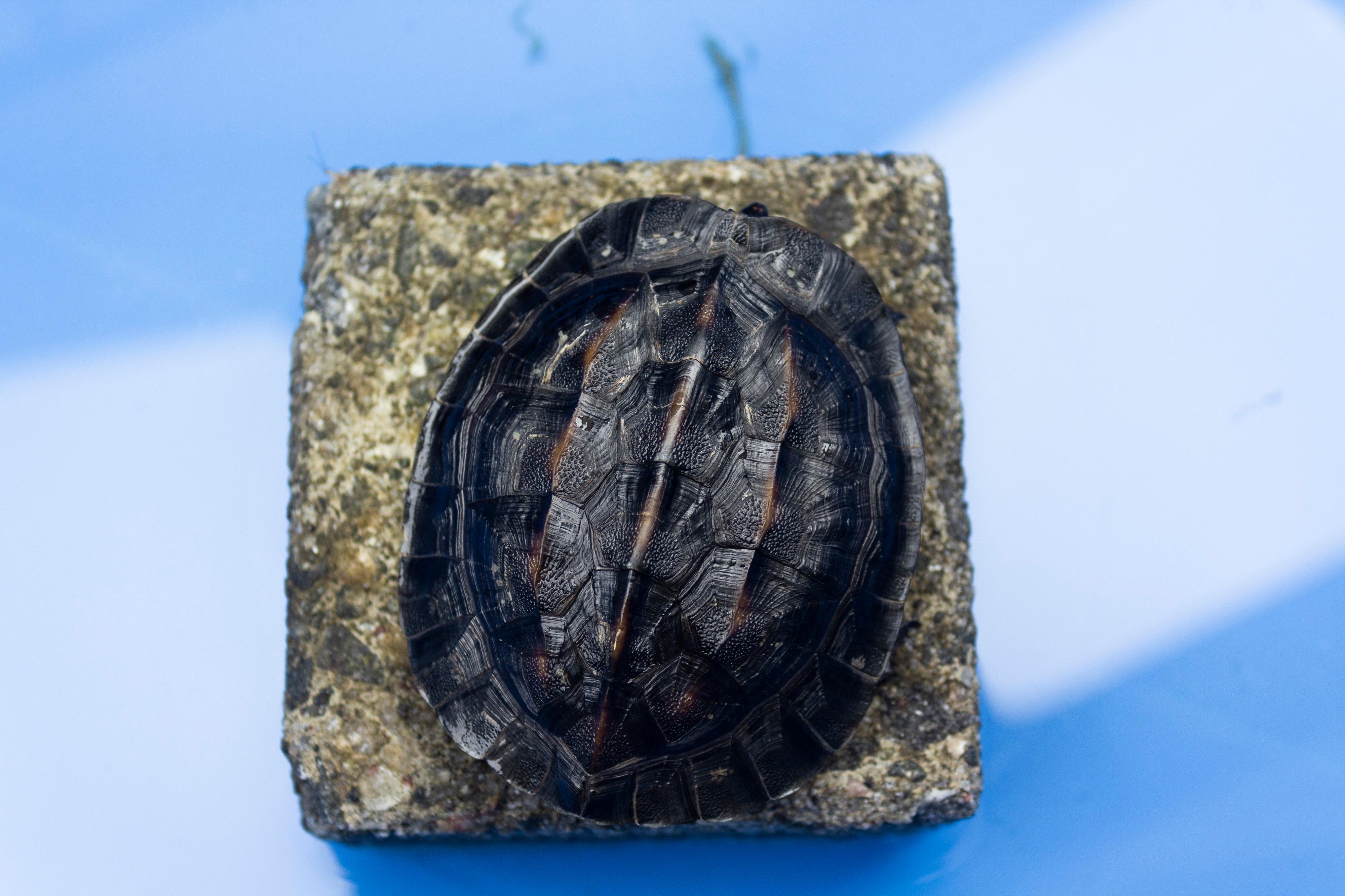
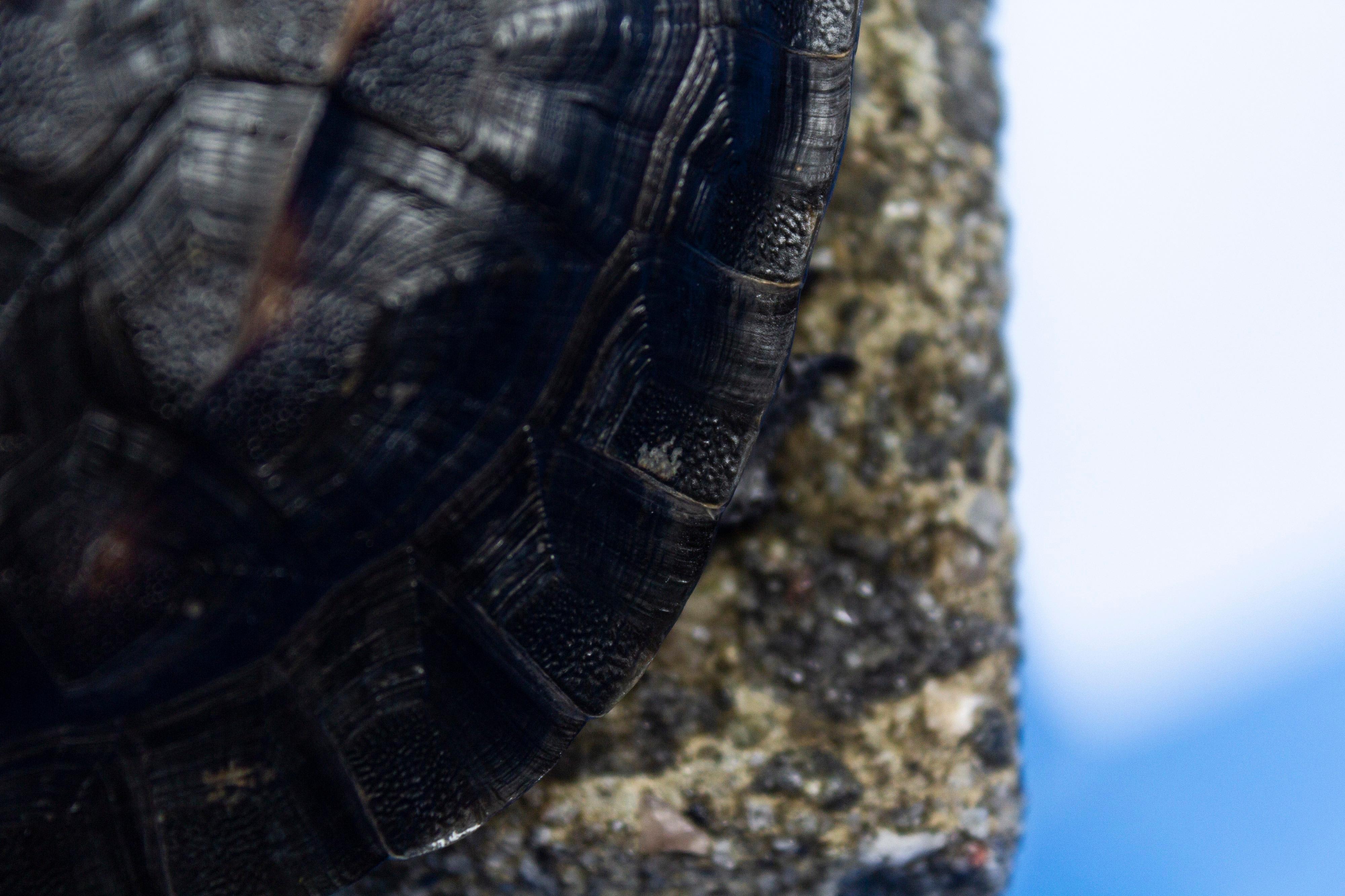
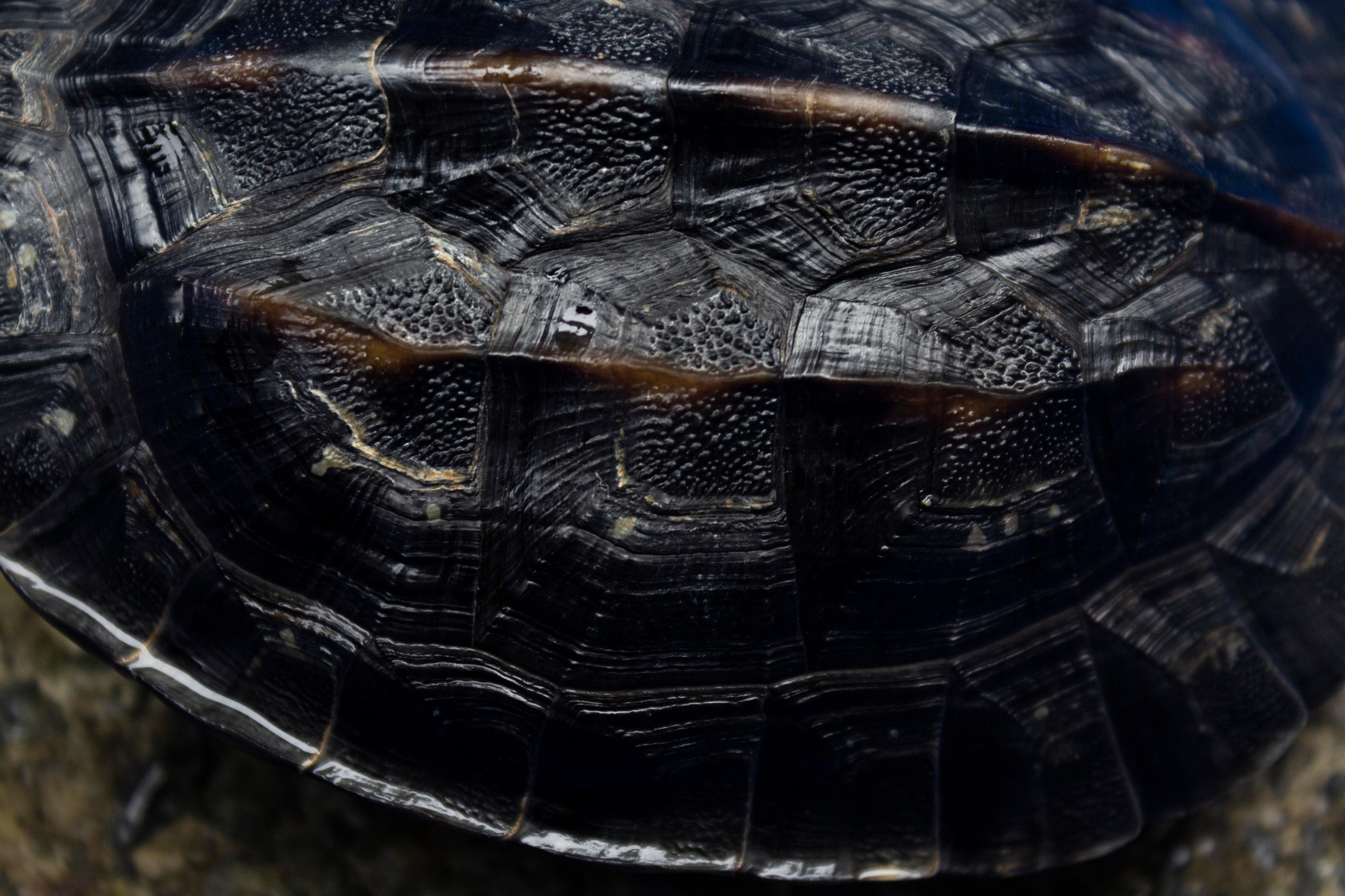
Hey, I have a baby Sri Lanka Black Turtle (Melanochelys trijuga thermalis). I rescued the little guy from a pond that was in really bad condition, it had a lot of algae growing on it's shell. I noticed that it has some white spots on it's shell so I brush the shell with a soft toothbrush and apply betadine solution with a Q tip for the past 2 days and let it dry overnight. So I just wanted to know if this is shell rot and if I'm treating it correctly since there are no vets that know how to.


3 Answers
Most Helpful Answer

Published on December 22nd, 2018
Thanks for reaching out about Muddy and including photos. By the photos, the lesions do not appear serious. White lesions can appear from other traumas, of which algae can invade. Scrubbing the shell, and keeping water quality good, should work well. If lesions grow, seeking an appointment with a reptile veterinarian is recommended. Good luck.

1Pet Parents found this answer helpful
Related Answers from Veterinarians
-
Published on October 4th, 2018
Thanks for providing the pictures. I would see if you can gently scratch off the white material with your fingernail. It appears if it could be the accumulation of minerals on the scales, from the water. Check and see if you have hard water. It so, try filtered water or bottled water. Secondly, monitor to see if the white areas disappears with the next shed. I don't think this appears to be a problem, but if your turtle stops eating or appears sick, seek a reptile veterinarian.
1Pet Parents found this answer helpful
-
Published on July 20th, 2017
You didn't include a photo so I'm not sure. Certainly this whitish film could be due to dysecdysis, though it would be unusual, given appropriate heat, diet, UVB light exposure, and a clean environment, for multiple turtles to develop shedding issues at once. If you're sure your husbandry is ok I would worry about "shell rot", or an infection over the scute. Treating this type of infection involves thorough cleaning of your enclosure(s), it will also involve treating each of the turtles. Depending on the cause of the infection (fungal, bacterial, or algal), your veterinarian will be able to determine the infectious agent (if this is in fact shell rot) and provide you with the proper shell cleaning agent. Good luck with your turtles, I hope this was helpful!
1Pet Parents found this answer helpful


I have a male eastern painted turtle. for the last couple of months he has had white stuff on his shell. I thought it was shell rot and scrubbed and treated with iodine daily and nothing happened. I thought it was a calcium deficiency so I added cutt
i am having Baby turtle (red eared) , he has a small white spots on his shell , yes something like that shell rots , so what should i do first , plz reply me fast

I have a baby red eared slider a friend bought from Chinatown then couldn’t keep. I believe it’s about 1-2 months old as it wasn’t even old enough to eat when I recieved it. I have him set up in a filtered tank with a dry rock area and some caves in
I have a year old male Mississippi map turtle which I have had for a week. I keep him in a large tank with plenty of water and a plat form. There is a heating light and blue light. I found strange spots on him with a yellow/brown color and I'm won
I have an Indian roofed turtle it has white patches on its top shell and also it has (fungus colour) green coloured patches on starting and ending of the top shell the pattern of on its bottom shell is also fading from a spot , maybe it is shedding
My 4 month old turtle is developing white patches with tine black spots on his shell. They were initially localised but have started spreading now. Also, his vertebral scute seems to be lying at a different level than the rest of them. He eats well a
My baby red eared slider turtle has some white spots on its shell. What should I do?
Hello, i have two RES that i bought from fishshop, i have an aquarium that dont get any direct sunlight, so i help them basking under the sun, one of my RES showed white spot like this, is it fungus? Or shedding? And what should i do? I tried using m
My baby turtle has developed some white patches on his shell. On Google search I found that it might be fungus and some suggested applying betadine on the affected area. I would like to add this baby of mine is a voracious eater, avid swimmer but doe
My turtle has white spots on her shell but they are not soft?

Book an appointment with the pros – our expert vets are here to help.
