


Dog spots, scabs, chewing, dandruff. Fungal, allergy, or hot spot?
Updated On September 23rd, 2025
Pet's info: Dog | Mixed Breed Large (61lb +) | Male | neutered | 7 months and 22 days old | 115 lbs
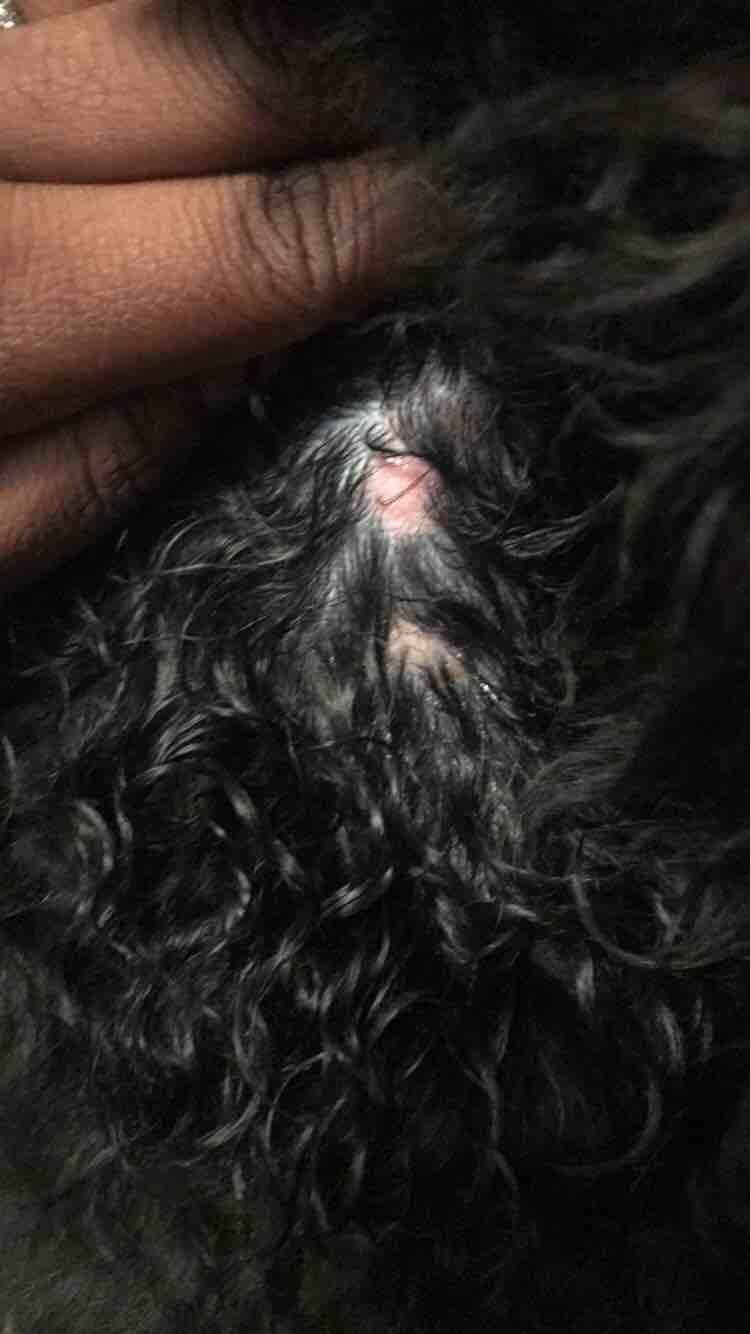
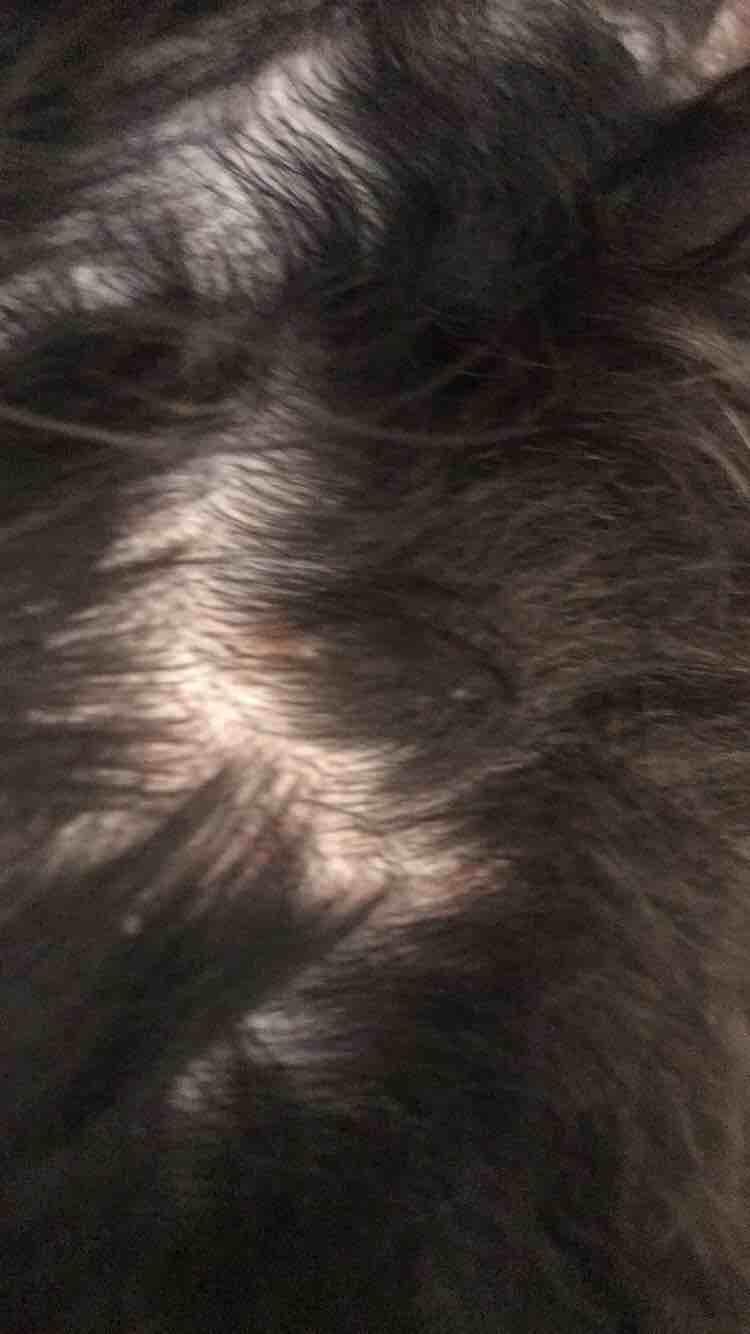
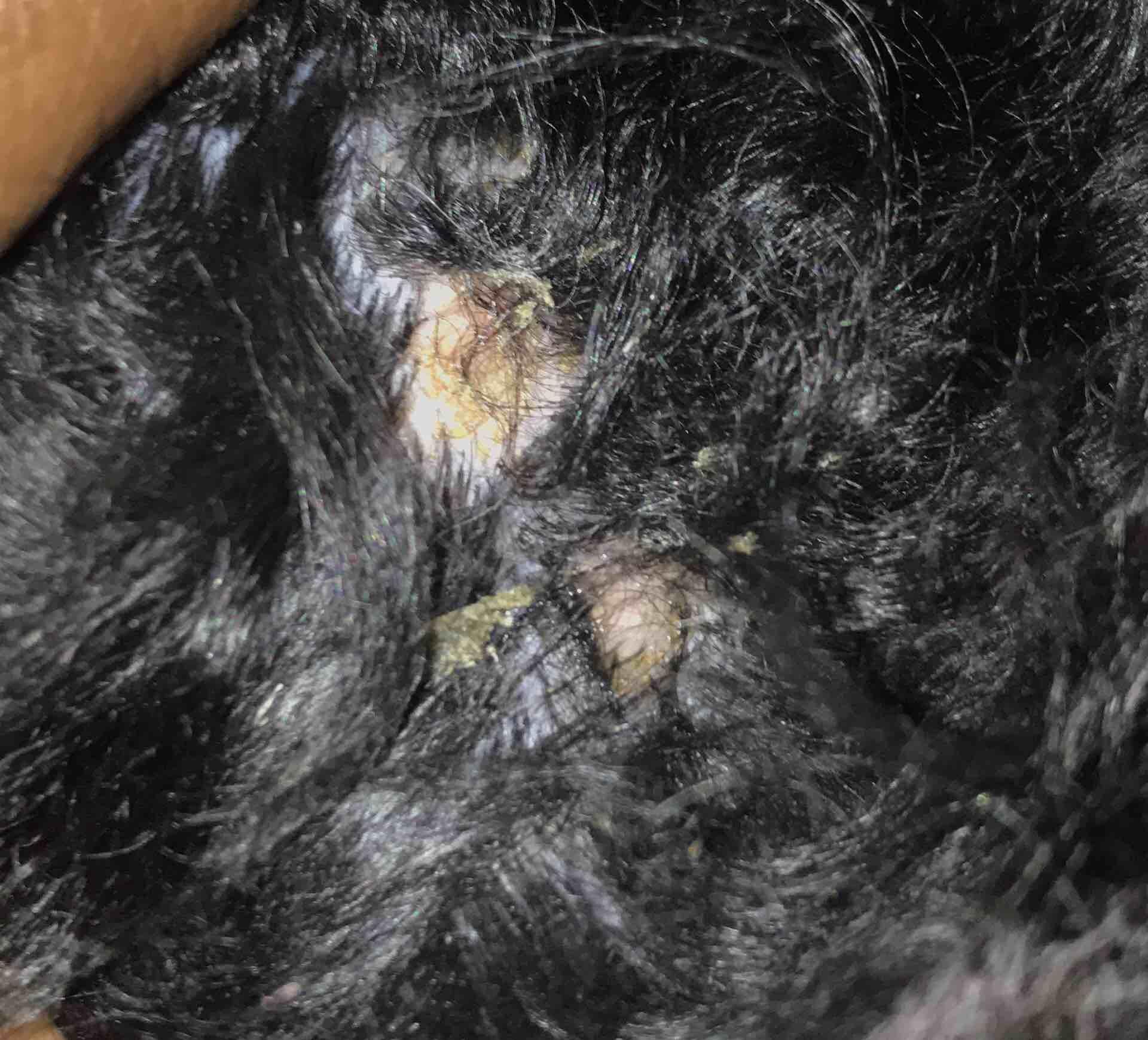
I’m noticed these spots and scabs were my dog is chewing and i know that he’s having a fungal issue and i bought some anti fungal. But I’ve never seen these spots are they actually fungal related or what? I really need help understanding so i can treat him. My vet brushed it off as a food allergy but it only just started when he hit a certain age. We did good changes and this food finally agrees with him and I’m thinking this like mites or something!! He even has Dandruff


2 Answers
Most Helpful Answer

Published on October 20th, 2018
Hello and welcome to Petco Pet Education Center, formerly Petcoach. It is very hard to tell from the pictures, however it looks like the spots might be what we call a 'hot spot' or 'pyoderma' due to the yellow debris present. Food allergies are not present at birth, and develop. 7 months is young for the development of food allergies but it is possible. Fungal disease is possible but from the images I suspect a bacterial infection is more likely. Hot Spots present when the fur gets wet, often in the summer months, and the wet fur sits on the skin and the natural bacteria on the skin multiply in the warm moisture patch. The treatment is to shave the area and keep it clean and dry, and usually oral antibiotics are required. E-collars are important to prevent licking and re-infection of the spot. I would recommend a visit to your vet, and if the spot isn't a hot spot you can have them test for fungal/bacterial infection by doing a skin scraping. Best of luck with Bear!

1Pet Parents found this answer helpful
Related Answers from Veterinarians
-
Published on April 22nd, 2019
Hello and thank you for reaching out to Petco Pet Education Center, formerly Petcoach. This spot looks like a "hot spot", or moist dermatitis. These occur from a dog licking repeatedly at a particular area, causing hair loss and severe irritation of the skin. This causes trauma to the skin, resulting in superficial bacterial infections that are very itchy and can create a constant cycle of itching and licking. Sammie should wear an Elizabethan collar at all times that she has any of these hot spots to prevent her from licking and causing further trauma. Hot spots occur because of any underlying problem, most often allergies. The top skin allergies in dogs include flea allergies, food allergies, and atopic dermatitis (or environmental allergies). I would ensure that Sammie is on a veterinarian-approved flea and tick preventative consistently. The next most common allergy is a food allergy, and the only way to diagnose this is with a diet trial, or an elimination trial. This requires feeding either a 'novel protein diet' (meaning it has a protein that Sammie has never eaten before, i.e. such as venison, or salmon) or feeding a 'hydrolyzed protein diet', which has protein molecules too small for the immune system to have a reaction to. In order for this diet trial to be effective, whatever food you choose must be the ONLY thing that Sammie eats for 8 weeks! That means no treats, no human foods, etc. If her clinical signs of itching resolve with the exclusive diet, then Sammie is likely allergic to whatever protein was in her previous diet. I hope this is helpful! Allergies can be frustrating in dogs... and most veterinary dermatologists do not actually believe that "allergy tests" are helpful. All they show are what antigens dogs have been exposed to previously, but they do not specifically say what dogs are allergic to.
1Pet Parents found this answer helpful


Is this Pyoderma ? It just appeared on my dog ! What treats Do i need to give my dog. What treatment options are there. My vet said it was just food allergies but I’ve never seen this on my dog! Also ! Is it just hot spots ?

Is this a hot spot, an allergic reaction, or rash?
Sammie has had 3 of these type of spots in the past 3 months. She experiences hair loss, and then develops redness with a circle. We’ve taken her to the vet numerous times and they keep thinking it’s an allergy. We did an allergy test and are awaitin
My dog has very bad allergies and currently has some hotspots and what looks to be potential skin infections. His vet is familiar with this with him, but he has been at the vet several times in the past few months and I’d prefer not to stress him out

What could be the cause of my dogs skin discolorations in the circle and square?
My 2 year old Shi tzu cross silky terrier Wally has had skin allergy issues for abou 6 mths they don’t bother him too much after adopting a diet meant to help with skin issues. He skill licks his paws and scratches but not as much. Today when giving
My puppy daisy has been shaking her ears vigorously and scratching a lot behind her ears and on her tail also has some hotspots from licking herself alot. Her eyes seem puffy and swollen what do I do?
Can this be a hot spot, allergic reaction, or from another animal?

Dog is having hotspots but im not sure if it is. She also has dirty ears. The first day, her skin is pink & moist & its only a patch of skin. After a while it gets all crusty & hard. I really want to take her to the vet but i also wanna take her to a

My one year old Australian cattle dog has recently been chewing his skin a lot, to the point of scabbing and removing hair. We switched him to a grain free diet (slowly) about three weeks ago, and he has regularly had his monthly flea and tick treatm

Book an appointment with the pros – our expert vets are here to help.
