


My dog's mange returned worse, losing weight & tired. What's next?
Updated On September 23rd, 2025
Pet's info: Dog | German Shepherd | Male | unneutered | 3 years and 5 months old
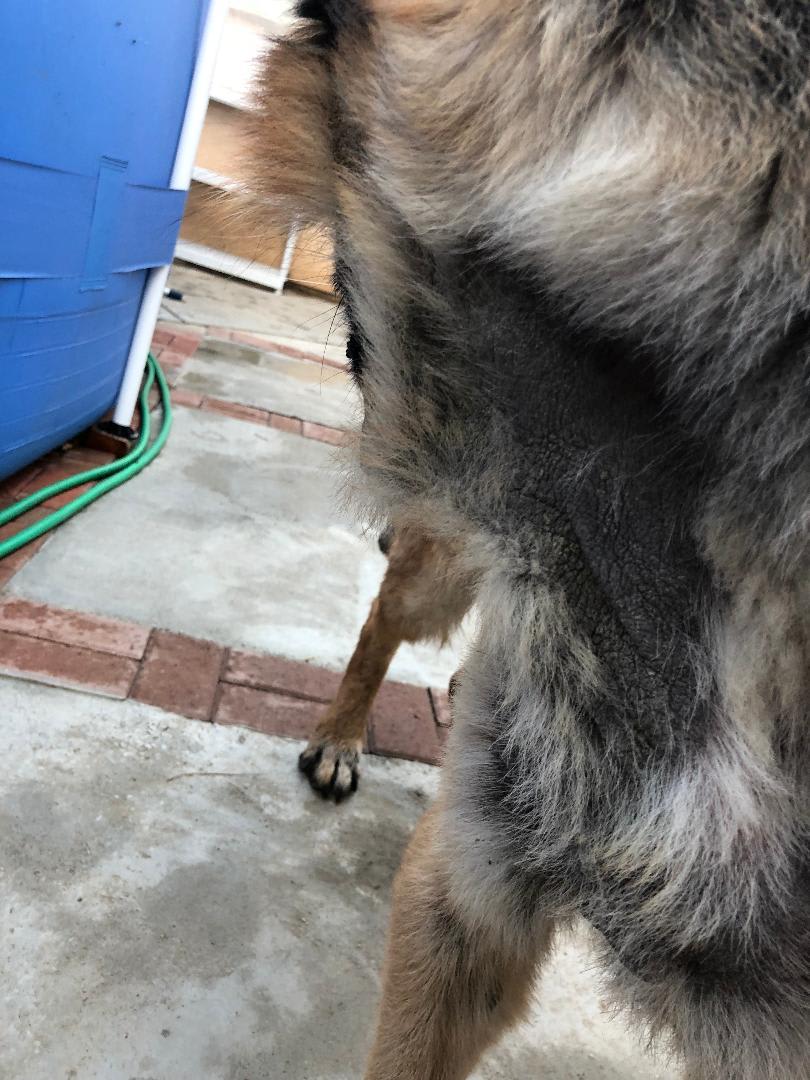
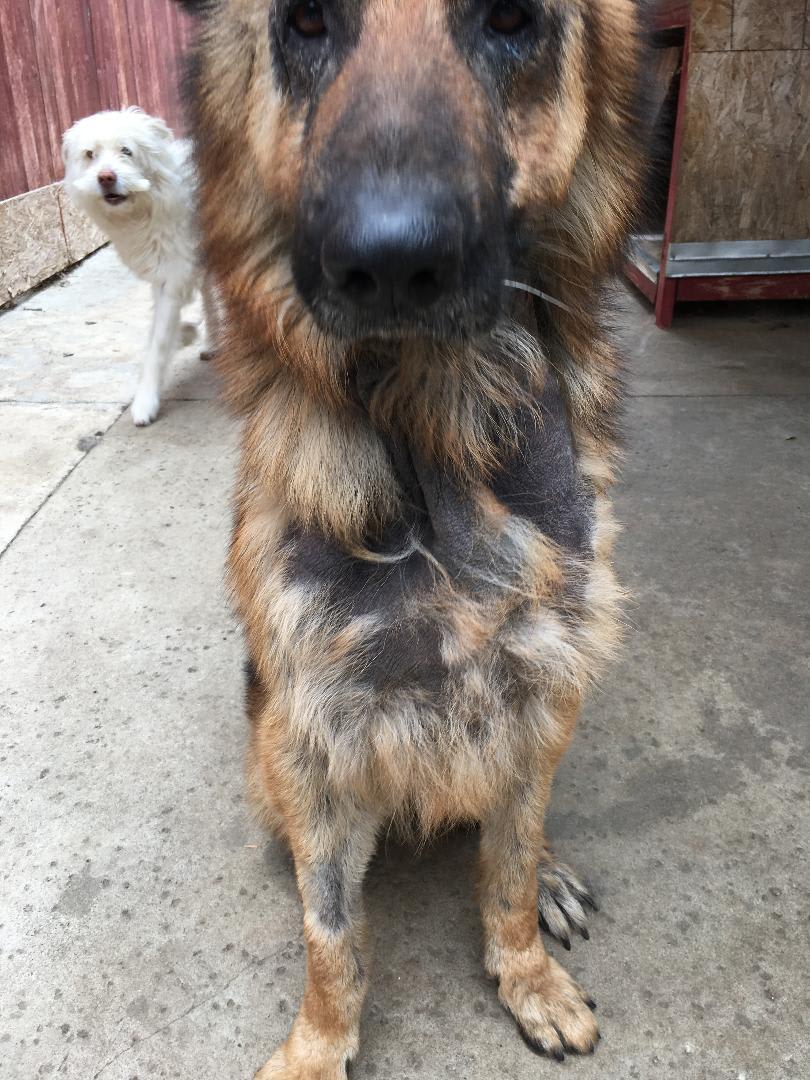
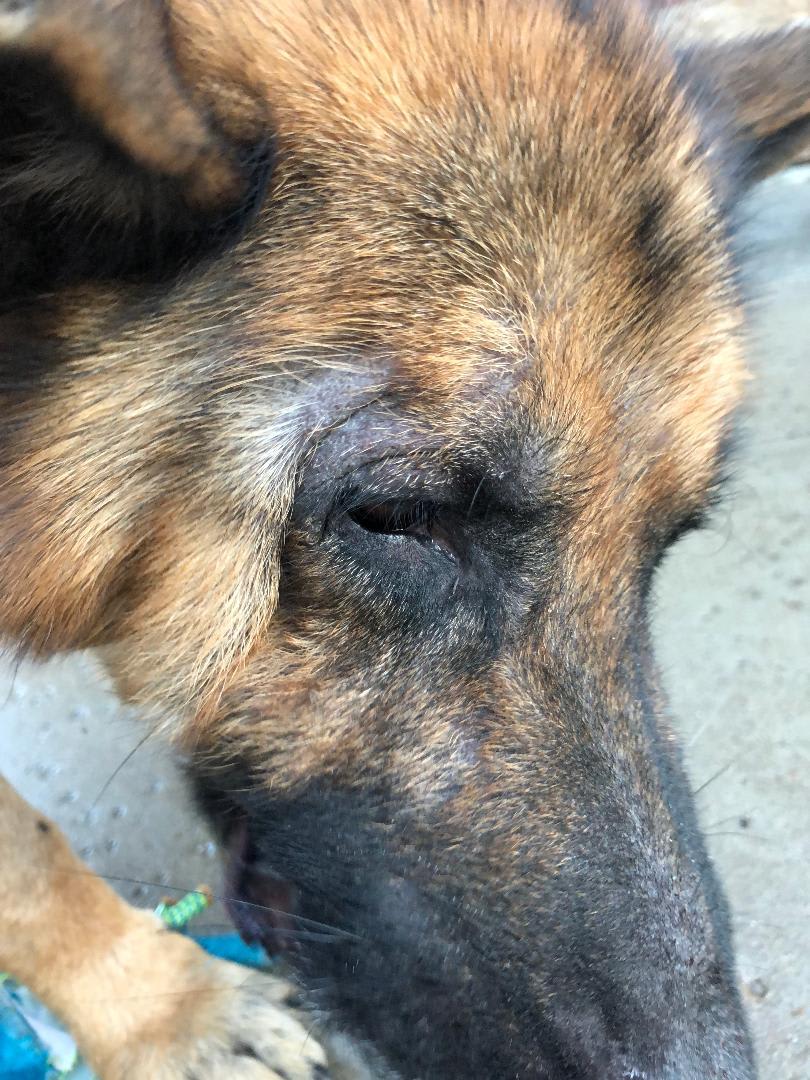
My dog's skin has been turning black and has pink spots all over. I've taken him to 5 different vets in the past year and all have said something different until the last vet diagnosed him with mange and got treatment for it. Once treatment ended, he was doing way better but it came back again but worse. Now, he's losing a lot of weight, scratching himself and gets tired by only walking around. What can I do now?


2 Answers
Most Helpful Answer

Published on October 14th, 2018
Sometimes it takes more than one round of treatment to treat mites. If your dog has demodectic mange your veterinarian will have to look at the underlying cause of the repeated outbreak as demodextic mange usually lies dormant until the dog has a compromised immune system. If it is sarcoptes mange then your dog may have reinfected himself. Your veterinarian can prescribe Bravecto, a chew that covers fleas, ticks and all types of mange, even demodectic mange.

1Pet Parents found this answer helpful
Related Answers from Veterinarians
-
Published on January 31st, 2019
Clinical symptoms of demodex can be resolved, however this type of mange is treated with antibiotics as it is a parasite and not a bacteria. Most dogs do have a small # of this type of mite living in their hair follicles but do not have the hair loss, itchiness and scaly skin typical of pets showing clinical symptoms because they have healthy, mature immune systems. Usually dogs that have recurring symptoms of mange have immune systems that are compromised for a variety of reasons (a young or old age, concurrent illness are some possible reasons). One easy way to prevent clinical symptoms from returning is to keep Willow on a monthly oral flea/tick preventive such as prescription NexGard (given once a month year round), Bravecto (given every 12 weeks) or Simparica (given once a month year round) that is also recommended by veterinary dermatology specialists because they are very effective in treating mange. Oral NexGard, Simparica or Bravecto year round is much easier than the older traditional treatment which often involved daily dosing of oral ivermectin in cherry syrup for 45 days. After dosing with one of these products, use of an anti-itch shampoo twice weekly such as Douxo Calm Dog and Cat Shampoo (available on Chewy.com) with phytosphingosine to help restore the skin barrier is very helpful to improve comfort/reduce itch. Having a full physical exam and screening bloodwork to rule out concomitant medical issues that could be compromising Willow’s immune system is recommmended as well. Good luck!
1Pet Parents found this answer helpful


I just asked a question about my pet Willow and I wanted to say thank you to Dr. Linda G for explaining my pup's demodectic mange in a way I can understand. That being said, is demodex curable? How long do I have to wait to spay? Why does the mange c

My dog is suffering from Mange and it has become worst now demodectic mange
My mara had demodix as a pup.we did all the dips and antibiotics with the ivemic protacol.it would clear her skin while we were doing all of that but as soon as we stopped all these chemicals it came back with the pustules and raw feet.i stopped all
My pup had demonic mange I've been given him ivrmec 1/2 cc for the last 21 days but not really getting any better any advice

Nu'u has Demodex mange, she's pink on most of her body, and I've read that benzoyl peroxide shampoo is the 1st step at attacking these mites, what's next?
What could be wrong with my dog skin. He has been receiving treatment for demodex Mange but seems he could have a secondary infection
My 3 month old lab puppy scratches all the time. I have been to the vet and he said mange the first time. Puppy pyoderma the second time and he is back to mange again. My dog is not losing his hair and my other dogs are not catching mange, if that is
My vet said this is mange but said for me to try happy jack. Advice on if this is truly sarcoptic mange? Also is there a oral medication I can ask for or buy that will help? His skin is warm to touch and pinkish/red. He has lose hair around anus as w

My dog was recently treated for Giardia/ ear infections. Not long after he started experiencing sudden and RAPID hair loss/itchy red skin. My vet thinks its allergies but I asked for a fungal culture due to existing circular patches that looked like
What could be wrong with my dog skin. He has been receiving treatment for demodex Mange but seems he could have a secondary infection. He's itching a lot scratching his hair out and his skin is turning red. He's been receiving treatment since May 25

Book an appointment with the pros – our expert vets are here to help.
