


Why is my dog still scratching and biting after flea treatment?
Updated On September 23rd, 2025
Pet's info: Dog | Mixed Breed Medium (23 - 60lb) | Female | spayed | 4 years and 9 months old | 35 lbs
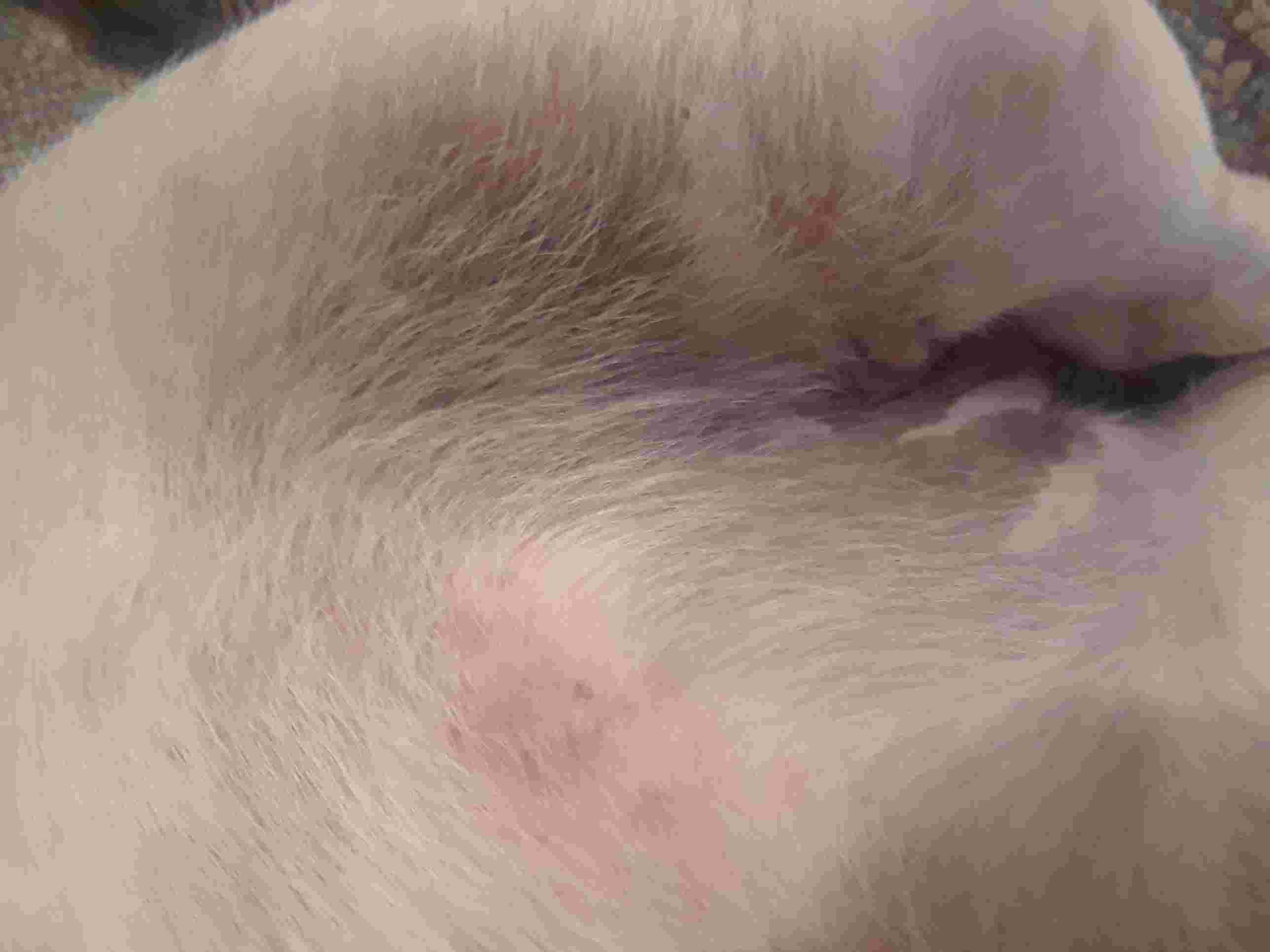
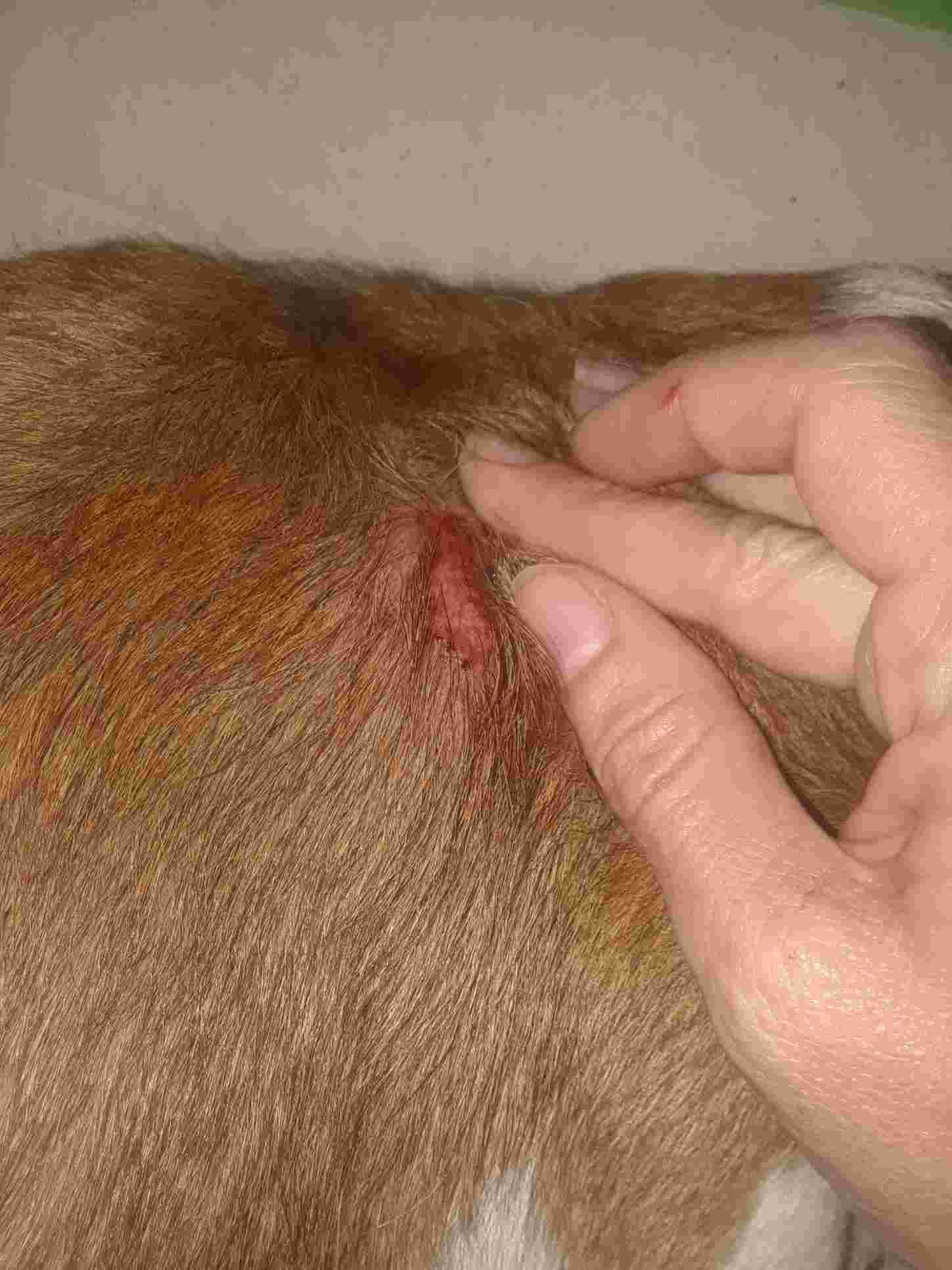
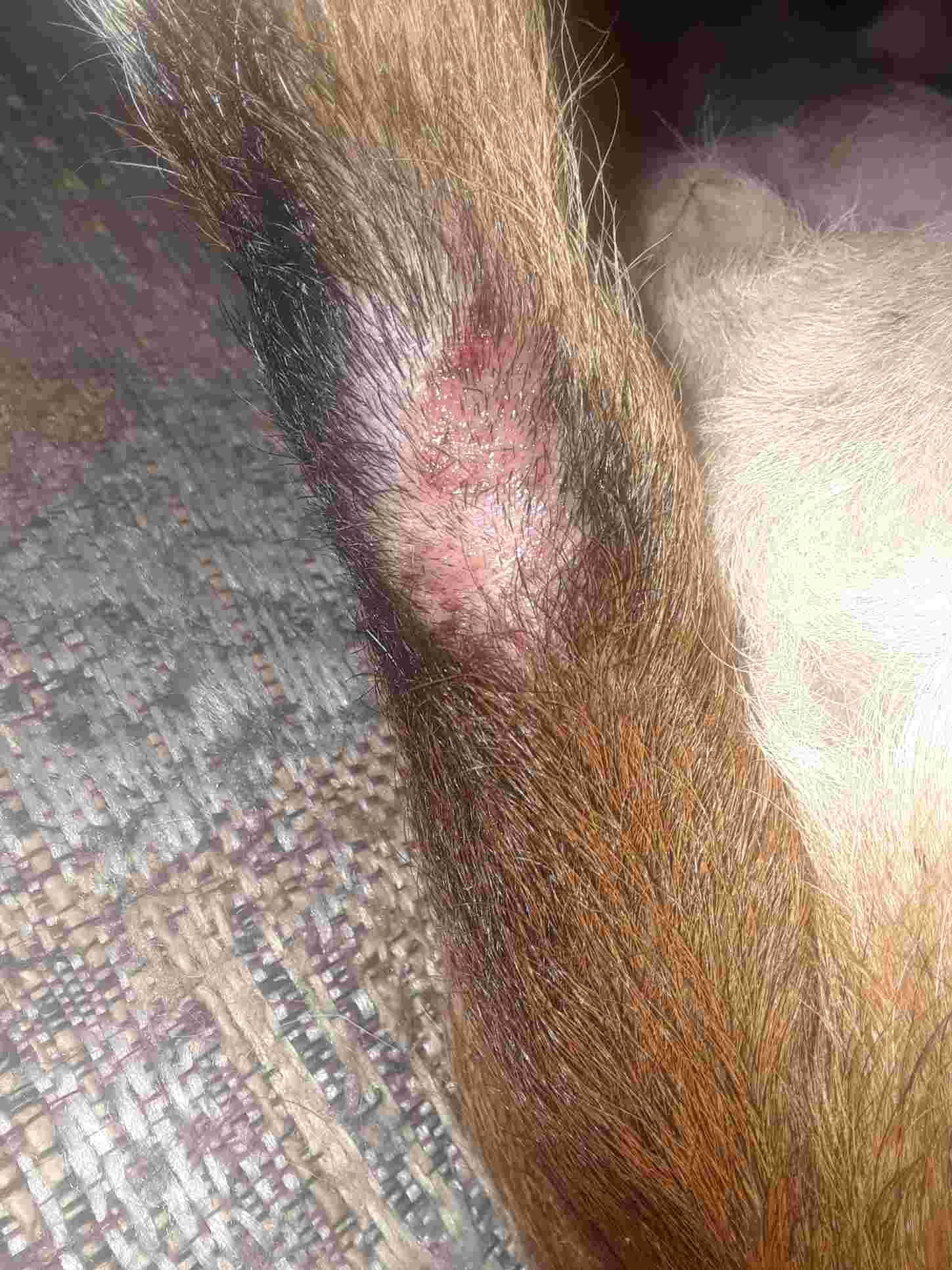
My dog keeps scratching and biting, I have treated her for fleas but continues to scratch n bite. 1st pic is her belly n by her back legs, 2nd pic is her tail, 3rd pic are what both her sides are starting to look like from scraching so hard


3 Answers
Most Helpful Answer

Published on September 24th, 2018
Looks like your little lady is giving herself some hot spots there. If there is a hot spot forming under the hair then the best thing to do is to remove the hair and cleanse the area with an antibacterial solution. Some dogs require topical and/or oral antibiotics and other dogs benefit from some steroids to stop the itch. Most hot spots are secondary to underlying allergies (inhaled/environmental, food, or flea). If seasonal environmental is most likely. The best way to help her would be to see your family vet to have the areas addressed topically and so that medications can be prescribed to treat any infection and stop the itch. I hope this helps and thank you for using Petco Pet Education Center, formerly Petcoach!

1Pet Parents found this answer helpful
Related Answers from Veterinarians
-
Published on August 3rd, 2017
I am very sorry to hear that Vicki is having skin issues. From what you are describing it sounds as though she is reacting to the flea bites, this is making her skin itchy. When dogs are itchy they often bite their skin and cause tissue trauma and infection. This can cause moist dermatitis or "hot spots". Hot spots can be very difficult to heal, and take a long time. The keys to a successful healing process are; Treatment if he underlying cause- the fleas A clipped area around the sore Cleaning the sore with a vet prescribed antiseptic Leaving the sore open to dry out (as the moisture promotes bacterial growth) Antibacterial/ hydrocortisone spray prescribed from the vet for healing An e-collar to prevent Vicki from scratching or biting at the hot spot and making it worse Measure the hot spot with a ruler, and compare in a few days time to make sure that it is reducing in size. If you feel like Vicki is not healing well, I would suggest a trip to the vet for the above medications. Oral antibiotics and/ or a steroid injection may help to jumpstart the healing process. I know hot spots can be very frustrating for you as a pet parent and for Vicki. I sincerely hope it starts to heal soon. Warmest regards to you both.
1Pet Parents found this answer helpful
-
Published on August 11th, 2017
I am so sorry to hear that Tasha is having trouble with her skin. It is difficult to know ahh the initial lesion was, parasites, fleas or even a skin allergy. However, when a dog has irritated skin they often react by chewing or licking their skin. This causes tissue trauma and can introduce infection. This leads to moist dermatitis or "hot spot". Hot spots can be very difficult to heal, and take a long time. The keys to a successful healing process are; Treating the underlying cause -for example fleas A clipped area around the sore Cleaning the sore with a vet prescribed antiseptic Leaving the sore open to dry out (as the moisture promotes bacterial growth) Antibacterial/ hydrocortisone spray prescribed from the vet for healing An e-collar to prevent Tasha from scratching or biting at the hot spot and making it worse Measure the hot spot with a ruler, and compare in a few days time to make sure that it is reducing in size. If you feel like Tasha is not healing well, I would suggest a trip to the vet for the above mentioned medications, or call and discuss the possibility for a prescription. Oral antibiotics and/ or a steroid injection may help to jumpstart the healing process. I know hot spots can be very frustrating for you as a pet parent and for Tasha. I sincerely hope it starts to heal soon. Warmest regards to you both.
1Pet Parents found this answer helpful

My 13 yr old diabetic dog never had fleas.Two weeks ago she chewed a bald red spot on her tail which she bites and chews still, 2 days after I gave her Bravecto flea pill which works for 90 days. So why is she still chewing after Bravecto pill? She

My 3 year old female bulldog constantly scratches & bites herself sometimes until she bleeds. I thought it was "hot spots" but I've tried several hot spot medicines & shampoos with no success. She gets a bath frequently and she doesn't have fleas
My dog started flea biting and licking her feet legs and rear end. She is also biting her back toe nails. She was flea and tick treated 2-3 days after this started. What could it be?
My+dog+seems+to+be+scratching+alot+and+pulling+out+hair.++We+have+put+on+flea+medicine+but+she+is+still+scratching.+

How do you know the difference between fleas and dog having hot spots?

My dog Sasha has been itching nonstop and biting on herself I thought it was flees because I seen a couple but I gave her a flees bath she continues to scatch alot and bite on herself still I want to know what it is and what I should do for her thank
My dog has been losing her in her tail and the back if her body bc she bites it, we were told it was fleas and that she bites it a lot. As I was brushing her I saw a red spot (the one in the picture) and i’m wondering if it is the fleas or if it is s

I brought a retriever mix home from the pound a few weeks ago, and immediately put her on Advantage Multi. She was still scratching after 3 weeks so I administered another dose. No change. She is not infested or anything like that, but the scratc
My dog as a flea allergy and I have treated her and her skin cleared up lovely. She no longer has fleas but now has hot spots that she constantly licks. I am using a antibacterial powder that seems to be working but what else can I do?
Our dog has no fleas but is constantly scratching, biting and digging at herself. We've switched her to a grain free food. Not sure why this is happening but it's sad to see. Any other suggestions on what can be done?
Book an appointment with the pros – our expert vets are here to help.
