


My dog is aggressive towards other dogs on walks. How to train him?
Updated On September 23rd, 2025
Pet's info: Dog | German Shepherd | Male | unneutered | 75 lbs
I have a 15 month old German shepherd and akeda cross. He is not at all good with any other dogs. He is very aggressive and when he see one he barks and snarls and his ears go down and his tail is up and his fur is on end. I don’t know what to do it makes me have a hard time walking him and I worrr when I come near another dog. I’m scared and he probably senses that but I’m at a loss on what to do any ideas


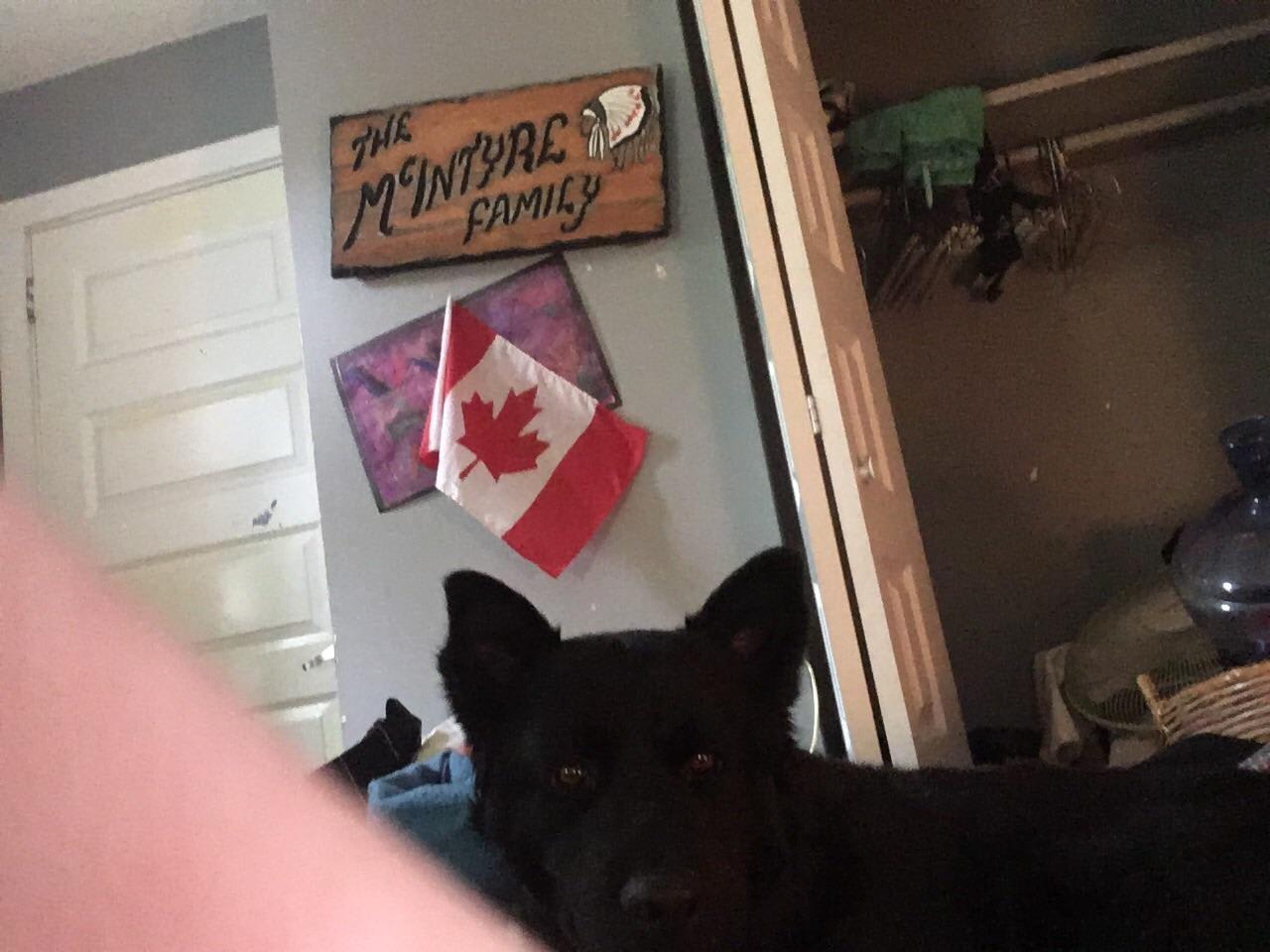
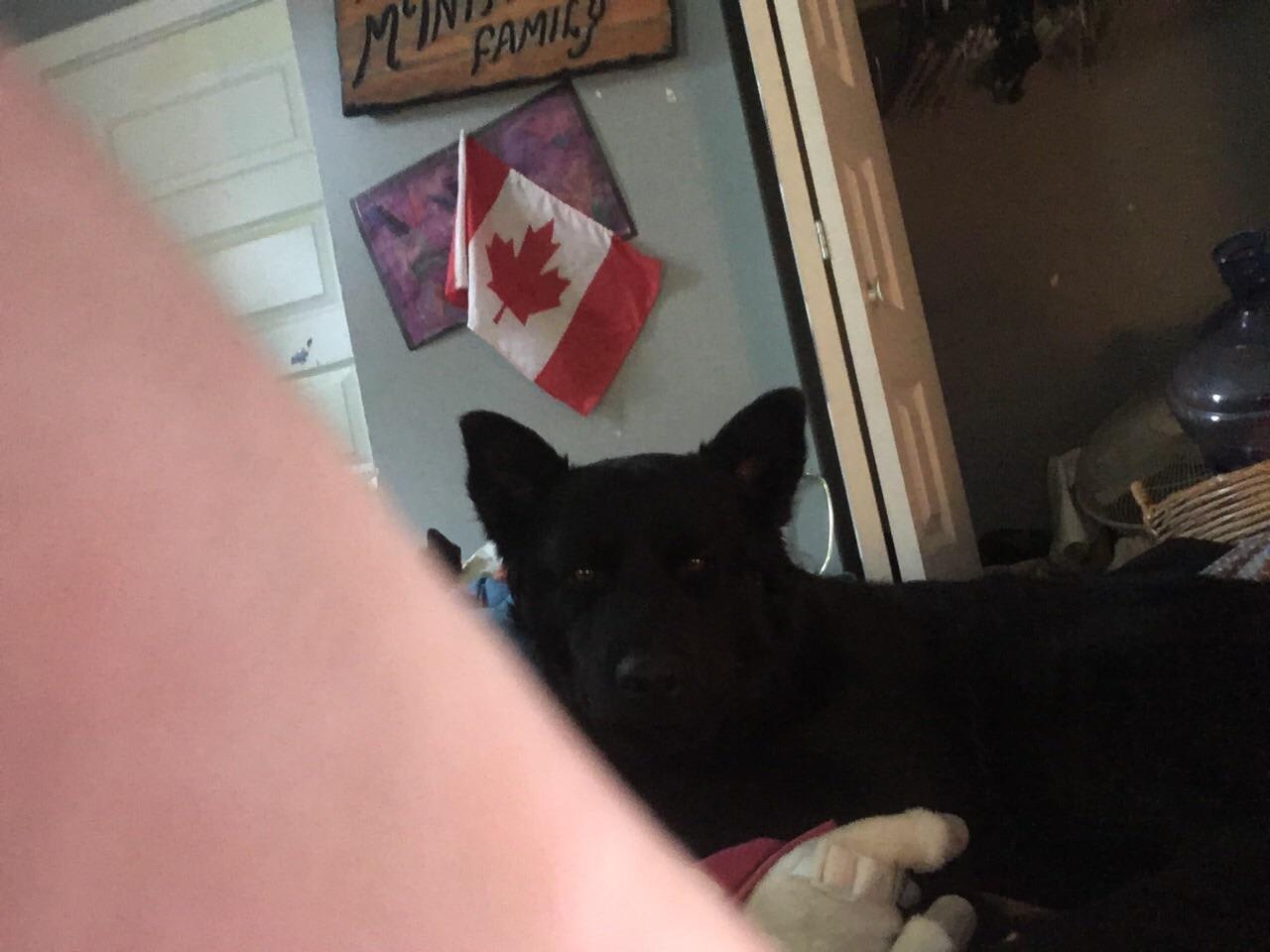
4 Answers
Most Helpful Answer

Published on September 20th, 2018
This is a case for a professional trainer. I suggest you work with a professional trainer or join a dog club where you can do obedience training with your dog and work on the aggression issues. You can also have your dog evaluated by a veterinary behaviorist who can help you with behavioral modification tips as well as medication if necessary. Here is where you can find a veterinary behavioral specialist: https://www.dacvb.org/search/custom.asp?id=4709

1Pet Parents found this answer helpful
Related Answers from Veterinarians
-
Published on August 1st, 2019
That's not good. I never recommend owners work with aggressive behavior on their own due to safety risks. I would speak to Teddy's vet about a referral to a professional behavioral expert for training. Do not allow him off leash around other dogs when you are in public, and don't have other dogs come over to your home until the trainer feels it's safe. I hope this helps!
1Pet Parents found this answer helpful
-
Published on December 30th, 2016
This is unfortunately very common. Young dogs often learn from a single scary experience that all dogs are to be feared, and therefore become very aggressive towards them to prevent them from coming near. This problem usually responds very well to training, but it can be difficult to do on your own - so I would really recommend getting in touch with a good reward-based trainer who can help you in person. You can search for a qualified trainer in your area here: www.ccpdt.org Generally, treatment for this problem involves teaching the dog to associate good things (usually treats) with seeing other dogs. So you might carry treats with you when you take him for a walk, and praise and reward him immediately as soon as he notices any other dog on the street. But in order for this to work, it's important to start at a distance where your dog is comfortable and able to stay calm - if he's already barking and lunging, you're too close. This may mean that you need a lot of distance at first! This is where a good trainer can help, by setting up controlled training sessions with a calm "helper dog" until you get the hang of things.
1Pet Parents found this answer helpful
-
Published on August 3rd, 2018
You'll need to gradually introduce them. Separate them completely for several days, begin by having them hear and smell one another through a closed door. Correct any negative behavior immediately and praise good behavior. Progress to allowing Stitch to see but not have contact with the Lab. Again, correct negative responses/behaviors immediately. The next step would be to allow a controlled physical introduction. The safest method would be to have one of the dogs in a closed crate or pen. A pheromone product, such as the Adaptil collar or DAP plug in diffuser, may decrease any anxiety or aggression while acclimating them.
1Pet Parents found this answer helpful



How do I correct leash aggression?

My dog is very aggresive towards other dogs. I'm guessing because she didn't have a good experience with them as a puppy and growing up she didn't interact with them. A professional trainer is expensive for me. Is there anything I can do on my own to
My 1.5 year old dog was very nice and non agressive but ever since another dog tried to attack him in July he acts agressive towards other dogs, barking and growling at them. What do I do to make him stop?
My dog is as sweet as can be with humans, and lived with three other dogs in his foster home, but he has been showing a lot of aggression towards other dogs recently. He growls and barks a lot. He gets very stiff and stares them down. His back looks
My 4 yr old puggle does well off the leash, listens to us and everything, but when he sees another dog that has their leash on he becomes aggressive and tries to fight them. Why does he do this?
We adopted an 8 year old toy Maltipoo 1 year ago. She is very loving to adults and kids but hates dogs to a point she would try to bite them if I don't keep her away from dogs. Groomer says it is me, she doesn't want dogs near me. She sees other d
Hi there! A dog I recently purchased from a shelter has shown aggressive behaviour ( attacking an unprovoked dog) any advice would be great!
Zeus is a good dog in general. He's not aggressive at home, or around people he knows. However, when we are out on walks and pass by another dog, he goes into what I think is defensive mode. He barks and growls & will try to bite the other dog, ev

How do I get my dog to be less aggressive to others dogs while I walk him? He is nice with people but goes crazy when he sees other dogs. I have another small dog and they get along great! What can I do to stop this behavior?
Hi I have a ten month old staff cross German shepherd and he always barks at other people and gets aggressive so it's hard to have any visitors round or take him. Outside for a walk

Book an appointment with the pros – our expert vets are here to help.
