


Can blue-green algae poisoning cause long-term liver damage in dogs?
Updated On September 23rd, 2025
Pet's info: Dog | Blue Heeler | Female | spayed | 30 lbs
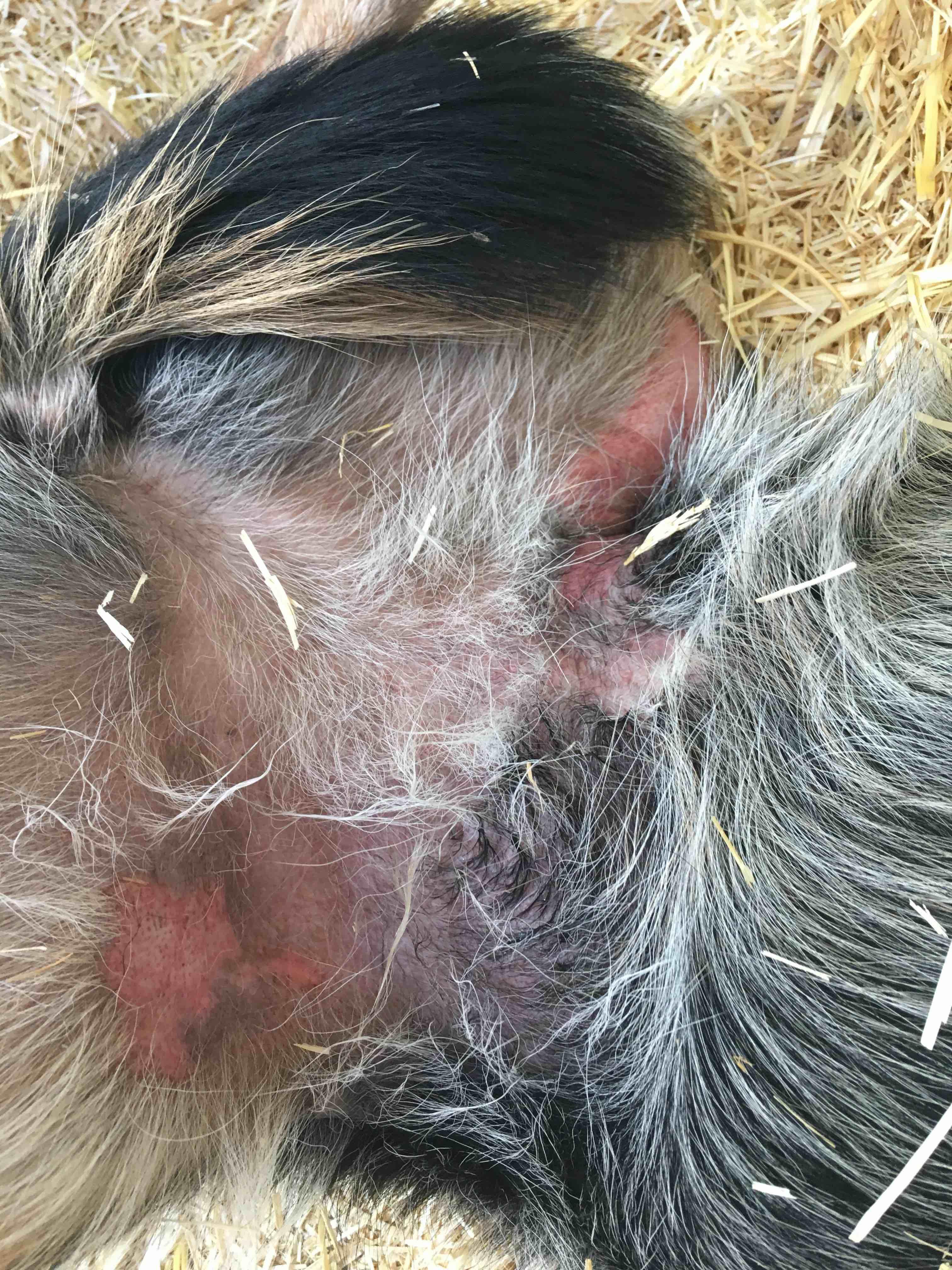
My dog got a positive test back for blue green algae. It’s been a week and a few days since we went to the lake, and she was acting normal until two days ago. She went to the vet and everything but should I be worried about long term affects of this poisoning? I’ve read about liver failure? Or would it have already happened if it affected her that badly? She just has this bad rash and is limping from it and has white ish gums still.


1 Answer
Most Helpful Answer

Published on September 5th, 2018
Hello and thank you for reaching out to Petco Pet Education Center, formerly Petcoach. I'm sorry to hear that Mj tested positive for blue green algae but I'm glad you sought out veterinary attention. Clinical signs of poisoning are dependent on the toxin involved. Microcystins can result in liver damage or failure. Signs of liver injury include vomiting, diarrhea, blood in stool or black, tarry stool, weakness, pale mucous membranes, jaundice, seizures, disorientation, coma, and shock. Death generally follows within days as a result of liver failure. Blood work changes include elevated liver enzymes, a low blood sugar, a low protein, and even abnormal clotting. These are things that your veterinarian would be able to detect. Anatoxins result in neurotoxicity evidenced by excessive secretions (e.g., salivation, lacrimation, etc.), neurologic signs (including muscle tremors, muscle rigidity, paralysis, etc.), blue discoloration of the skin and mucous membranes, and difficulty breathing. Death typically follows within minutes to hours of exposure as a result of respiratory paralysis. If Mj is not showing any of the clinical signs above, I think her risk of being in liver failure is low. However, her pale/white gums are very concerning to me, as this could indicate anemia, or a low red blood cell count. This can make dogs dangerously hypoxemic, meaning they don't have enough oxygen in their blood stream to perfuse their tissues. I would contact your veterinarian to let them know that she is having these signs, so they can determine, based on her exam and bloodwork from her previous visit, if additional intervention is necessary. I hope this is helpful!

1Pet Parents found this answer helpful

My dog has just been swimming in a lake that has blue green algae in it, we immediately pulled her out but now she is acting strange. It might be the fact that yesterday she ate an acorn, I think. Any ideas?

My dog died.she was having cluster seizures after taking her to vet her seizures stopped but was lying life less with open dryed eyes,the next day she was throwing blood,and on the last day she vomited green the vet took blood test before the results

Hi my name is Chris and I live in Colorado. Recently I’ve heard that’s dying from blue green algae from ponds and lakes. Is this something everyone should be worried about? Are there more cases like this that I’m not hearing about? And what preca

My dog's bilirubin is at 20.7. We believe it's from ingesting leaves from a Jatropha tree. She's in Denamarin and was hospitalized with fluids for 5 days. Can you suggest anything to help get her bilirubin down? She's eating and drinking and is prett
A belgian shepherd (malinois) has been losing weight and not feeling himself for over a month. He was taken for blood and urine tests and the results are high ALB, ALT, AMYL, UREA, PHOS, TP, ALB, and low CHOL,LIPA,CA, The vet said he has been poiso
My dog has an elevated primary liver enzyme (ALT) level of 561 IU/L. His bilirubin and AST levels are also High. I think he may have eaten something. What should I do?
We are currently waiting for our puppy to come to our home and we have found out that the breeder's home has had carbon monoxide and we wanted to know if this will affect the puppy in anyway and also will it cause problems as the puppy gets older. Sh

My dog ate several cycad seeds a few days ago. we took him to the vet 24 hours after he began vomiting. He was put on a fluid drip, had blood tests (showed mild hepatopathy) and X-rays (showed no obvious obstruction in belly). I was allowed to take h
Tonight my 9 wk puppy was playing with my toddler with a belladonna lily. An hour later she was vomiting, had terrible diarrhea, was drooling and shaking. The emergency vet is 3 hours away, so we decided to watch her for an hour first. She has stoppe
My 15 mo Cairn Terrier seems perfectly fine, yet liver enzymes were slightly high, 145, at routine 1 year wellness exam.. Retested 3 weeks later- 237. Was put on Denamarin and special diet from vet, 30 days later 391. Had access to sago palm leaves,

Book an appointment with the pros – our expert vets are here to help.
