


My senior cat with FIV isn't eating; why is he pawing his mouth?
Updated On September 23rd, 2025
Pet's info: Cat | Mixed Breed | Male | neutered | 14 years and 7 months old | 7 lbs
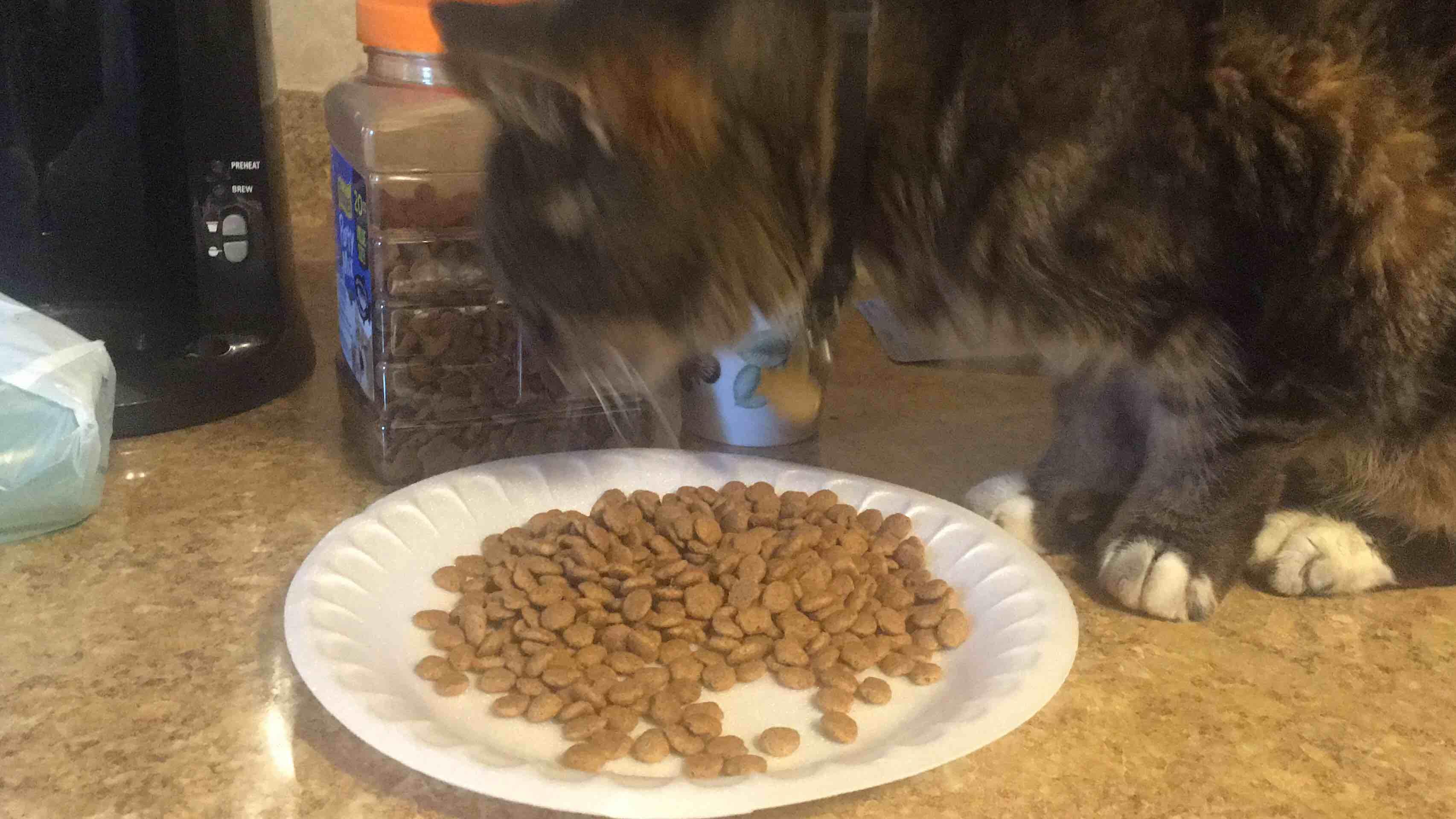
Our 14 year old cat who has had FIV for 5 years, also has cataracts, is blind was not eating much for 4-5 days, lost weight as a result has been eating Purina Cat Chow since yesterday which he preferred over Hills Perfect Weight he was eating prior as well as soft foods. 2 days ago he wasn't eating much, mostly just licking the soft foods then started eating hard foods again. It might be a sore throat as he was putting his paw on his mouth while eating hard treats, he'll eat that no matter what.


2 Answers
Most Helpful Answer

Published on August 9th, 2018
This sounds a lot like your kitty has problems with his teeth or possibly severe gingivitis or ulcers in his mouth. If he lets you have a look, inspect his mouth for red spots, a red gum line and severe tartar, especially on the molars or any swelling. He will likely need a dental cleaning under anesthesia, if he has not had one in the last year or two. Cats get so called FORL, that is the neck of the tooth often rots underneath the gum and eventually starts hurting. Typical signs would be red gums and some swelling and not letting you have a look at his mouth. Affected cats often want to eat, go to the food, eat a little and then stop only to return later for more but few bites. Please make an appointment with your vet for an exam very soon. In the meantime feed canned food which will be less painful to eat.

1Pet Parents found this answer helpful
Related Answers from Veterinarians
-
Published on June 11th, 2017
This sounds like Nat could have something called feline oral resorptive disease and/or feline gingivostomatitis. We're not exactly sure what causes these diseases but we think there's a component of bacteria as well as the immune system of the cat. With it the teeth essentially start to get resorbed in the gingiva become very inflamed and painful. However often time the roots can be retained underneath the gumline and cause issues like abscesses in pain. Typically it takes dental x-rays with the pet under general anesthesia to diagnose. It is important that if there are roots they are removed as they will continue to cause pain and infection with your cat. Therefore I do recommend you take him to your veterinarian and discuss this possibility with them as well as what can be done if anesthesia and dental surgery is not an option. This might include steroids, antibiotics and certain diet changes.
1Pet Parents found this answer helpful

My 8 year old cat recently stopped eating dry food and when i give him wet food he acts like he cant swallow it like its peanut butter and paws at his mouth anything I give him chicken the same. What can i do

Bunlot has FIV. He recently lost energy, stopped eating, and started breathing heavily so we took him to the vet who said his white blood cell count was low and prescribed antibiotics and blood supplements. He finished the course of medicine but was
Our cat we adopted through petco sponsored shelter was FIV + at 6 months. I was told he could have out grown the virus. Well now at 13 months, I’ve noticed the past four days he hasn’t been eating his dry food at all, drinks water when I put him at t
8 weeks ago I adopted a 12 yr old cat from a shelter who had recent dental surgery and was severely underweight. Once I got him home I took him for a complete exam. During the exam we found a mouth infection, ear infection, elevated liver levels, swo

My 5/6 ur old cat has lost all of his teeth except his long "k9" teeth. He does not seem to be in pain and there's no bleeding or sign of swollen gums. Should I take him to the vet and pay the expensive vet fee or just change his food to soft food?
My cat always have food that they have always enjoyed but as they have gotten older they have just stopped really eating. They have been practically deteriorating and starving themselves. Very occasionally if there is meat being prepared they will tr
My cat stopped eating dry food. He is 13 yrs old. Just before he stopped, he threw the dry food up. Have been feeding him all wet food since. No problem eating. No other signs of illness. Lush coat and clear bright eyes. Used to feed him urinary S/O
my 15 year cat is eating very little. she also has 1 broken front tooth. i have been feeding her kitten wet food or kitten mousse. is this ok for her? she is gaining weight slightly as she sleeps most of the time. thanks
My 2year old male cat has reduced his food intake in the past 2/3 months and has lost quite some weight. All other behaviour seems normal except this. He visits his food tray and nibbles a little and gives up several times a day. I give him wet food
11 year old cat recently started complaining about eating his dry food, and has began demanding and crying for more of his soft food, which has always been a once a day treat, not his main diet. He's already round, robust, and ridiculously spoiled so
Book an appointment with the pros – our expert vets are here to help.
