


Help! My cat won't poop in the litter box. What should I do?
Updated On September 23rd, 2025
Pet's info: Cat | Snowshoe | Male | neutered | 9 months and 21 days old | 7 lbs
Hi. I have a issue that I am not sure what to do about. We got Om in February. He has had major behavior issues. Food aggression, which we have gotten under control but now he has a major litter box issue. He will sometimes use the litter box but most of the time he only person in it but will not poop in it. We have tried everything. Rewarding him when he uses it and disciplining when he does not. We're not sure what to do. I don't think it is a litter issue or a box issue (his own separate box)
2 Answers
Most Helpful Answer

Published on August 5th, 2018
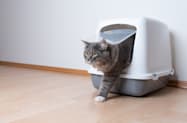
Hello, sorry to hear about Om. There are a couple of things that can contribute to this. Primarily have 1 litter box per cat and then an additional one is a must. Having the litter boxes in a private area also helps. Finally, trying different types of litter is another thing to consider. Here are some tips on litter box use what may cause inappropriate eliminations. Hope this helps and best of luck. Feline inappropriate elimination is a common behavioral problem. Many owners may become frustrated trying to cope with this problem. Help is available. Because inappropriate elimination is associated with an increased risk of relinquishment to shelters, treatment should be sought early on. Contact your veterinarian or local animal behaviorists for additional help. What is inappropriate elimination? Inappropriate elimination is the deposition of urine or feces outside the litterbox. Cats displaying inappropriate elimination may either be eliminating in the wrong area, or exhibiting marking/spraying behavior as well. Inappropriate Elimination vs. Spraying / Marking? Urine marking is a distinct problem separate from inappropriate elimination. These two behaviors are similar and can often be confused by owners. Urine marking is most common in intact males, but a relatively large proportion of cats will display this problem. Reasons why your cat may be eliminating inappropriately: Medical: A number of medical conditions may contribute to and intensify house-soiling problems. Kidney, liver, and thyroid diseases can cause increased drinking and increased urination. Inflammation of the urinary tract can result in painful or frequent urination, or inability to urinate. Once a cat associates the litterbox with urinary difficulty, he or she may be reluctant to return. Animals may also experience age-related changes (arthritis, loss of vision or sense of smell, senility) that alter normal litterbox habits. A complete physical examination, plus other recommended diagnostic tests by your veterinarian is necessary to rule out and treat medical problems. Substrate, Litterbox or Location Aversions and Preferences Cats may find fault with the chosen litter substrate, litterbox location, and/or the litterbox itself. Dirty or artificially-scented litter is often distasteful to cats. Litter texture may also be unappealing– most cats prefer fine, sand-like clumping litter, while some prefer coarse, non- clumping litter or soft substrates, such as towels. There are many reasons litterbox location may be offensive, such as close proximity to highly-trafficked areas, feeding areas, loud noises such as washing machines and dryers, and other pets (particularly if they terrorize or ambush).The actual litterbox(s) may be too small, insufficient in number, contain harsh odors or aversive plastic liners, or have sides that are too high– a particular problem for kittens and geriatric cats. Cats with a preference for an inappropriate substrate or location may still continue to use their litterbox, but inconsistently.

1Pet Parents found this answer helpful
Related Answers from Veterinarians
-
Published on
What can I do for my cat that is eliminating inappropriately? The recommended treatment for such cats is multifold so work with your veterinarian to determine why your cat is doing this behavior. Here are some general guidelines. First, identify the offensive aspects of your current litterbox arrangement. Is the litterbox being scooped and completely cleaned frequently enough? Is the box large enough? What substrate does your cat(s) seem to prefer? Ensure that you have at least one litterbox per cat in the household (and potentially more), adequately spaced. Consider that covered litterboxes, automatic litterboxes, litterbox deoderizing additives, and plastic liners may be aversive to some cats, but acceptable to others. Choose litterbox locations that are quiet and free from harassment. Second, increase the litterboxes’ appeal and accessability by conducting a litterbox choice experiment. Offer your cat a variety of litterbox and litter choices (from coarse to fine, clay and non-clumping), boxes without liners, and different litter depths. Create a quiet area with all litterbox choices available to the cat. Allow the cat several days to make a selection. Animals may initially prefer the substrate they have been accustomed to but may select a different substrate later in the trial. Be patient during this litterbox trial period. Third, discourage use of inappropriate elimination areas by cleaning soiled regions with an enzymatic cleaner. Cats that are fed or receive attention in a commonly-soiled area may be discouraged from eliminating there further. If your cat targets only a few areas of the house, remote distracters (contact paper sticky-side up, aluminum, motion-or-light-triggered alarms, etc.) may be used, but only if the punishment is delivered immediately and consistently. Never physically or verbally punish your cat. What can I do for my cat that is displaying marking behavior? All cats should first be evaluated by a veterinarian to determine the correct diagnosis. Unaltered males should be neutered. Hostile intercat interactions, either to cats inside or outside the home, often trigger marking behavior. Reducing these interactions by blocking windows, making the yard antagonistic to outside cats, partioning living space for indoor cats, and ensuring separate feeding areas and litterboxes may subsequently reduce marking. Litterbox hygiene should be maintained to encourage appropriate elimination. The feline facial pheromone product Feliway® can be used to help decrease marking. Medications may be also be used in conjunction with environmental and behavioral changes. If you cat has been diagnosed with urine marking, please contact your veterinarian for more information,. For any inappropriate elimination problem, there is help. Please work with your veterinarian to devise a treatment plan specifically for you and your cat.
0Pet Parents found this answer helpful


My cat is 10 years old and she is pooping on my worktop and refuses to use litter tray and I can't seem to stop her
My female cat will poop in the litter box but not pee, she pees whenever she feels like it. Could there be something physically wrong
I have 2 cats, A large male who can sometimes be a bully and a smaller, female cat. The female cat is very skiddish. When we first got the female cat she had difficulties using the litter box. I got an additional litter box and both cats were sharing

My husband and I live I a very small house . One bedroom ,one bath. We have one adult indoor cat, and a large Husky/ wolf dog. It's crowded! Now we have "Scruff" and i am going through a very very hard time trying to litter box train her. She hides
I have a cat that poops in front of the door to the outside. She has been doing this for about a year and a half. She used to go in the litter box and she does pee in the litter box. We have three cats. She is the only one that does this. Do you
My cat doesnt want to pee at his cat sand. Before this he will pee there, but last month he stops peeing there and starts to pee at some point in our house. Now we have to keep him in cage every 2 or 3 hours and make sure he pee then we will let him

How can I stop inappropriate urination AND pooping? I’ve recently taken in a stray cat, she did have tapeworm so I thought that was the reason. She’s been cleared of it for weeks now and still will not stop pooping in our hallway and peeing on the la
My cat poops in the bath tub. I tried 2 litter boxes. I tried keeping water in the bath tub (which made mold). Even with water in the bath tub, she stopped using 2 litter boxes and started dropping her poop right out side the box. People have suggest

We found out our 6 month old ragdoll was peeing in the bathtub which is less than 1 metre from the litter box. We then covered the bathtub with a glass table top and he seems to still jump up and pee on top when we're not around. He drinks plenty of
My Male cat is uranating outside the litter box in all over my house and he is always busy moaning . Not even eating properly. Bit he is very much okay when I take him out and behave the same way after coming back home. Is there any medical issue or
Book an appointment with the pros – our expert vets are here to help.
