


My dog has mange with hair loss and itching. What type and treatment?
Updated On September 23rd, 2025
Pet's info: Dog | Chihuahua | Male | unneutered | 4 years and 9 months old | 10 lbs
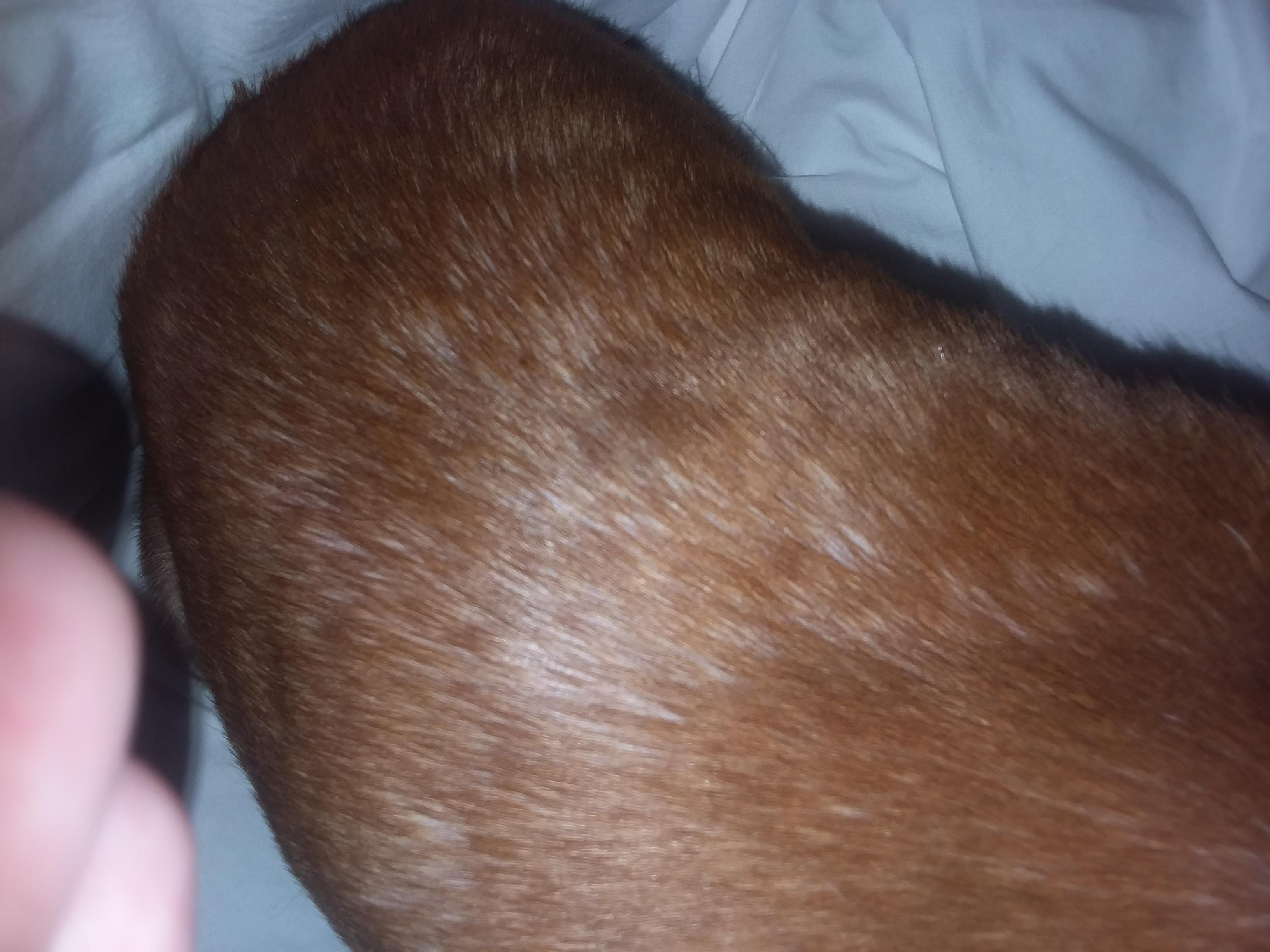
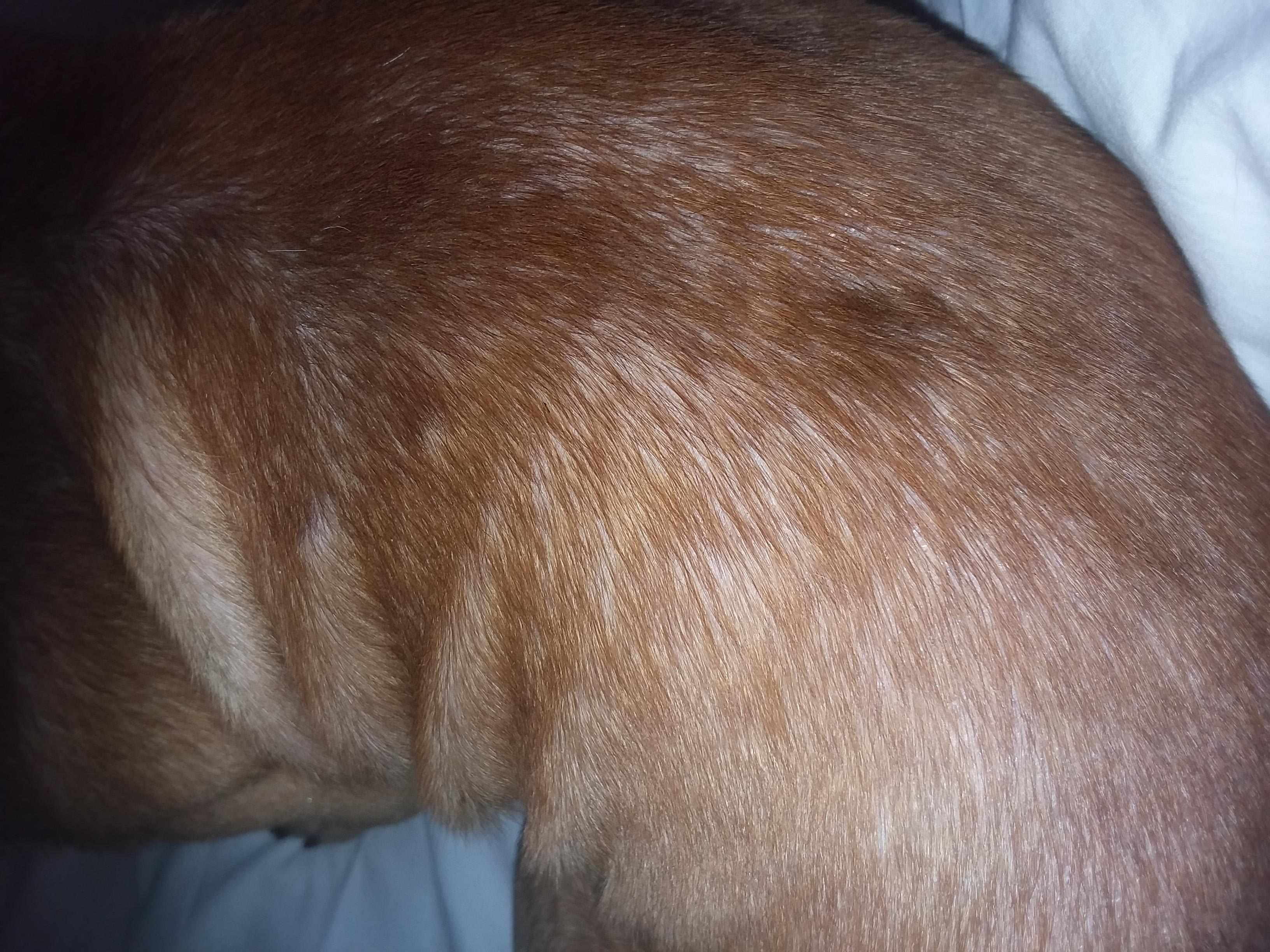
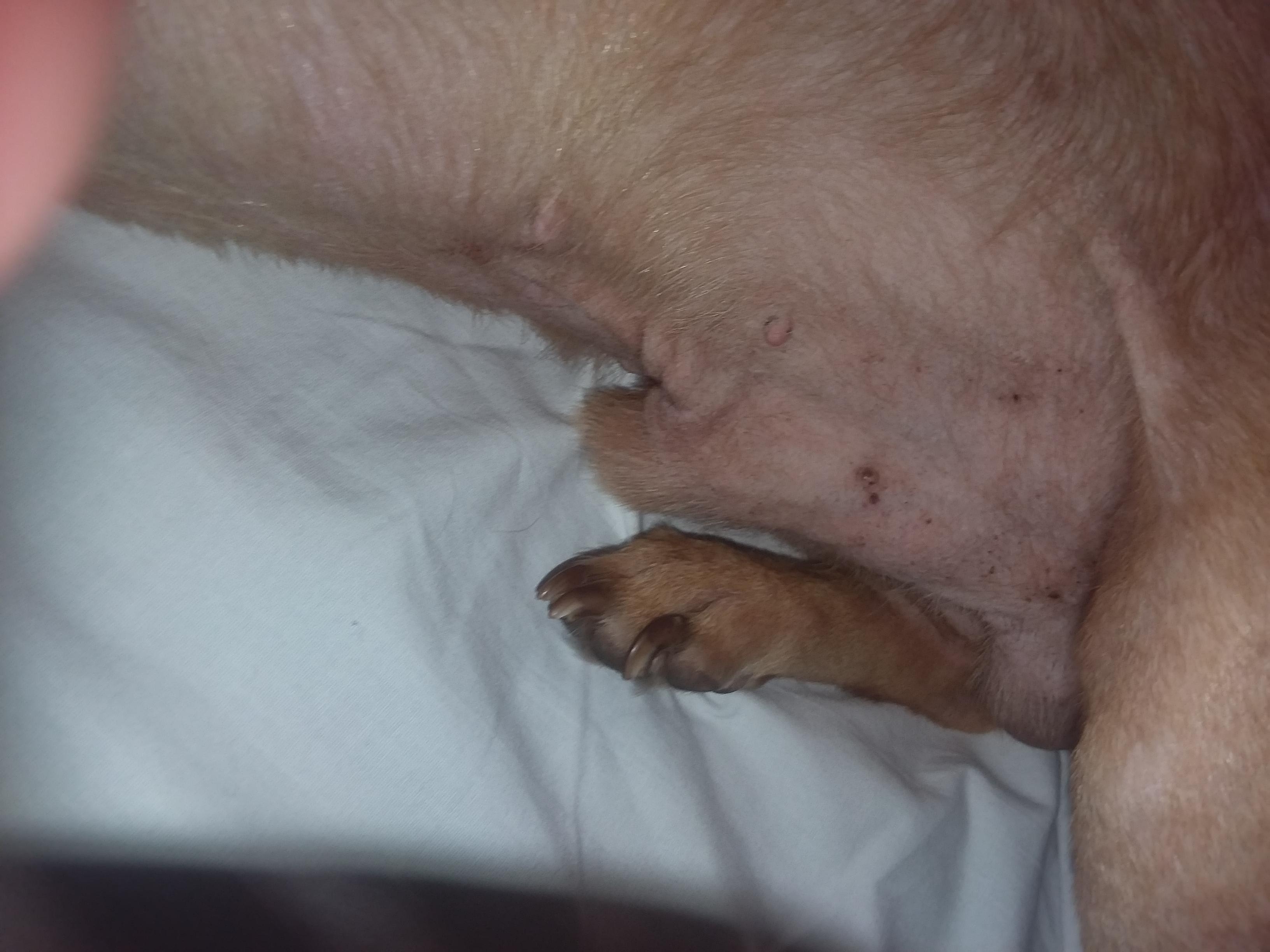
Please help!!!!! I have a small dog who has mange. I don't know which type, but I tried to soak him with Borax and Peroxide daily. It doesn't seem to doing anything, except making him throw up. He does have hair loss, itching, places under arm pits and his belly that has black thick spots. I have not seen or been around mange to understand what the difference between the two types. I need help because I don't want to lose him to this life condition. I am on a very tight fixed income.


3 Answers
Most Helpful Answer

Published on June 21st, 2018
There are two types of mange: Sarcoptic and Demodex, both of which have different causes 1) Sarcoptic Mange: This is a mite that can be contagious to other dogs, cats AND people. Dogs get this from direct contact with another infected dog. Dogs with this type of mange can become very itchy with lots of hair loss and red flaky skin. It can be anywhere on the body and spread throughout the body without proper treatment. Diagnosis is via a skin scrape and how well the dog responds to treatment. Treatments range from dips, injections, oral drugs, and topical medications depending on the severity of the mange. 2) Demodex Mange: This is a mite that is normally found on dog's skin but only causes an issue when there is too much of it on the skin. Most dogs with this mange are younger with immature immune systems or dogs that are sick/immunocompromised. This is NOT a contagious mite. Dogs with demodex have patches of hair loss a lot of the time around the head, eyes, ears or it can be all over. Typically the skin underneath is calm and not red. Dogs can or can not be itchy with this mange. However, in severe cases of demodex, dogs can be very itchy and have lots of hair loss. Diagnosis is also made via skin scrape. Treatment is very easy with oral medication, sometimes a dip or ointment depending on the severity. I would recommend visiting your veterinarian to determine the type of mange Toby may have. I would not use Borax or Peroxide directly on his skin as it can irritate it more and make him more itchy. Your veterinarian will be able to provide you a better treatment plan. In the mean time you may consider benadryl. Here are some articles that may be helpful to you: 1) demodex: https://www.petcoach.co/article/demodectic-mange/ 2) sarcoptic mange: https://www.petcoach.co/article/scabies-sarcoptic-mange/ 3) dosing benadryl: https://www.petcoach.co/pet-medication/benadryl/ Good luck!

1Pet Parents found this answer helpful
Related Answers from Veterinarians
-
Published on January 25th, 2017
Sarcoptic mange is possible if your pet was exposed to another dog with this skin condition. The immune system plays a small role when it comes to Sarcoptes, and more of an influence when dealing with Demodexx mites. The test for mange is a skin scrape, and medication choices are Ivermectin daily for 30-60 days in most situations or Bravecto or Nexgard (newest off label treatment for demodexx mites and potentially for Scabies.
1Pet Parents found this answer helpful
-
Published on September 7th, 2017
Hi, thanks for using Petco Pet Education Center, formerly Petcoach! Mange is usually defined as either Demodectic or Sarcoptic mange. The difference is determined by seeing the mite under a microscope. Your Vet will perform a skin scrape and look at that under the microscope. Scabies is contagious, so your dog would have gotten it from another infected dog or from a fox den. The lesions are usually on the ears, elbows and hocks but if it goes untreated for a long time, it can be anywhere. They are VERY itchy! Demodex is a mite that naturally lives on the dog but over grows due to an issue with the immune system. It is not contagious and can be itchy. The hairless areas can be anywhere on the body. Based on your pictures, mites are possible but so are allergies, an infection, a hot spot (superficial bacterial infection) or even ring worm. Sadly a lot of different skin conditions can look exactly the same! I'd take Otis in to your Vet and have them look and do some tests. I hope this helps and good luck!
1Pet Parents found this answer helpful



The last 2 weeks we had a visit to the vet and scabies is suspected due to hair loss, bald spots and bacterial infections. I did a research and found out that there are 3 or 4 types of mange and can’t really identify which one he has. We live in Egyp

kindly tell me how to differentiate between scabies and demodecosis in dogs? also tell the treatment of both
My dog was recently treated for Giardia/ ear infections. Not long after he started experiencing sudden and RAPID hair loss/itchy red skin. My vet thinks its allergies but I asked for a fungal culture due to existing circular patches that looked like

I think my dog has mange. If so, how can I treat it?

I think my dog has mange
What is a home remedy I can use to get rid of mange on my dogs

A puppy of age one and a half year old has got something on his body and it looks like dandruff and he he stretchs his body all the time. It has even started spreading a little. I wanted to know haw to cure it

My 15/16 week old puppy is itching lots, has little bumps/scabs/bites on his face and legs, I think it could be mites, I need help to treat him but I am limited with money so can you suggest a great bath treatment or something? Thanks in advance
They recently started showing up on the side of his cheek and now on top of his head. No fleas or ticks.

Both of my dogs have been iching and biting themselves and looseing fur they dont have fleas. I have given the benadryl i have changed there food i have given them baths but still there iching and looseing there fur. What do they have? Is it mang? Th

Book an appointment with the pros – our expert vets are here to help.
