


My betta is bloated with a dark spot, and peas didn't help. What's wrong?
Updated On September 23rd, 2025
Pet's info: Fish | Unknown - Fish | Male
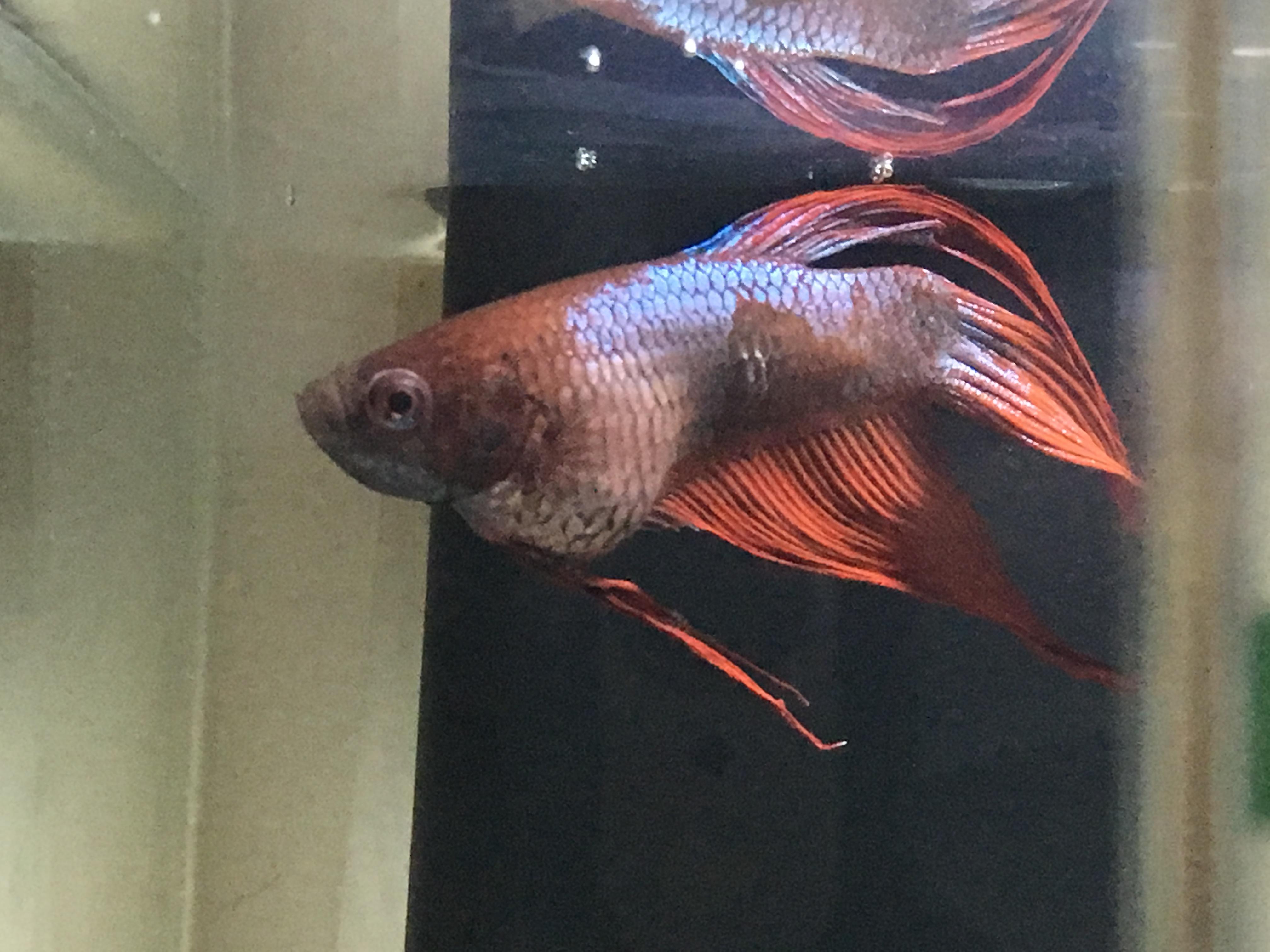
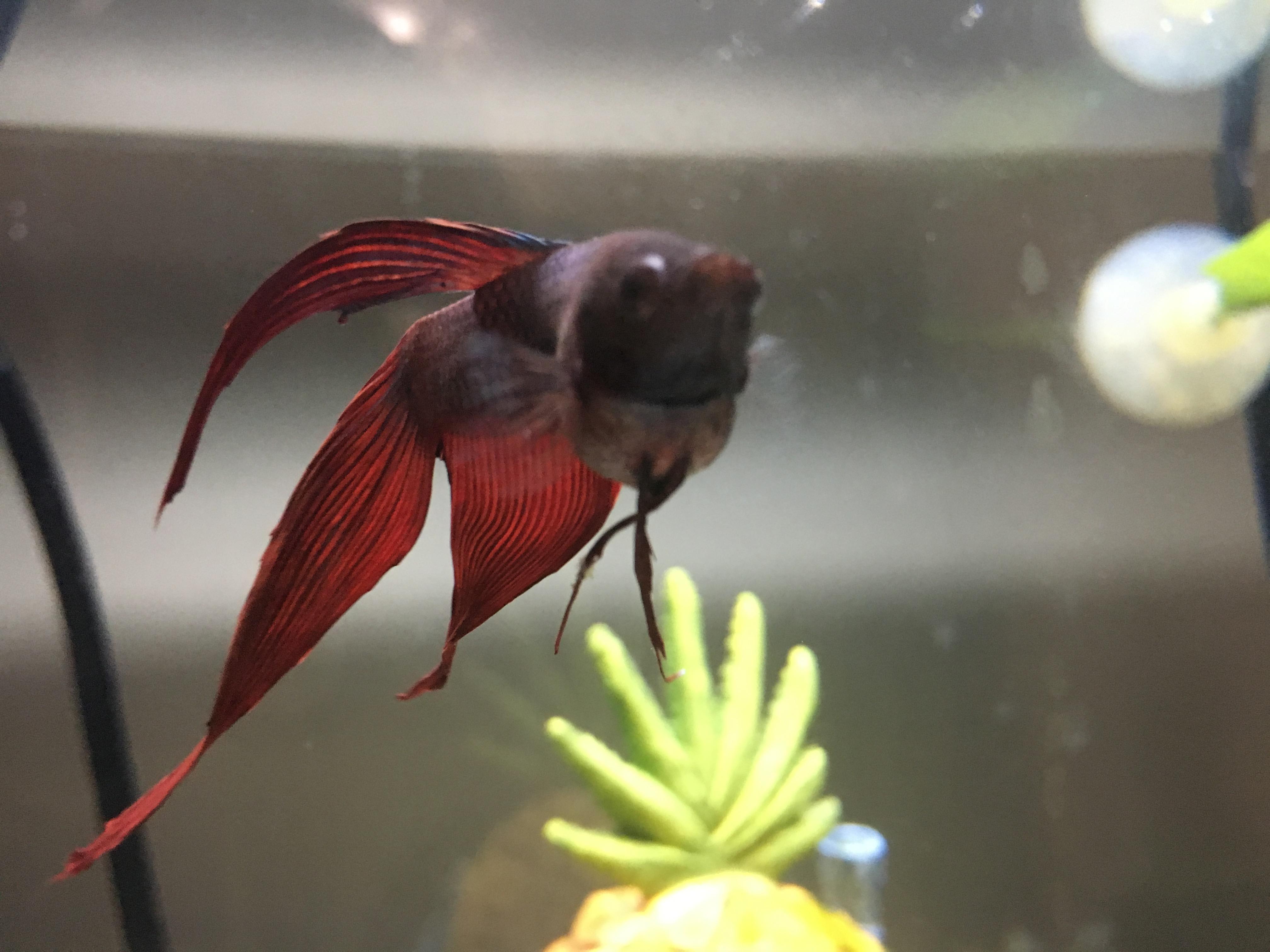
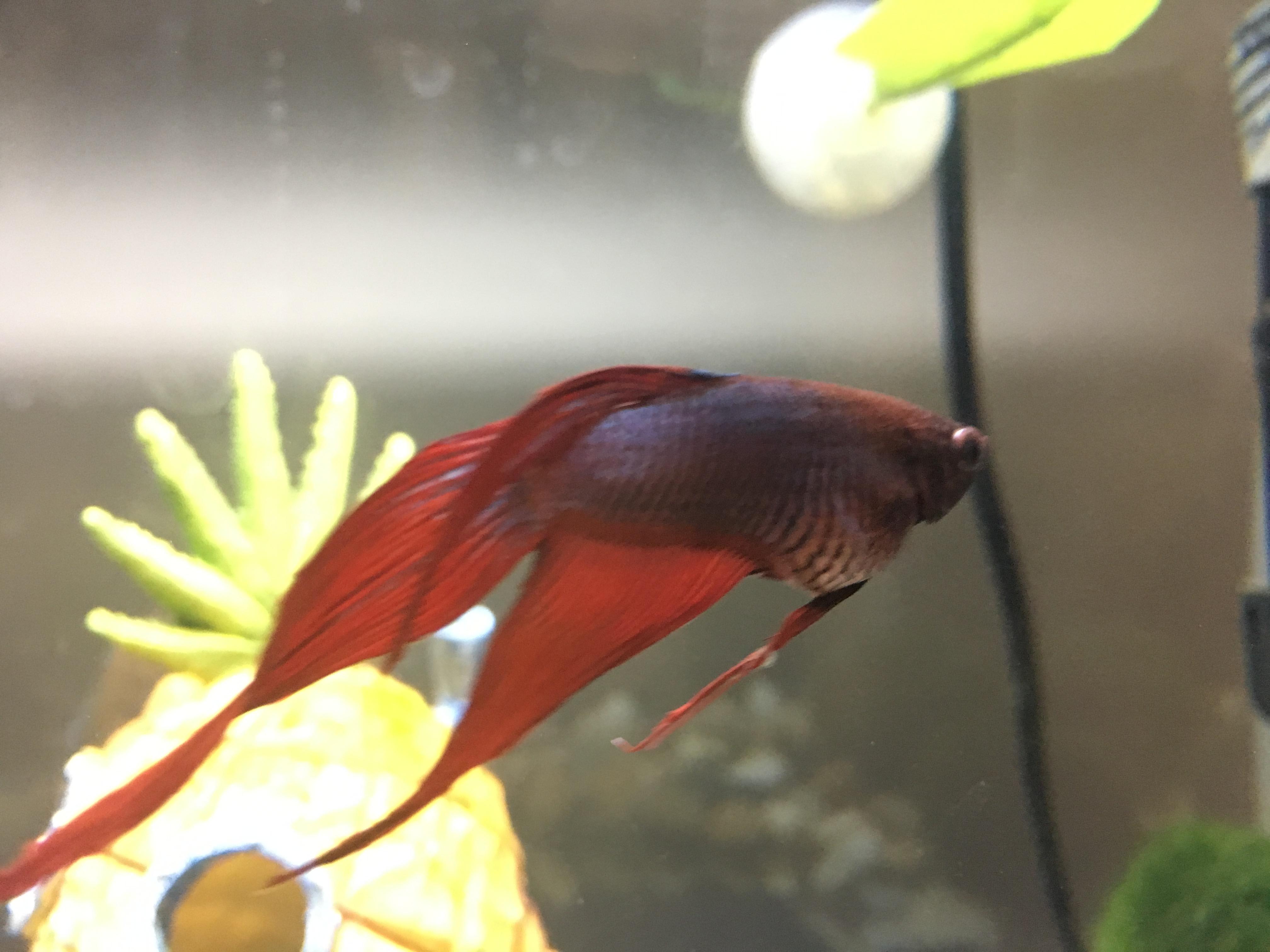
My betta fish is bloated and has a dark patch on his left side where the scales are not laying flat. What I tried feeding him a pea, but it didn't help. Please help!


2 Answers
Most Helpful Answer

Published on May 25th, 2018
Check water chemistry, quality and temperature. Use a home test kit or submit a water sample for testing to confirm an absence (0ppm) of ammonia and nitrites with a nitrate level of 20ppm or less. High ammonia levels may cause "burns" which may present as black spots on the scales. Most pet stores will test water for free or for a small fee. Perform a partial water change, no more than 30 percent of the total volume, to stabilize chemistry and maintain or improve water quality. Use only aged or conditioned water that is temperature matched to prevent further stress or shock. Check the water temperature as well. Bettas are tropical fish and do best between 78F and 80F. Low temps can affect digestion in fish causing constipation. Maintain water at 80F and fast for 3 days. Resume feed tiny bits of cooked and shelled green peas. Feed peas until defecation and swimming are normal. Feed a quality pelleted diet and fast him one day a week to promote regularity.

2Pet Parents found this answer helpful
Related Answers from Veterinarians
-
Published on March 21st, 2018
That, as you probably already suspected, could be due to an overinflated swimbladder, but as well enlarged abdominal organs could be possibly the cause of it (polycystic kidneys are fairly common as well). Unfortunately you already tried a first line approach (feeding peas for example) and did not work, so the next step,a part from water quality check, is to have your fish checked by your local veterinarian. A radiograph can easily confirm clinical suspicion and lead to appropriate treatment. Water testing should be performed with a quality test kit, measuring NH4, NO2 and NO3. High ammonia levels, PH imbalances may be responsible for these signs. Oxygen concentration and quality of the filters should be determined as well. Hope this answer was helpful, but please do not hesitate to contact us again on the forum or by requesting a consultation if you have any more questions or to discuss it any further.
1Pet Parents found this answer helpful

My betta fish doesn't want to eat My betta fish doesn't want to eat. He's blowted from one side. He has some white spots. My husband rescued him and another betta fish yesterday from an apartment were he works remodeling. They abandoned them and ther

My betta is staying near the surface and blowing air bubbles out. He is not balanced, he tries to stay normal but floats sideways sometimes. He also has black gills, bloated belly and also his fins are melting. He is not as bright that used to be. He

I do not know if anybody knows much about betta fish but I think there is something wrong with my male betta. I bought him at a large petstore about 2ish years ago. He is kept in a heated, filtered, 2.5 gallon aquarium. Lately, he hasn't been eating
Hello I have a koi Betta fish and when I got it it use to eat all the time. Now it has stop eating for a week almost. It is bloated and hides in her house most of the time. I can't tell if its dropsy or ick or something else. I did treat it with salt
My beta fish is bloated and has been for weeks. He is still active as usual, doesn't sink to the bottom and his fin and tails still the same. He seems to have an appetite, gets really active when I come by at dinner time but I have been fasting him
My pet betta has been pale and black for a long time and he leans on hi side and doesnt swim much
My crowntail beta as said was mail on it's container looks really fat and my other beta gets the same types of food at the same The what's the problem
My betta has been sinking to the bottom of his tank after being overfed by my friend last weekend. I fasted him for 3 days and gave him a blanched pea to help if he is constipated and has a swim bladder problem. I have also tried an epsom salt bath b
My betta came home last Thursday and was fine and well. Yesterday, around midday, he developed a large black spot on his fin. After that, his health rapidly decreased. His fins began to disappear, his body became pale, and he looked like he was rotti
I think my male betta Galaxy has swim bladder and everywhere i look says you can give him a pea to help with it or make him flare I have tried the flare thing but he doesn't seem to want to flare. Is it safe to give him a pea?

Book an appointment with the pros – our expert vets are here to help.
