


How can I train my 1-year-old dog to stop pulling on the leash?
Updated On September 23rd, 2025
Pet's info: Dog | Mixed Breed | Female | unspayed
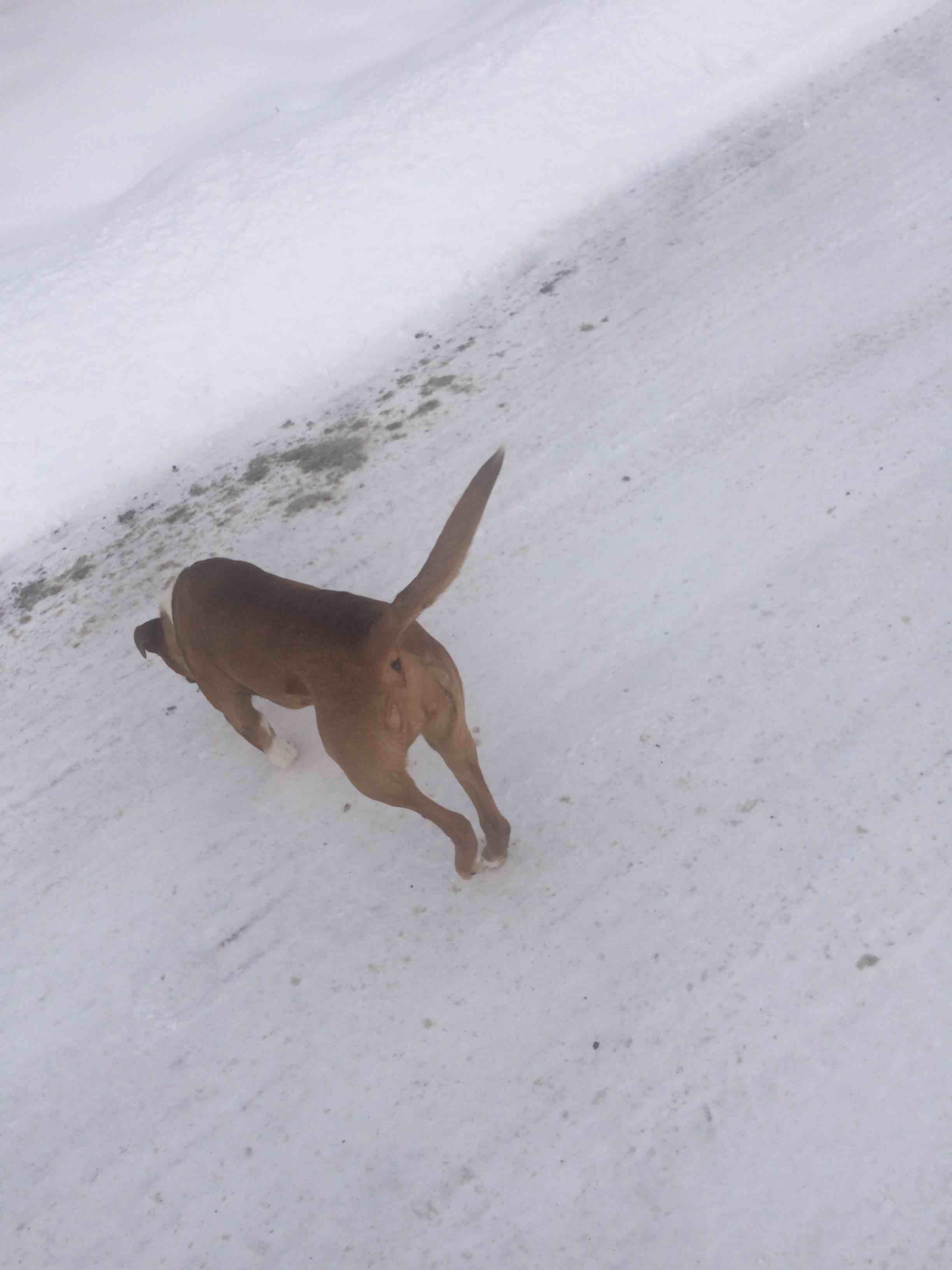
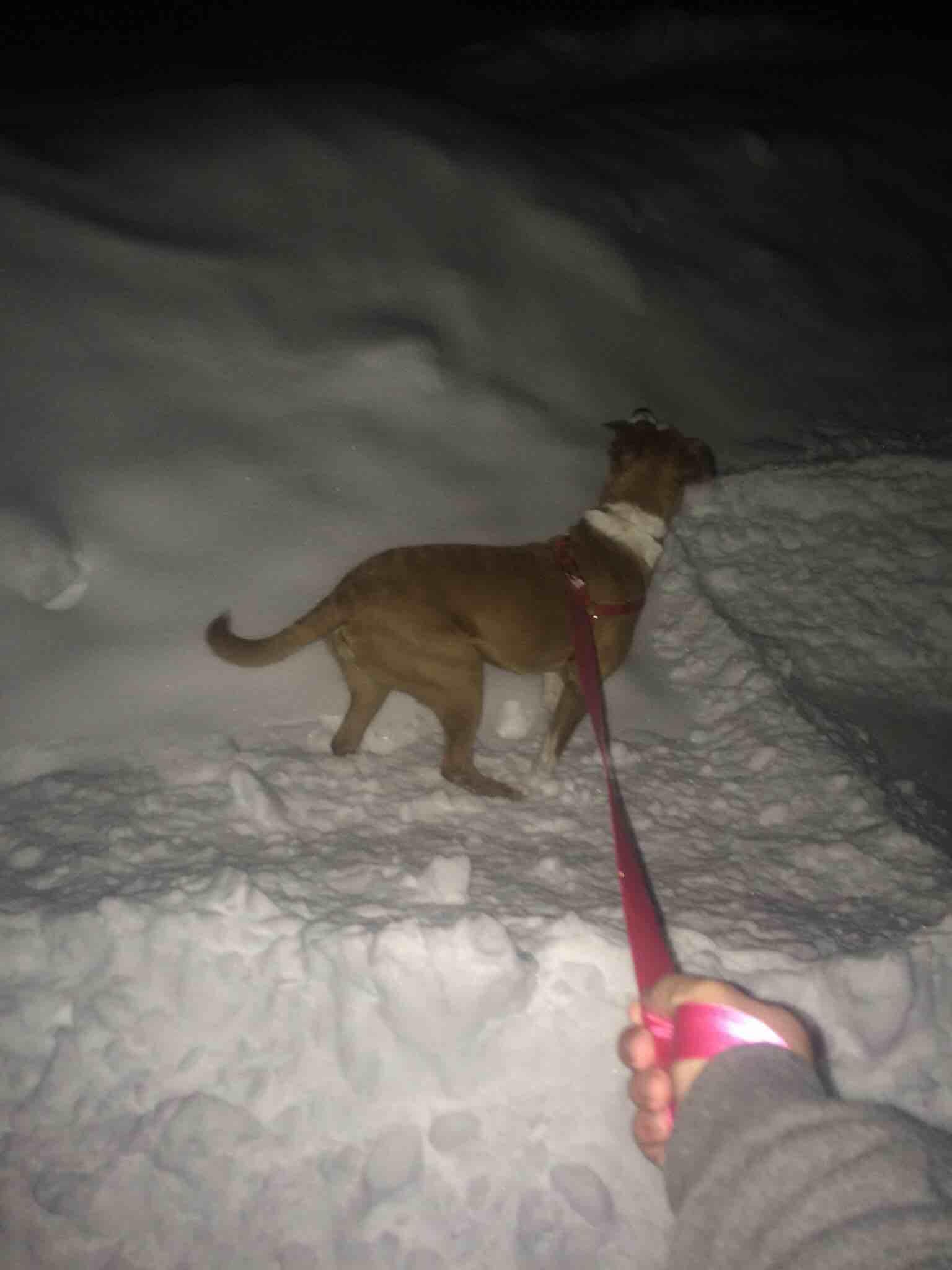
How do I appropriately train my 1 year old Akita/Pitbull mix dog to walk with me and not her lead the walk normally she always leads when she’s on the leash but 90% of the time she’s never on the leash cause she knows to stay near me but today she just seemed to act up and not wanna pay attention and advice?


4 Answers
Most Helpful Answer

Published on March 7th, 2018
I would consider looking into a gentle leader head collar. It looks a little strange but many find it effective with their dogs who have issues pulling if you follow the instructions closely (you can get a dvd to explain the use of the product). You can find out more at https://www.petsafe.net/gentleleader If you prefer to not use a gentle leader collar then I would recommend following the advice of veterinary behaviorist Sophia Yin as she explains in detail in this article: https://drsophiayin.com/blog/entry/walk-on-loose-leash-part-1-choose-the-right-walking-pace-and-make-it-clear/

1Pet Parents found this answer helpful
Related Answers from Veterinarians
-
Published on May 25th, 2018
Correcting the Behavior To train a dog to walk by his or her owner’s side with a loose leash, some methods are listed below. You should remember that, for all training, you should reward the dog when he is doing something you want, instead of just telling him what you don’t want. Training can be a long process; these methods require consistency and perseverance. Training sessions should begin after your dog has had sufficient exercise and not as a substitution for exercise. Be sure not to give up!!! 1. Rewardyourdogwhenheisnotpulling Start with your dog in a quiet area. Walk your dog on leash. When your dog is walking next to you for 2 steps, give a treat. Gradually increase the amount of walking and distractions. The idea is to catch your dog doing something right and reward that behavior☺ 2. The“TreeMethod” When your dog pulls, become an immoveable object. Once your dog stops pulling and the leash is relaxed, call the dog to your side and praise or give a treat. This reinforces the positive behavior of maintaining a loose leash. 3. WalkingtheOtherWay In order to reinforce a dog’s natural tendency to follow, once your dog pulls out in front, you should turn quickly and walk the other way. Reward once you feel slack on the collar. This can cause a walk to go no more than a few feet at the beginning, so be patient. The pull back should only be strong enough to get your dog’s attention. Excessive force, especially when using choke chains, may cause neck trauma. For more information, please contact your veterinarian or a trainer who uses humane training methods.
1Pet Parents found this answer helpful
-
Published on April 4th, 2017
It's very possible to teach dogs to walk on a loose leash, but it takes lots of time and effort and you have to be very consistent - or else it won't work. The best way to teach this skill is by carrying treats with you on your walks, and rewarding your dog frequently for walking nicely beside you with the leash loose. If he starts to pull, simply stop and wait for him to pay attention to you again - then praise and reward, and go on with your walk. Eventually, he will learn that by keeping the leash loose the walk continues, and he also gets lots of treats; whereas if he pulls, you stop moving. If he has trouble with the Gentle Leader, you might try a front-clip harness such as the Easy Walk Harness instead - most dogs aren't bothered by the harness as much as they are by a head halter, and it can be helpful to prevent him from pulling as much while he's learning.
1Pet Parents found this answer helpful
-
Published on March 12th, 2017
If your dog pulls on the leash while walking than I recommend using a Gentle Leader or Halti collar. This type of collar prevents a dog from pulling and makes walking much easier. It will take some time for the dog to get used to walking with the collar. You can use treats to help train him to walk properly. With a little patience and persistence, he will learn how to walk properly. You can also put the collar and leash on him inside and let him drag the leash around the house, while you monitor him, so he gets more used to it.
1Pet Parents found this answer helpful


My puppy won't walk when going for a walk and just stares at people and stops to look back at tje same people, but sometimes she "drags" the leach and I usually stop so let ger calm down because it's what i learned to do, but she won't calm down. Wha

I've had eska for a few years now she is a five your old siberian husky. I got her as a rescue. No matter what I do she can't be leash trained she pulls and pulls and doesn't stop it's very stressful taking her for a walk. I was wondering how I can b
I wanted to know if I can teach my 9 yr old dog to leash train? I have tried everything. Rewarding with new treats to using a pullback leash. On the first part of the walk she is very hyper, pulls at the leash, and is pretty much walking me! At the

My mom has a black lab mix who is an adult male and when he is walked leash with gental leader on he pulls and tries to get leader off as well. And he doesn't do well on walks he misbehaves by pulling too much. Any advice on how to train dog to walk

How can I get my dog to walk nicely on a leash I've tried changing direction everytime he pulls but even when I change direction he still pulls he doesn't care much for treats or toys he also never comes to me when I call him only when he feels like

Hi so my dog is scared of his leash and won't walk but if he does he pulls. What do I do to have him like his leash
Puppy walks with leash but will often sit in the middle of the road and or pull me in one direction or the other so he can sniff and mark his territory. How can I get him to come with me consistently rather than stopping in the middle of the road ti

PULLING: Off-leash, she walks alongside me. Outside, she wears a comfortable harness(pictured). •I stop and use sit command. If I verbally praise her, she jumps right back up and back to pulling. She doesn’t do treats. If I don’t praise her, she’ll s
My cavapoo pulls on her lead when walking. It’s like the walk is a race to get through. As a puppy she practically took the entire walk on her hind legs like a performing bear. Having gone to behaviour classes with little change, I bought the halti c
My rottweiler has never pulled and he just turned a year old and now hes starting to extremely pull
Book an appointment with the pros – our expert vets are here to help.
