


Why does my 2-year-old English Bulldog have a bump on her head?
Updated On September 23rd, 2025
Pet's info: Dog | English Bulldog | Female | spayed | 2 years and 6 months old | 55 lbs
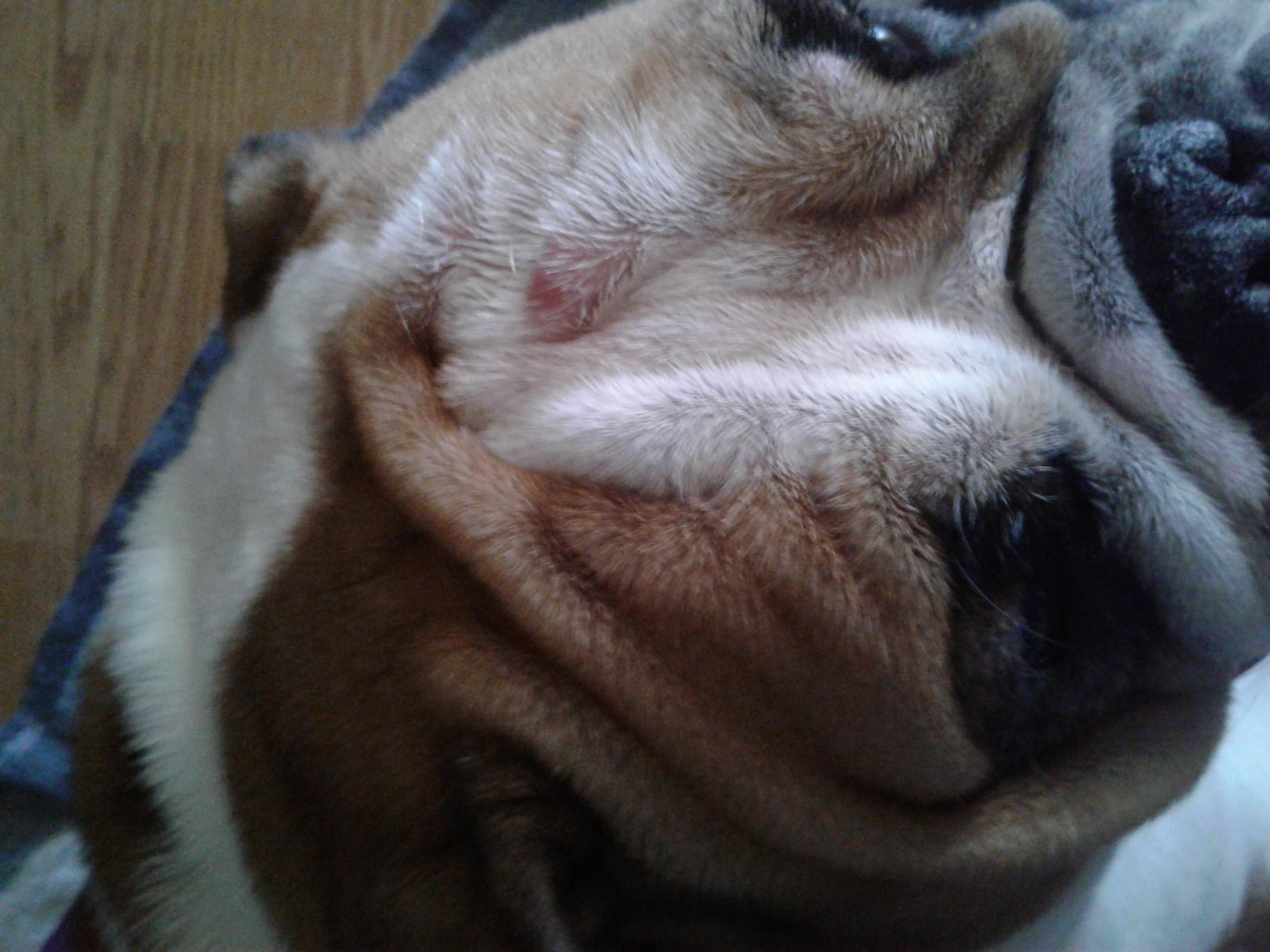
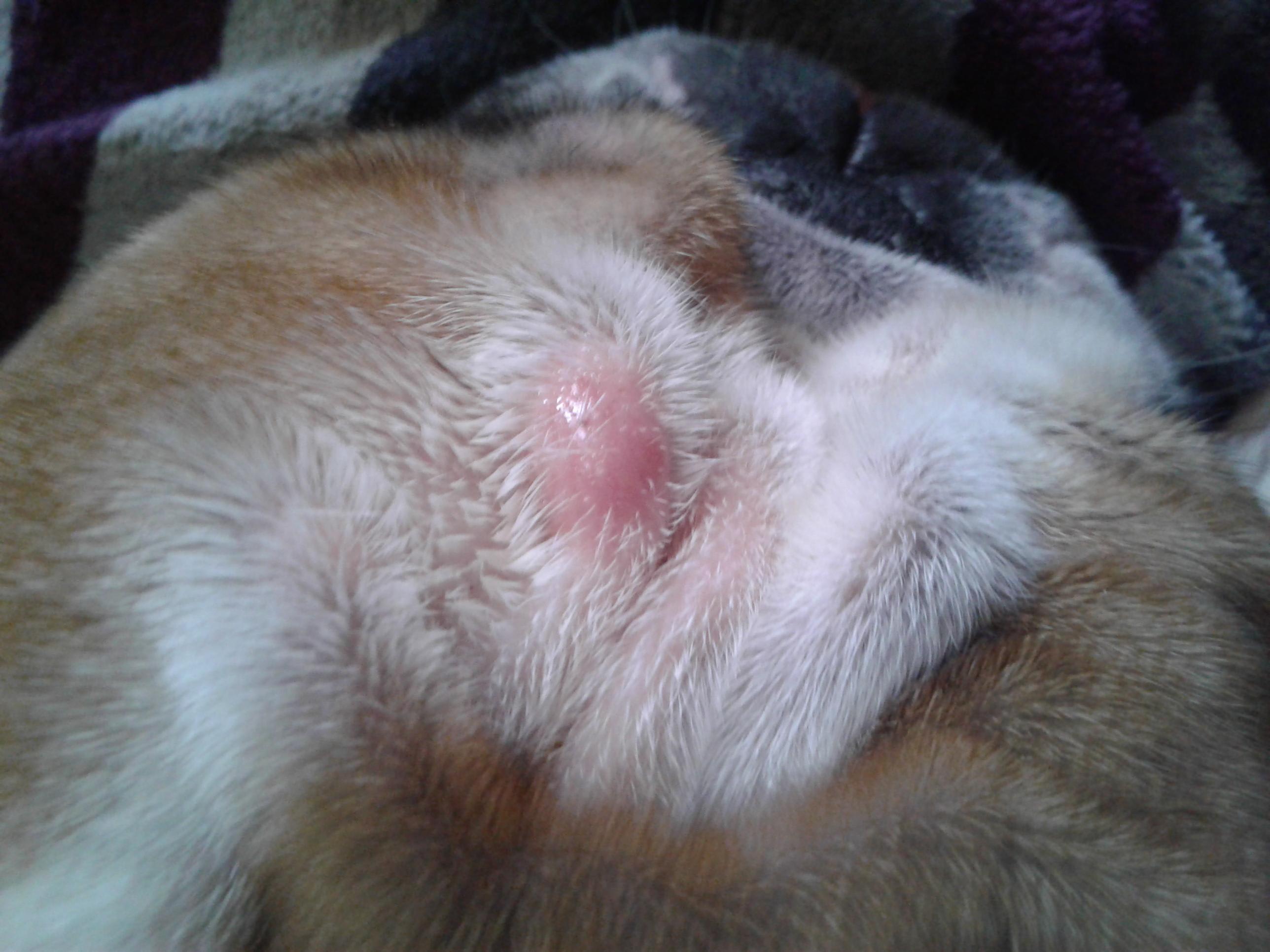
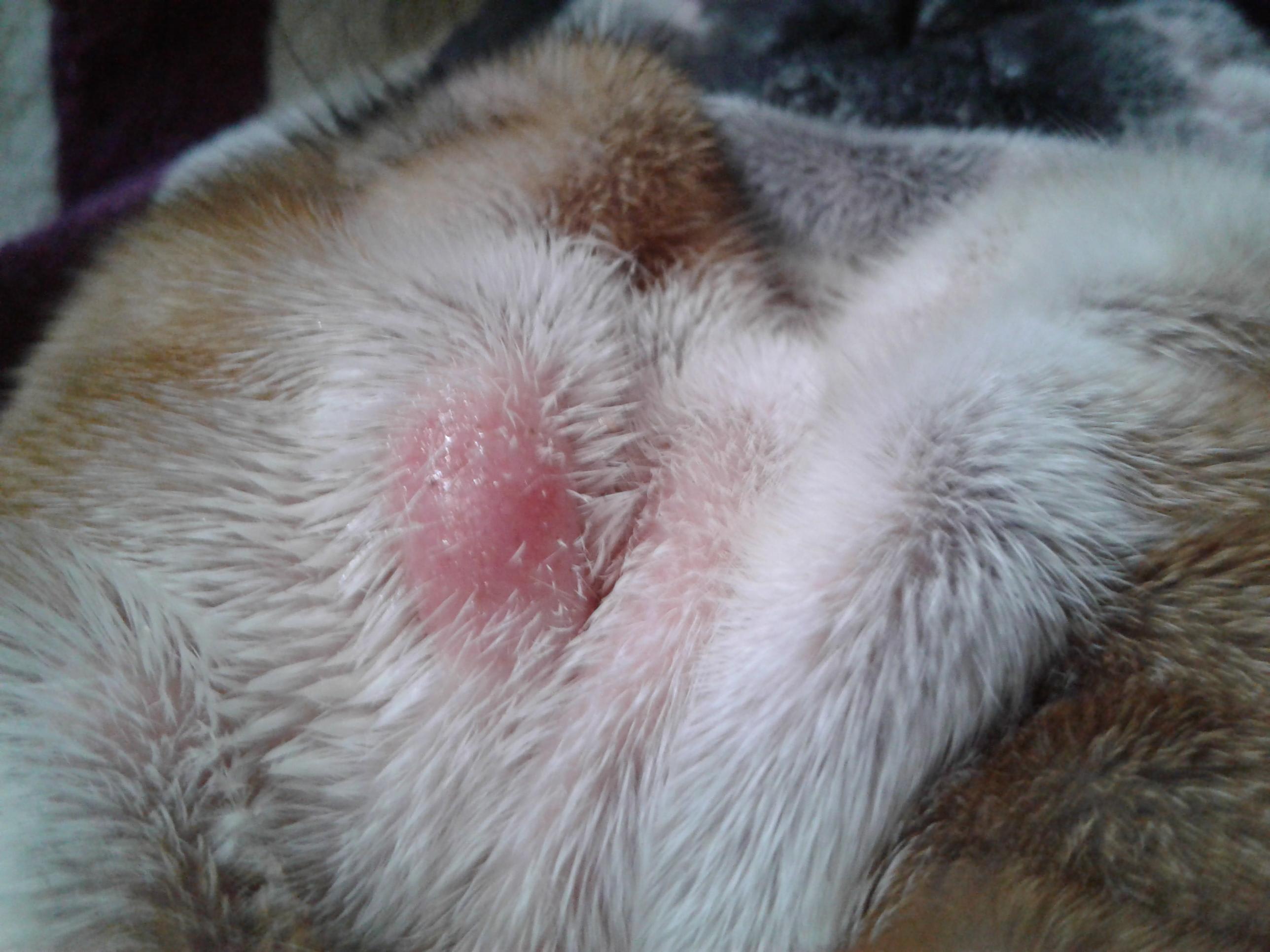
2 yr old English bull dog has a bump on the top of her head. Have not seen any puss or fluid from it.


4 Answers
Most Helpful Answer
Published on February 19th, 2018
This bump needs to be checked and analysed as there are many conditions and types of tumors that could look like that. take Lucy Lou to the vet, they will perform a fine needle aspiration on the growth and send it to the lab for analysis. when the result comes, the vet will advise what needs to be done according to the diagnosis.

2Pet Parents found this answer helpful
Related Answers from Veterinarians
-
Published on July 21st, 2017
They could be cysts, papillomas, benign lumps (lipoma, etc.), infection, or possible cancerous masses. The only way to know the exact cause is to have your vet do a needle aspirate and look at the cells under a microscope. After diagnosing the exact type of mass your vet can recommend treatment, if needed.
1Pet Parents found this answer helpful
-
Published on October 4th, 2019
Hi, and thanks for your question. This lump/bump/growth should be ideally examined by your local vet to have a diagnosis established. Your vet should either perform an FNA (fine needle aspiration to analyze under the microscope the cells within the lump) or a biopsy to sample surgically the bump and determine its underlying nature. Differentials would include skin cysts, infections (unlikely), benign or more malignant type of tumors. Hope this answer was helpful, but please do not hesitate to contact us again on the forum or by requesting a consultation if you have any more questions or to discuss it any further. If this answer was helpful please let us know, this will be used to improve our service!
5Pet Parents found this answer helpful
-
Published on June 23rd, 2017
Poor Pablo! I would recommend to watch the mass closely. If it isn't changing or growing then I would recommend to just leave it alone. If you notice any changes or he starts messing with it then I would see your vet to look at it. Your vet will be able to tell you whether it is benign or malignant. Also they will be able to tell you whether or not it needs to be surgically removed. I hope this helps!
1Pet Parents found this answer helpful


10 1/2 year old English bulldog with large firm mass on side of neck... size of an egg What is it? Lymphoma? Yes need FNA
My dog quickly developed this lump on top of his head and I am concerned about it. It doesn’t seem to bother him and is hard to the touch
So my English bulldog has a lump to the left of her chest that is under her skin. The lump is a little bit bigger than a quarter and a centimeter in length. I'm thinking it is a benign tumer but I'm not sure. I know I should take her to the vet but I
My dog has a hairless lump on her head where her eye brow is. We noticed it 3 days ago but at the time it was only swollen then it started losing hair and now it’s completely hairless. It’s only in that area. Do you have any idea what it could be? It

Do you know what this is on my cross bulldogs back please?

It's about my French bulldog she is about 9 months old now and as a puppy she had a little lump on her head over the past two weeks it's grown to a lump that u can see it's hard and similar to when we get a lump on our head the shape and feel of it
Hi my dog has one raised lump, circle shape and her head. Just in front of her left ear. It was a small mark that is now larger and black in colour. Hey fur is still growing over it and her behaviour doesn't seem to have changed? She is eating drinki
My 5 year old eEnglis Bulldog has a large gross bump on her..it's located on her side not very far from her front leg
My dog got a bump on his nose. It formed in a day. Hes been acting fine I'm just worried. Theres no change in his eating or sleeping or playing. I been putting anti biotic ointment on it. And it hasn't gotten any bigger. The first picture and the sec
My chiweenie has a red bump on his left side that continues to get larger over the last few weeks and even days...
Book an appointment with the pros – our expert vets are here to help.
