


My dog keeps vomiting thick, lumpy, smelly mucus. Should I worry?
Updated On September 23rd, 2025
Pet's info: Dog | Mixed Breed Medium (23 - 60lb) | Male | unneutered | 13 years and 7 months old | 49 lbs
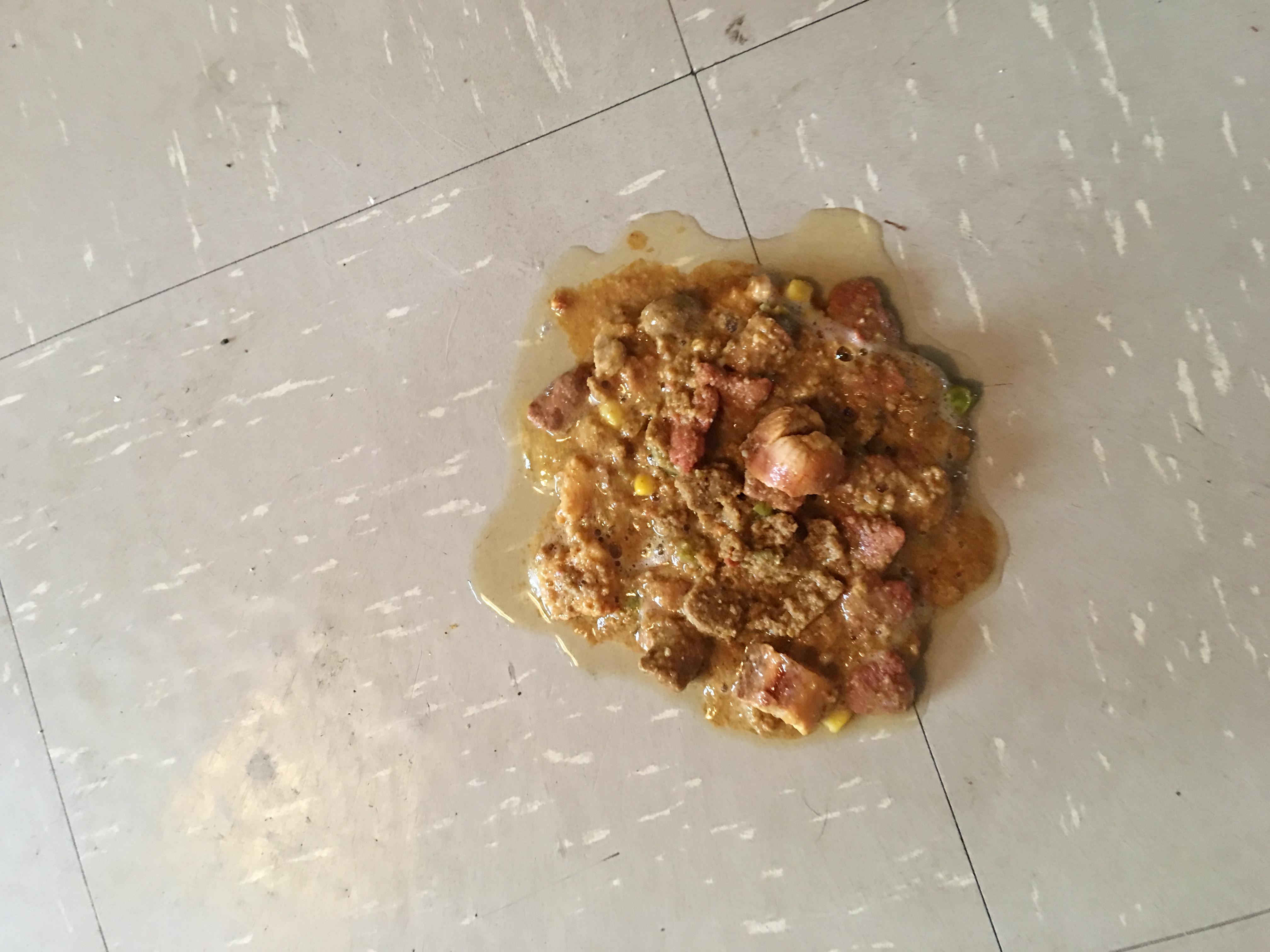
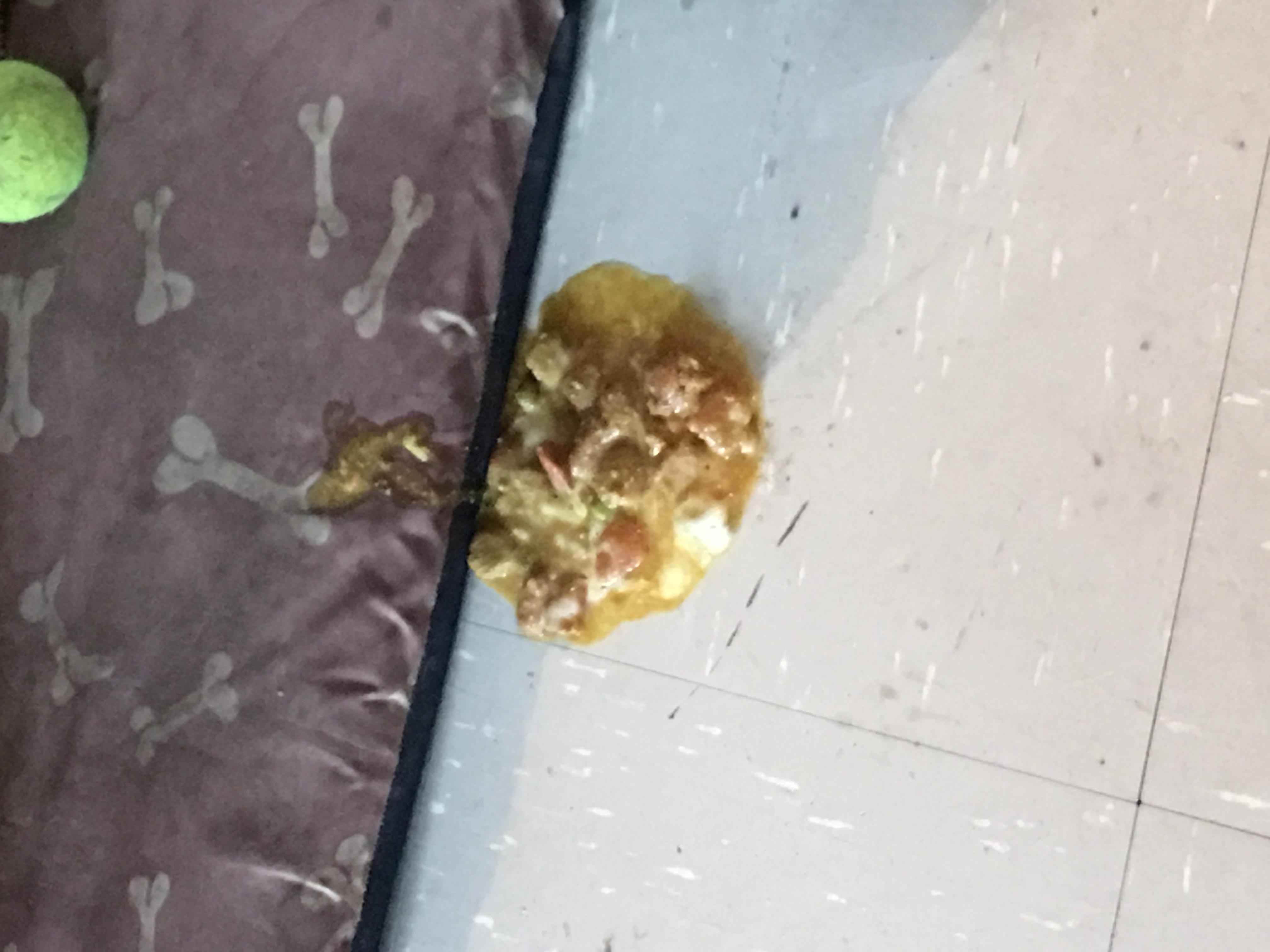
Hi my dog currently won’t stop vomiting, we haven’t changed his diet nothing has changed in his routine his vomit is thick lumpy mucus and smells should I take him the vets? Or is it something I don’t need to worry about? Thanks


4 Answers
Most Helpful Answer

Published on February 19th, 2018
These persistent signs could be compatible with an inflammation infection of the gastrointestinal system and surrounding organs (like pancreas and liver). A clinical examination at your local veterinarian is immediately essential to confirm these clinical suspicions and treat appropriately. Antibiotics and possibly further investigations (like abdominal imaging as ultrasound or radiographs) may be needed. Please do not hesitate to contact us again on the forum or by requesting a consultation if you have any more questions or to discuss it any further.

1Pet Parents found this answer helpful
Related Answers from Veterinarians
-
Published on February 10th, 2019
Hi, and thanks for your question. These signs could be compatible with an inflammation infection of the gastrointestinal system and surrounding organs (like pancreas and liver). A clinical examination at your local veterinarian is immediately essential to confirm these clinical suspicions and treat appropriately. Antibiotics and possibly further investigations (like abdominal imaging as ultrasound or radiographs) may be needed. Although a picture of the lump would help to determine the underlying cause more specifically, generally speaking this needs to be ideally assessed by your veterinarian to have a definitive and specific answer. Usually there are two ways your vet can do that a part from examining it directly during physical examination. A biopsy can be taken under local or general anesthetic, otherwise a smaller sample through a fine needle can be aspirated (this technique is called FNA= fine needle aspiration). Differentials include skin cysts, infections, benign or more sinister type of tumors. Hope this answer was helpful, but please do not hesitate to contact us again on the forum or by requesting a consultation if you have any more questions or to discuss it any further. If this answer was helpful please let us know, this will be used to improve our service!
1Pet Parents found this answer helpful
-
Published on October 22nd, 2019
Hi, and thanks for your question. These signs could be compatible with an inflammation infection of the gastrointestinal system and surrounding organs (like pancreas and liver). Given the persistency of the signs, a clinical examination at your local veterinarian is immediately essential to confirm these clinical suspicions and treat appropriately. Antibiotics and possibly further investigations (like abdominal imaging as ultrasound or radiographs) may be needed. Hope this answer was helpful, but please do not hesitate to contact us again on the forum or by requesting a consultation if you have any more questions or to discuss it any further. If this answer was helpful please let us know, this will be used to improve our service!
1Pet Parents found this answer helpful
-
Published on June 4th, 2019
Hi, and thanks for your question. These signs could be compatible with an inflammation infection of the gastrointestinal system and surrounding organs (like pancreas and liver). A clinical examination at your local veterinarian is immediately essential to confirm these clinical suspicions and treat appropriately. Antibiotics and possibly further investigations (like abdominal imaging as ultrasound or radiographs) may be needed. Hope this answer was helpful, but please do not hesitate to contact us again on the forum or by requesting a consultation if you have any more questions or to discuss it any further. If this answer was helpful please let us know, this will be used to improve our service!
1Pet Parents found this answer helpful


My dog has been throwing up his food for the past few days and he is starting to smell like something died. When he throws up it is just what ever food he ate which is Whole Hearted small breed dog food with salmon and peas.

Brandi vomiting bile mostly phlegm a little blood. Why
My dog doesnt feel good. We suspect that his belly hurts. He doesnt want to go outside. He is weak. Yesterday he vomitted and his heart beated really weakly. He has a bump under his tale bus it doesnt hurt.

I have a 10 month old husky/rottweiler and the past 2 mornings she has been vomiting or bringing bile up and when she passes her stools there is sometimes a clear mucus after. Should I be worried?

My dog is about 2 months old has been vomiting,has diarrhea, he wont eat or drink any water. Hes been like this all day. His poop has a very strong odor ,sort of like tuna. Im wondering what is going on and what to do , im very worried.

My dog has been throwing up in the middle of the night (not every night) but it occurred twice last night. She's not as enthusiastic about food as she once was. She'll leave it for hours and only eats when she has to. Her vomit has been thick, almost
My dog has recently got over some digestive issues that started 12/22. We changed his food & he has been doing pretty well (gained his lost weight back), but he is often VERY hungry & has 5-6 bowel movements a day. Recently they have become quite lig
My dog is unable to digest anything. Whatever she eats she vomits it after sometime.. what should I do?

Our dog has been throwing up thick, yellow mucus for the past several hours
Dog eating small amount for 15 days first his skin got some red rashes somehow its recovering but he become slim not eating anything yesterday I feed him some sweet he vomited out

Book an appointment with the pros – our expert vets are here to help.
