


My bearded dragon is vomiting and drinking a lot. Is it mouth rot?
Updated On September 23rd, 2025
Hello , my bearded dragon has been vomiting lately for the past two weeks and I’m not sure why , he drinks a lot more water ... I research this and mouth rot came up


4 Answers
Most Helpful Answer

Published on February 6th, 2018
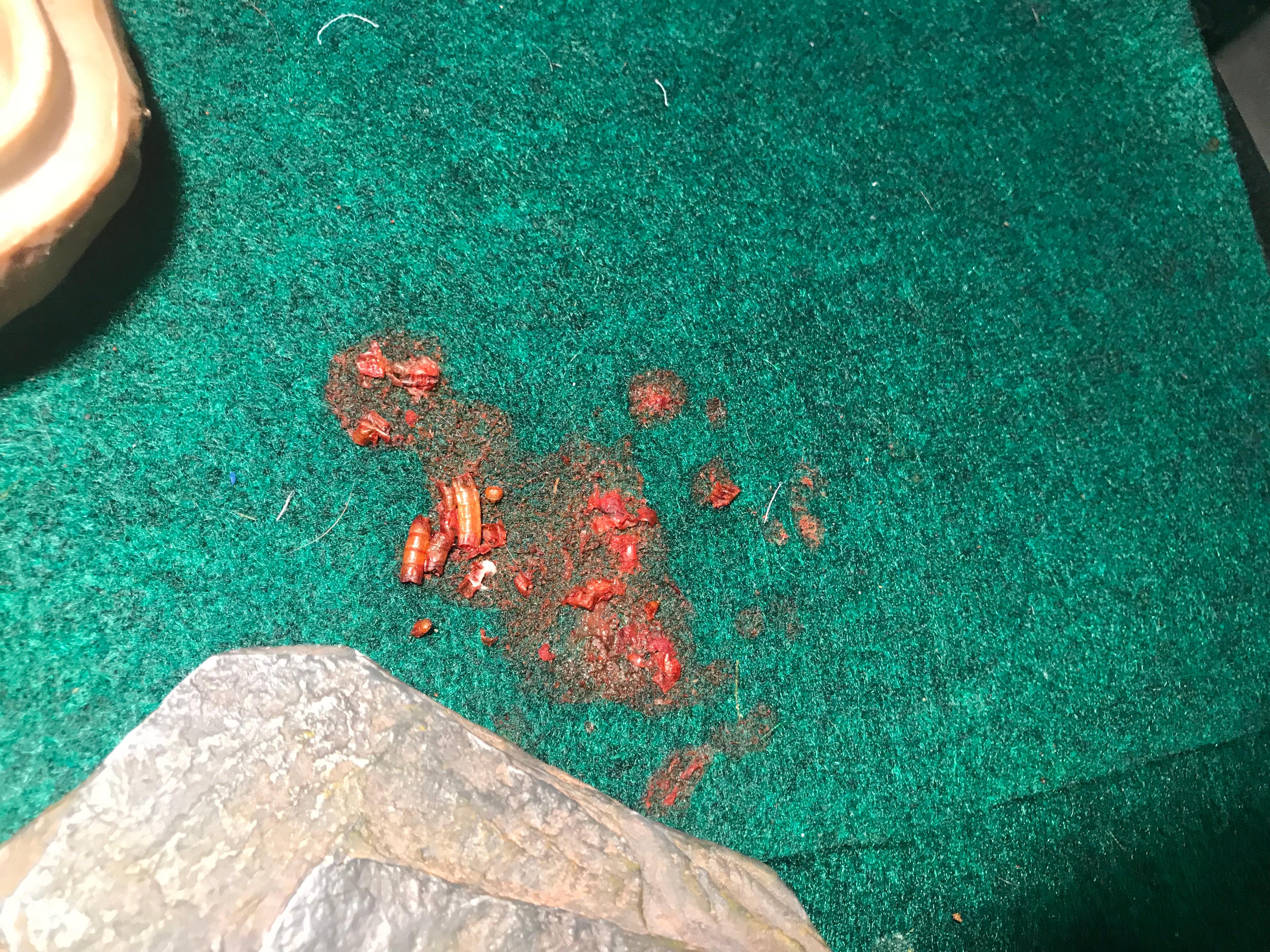
A beardie that is vomiting or regurgitating regularly should be examined by your veterinarian or a vet experienced in treating reptiles. Potential causes may include an obstruction, constipation, tumor, incorrect diet or kidney/liver disease. Check in and around his mouth for redness, swelling, discharge or bleeding. If you see none, it may not be mouth rot. Check tank temps. Low temps can affect digestion in reptiles. Soak him in a warm 50/50 solution of water and unflavored PediaLyte for 15-20 minutes daily. During the soak, gently massage his abdomen (front to back), to stimulate defecation. This will help if he is constipated. Stop feeding mealworms (too much chitin) for now and offer crickets or dubia roaches. Gut load them for 24 hours prior to offering to maximize nutritional value.

2Pet Parents found this answer helpful
Related Answers from Veterinarians
-
Published on July 4th, 2019
Vomiting is a serious symptom in reptiles. When a reptile regurgitates, it is usually due to one of the following conditions: too cold too stressed food/prey too large food/prey spoiled systemic infection high levels of protozoans or parasites disturbed too soon after eating obstruction in digestive tract Check the enclosure and room temperatures and all of your husbandry to make sure everything is 100% correct (diet, temp, lighting, humidity, etc). Please refer to this article: ( http://www.reptilesmagazine.com/Care-Sheets/Lizards/Bearded-Dragon/ ) I do think you need to be worried so if his symptoms persist for longer than 48 hours he needs to be seen by a vet. He could have aspirated down into his lungs when he vomited which can cause a serious pneumonia if not treated promptly.
1Pet Parents found this answer helpful
-
Published on January 16th, 2020
Thanks for reaching out about Zeus. First, check and correct environmental parameters such as temperature (day/night, high/lows, far end of the exhibit), UVB exposure and diet. If this is all correct, a veterinary visit is recommended to assess and provide a diagnostic/treatment plan. Intestinal parasites or infections, metabolic disorders (liver, renal) are just a few of the problems. Starting with a fecal examination should be the first start. Good luck.
1Pet Parents found this answer helpful
-
Published on August 31st, 2019
Check temps in the enclosure. Low temps can affect appetite and digestion in reptiles. Survey the area in and around the cage for any negative stimuli. Stress can lead to loose droppings. A stool sample should be submitted to diagnose parasites. Ideally, he should be seen by your veterinarian. If this is not possible, limit fruits and vegetables in the diet temporarily. You can feed greens and prey. Consider a probiotic to promote gut health. Soak him in a warm 50/50 solution of water and unflavored PediaLyte to treat or prevent minor dehydration.
1Pet Parents found this answer helpful


My bearded dragon threw up and he was white after he Seems to be fine now but he’s very tired he was out all day today and ate very little should I be worried?

I took my bearie to riverside vet I’m Elizabeth PA and they looked at him and said it was mouth rot. But the antibiotics didn’t work and he still won’t eat. Also his eyes are very gewy and crusted shut and he keeps his mouth slightly open all the tim
My beardie has a black beard and half of his tail is black. Last night when I got him out he seemed very lazy and he ended up throwing up which is very unusual. It was mostly greens, metal worms and a little veggie mix we give him. I didnt over feed
My bearded dragon vomited the other day. Is that normal
How can you treat mouth rot in a bearded dragon
My bearded dragon is very sick and throwing up he also seems to have an apitate but he's not eating he is also weak but has random fits
I just recently adopted a baby bearded dragon who is trying to pull out of failure to thrive he is a little bloated and constipated trying to give him water and Emeraid IC .07ml seem to be pulling out of it for a while but past 3 days is not as inter
My Chinese water dragon has some kind of weird thing on hits mouth and it's always sticky and dry looking I'm thinking it's mouth rot but I'm not sure the lady who sold me him didn't tell me she claimed that it is a bite wound should I treat it as mo
My baby bearded dragon keeps getting crusties all over his mouth. Is this mouth rot?
Bearded dragon has a lump on his face. Not sure what it is, I read somewhere that it could be this think called mouth rot. I don't have much money right now...will he be okay for a bit till I can take him to get treated? If so what can I do or use to

Book an appointment with the pros – our expert vets are here to help.
