


My betta has fin rot. How quickly can it kill and how can I treat it?
Updated On September 23rd, 2025
Pet's info: Fish | Unknown - Fish | Male | unneutered | 10 months and 23 days old
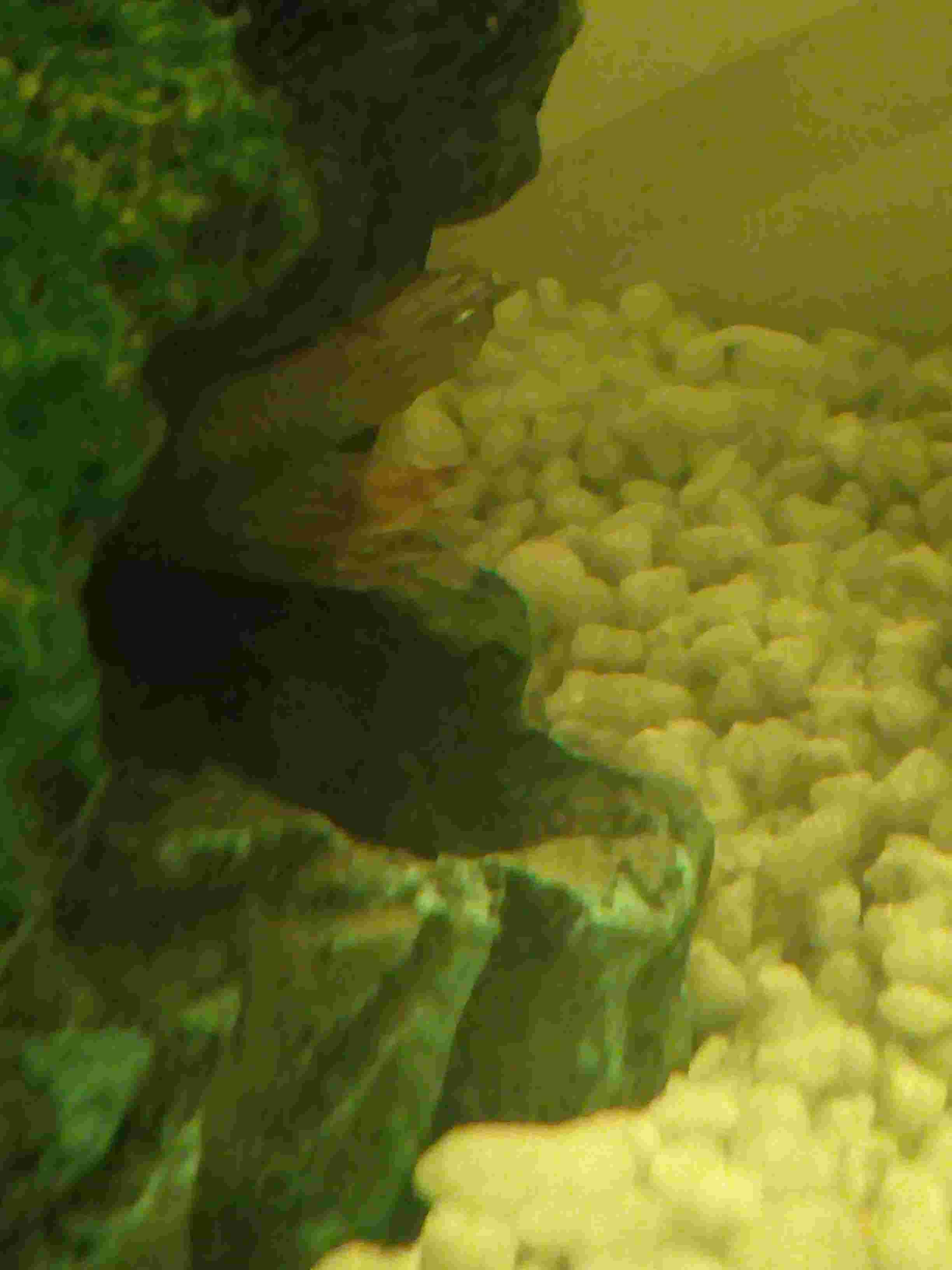
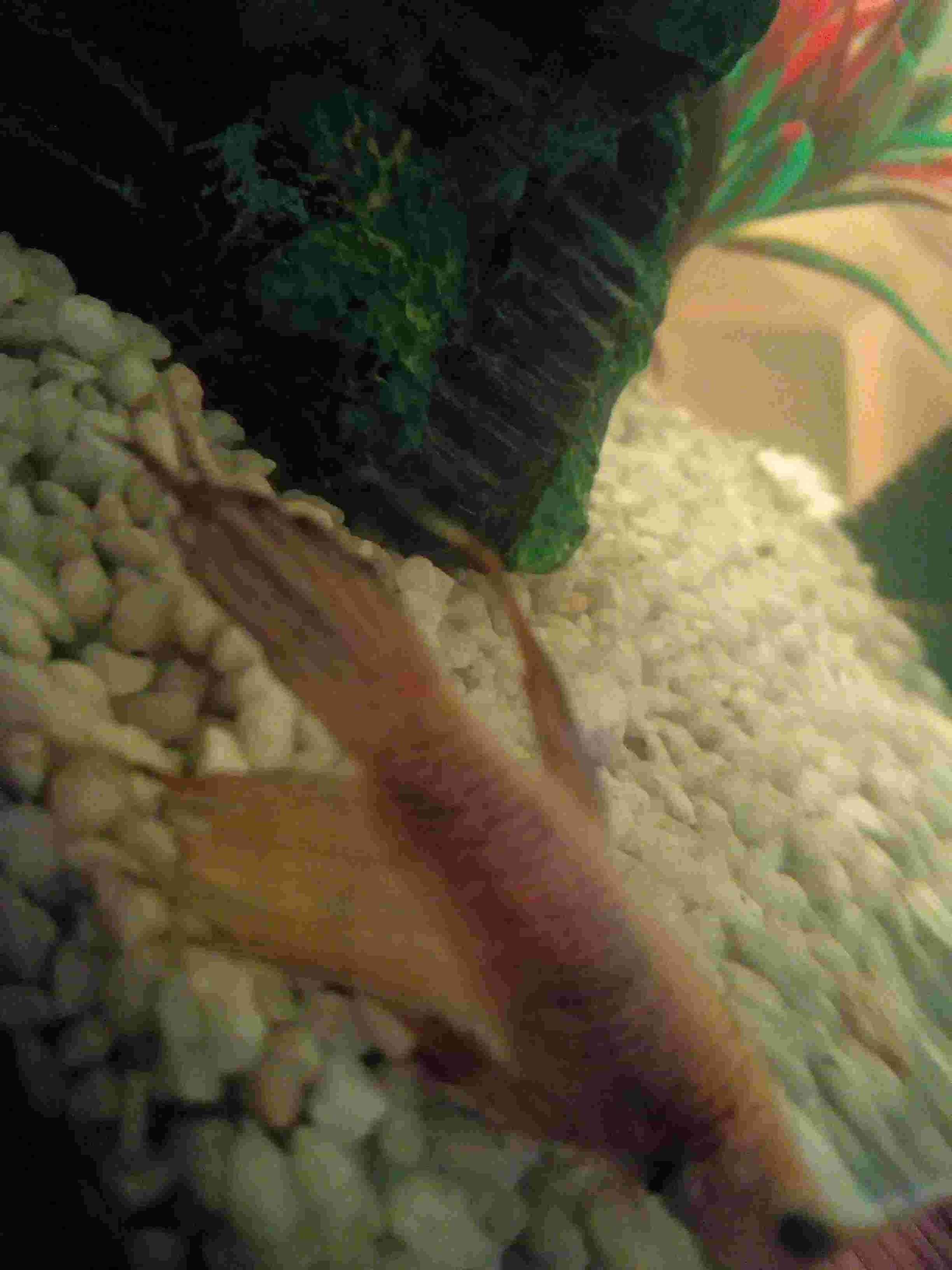
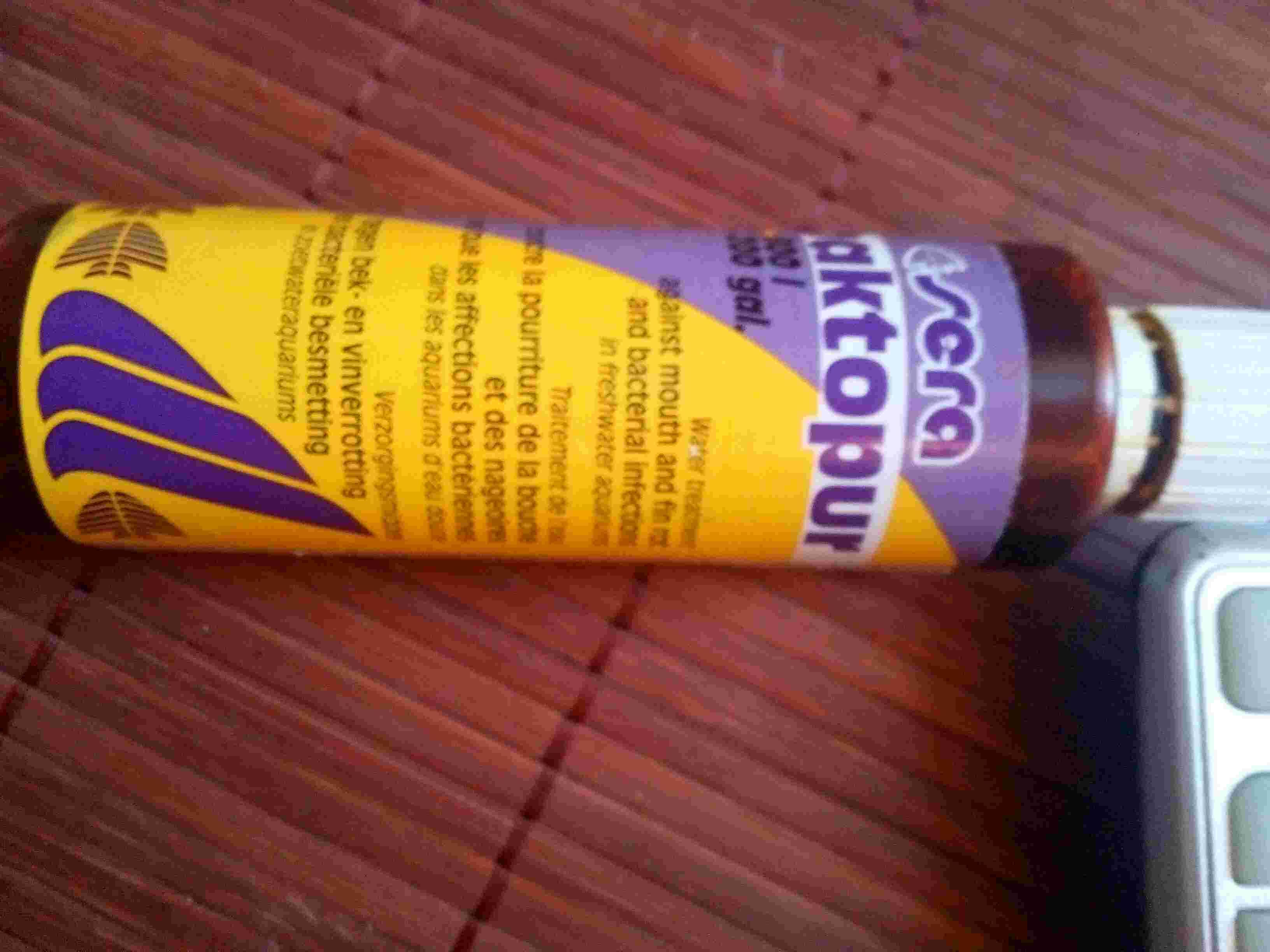
My betta fish have fin rot disease. How fast can kill it my betta? How can i treat it? I can't take a better photo because he can't swim , so he doesn't move. I put in his water what vet recomended me to put. Thanks!


5 Answers
Most Helpful Answer

Published on January 27th, 2018
Fin rot can kill quickly if left untreated. Clean water plays a critical role in treatment and recovery. Perform daily partial water changes using aged or conditioned water that is temperature matched to prevent further stress or shock. Bettas do best between 78F and 80F. You can continue to use the bottled treatment as directed. Add a bit of plain aquarium salt (NOT table). As well to aid in recovery. Dissolve 1 teaspoon of salt per gallon of water in a cup of tank water and gently pour it into the tank. Treat for 10-14 days then reassess fin condition.

1Pet Parents found this answer helpful
Related Answers from Veterinarians
-
Published on February 23rd, 2018
Check the strength of the current caused by the filter. Bettas do best in slow moving water. Continue to maintain pristine water quality. Consider adding in some plain aquarium salt (NOT table or Epsom salt) as a general tonic. It will reduce stress, improve gill function, treat minor infection and aid in any recovery. Dissolve 1 teaspoon of salt per gallon of water in a cup of tank water and gently pour it into the tank. Treat for 10-14 days then reassess fin condition. Perform partial water changes afterwards to decrease salinity. Use only conditioned water that is temperature matched to prevent stress or shock.
1Pet Parents found this answer helpful
-
Published on August 8th, 2017
Check and maintain adequate water quality. If you have a filter, set the water flow to as low as possible. Bettas do not do well in strong currents, especiallly with fin damage. Maintain proper water temp (78 F to 80 F). You can add in StressCoat to aid in healing at each water change. It will take time and if he was in very poor condition, his fins may never regain their original form and length.
1Pet Parents found this answer helpful
-
Published on August 26th, 2018
This looks like fin rot. It can be caused by bacterial or fungal infection and compounded by poor water quality and/or strong water currents. Perform a partial water change, no more than 30% total volume, every couple days to maintain water quality. Use only conditioned water that is temperature matched to prevent further stress or shock. Bettas do best between 78 F and 80 F. If possible, turn down filter flow to decrease current as they also prefer slow moving water. Dissolve 1 teaspoon of plain aquarium salt (NOT table salt or Epsom salt) per gallon in a cup of tank water and gently pour it into the tank. Treat for 10 to 14 days then reassess fin condition. Do not use salt for more than 14 days in a row. The salt will act as a general tonic to reduce stress, improve gill function, treat minor infection and aid in recovery. If necessary, you can use a broad spectrum antibiotic. Find one in the aquarium section of the local Petco. Follow label directions carefully and remove the carbon filter insert during treatment if indicated.
1Pet Parents found this answer helpful
-
Published on June 22nd, 2018
Maintain pristine water quality via filtration and regular partial water changes. Monitor water chemistry to confirm 0 ppm ammonia and nitrites with nitrates at 20 ppm or less. Keep the water temperature between 78F and 80F to prevent stress. You can use plain aquarium salt (NOT table salt or Epsom salt) as a general tonic to reduce stress, improve gill function, treat minor infection and aid in any recovery. Dissolve 1 teaspoon of salt per gallon of water in a cup of tank water and gently pour it into the tank. Treat for 10-14 days then reassess his condition. Do not treat with salt for longer than 14 days at a time. Perform water changes afterwards to reduce salinity. Use only aged or conditioned water that is temperature matched to prevent stress or shock.
1Pet Parents found this answer helpful


I just got a betta that has fin rot. He is in a 2.5 gallon until I can find my ten gallon. I'm worried about him surviving the nitrogen cycle as it is a new tank. I want to ask the pet store if they have an established aquarium so I can transfer the

HI my Betta fish male vail tail has a finrot so i cleaned all tank, i added stress zyme, water conditioner and fin rot treatment but now he is just lying at the bottom of the tank not movin. when i gently tap him with a fish net he will mkove a littl

I just purchased imagitarium aquarium salt for my betta. I have never used aquarium salt before and It says on the label that I can combine it with sprinkling in a little bit of food once a day. Does this mean it is safe to add the salt in with my fi
Hello, I have a betta and I'm sure he has moderate fin rot. Thing is I have him in a 1.1 bowl because I broke my bigger 2.5 gal tank. Ive been doing water changes and recently bought aquarium salt, bettafix, and Tail and Body Cure from API but I'm no

My betta came home last Thursday and was fine and well. Yesterday, around midday, he developed a large black spot on his fin. After that, his health rapidly decreased. His fins began to disappear, his body became pale, and he looked like he was rotti
My betta fish has fin rot, it’s progressing very fast. Within a day there’s a noticeable difference. He’s in a 55 gallon glofish tank(I tried multiple dividers and he kept escaping with no injuries) yesterday I put some betta fix medicine but it took

Chronos (my fish) seems to have a sore and a missing scale under his top fin, and up till now his top and bottom fins have sections that are see through but doesn't present any of the symptoms of fin or tail rot. He is in his "hospital" tank with bet

There is an evident hole on my betta's rear fin. Along with that I think it's fins are turning whitish. Is this a major problem?

Hi! My female betta fish has been recently losing bits of her tail. I know the problem is not fin rot because the ends are not black. My betta had this happen to her once before, and once I did a water change it stoped. Why is this happening? What
I think that my male Betta may have fin rot. Possibly velvet as well, but I am not sure. I wanted to know what medications are best for treating it. The first two photos are of him today. One with flash and one without. The last photo was taken aroun

Book an appointment with the pros – our expert vets are here to help.
