


My kitten has parvo. How long until it recovers from the virus?
Updated On September 23rd, 2025
Pet's info: Cat | Bombay | Male | unneutered | 1.455 lbs
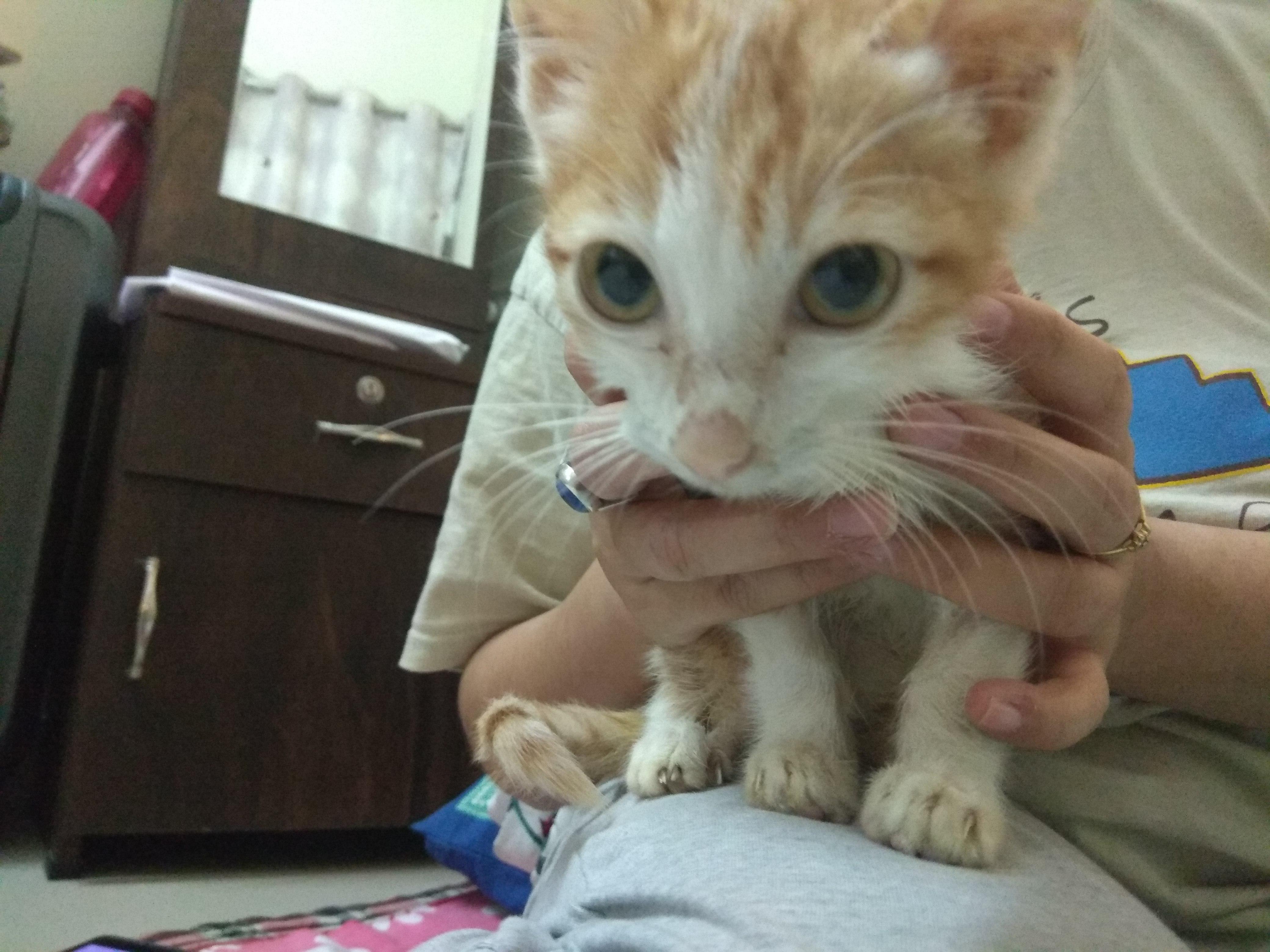
Our kitten of 2 months has been diagnosed with paro virus. Symptoms are severe loss of appetite, dehydrated no fever,weakness,vomiting and foul smelling diarrhea... Symptoms started 5 days ago Treatment is started. Anything we r missing to do we got this kitten 5 days ago its a rescued one. How long it takes to start to revover


2 Answers
Most Helpful Answer

Published on January 11th, 2018
This kitten was likely already exposed to it before you go it. This disease can be fatal but hydration is the key. It is a virus so supportive care is all you can do until it passes. Most turn the corner within a week of treatment starting with no more vomiting followed by an appetite returning.

1Pet Parents found this answer helpful
Related Answers from Veterinarians
-
Published on October 25th, 2017
I'm sorry Blue is so sick! Parvo (also known as panleukopenia) is very serious for kittens and many of the die. Treatment is supportive care as the cause is viral which needs to run its course. His best option to survive would be to have him hospitalized on intravenous fluids, intravenous broad spectrum antibiotics, gastrointestinal protectants and possibly even nasogastric feeding. The problem with parvo virus is that it destroys to portion of the intestines that is responsible for absorbing food, nutrients and medications. Intravenous medications ensure that he is actually getting the full benefit since oral medications may not be absorbed. Dehydration will set in quickly and this can also be fatal. This why aggressive treatment is best. In my experience, you will be able to see if difference in 5-7 days if they are going to make it or not. Good signs would be that they are wanting to eat and the diarrhea and blood is subsiding. Bad signs would be a continual illness or worsening. I'm not sure there are any good statics to tell you about parvo in kittens as far as survival rates. At home you are fighting an uphill battle. You need to make sure he stays hydrated. Unflavored pedalyte can help with electrolytes. He needs medications (antibiotics, GI protectant), he needs to eat. Even with hospitalization (which will give him his best chance), he still may not make it but its worth a try. I've got my fingers crossed for Blue. I hope he gets better.
1Pet Parents found this answer helpful

Today I found bloody cat stool and cat vomit. Brought him immediately to the vet and I was told that my one month old kitten has developed palvo virus. He still eats a little but rarely drinks.He walks around but is less active. That (pic) was how hi

2 days ago the vet told me that he has parvo virus as he was experiencing bloody stool and vomiting. After taking his first medication, he eats normal (hardly ever drinks) and is playful and active like his healthy self. He feels warm n still experie

Feline Parvo- what are the chances of survival if the kitten only had Diarrhea and was taken straight to the vet. She has very tiny blood spots in her stool and has slight anemia. She is currently undergoing treatment at the vet. I just need to know
We adopted a kitten on Tuesday who tested + for Parvo when he was rescued. Then - for it on 6/14. I took him in the morning because he was acting odd and come to find out her has PARVO, again? The shelter won't take my calls my children are devastate
Hi my kitten collapsed few hours ago with poop coming out of her, i rushed to the vet immediately because she looks like she's going to die. My vet said that she has pavo virus, apparently she got it from her mother. So the vet injected IV drip und
I have a 15week kitten who I adopted 2 weeks ago. He already had 1 vaccination and was due for his second. He only had his second on Friday as we had to delay as he showed signs of cat flu which the vet treated. On Sat pm an abandoned 3wk kitten came

Hi there. My cat has Parvo but symptoms weren’t bad enough to be admitted to vet clinic. I’m caring for him at home. He’s alert, eating, drinking. Not vomiting, he does have diarrhoea but it’s not very runny, it’s thick and brown. He’s gone 3 times i
My cat is 8 months old and tested to be FPV positive. Why does he keep vomitting even after giving him the medication to stop the problem?
My pets being diagnosed with parvo disease. She’s currently being warded for the fifth days at the clinic. The vet says chances to cure is 50/50, since my cat now refused to eat, always vomit out when they fees her. The doctor give us choice either
My cat was vomiting and refused to eat, and we discovered he had parvovirus on Friday. He has been at the hospital since, and he has stopped vomiting and diarrhoea(he got diarrhoea when he was connected to the nutritious solutions they give him) He h

Book an appointment with the pros – our expert vets are here to help.
