


What treats cat flea allergy dermatitis itching and skin sores?
Updated On September 23rd, 2025
Pet's info: Cat | Mixed Breed | Female | unspayed | 7 years and 8 months old | 13 lbs
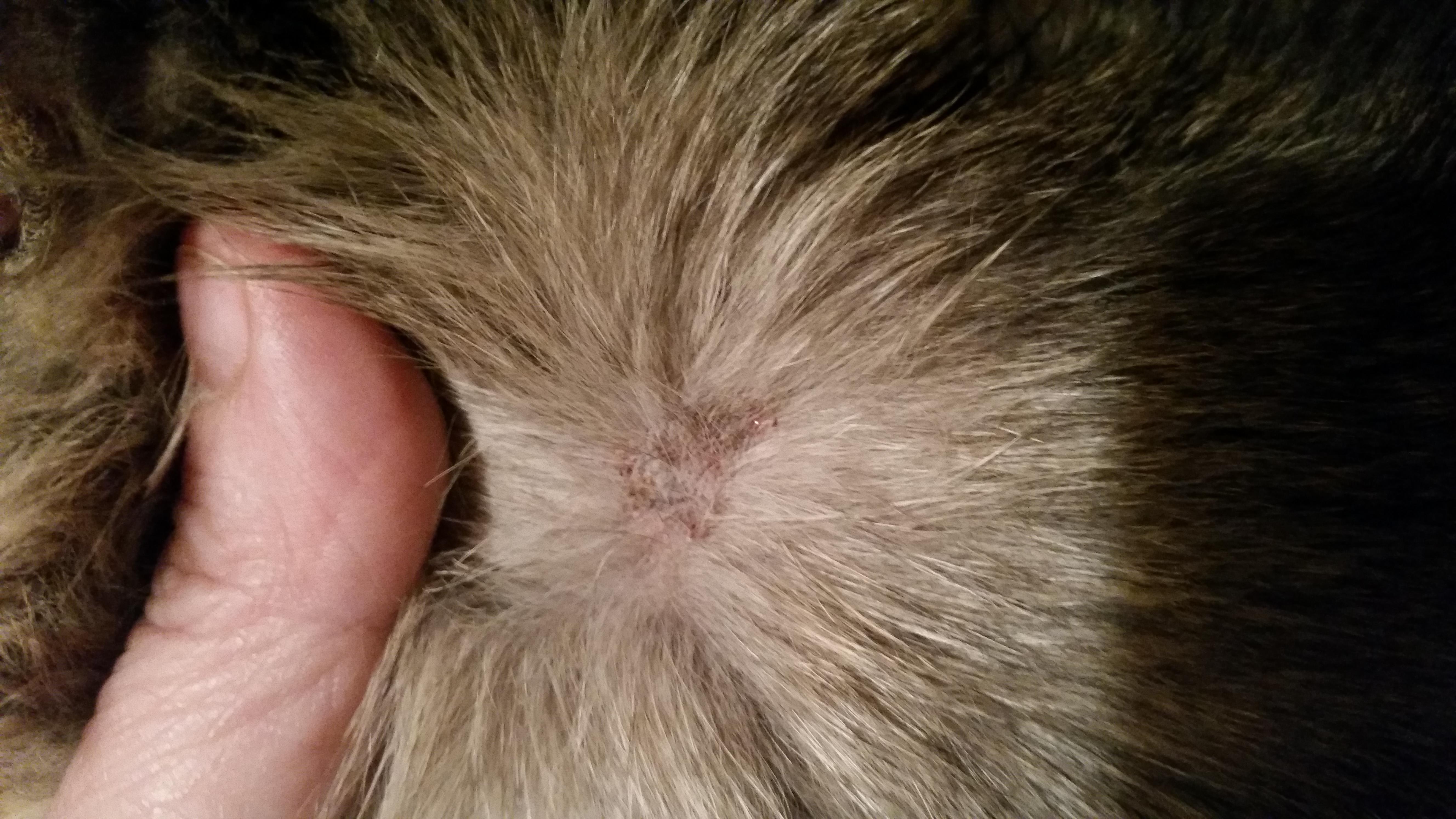
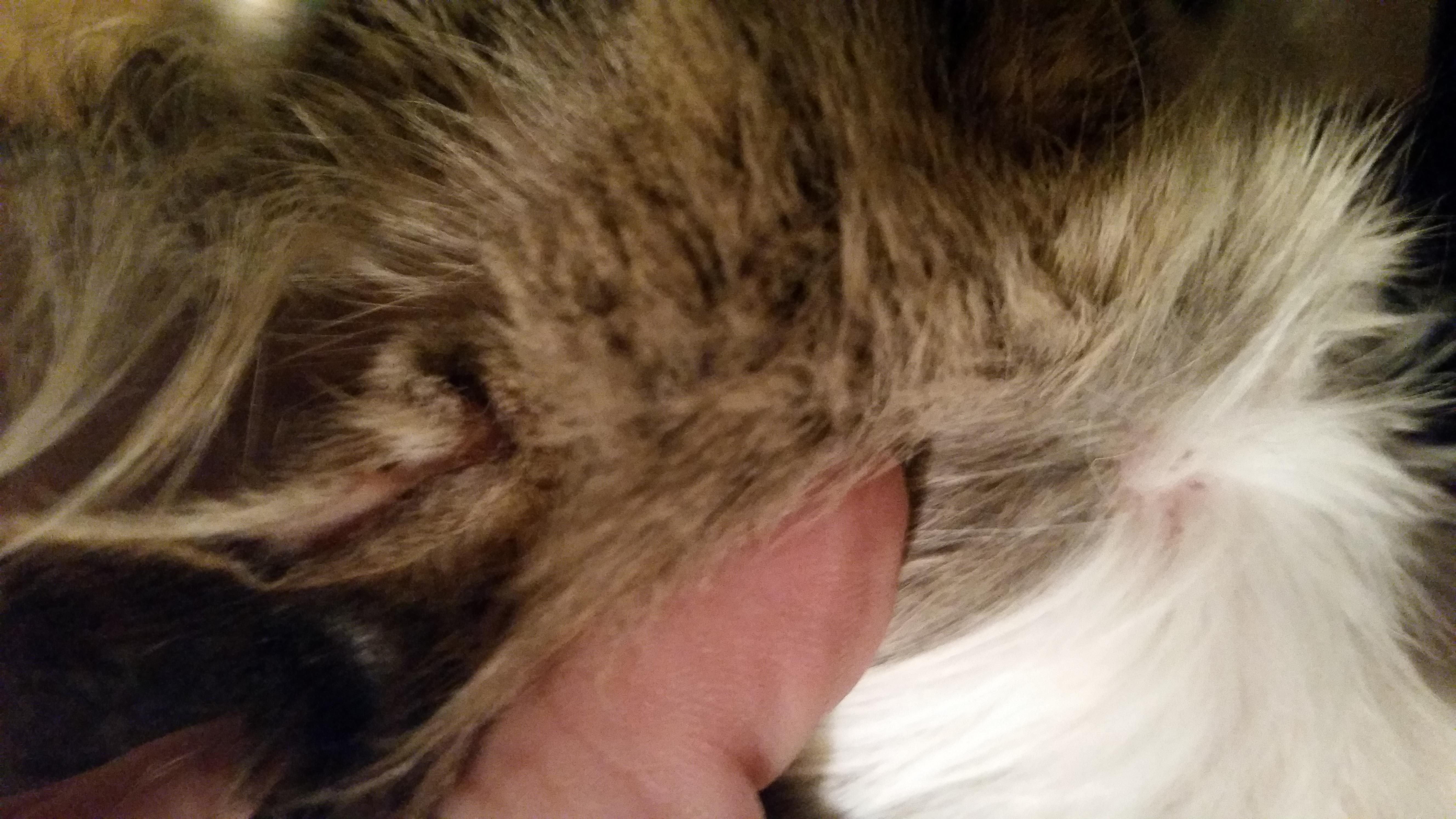
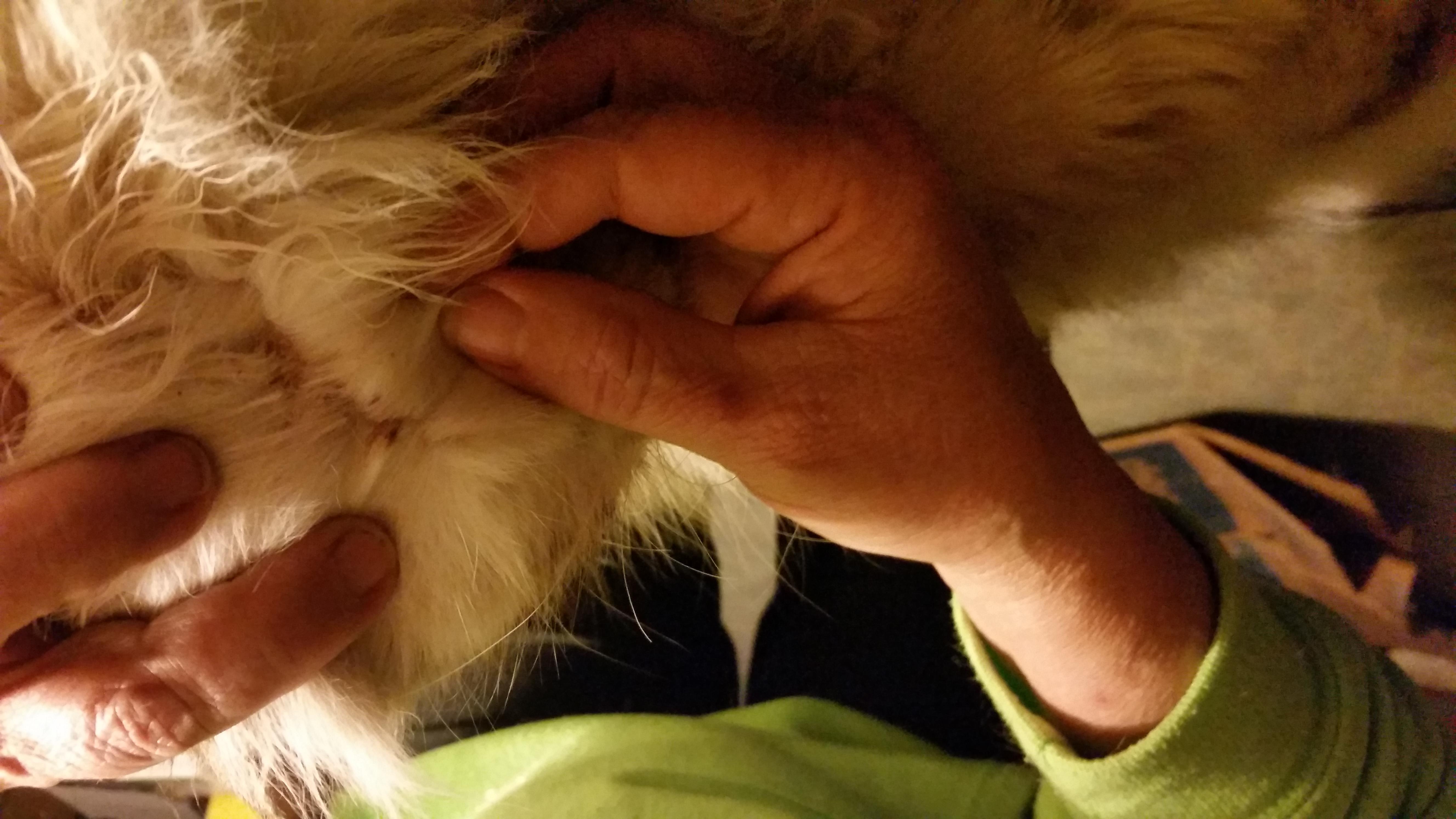
Two of my cats have flea allergy dermatitis. I used PetArmour Plus, it had the same ingredients as Frontline. What can I use to help with the itching and get rid of the crusty papules. Please help me figure out what is best for them. Am I using the correct flea treatment? It looks very red, crusty and sore. I tried to get the best pictures I could. They didn't want to cooperate very well.


4 Answers
Most Helpful Answer

Published on January 7th, 2018
I'm sorry your cats (and you!) are dealing with you. Unfortunately, once a cat has a flea dermatitis, the itching and skin problems can continue even once you get rid of the fleas. The degree of which really depends on the severity of their sensitivity to flea bites. Often, we have to use antihistamines or steroids to resolve the inflammation. Sometimes we also have to incorporate antibiotics if there is an infection. For dogs, there are topical shampoos we can use, but those are often not a good option for cats. So, I would recommend having your veterinarian examine your cats' skin to determine if there is a secondary skin infection or just inflammation in order to help you determine the best treatment. Good luck! I hope that was helpful. Thanks for using Petco Pet Education Center, formerly Petcoach.

1Pet Parents found this answer helpful
Related Answers from Veterinarians
-
Published on September 13th, 2017
Hi, thanks for using Petco Pet Education Center, formerly Petcoach! Without seeing your cat, it is difficult to say if additional treatment is needed in order to clear up an infection that may be present. A skin infection can occur secondary to flea bites because dogs and cats will lick, scratch, and bite at their skin enough to cause sores known as excoriations. Additionally, the fleas, even when under control, can leave an itching sensation for a few days. Unfortunately, there isn't an over-the-counter recommendation to be made here, so if you notice any sores or continued itching, I would recommend having him seen by a veterinarian for assessment and treatment(s) that may be indicated. Also, there may be another issue going on if the fleas have been eradicated from his environment for a while. If you haven't done so, vacuuming carpets, couches, and bedding where he spends his time is important as the fleas we are able to see are but 5% of what is in the environment, and you could have a bunch of flea eggs, pupae, and larvae waiting to hatch, become adults, and continue their reproductive cycle. Hope this helps!
1Pet Parents found this answer helpful
-
Published on August 12th, 2019
Thanks for using Petco Pet Education Center, formerly Petcoach! This is possibly due to allergies. It really comes down to figuring out what is causing her allergies so that they can be treated or the specific allergen avoided. A secondary infection is likely and also needs to be addressed. There are medications such as Apoquel or prednisone which may help with the itch. There are many things that can cause allergies though in most cases they can be broken down into 3 big categories: flea, food and environmental allergies. Allergies are usually worked up in a stepwise fashion starting with flea allergies as this is the easiest and cheapest to take care of. If not on a flea preventative, then it would be a good idea to get started on one. If already on one then it would be a good idea to change to something else (there are many new products out in the market). If not improved in 1-3 months then it is time to move on and check for food allergies by switching to a novel diet (new protein and new carbohydrate). If that does not seem to be the issue then you are left out having to check for environmental allergies which require blood and/or skin tests. Allergies can be very frustrating to deal with at first but so rewarding at the end when we are able to treat them effectively!
1Pet Parents found this answer helpful
-
Published on June 30th, 2017
Poor Callie! It only takes one flea bite to cause an allergic reaction in an animal that has allergies to fleas. She also could have a secondary bacterial skin infection and may need an antibiotic to treat. Have her examined by a vet to see if an antibiotic would help. A short course of a corticosteroid may also help with the itching and make her a lot more comfortable and your vet can prescribe.
1Pet Parents found this answer helpful



I have two dogs that go outside. They are treated by a vet and have no fleas. My 2 cats already had fleas, which I have treated for many months with Advantage II. Did not help cats. One of my cats has flaking skin and sores and the other is not as ba

my cat has fleas, and he also has flea allergy dermatitis. i don’t want to put topical treatment on him because of the location of his sores, so i need to give him a flea bath but i don’t know what shampoo is safe to use on cats with dermatitis. i es

Our cat is allergic to fleas. They have given him steroid shots and antibiotics and he is on flea medication. The steroids and anti biotics work for a little but then the scabs come back. I have bathed him before with a little dawn dish soap and it r

My cat has flea allergy. She's scratching so bad I can't use advantage due to a sore on her neck. I got a Seresto collar which helped rid her of fleas, but she has been licking under her neck and has welts under her chin. She had them before the Ser
I think my cat has flea allergy dermatitis, I capstared him yesterday, I'm going to brush off the flea residue and eggs today with a flea comb,is there something I can apply on his skin to help the allergy? He has a huge patch of hair missing on his
My cat has sores all over her body. She is 2 months into Advantage 2 flea treatments and we have been using a hot spot spray for a week. She does not go outside, but the dog may have brought fleas in. We believe this is a flea allergy as she did som
Hello, ma cat has fleas. I have tried literally everything. I have used up 3 big bottles of Frontline spray on him but I can’t get rid of it. He developed allergic reaction to fleas lately. He keeps scratching his back all the time. Skin looks irrita

hello I have been taking care of my neighbors animals and they have been refusing to take their cats and dogs to the vet. I know that both of their dogs have very bad fleas so my mom and I are taking care of that. But their cats have something diffe
I believe my 8 year old male cat has miliary dermatitis. He is an indoor cat and we also have an 8 year old female dog. Can you recommend a home remedy for the dermatitis. And a recommendation for flea prevention for cats. Thank you very much.
Pepè has been diagnosed with flea dermatitis on his back. Is there any remedies to help cure his pain on his back as it is very sore to the touch for him. He gets flea medicine every 28 days which the vet recommend but it hasn't gone down. He is also

Book an appointment with the pros – our expert vets are here to help.
