


Why is my fish resting at the bottom and can't open its mouth?
Updated On September 23rd, 2025
Pet's info: Fish | Unknown - Fish
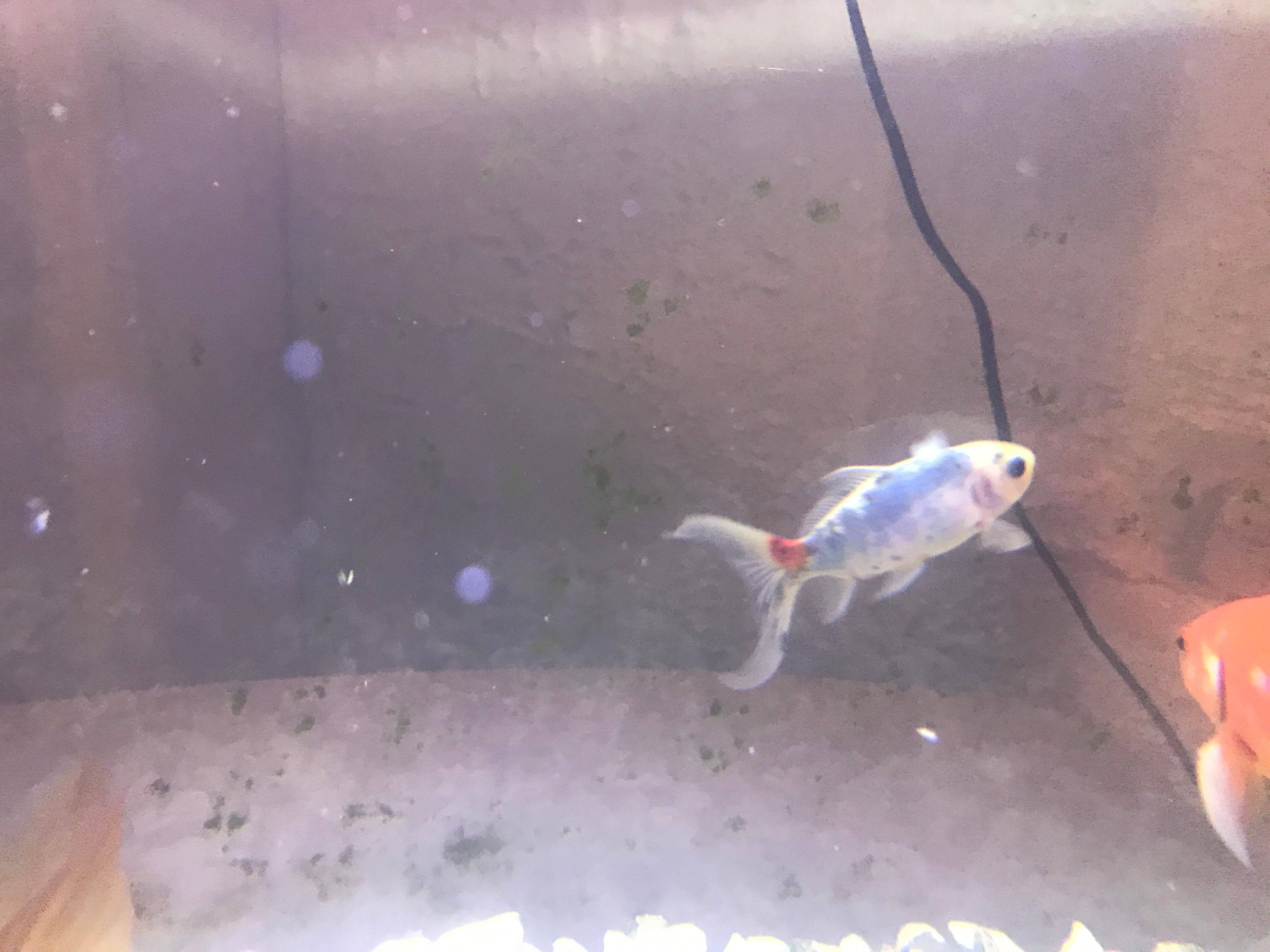
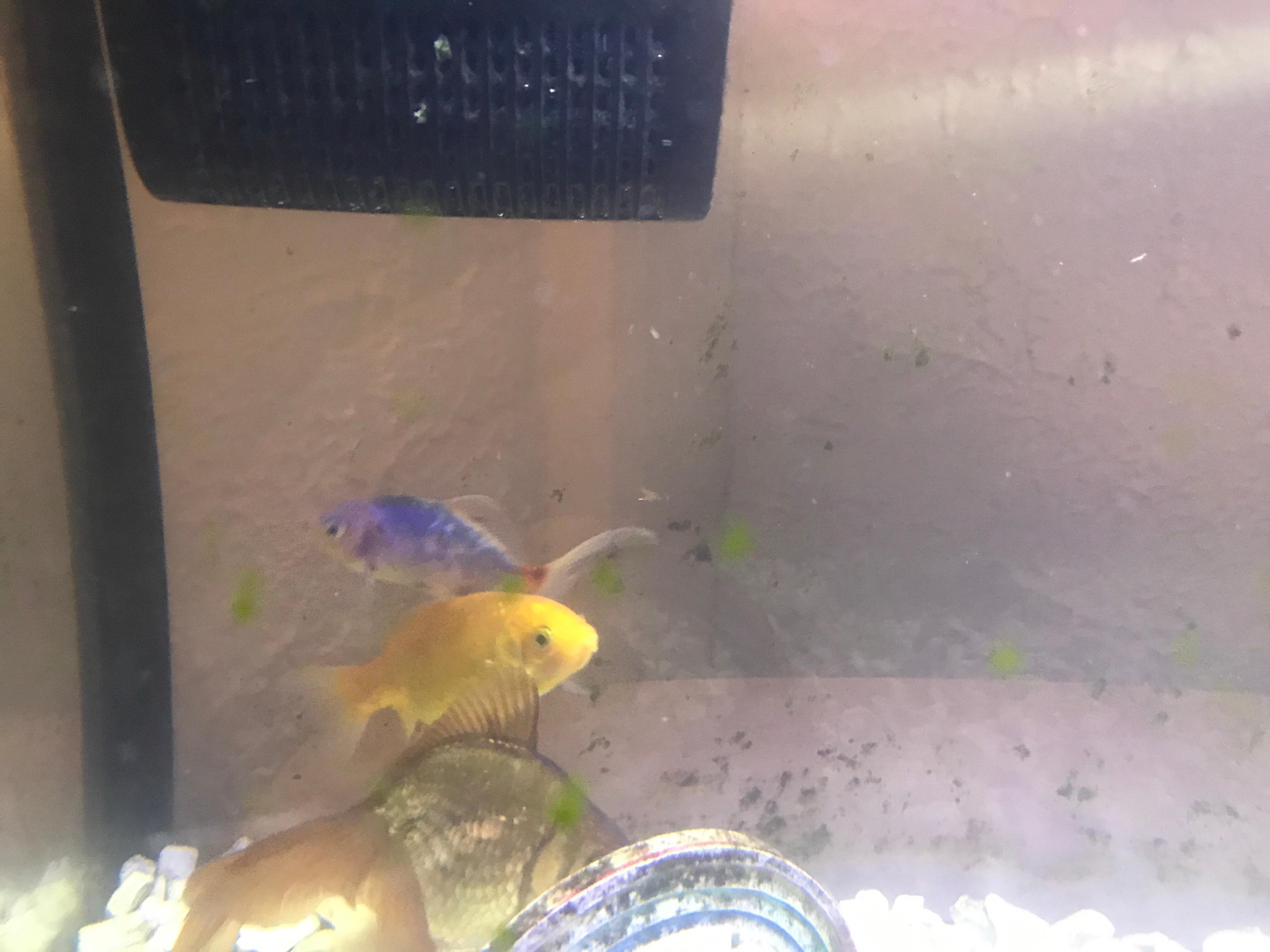
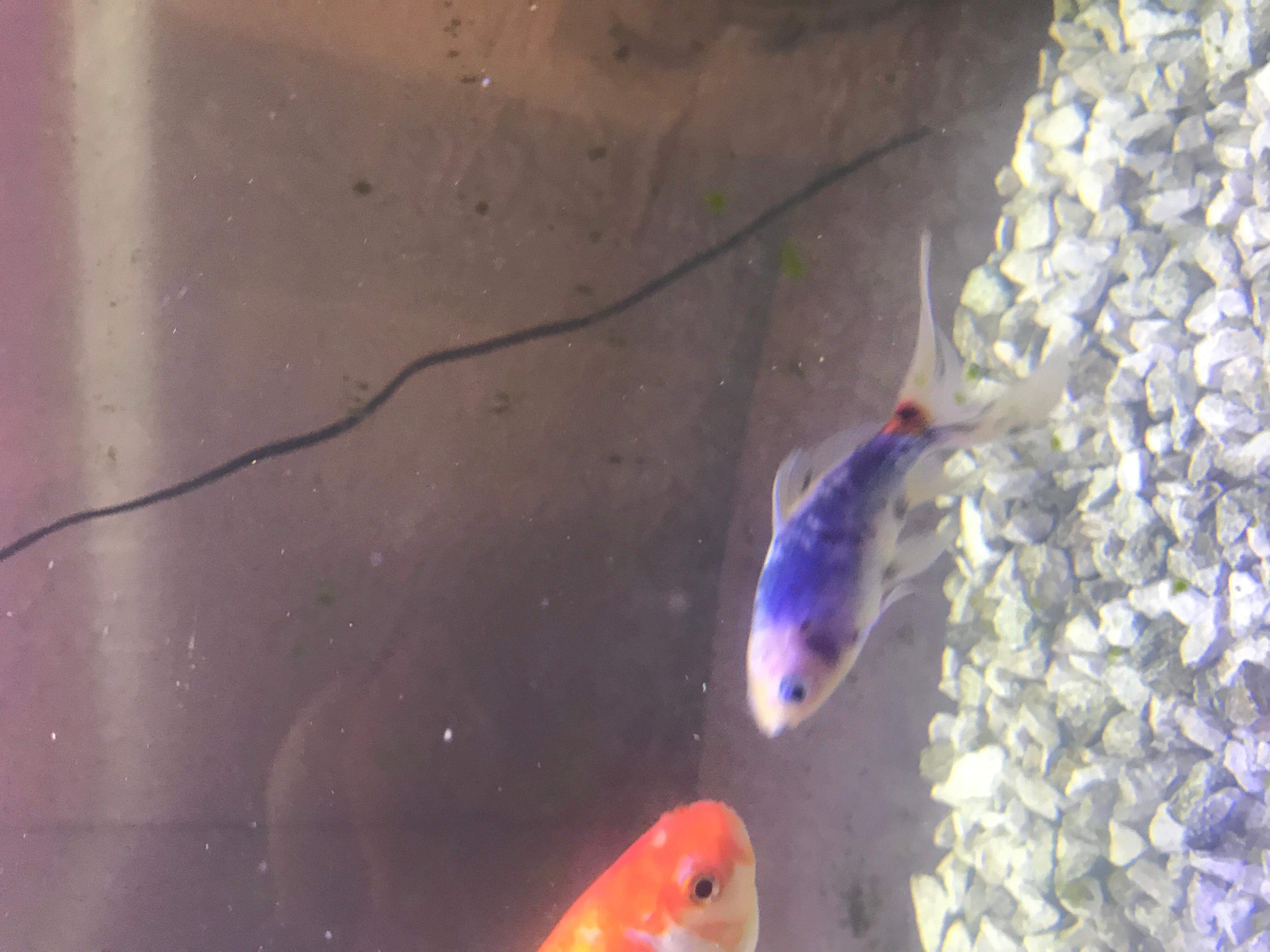
My fish can’t open it’s mouth, and Is resting on the bottom of the tank, has a swim then goes back to the bottom of the tank


3 Answers
Most Helpful Answer

Published on December 5th, 2017
Check the water chemistry and quality first. Elevated ammonia or nitrite levels can be toxic. Partial water changes can be done to stabilize and improve water chemistry. Use only aged or conditioned water that is temperature matched to prevent further stress or shock. For goldfish, a range of 65F to 72F is recommended. Check the filter and rinse the sponge with tank water, not tap water, to spare beneficial bacterial populations and to maintain water quality. The tank may not be large enough to support 5 goldfish. Generally, 20 gallons should be allowed for the first goldfish then a 10 additional gallons should be provided for each additional goldfish. This is due to the larger than average bio load (wastes) they produce. Consider a larger tank or decrease the number of fish in one tank. Use a filter that is rated for at least twice the volume of the tank and add an airstone and pump for increased oxygenation. Plain aquarium salt (NOT table salt). Can be used as a general tonic. It will reduce stress, improve gill function, aid in any recovery and may treat or prevent minor infection. Dissolve 1 teaspoon of salt per gallon of water in a cup of tank water and gently pour it into the tank. Treat for 10-14 days. When performing water changes, add salt only to the amount of water being replaced, not the entire tank volume.

4Pet Parents found this answer helpful
Related Answers from Veterinarians
-
Published on September 4th, 2018
Ideally, one goldfish should have 20 gallons of water. The reason being that goldfish produce a larger than average bio-load (wastes) than other fish. One fish can quickly overwhelm a small tank and filter. If you have a smaller tank, use a home test kit to monitor ammonia, nitrites and nitrates. When ammonia or nitrites begin to rise, it is time to perform a partial water change.
1Pet Parents found this answer helpful
-
Published on April 29th, 2019
Check the water quality again use a liquid home test kit or submit a water sample for testing. The local Petco may do this for free or for a small fee Aim for an absence (0 ppm) of ammonia AND nitrites. Nitrates can be 20 ppm or less. Perform another partial water change, no more than 30% total volume, at a time. Use only conditioned water that is temperature matched to prevent stress or shock. Goldfish are cold water fish and do best between 65 F and 72 F. Additionally, a 10 gallon tank may be insufficient for 2 goldfish and a Black Moor. Goldfish produce a larger than average bio-load (waste) which can quickly overwhelm a small tank and after. Ideally, provide 20 gallons for one goldfish and an extra 10 gallons per fish. The filter should be rated for at least twice the volume of the tank. Even with a string filter, partial water changes and regular cleaning/vacuuming will be needed to maintain water quality.
2Pet Parents found this answer helpful

My goldfish can't close it's mouth. He is eating and swimming normally, but he keeps his mouth open all the time. What can I do?
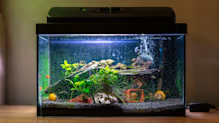
Hi, one of my goldfish not moving and stays at the bottom of the tank, compares to other goldfish which able to eat and normal behavior.. But I've changed to clean water and cleanse the filter and with good nutrition food for them.. What could I hel
Hi I'm really scared because I went to my boyfriends parents house and I left my sister to look after my 7 Fish and she sent me a photo and I saw (HEAPS) of food layers on the to and I had to cut my holiday short my 11 days and I get back to sad babi

My fish fantail goldfish Mort has become very lethargic. He usually comes up to the top for his food but recently he has just been lying on the bottom of the tank. He still eats but seems tired. I've had him about 8 years now.

Two of the fish fins are clamping down close to their body. I did 75% water change and hopefully they will get better. I do not have the water testing kit. Will buy soon. Is there any ways to get them better? I could see some of their scales are off.
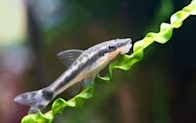
My goldfish, chowder, is staying at the top and won't eat. He won't use one of his pectoral fins. I think it is broken. It's red and has a white spot on it. I dont know what happened. He might have been already sick then got hurt because my dad suck
I have 3 Fancy Goldfish; Spot, Zedar and Monty. Monty has 2 white lumps on his head was swimming before but is lying inside the ship all the time. Spot is all white with black and orange spots it was spastic swimming but still eating. Then got swim b
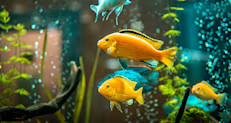
My fancy goldfish has a huge belly, is sitting on the bottom of the tank and hasn't eaten in 3-4 days. What do I do?
How do i save my black moore? He isnt swimming, breathing fast, tries to eat but cant get the food, is losing weight, floating to his side, and is very weak. I did a 40% water change yesterday and 2 days before after noticing symptoms, but hes only g

My fish is acting sick. He is not really eating and he keeps going to the surface to breathe . He is also getting these little what looks like panic attacks and swims very fast and even hits his head constantly on the edges of his tank. I started to

Book an appointment with the pros – our expert vets are here to help.
