My Yorkie has small brown spots on her legs and back. Is it serious?
Updated On September 23rd, 2025
Pet's info: Dog | Silky Terrier | Female | spayed | 10 years and 10 months old | 7 lbs
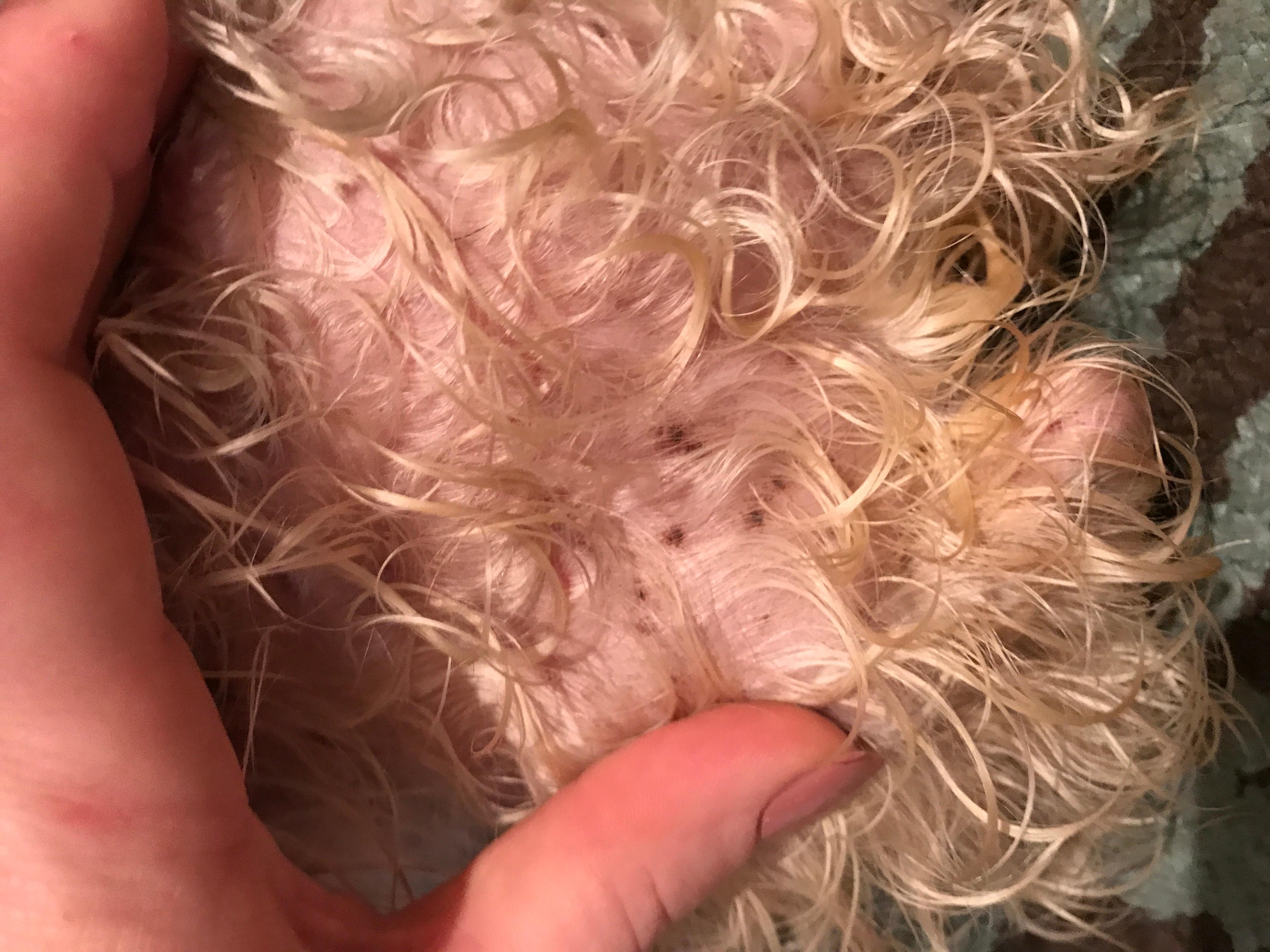
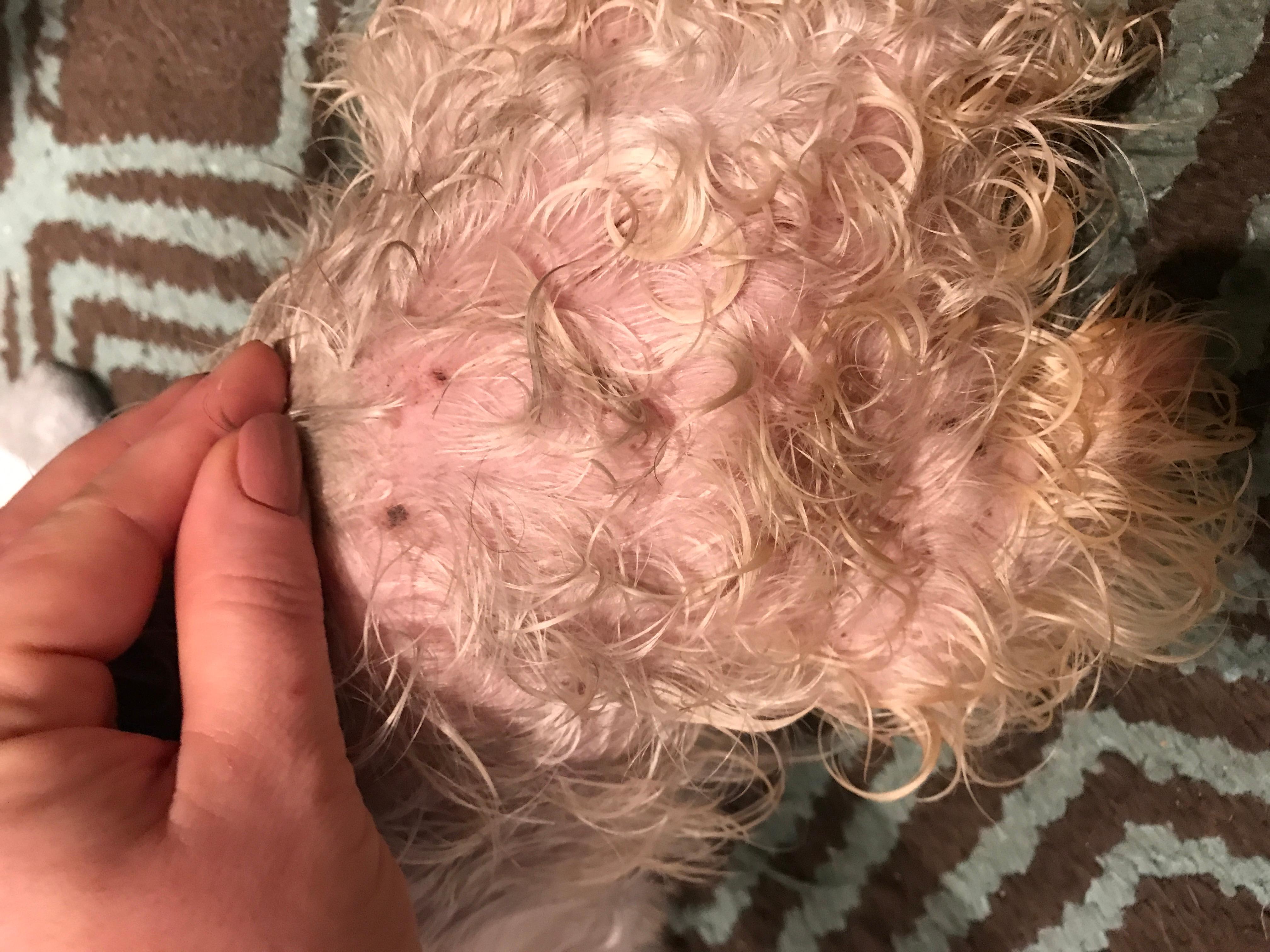
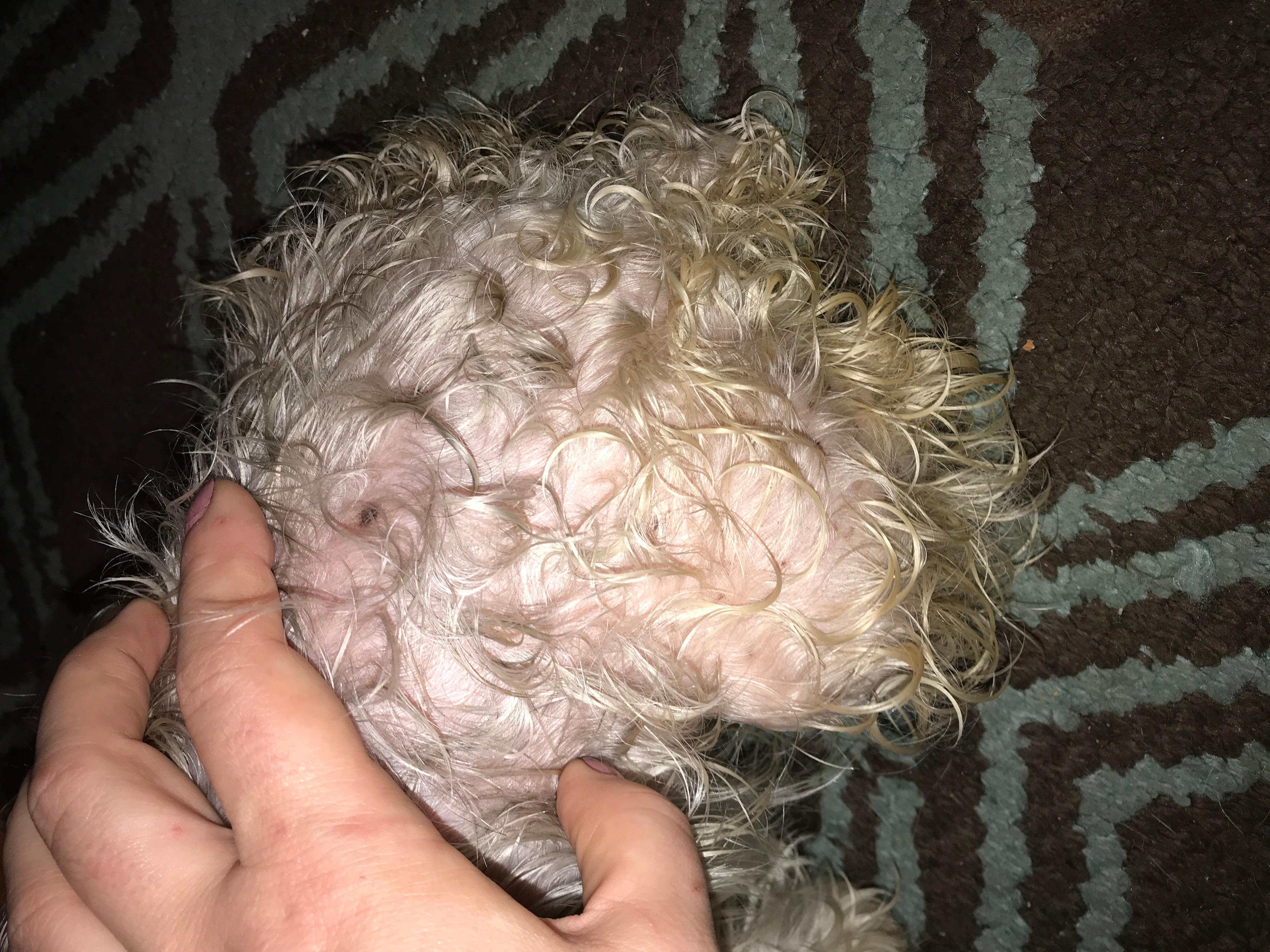
My yorkie has small brown spot all over her hind legs, tail and back. I don’t think it bothers her. I dont see her scratching it. I checked for fleas. Didn’t see anything. What do you think it might be?


4 Answers
Most Helpful Answer

Published on November 15th, 2017
This looks like simple hyperpigmentation but of course I cannot say for sure without an exam. I would watch it closely. If it is changing or bothering her I would have your vet look at it. If you are unsure, you could have your vet take a look at it just to ensure it is nothing to worry about. the darkening of the skin can be just normal age development or secondary to an old infection or inflammation. Keep a close eye on it! I hope this helps!

1Pet Parents found this answer helpful
Related Answers from Veterinarians
-
Published on May 28th, 2017
Black spots can be a normal pigmentary change in the skin if they are not raised/rough feeling and feel just the same as the rest of his skin. We can, however, see darkening of the skin with chronic skin inflammation (called post-inflammatory hyperpigmentation) or some skin tumors (such as melanomas) may be raised and dark in color. If you are unsure, the safest thing to do would be to have your vet take a look at the areas to confirm if they are of concern or not.
1Pet Parents found this answer helpful
-
Published on July 30th, 2017
Hello there! A black spot on the genitals can be any number of things. Color change in the skin of yorkies is common as they get older, so it may be as simple as that. If the skin is raised, bumpy, moist, has non-uniform edges, or has any sort of lesion in or on it, it should be looked at by a veterinarian. It could be a bacterial infection, a fungal infection, an insect bite, or a cancerous mass. At the vet's office, your yorkie will receive a full physical exam. The vet will look at the spot, and they may know what it is just by looking at it. If it isn't obvious by simply looking at it, they may take a small sample of skin from the surface of the lesion by scraping it, or a sample of cells from the skin using a needle (called a fine needle aspirate, or FNA). These cells will be examined under the microscope to look for bacteria, fungus, or abnormal cells. This will help the vet determine the proper course of treatment, which may include nothing at all (watch-and-wait), a topical ointment or cream, or surgical excision. While this is likely not an emergency, I highly recommend that you have a vet look at the lesion, especially if it seems to bother your dog, or if it is at all moist. Good luck, and I hope your yorkie gets well soon!
1Pet Parents found this answer helpful
-
Published on August 30th, 2017
Hi and thanks for using Petco Pet Education Center, formerly Petcoach! Dogs can develop areas of pigmentation almost anywhere on their bodies as they age. This can be completely normal. But sometimes pigmentation development can be due to areas of chronic skin irritation. This doesn't sound like it's the case so I would just assume it's some normal pigmentation developing as he gets a little older. Good luck
1Pet Parents found this answer helpful



I have a Yorkshire terrier that was born in October of 2014 he has black spots on his tummy and around his genital area

My 3 year old Yorkie has a black spot on her private need help

My dog is a 2 year old white breed yorkie and d trying to figuer out why he he have black spots comeing from his nect to his butt he a single coated dog so you can see his pink skin why is that

5 yr old yorkie 6 lbs with right rear leg issue. Historically shown patella issues when running, but has never whimpered or shown discomfort other than sometimes limping. Recently noticed a dark patch of hair on same leg at that "knee" location abou

Hello, my one year old Shih Tzu started to get dark brown patches on his stomach which has spread all over his body under his white fur over the last couple of months. It isn’t itchy apart from the last week where he has been occasionally biting at h

I'm taking her to her vet in town days information I think my coton de Tulare Maltese mix has skin pigmentation. she was mostly white when we got her. Her hair started showing black undercoat but then she got pots on her skin not consistent with t

What does it mean when my puppy has brown spots like this down her back?

My dog has developed these dark black spots suddenly.its on her whole body but more on this area.is this serious?

There's a dark spot on her right leg, but she doesn't seem to feel any pain when I put pressure on it. But I'm not sure what it is or how she could have gotten it.
My dog has brown to dark spots on his belly, what can it be?

Book an appointment with the pros – our expert vets are here to help.
