


What to do for my dog's severe hot spot he won't stop licking?
Updated On September 23rd, 2025
Pet's info: Dog | Blue Heeler | Male | neutered | 26 lbs
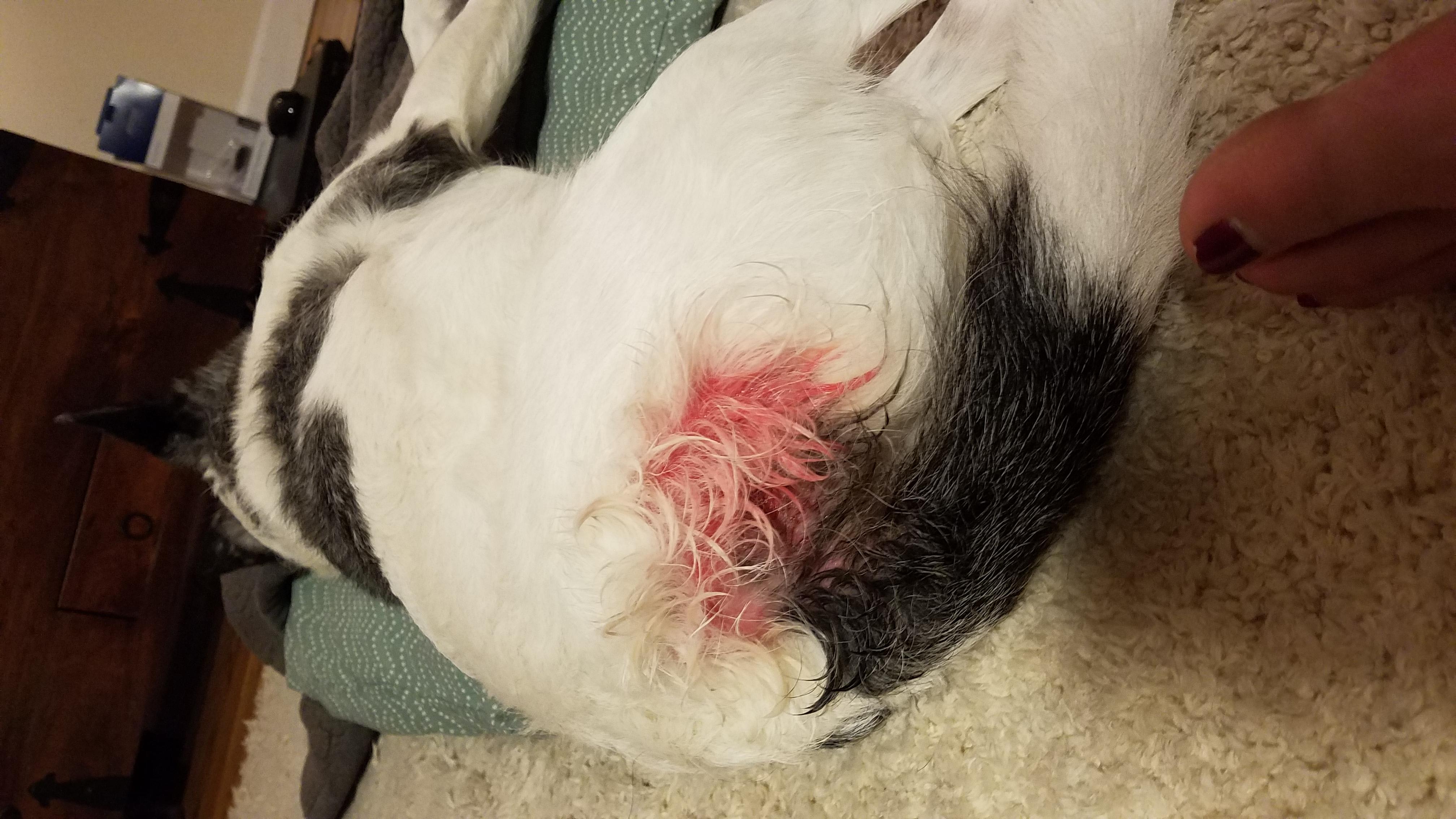
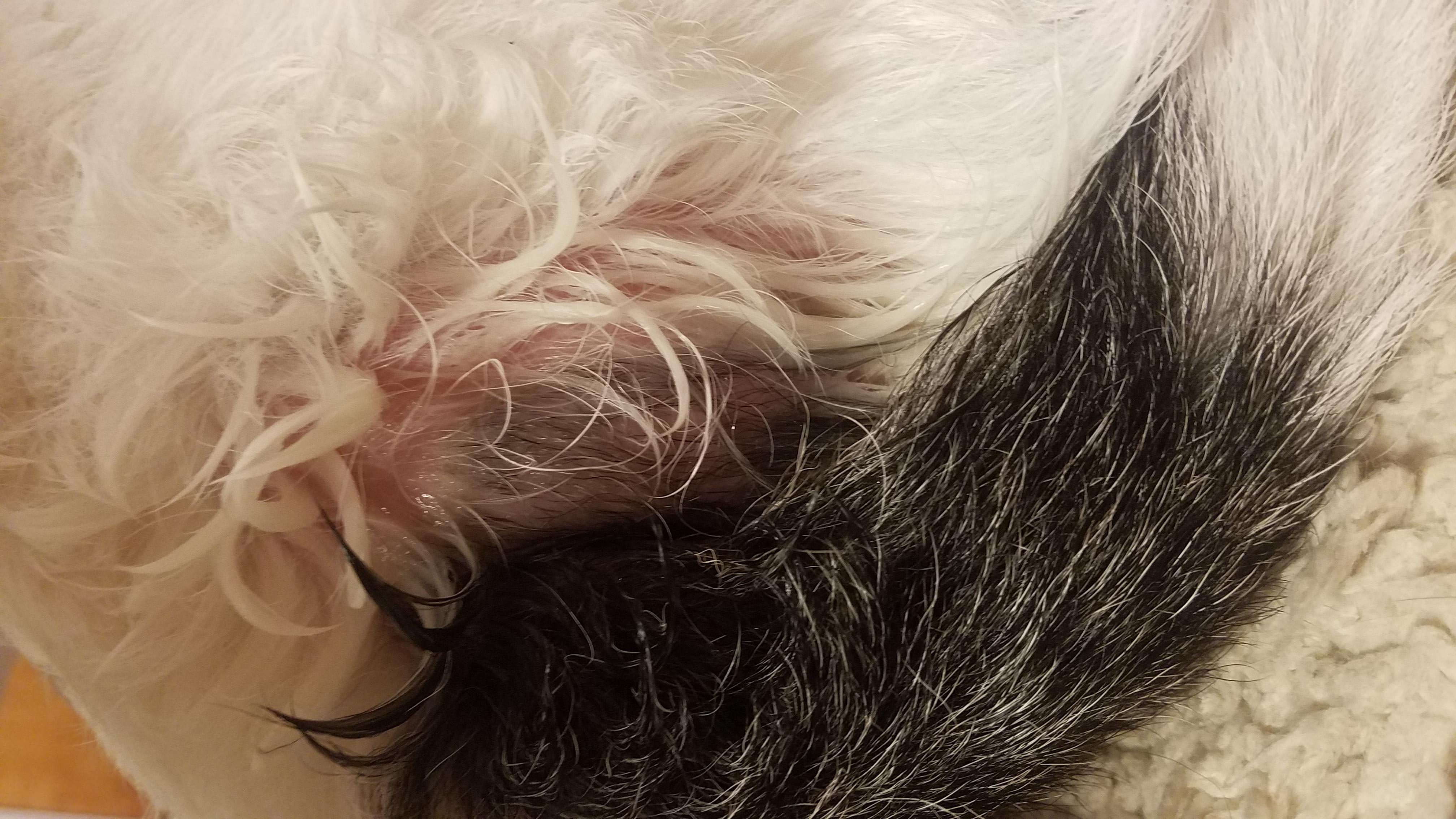
Dog has a hot spot near his rear that he won't stop licking. It seems to have gotten really bad.


5 Answers
Most Helpful Answer

Published on November 4th, 2017
The best thing to do for Elmer is to take him to your veterinarian. Here they can shave the hotspot and clean it up. Antibiotics are usually prescribed for a hotspot and sometimes a topical ointment or spray. Until you can bring Elmer to your veterinarian I do recommend an Elizabethan collar to prevent him from licking. Licking a hotspot will make it worse very quickly. I hope Elmer feels better soon and thank you for using Petco Pet Education Center, formerly Petcoach!

1Pet Parents found this answer helpful
Related Answers from Veterinarians
-
Published on
This is a severe infection and this looks very uncomfortable for your dog. You will need to take your dog to your vet so she can prescribe him some antibiotics to help clear this large area of infection. Your vet may also recommend some medication to help with the inflammation and itchiness as well. If left untreated, the infection will continue to spread. And the more your dog licks and chews at the area, the worse it will become. If you have a cone at home you should put it on him to help prevent any more itching/chewing. I hope this helps. Thanks for using Petco Pet Education Center, formerly Petcoach. Best of luck.
0Pet Parents found this answer helpful
-
Published on August 20th, 2017
Hello and welcome to Petco Pet Education Center, formerly Petcoach. Hot spots can be difficult to heal, and the most important part of healing them is to stop the dogs from chewing and making the hot spot worse. An E-Collar is the most important part of this. Also, shaving the fur to allow the area to dry out is important and cleaning this with an anti-bacterial soap twice a day helps, and importantly drying the area very well after cleaning it. Often-times oral antibiotics are needed for hot spots, and sometimes an anti-inflammatory is required to take away the itch/pain. Often going to a vet to get the right products, and to determine if oral antibiotics are needed can help things heal up much faster. Step 1 however is the E-collar. Best of luck with Suzie!
1Pet Parents found this answer helpful
-
Published on July 7th, 2018
Thanks for using Petco Pet Education Center, formerly Petcoach. This could be a “hot spot” caused by allergies, pain, a poke/bite, or other. They can erupt almost overnight due to licking and scratching. First, put an E-collar on Kleo. Then try a hot spot spray such as Rescue + Remedy Hot Spot Spray. Use as directed on the bottle. Both the cone and the spray can be found at PetCo. If no improvement in 3 days, or if worsening at any time, it’s time to see the vet. Best of luck to you and Kleo!
1Pet Parents found this answer helpful
-
Published on June 5th, 2018
Hi, thanks for using Petco Pet Education Center, formerly Petcoach! Poor Dany! We will need to know the medication you started 4 days ago as combining medication's can cause reactions. I treat hot spots in the hospital by shaving the fur around the area so it can dry out better. I send the animal home with an E-collar to prevent licking and scratching, a course of steroids or apoquel, oral antibiotics and a topical spray. This usually clears the hot spot up in 3-5 days. Feel free to repost with the medication or contact your Vet to see what can be given with that medication. Good luck!
1Pet Parents found this answer helpful


My dog as a flea allergy and I have treated her and her skin cleared up lovely. She no longer has fleas but now has hot spots that she constantly licks. I am using a antibacterial powder that seems to be working but what else can I do?

Does my dog need to be seen? This is a spot he keeps biting and licking. If no vet what can I put on him to help? It looks infected.

What should I do about this spot on her side? She’s been licking and it’s gotten bigger.
I gave peapumpkin her prednisone for her hot spot but sheds still chewing and biting . Can she take a 10 mg hydroxizine tablet that is hers on top of that to stop it ? They have the steroid and antibiotics this last time she had pneumonia again loud

My dog has a itch hot spot he’s been scratching for 2 days now that’s raw and open. Not too much bleeding but I don’t know what to do to get him to stop. The vet gave him amoxicillin but how do I get him to stop itching it in the mean time? Should I
My dog a really bad hot spot on his back. He won't leave it alone. I've been using the sentry hot spot skin remedy for dogs but it's no longer helping. I'm not sure what else to do.
My dog has a spot she keeps scratching and licking. What should I put on her sore?
How to treat a hot spot at home
So thunder is shedding really bad right now, I don’t think that’s uncommon right now so I’m not worried about that but I am worried about him biting the same spot over and over, it’s red and it looks like he may have broken some skin. It’s been going
my Dog has a hot spot on her tail and she keeps making it bleed I've washed it with the special soap and put polysporin on it and warped it up but after all that work she pulls it right off and I've done this at least a dozen times how can I apply so
Book an appointment with the pros – our expert vets are here to help.
