


My budgie ate dust and has grey cheeks. Is she going to get sick?
Updated On September 23rd, 2025
Pet's info: Bird | Unknown - Bird | Female | spayed | 8 months and 21 days old | 1.10231 lbs
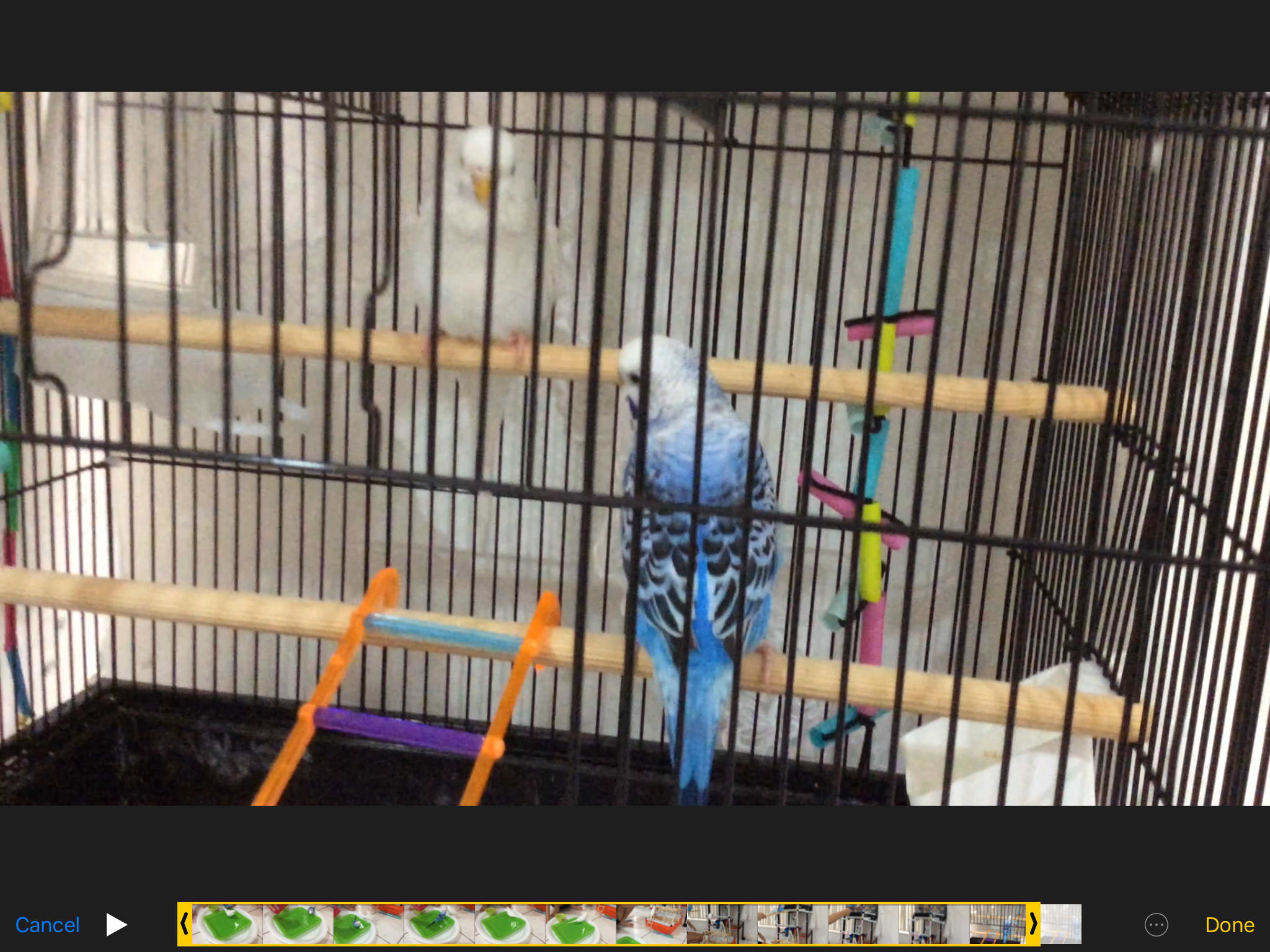
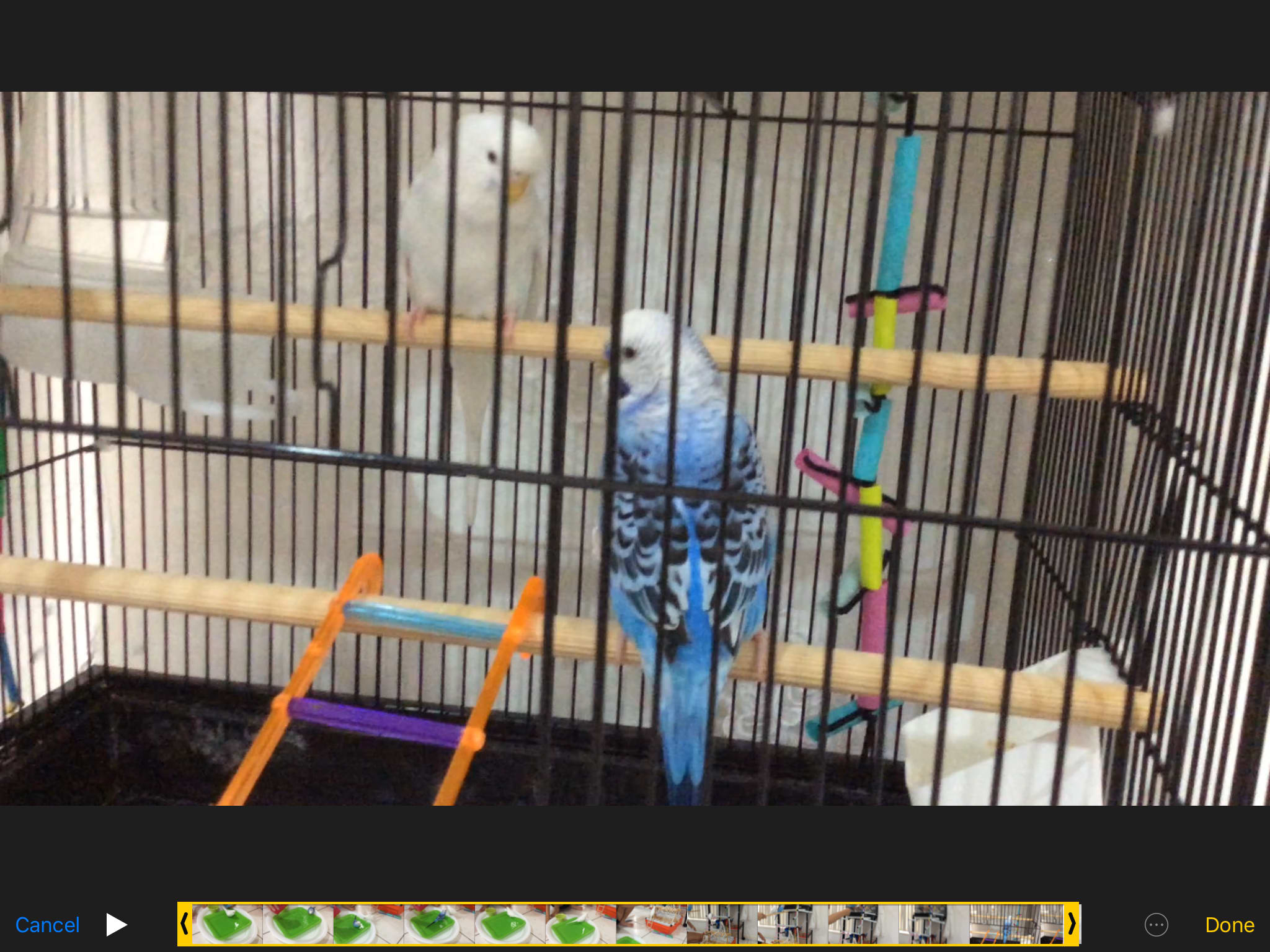
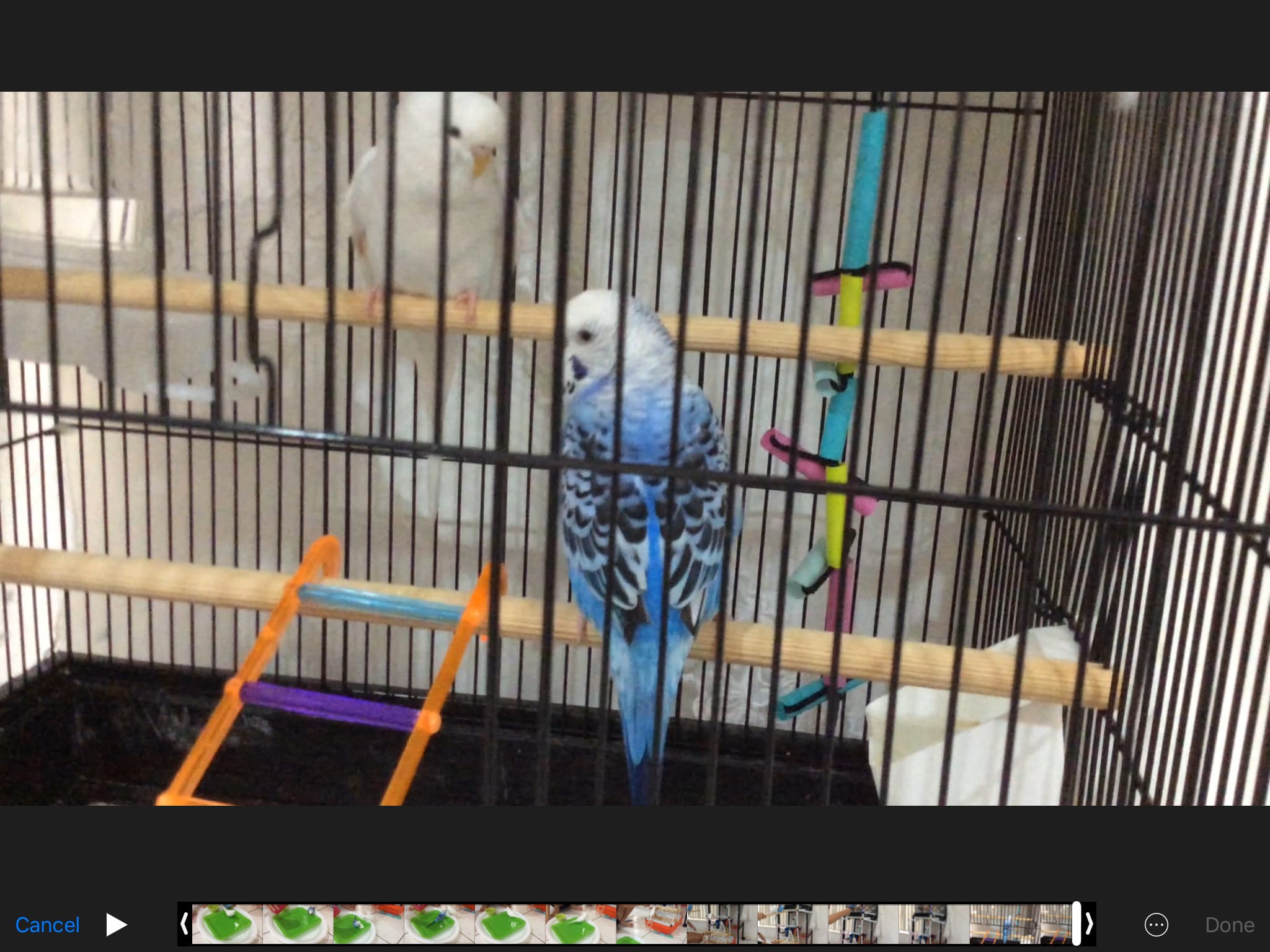
I let my budgies go around the room and when I came back from school, because she’s an albino and has white feathers, She had grey on her cheeks. I decided to give her a bath in order to wash it off but she didn’t feel like a bath. I went to the window sill and noticed some bird droppings and so they probably ate or did something With the dust . Is she going to get sick or die? :( I’m so scared because my other budgie died and I think my sisters bird showed my bird as my sisters bird did it to


2 Answers
Most Helpful Answer
Published on October 29th, 2017
It is always best to monitor your birds when they are out of the cage and to not leave them unattended in a room or other area where they may become injured or get into something. If you suspect your budgie has eaten something harmful, or has injured itself while outside of the cage, it is best to seek veterinary care ASAP, especially if they are showing any signs of illness such as listless behavior, refusal to eat or drink, vomiting or loose droppings, etc.

1Pet Parents found this answer helpful
Related Answers from Veterinarians
-
Published on March 5th, 2019
Getting puffed up and being less active than usual sounds like your budgie is unwell and should be seen by your vet as soon as possible. Birds are very good at hiding symptoms of illness as a natural defense against predators. Your vet will do an exam, possibly bloodwork and based on these results, will have a better idea what is going on with your budgie and how best to treat his condition.
1Pet Parents found this answer helpful


My budgie is perching on the same low perch, keeps sneezing, breaths out of her beak and wont eat her food. Is there anything i can do other than take her to the vet?
My budgie is sitting on the floor of her cage not eating or drinking. Her pop is like black oil.
Hi! I always catch my budgie Rafa eating their own feces and I am worried about his health. They have their calcium blocks and they eat it... I don't know what's his problem. Help me please! Thank :)
Had got budgie around 2 months back. She recovered from scaly feet, lice from visit to general vet. Have moved to new city 5 days back & have put her with my older budgie. Shes now started eating vegetables (spinach, sprouts, cilantro) since the move
Why is my budgie's poo gray?
My budgie who i got around two weeks ago is acting a bit weird. She's all fluffed up, all the time and shes eating a LOT. Up until now, she ate a moderate amount but now, she keeps going back to the food dish with only like two minute intervals betwe
Hi there! My budgie, Pluto, was flying around the house a few hours ago, and I just noticed the fabric on a photo frame has been chewed on. I'm certain it was Pluto, since he loves to chew on things. However, he is not displaying any bad symptoms. Wh
My pet Budgerigar has poop stuck on her bottom and her bottom is squeaking ?
Is my budgie sick? There have been times in the past when I've seen Pako vomiting, but it usually cleared up very quickly. I think that this time is different because he's been vomiting for 4 days. In addition to that, he has been puffed up, sitting
My budgie won’t come out of his cage, and won’t go on fingers or stick. He is chirping, and flying but not flying much....he also has had green poop for two days. He was fine yesterday. Is this normal?
Book an appointment with the pros – our expert vets are here to help.
