


Why are my goldfish's fins turning black and how can I help them?
Updated On September 23rd, 2025
Pet's info: Fish | Unknown - Fish
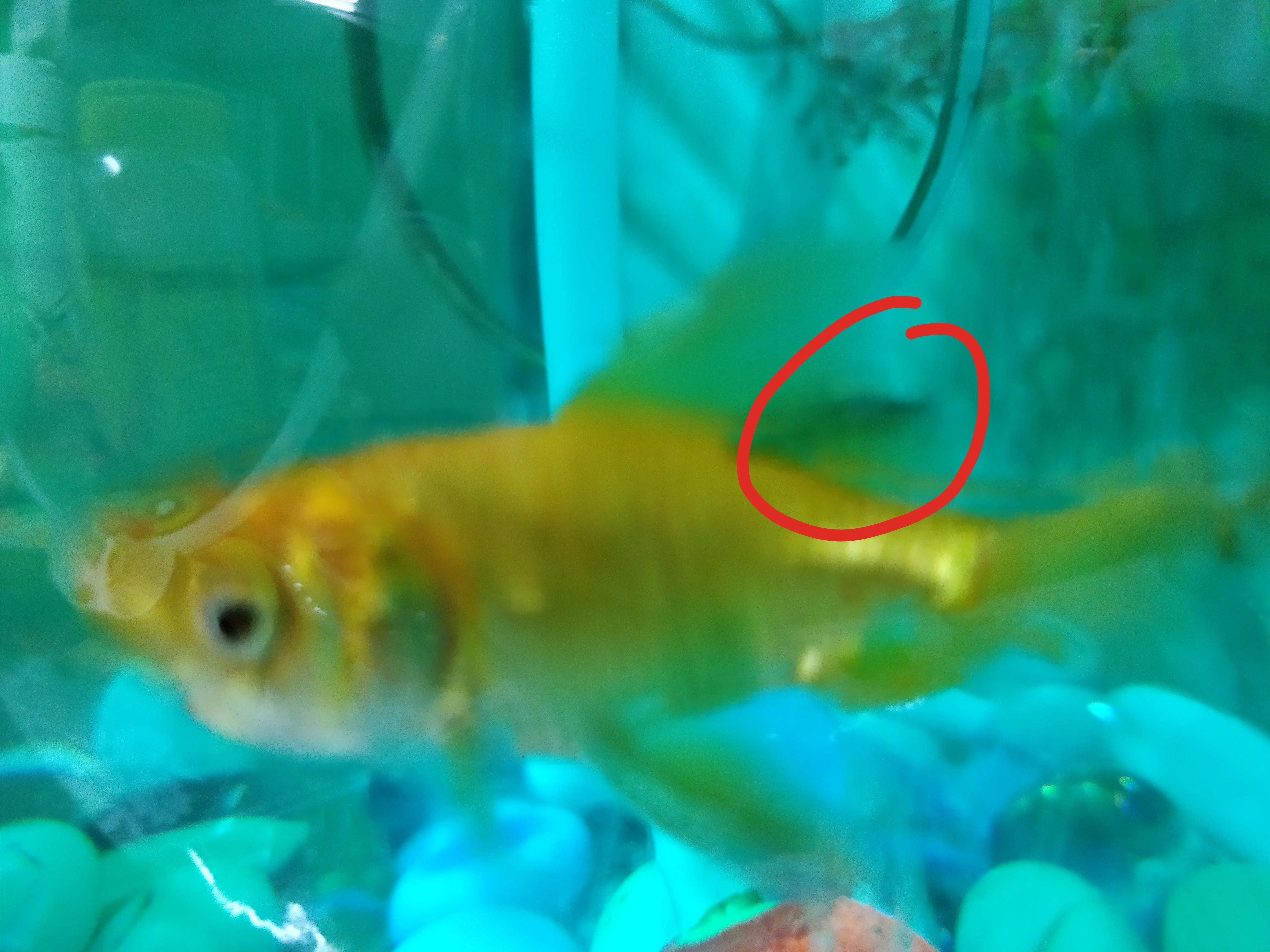
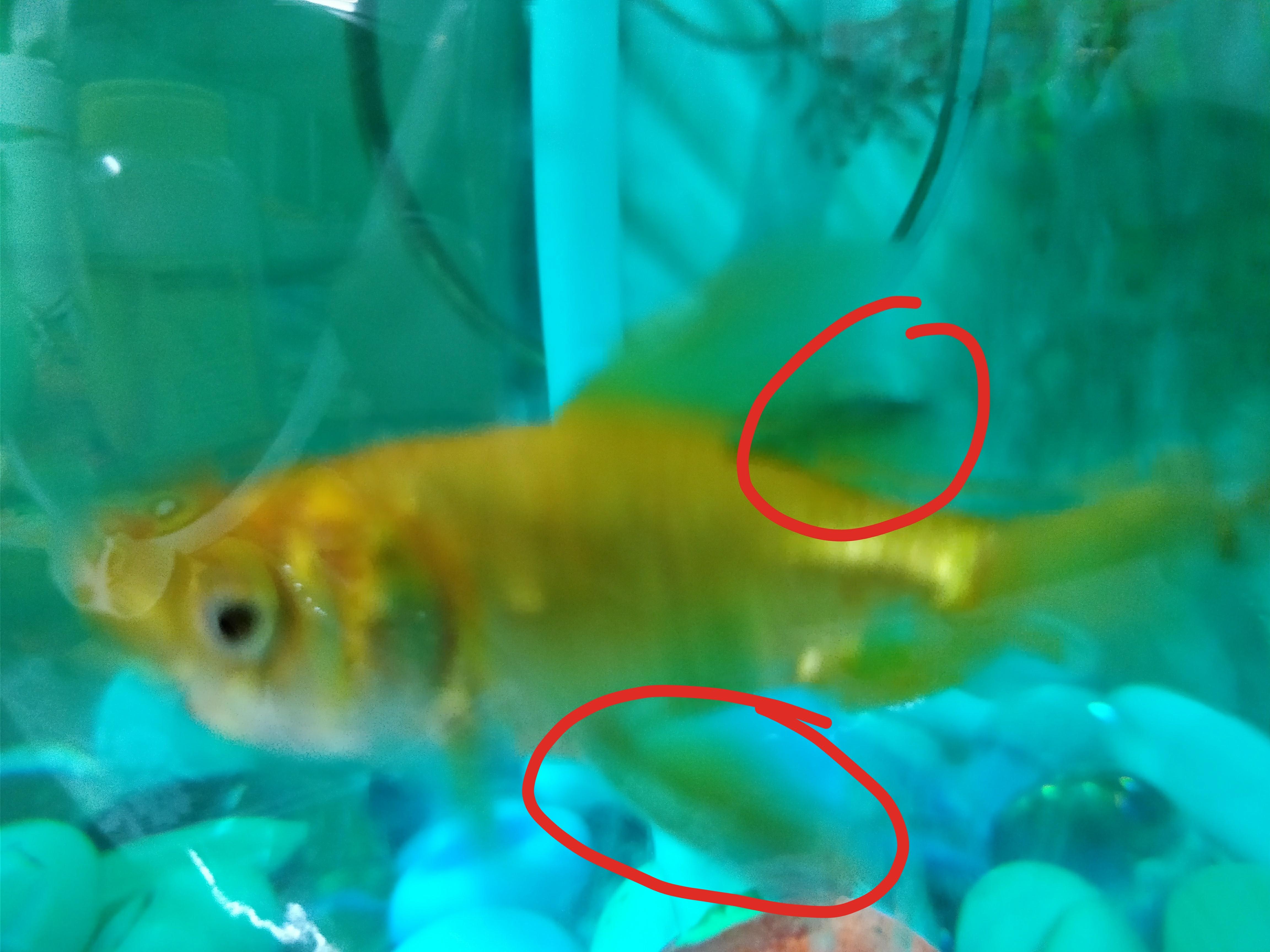
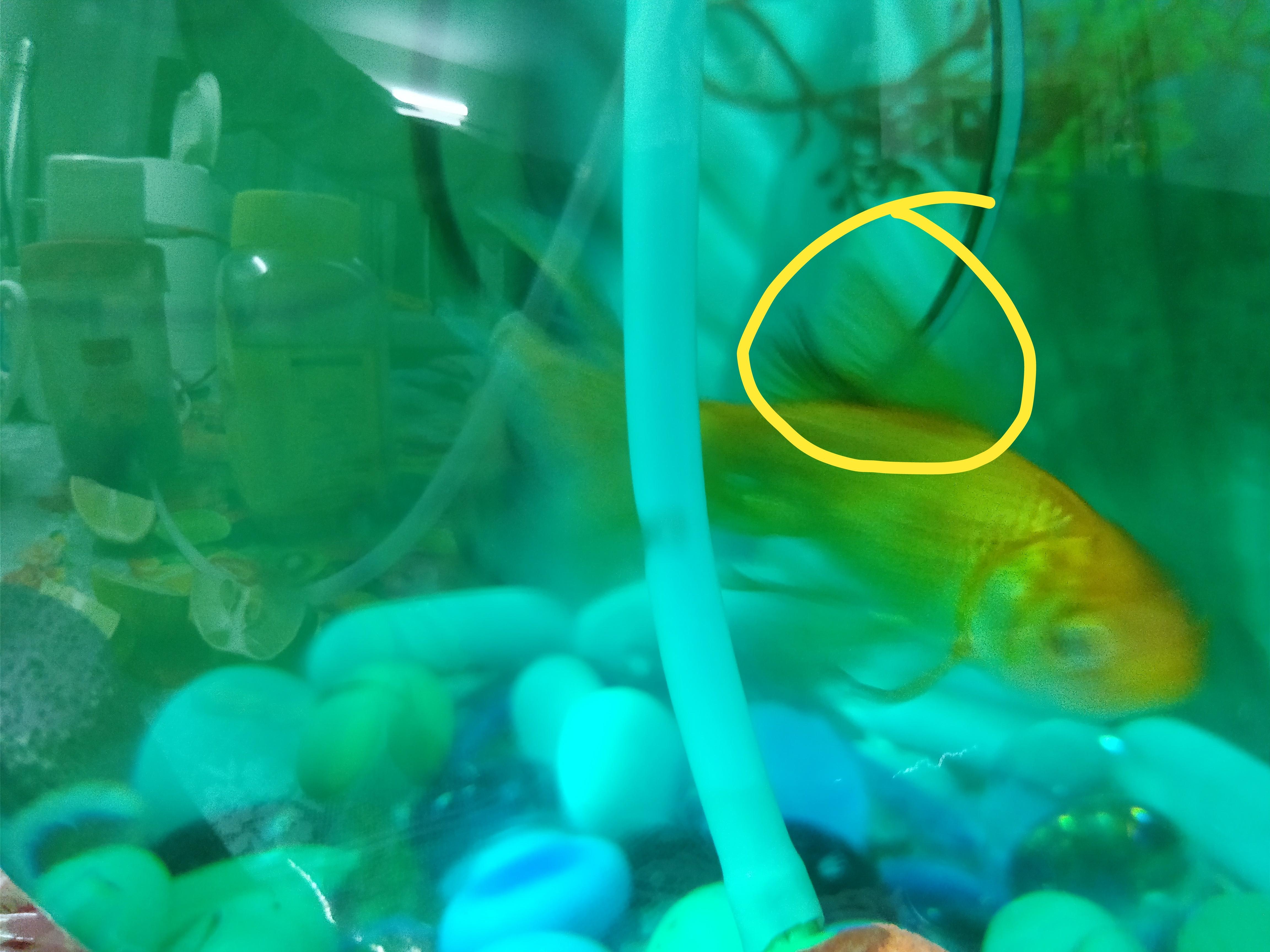
My goldfish's fins are turning black. I changed the whole water 2 days back. I put medicine after every water change. Still it's increasing. What should I do? And how often should I change the water and amount of water I should change? Can we substitute aquarium salt with any other things.


4 Answers
Most Helpful Answer

Published on October 19th, 2017
Elevated ammonia levels can result in "burns" which may turn fins and scales black. Use a home test kit or submit a water sample for testing. Most pet or fish stores will do this for free or for a nominal fee. If ammonia levels are elevated, daily partial water changes, using aged or conditioned water, can decrease ammonia to safe levels (0.25 ppm or less). StressCoat or plain aquarium salt (NOT table salt) can aid in healing. Dissolve 1 teaspoon of salt per gallon of water into a cup of tank water and gently pour it into the tank. Confirm adequate filtration. The filter should be rated for at least twice the volume of the tank. You can change 20-30% of the tank water every couple of weeks. Use only aged or conditioned water that is temperature matched to prevent stress or shock.

12Pet Parents found this answer helpful
Related Answers from Veterinarians
-
Published on November 1st, 2018
By your description, it could be fin rot and a bacterial infection. Clean water is key in treating any infection. Check water chemistry using a home test kit or by submitting a water sample for testing. Aim for 0 ppm ammonia and nitrites with a 40ppm or less nitrate level. Perform partial water changes to stabilize chemistry and maintain water quality. Use only aged or conditioned water that is temperature matched to prevent stress or shock. A bit of aquarium salt (NOT table or Epsom salt) can be used as a general tonic to reduce stress, treat minor infection and aid in any recovery. Dissolve 1 teaspoon of salt per gallon of water in a cup of tank water and gently pour it into the tank. Treat for 10-14 days then reassess fin condition. More water changes can be done afterwards to reduce salinity.
5Pet Parents found this answer helpful
-
Published on February 27th, 2018
Check the water chemistry first. Elevated ammonia levels may result in a cloudiness to the eye(s). Use a master test kit (liquid, not strips) at home or submit a water sample for testing. Most pet stores will do this for free or for a small fee. Perform partial water changes daily, in indicated, to stabilize chemistry and maintain water quality. Use only aged/conditioned water that is temperature matched to prevent stress or shock. If chemistry is fine, it could be bacterial infection. A broad spectrum antibiotic, such as kanamycin, can be used for treatment. Look in the local pet store or Petco for "KanaPlex". It should be in the aquarium section. Follow label directions carefully and remove the carbon filter insert during treatment. Plain aquarium salt (NOT table or Epsom salt) can be used as a general tonic to reduce stress, improve gill function, treat minor infection and aid in recovery. Dissolve 1 teaspoon of salt per gallon of water in a cup of tank water and gently pour it into the tank. Treat for 10-14 days then reassess the condition. When performing partial water changes, treat only the amount of water being replaced, not the entire tank volume. Confirm the tank is large enough to support two goldfish. Ideally, you need about 20-30 gallons for the first fish and 10 additional gallons for each extra fish. Goldfish produce a larger than normal bio-load (wastes) that can quickly overwhelm a tank/filter. The filter should be rated for at least twice the volume of the tank.
1Pet Parents found this answer helpful
-
Published on October 20th, 2018
That could be due to an old injury which is now resolving or possibly an initial fin rot disease. It is very important to monitor the development of this black spot and if getting bigger I would recommend a quite radical but logic approach. Begin by submitting a water sample for quality testing. Most pet stores will do this for free or a nominal fee. Clinical examination should always include a water quality check, even if you have done so already. Water testing should be performed with a quality test kit, measuring NH4, NO2 and NO3. High ammonia levels, PH imbalances may be responsible for these signs. Oxygen concentration and quality of the filters should be determined as well. If water quality is good and there are no major imbalances, your fish should get examined to look for any sign of bacterial/fungal infection and eventually water should be treated. Regarding the food, the requirements are very different as bettas are insectivores and goldfishes are mainly herbivores. Food for bettas are richer in proteins and should ideally not be used for goldfish but the other way round would be even worse, so between the two I would recommend betta's food. Hope this answer was helpful, but please do not hesitate to contact us again on the forum or by requesting a consultation if you have any more questions or to discuss it any further.
1Pet Parents found this answer helpful


My goldfish has brown spots and it's getting worse. What to do?

My fish is turning black and discoloring. Is it sick or stressed?
My goldfish is sick: red fins, crooked tail. What should I do?
My whiskered fish is turning black. Is it a gourami or ammonia?
Why are my goldfish sick with fin rot and not improving after water changes?
How to save my sick freshwater fish after an ammonia spike?
Why is my fish resting at the bottom and can't open its mouth?
Why does my molly fish have black spots? Is it sick or water issues?
My Discus fish has fin rot and black spots. How do I treat it?
My platy and guppy fins are clear and losing color. What's wrong?

Book an appointment with the pros – our expert vets are here to help.
