


My cat has scabs after fleas. How to heal skin and provide relief?
Updated On September 23rd, 2025
Pet's info: Cat | Domestic Shorthair | Male | neutered | 5 years and 10 months old | 12 lbs
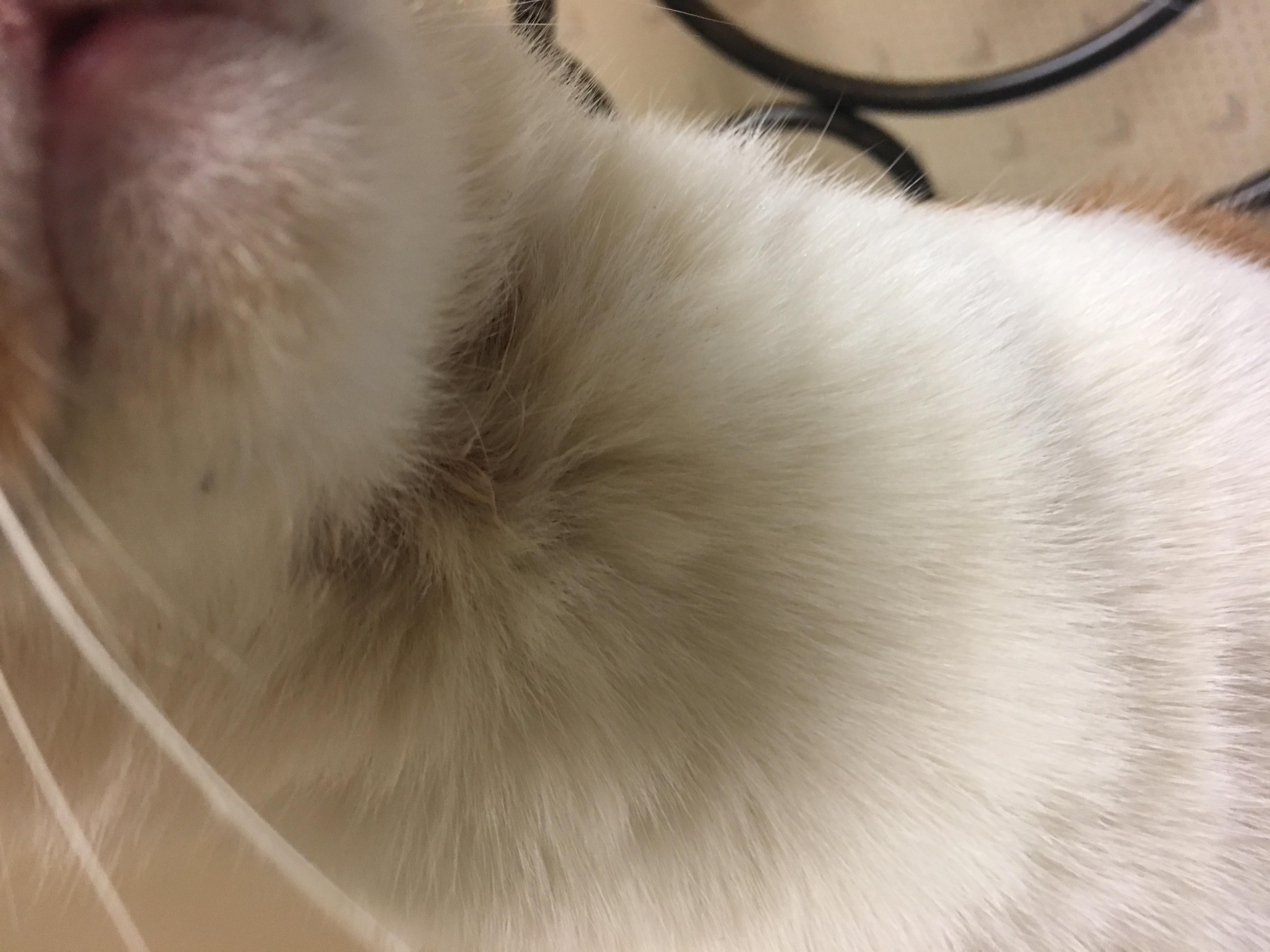
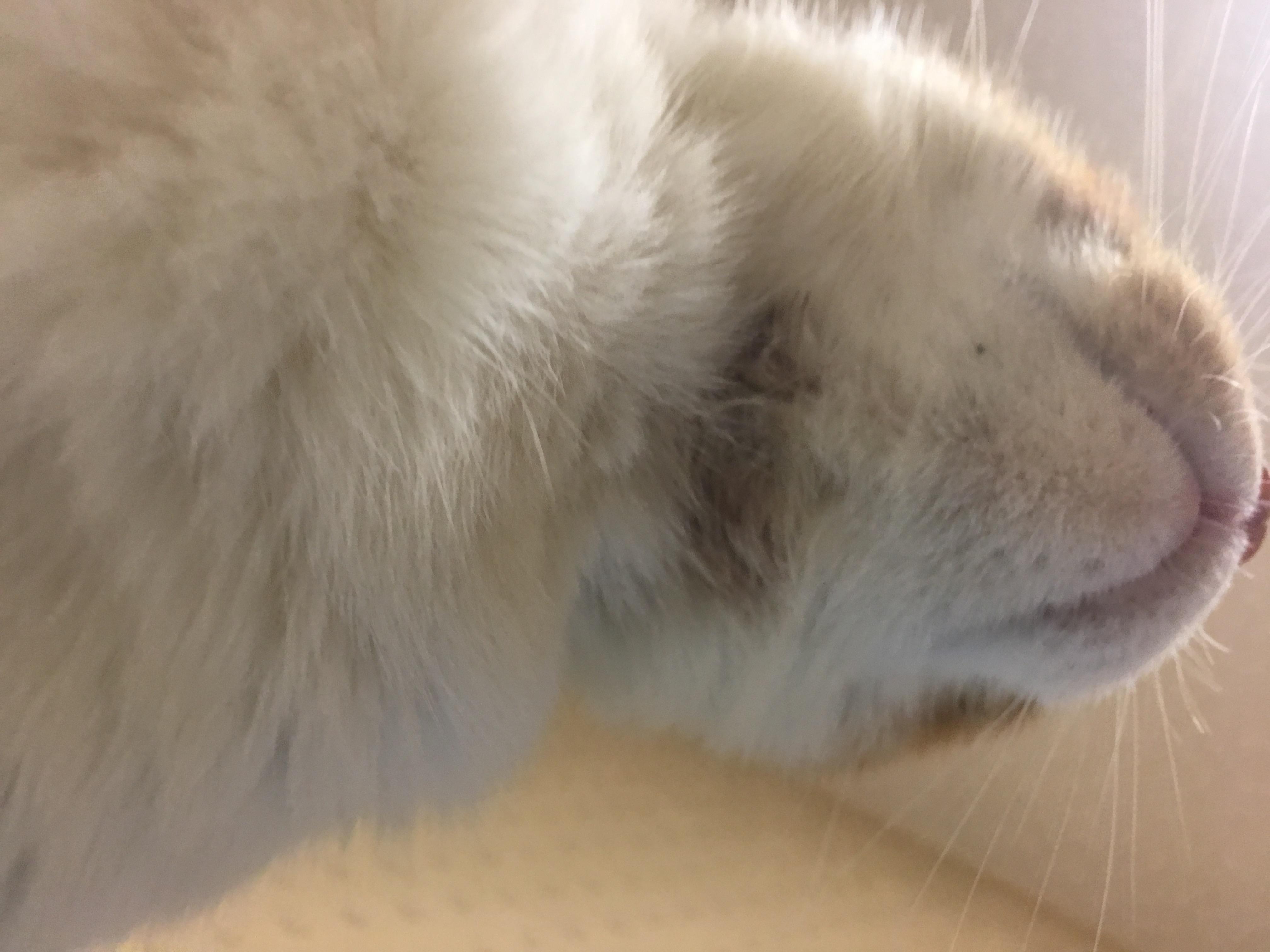
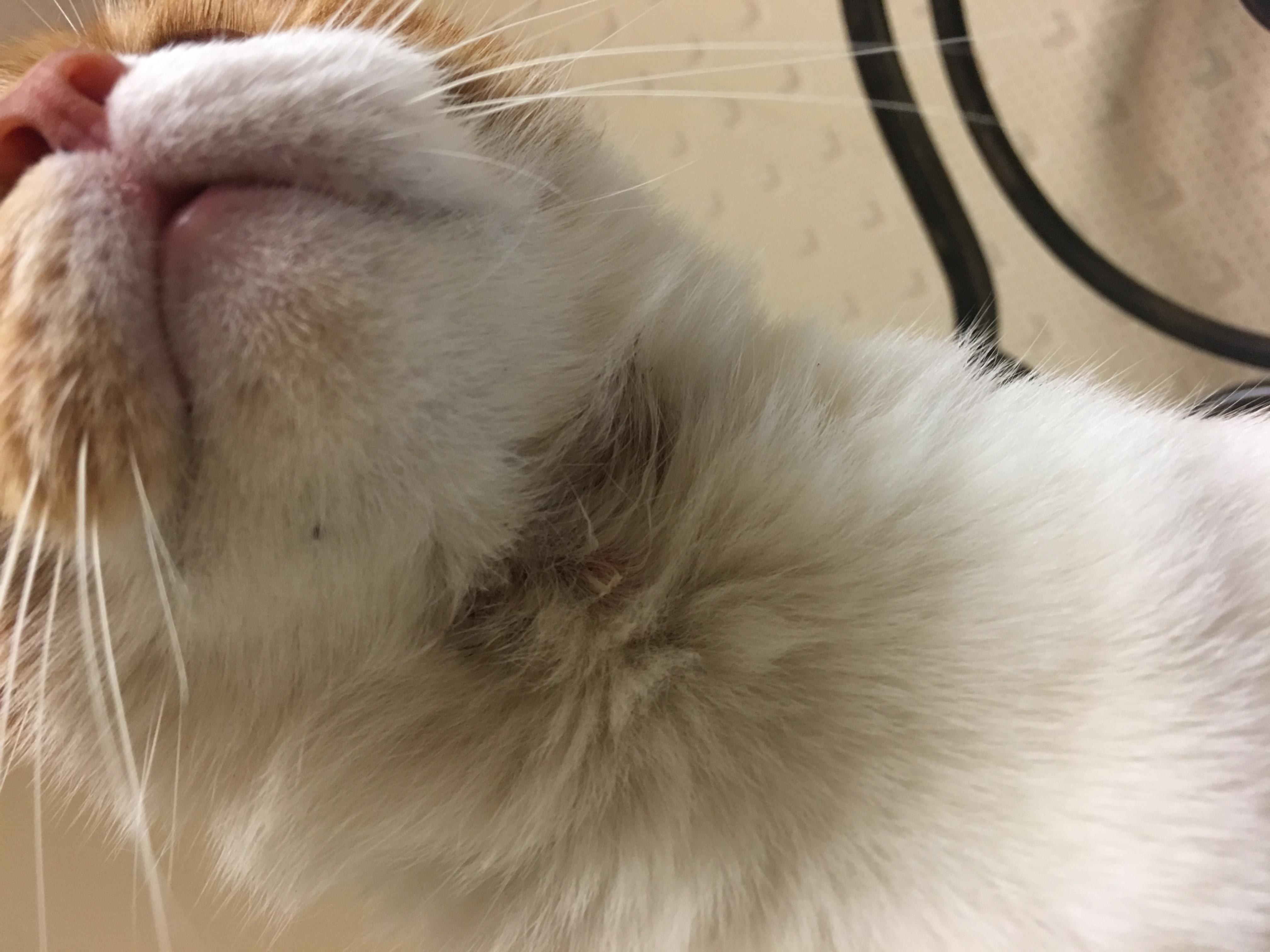
A newly adopted kitten has given my older cats fleas. We have almost fully controlled the problem now, with the occasional flea but my older cat is a bit worse for wear with thick scabs on his neck and head from scratching. He seems to be on the mend but I worry. How long does the healing process take? What else can I do to give him relief? So far we have used Dawn baths, Frontline, coconut oil for his skin, flea combing, cetirizine, nutrivet products, etc. Are there other products? Thank you!


1 Answer
Most Helpful Answer
Published on October 16th, 2017
Fleas and allergies to fleas can set-up an environment for infection. It's possible that this is complicating the recovery process. The skin will often start to heal once the fleas are gone, but it's worth treating for infection by giving a bath with a medicated cat shampoo (can get this at the pet store). I recommend discontinuing the use of the other products (except the flea control) for now, because overuse and misuse of certain products can actually delay healing or make the problem worse. For instance, I worry about the use of the coconut oil, because fungal and bacterial infections will thrive in the coconut oil. It's best to just give a bath with the medicated shampoo once every 2-3 days, until the skin starts to look normal. It's expected that it will take a month or more until the cats start to look normal again, so stick with it and they should get through this fine. Treating for fleas is not just restricted to the host, because fleas can reproduce and nest in the environment and continually cause an issue. Below is a link to a short article that explains treating the cats and environment for fleas: https://www.petcoach.co/article/5-tips-to-get-rid-of-fleas/ If the skin problems are not getting better, or are getting worse in the next two weeks, then it's best to have your cats evaluated by a vet, because they may need additional treatment. I hope that helps and the kitties get better soon.

1Pet Parents found this answer helpful
My cat had a bout with fleas which are now gone but how do I get him from constantly licking at the sores left behind from the scratching so they can heal and his fur grow back?
My orphan kittens develop skin problem. Their hair fall off showing bare, wrinkle, very rough skin, especially on the head, ears and neck area. They also itch all the time and now start to have bloody skin because of scratching too much. What should
3 weeks ago noticed small scabs on my cat. Figured my dog was being too aggressive when they played so stoped letting god play rough. Thought all was fine except a week ago noticed it was a tad bigger also noticed fleas so treated her and my dog wi

I have two dogs that go outside. They are treated by a vet and have no fleas. My 2 cats already had fleas, which I have treated for many months with Advantage II. Did not help cats. One of my cats has flaking skin and sores and the other is not as ba

My cat has these scabs and bumbs all over her and is licking/scratching her hair off. she had fleas and I have been using frontline for about 6 months now and they are almost all gone. Is there any kind of ointment or medication, or anything that I c
My cat has fleas very badly. His skin gets so irritated that he scratches himself extremely hard to the point where he is developing large scabs all over his neck, face, and bottom. I have given him baths, I give him flea medication. I spray my furni
My cat seems to be having some skin irritation resulting in: scabs, excessive licking, and hair loss. Is there anything I can do to relive itchiness or possible symptoms while awaiting vet appointment?

I met again with my vet and he said that my cat has flea bite hypersensitivity which caused her to scratching and the appearance of scabs on her skin. What is the best flea treatment can I do for her and what ingredients in food should I look for to

My dog has bad fleas I’ve tryed tablets shampoo a very rid skin loosing hair what can I do
My cat has these oval shaped scabs along her back. I had a flea problem a few months ago which has been treated and I’ve switched her food to a limited ingredient diet (rabbit and peas) and I’ve noticed an improvement since then in how shiny her coat
Book an appointment with the pros – our expert vets are here to help.
