


My cat has Giardia, diarrhea, and isn't improving on meds. What now?
Updated On September 23rd, 2025
Pet's info: Cat | Persian | Male | unneutered | 4 lbs
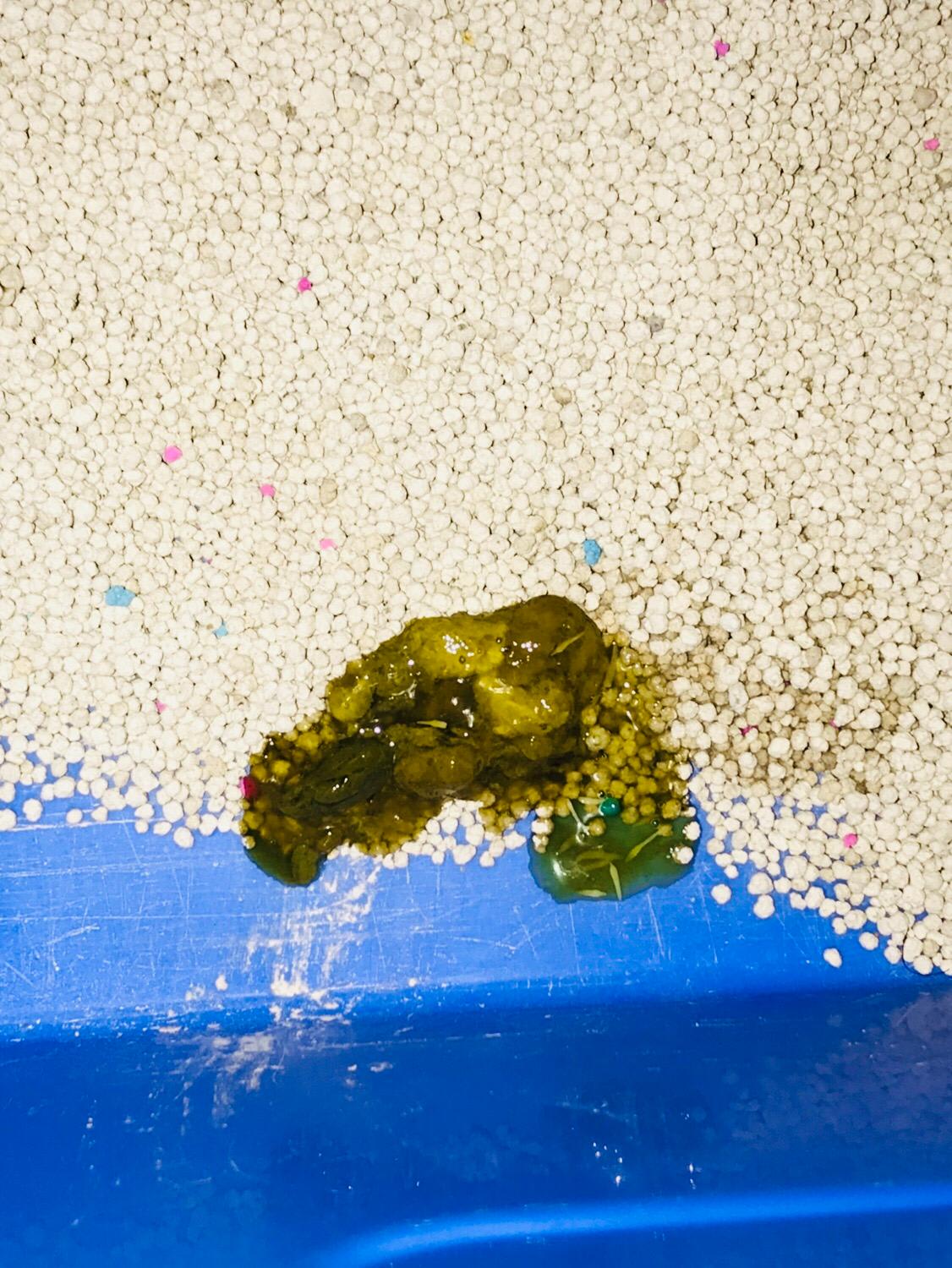
my cat is having giardiasis.recently he was having diarrhoea with greenish color stool n mucous also present.he had loss of appetite.i took him to a vet they diagnosed him with giardia.he only gave medicine metronidazole 200mg orally in every 12hrs for 7days.its been 4 days under the treatment but i see no improvement.what sould i do now? P.S. i have attached the picture of stool


4 Answers
Most Helpful Answer

Published on October 13th, 2017
Hi from Bangladesh! Don't worry, it may take a few more days to see improvement. You may also try a bland diet of boiled chicken, rice, and plain canned pumpkin (not the pie filling) to help firm up the stool. Using a probiotic for cats and dogs can help as well. Hope this helps!!

2Pet Parents found this answer helpful
Related Answers from Veterinarians
-
Published on February 26th, 2015
Withhold food and water for 12-24 hours. Resume feeding a bland diet (1/3 plain boiled boneless chicken and 2/3 plain white rice). Feed in small, frequent amounts waiting at least one hour between feedings. Continue feeding until the stool is normal. Transition slowly to the regular diet. If diarrhea doesn't stop, see your veterinarian. Consider a food trial to rule out food allergies as well as testing for malabsorption issues. Texas A&M has a GI Lab that can rule out these specific disorders. Submit a stool sample to rule out other intestinal parasites.
10Pet Parents found this answer helpful
-
Published on December 21st, 2018
Yes you can give her a bath without any problem. Regarding Giardia usually the treatment lasts for 5 days (even though it would depend on the treatment itself). Considering that the signs are resolving and she is still eating, I would recommend to start feeding with a bland diet based on boiled chicken and rice in small portion every 6 hours for the following 48hours. Then gradually reintroduce the normal diet over 5 days. I would definitively recommend a veterinary check up if the signs persist or you notice vomiting, lethargy or complete inappetence. Hope this answer was helpful, but please do not hesitate to contact us again on the forum or by requesting a consultation if you have any more questions or to discuss it any further. Please find the time to give us a feedback about the consultation as that will be used to improve our service.
1Pet Parents found this answer helpful
-
Published on March 23rd, 2018
Good Afternoon...thank you for contacting Petco Pet Education Center, formerly Petcoach. There can be many reasons puppies can experience diarrhea parasites and dietary upset are certainly two of them! Fecal exams can be false negative on occasion - there can be multiple reasons for this. I would recommend rechecking a fresh (preferably clinically loose sample) again with your veterinarian just to be sure. Sometimes Giardia can be hard to diagnose, and the dewormer you are using (Pyrantel) is a good one, but does not get either giardia or coccidia. If the loose stool persists or progresses for more than 24 hours, you may want to bring the little one in for an exam and possibly some prescription medications. Vaccinations are very important - I would not skip that, and I would hope the diarrhea should be well cleared by then. Maybe remove the mild from the diet as well. I hope this helps, good luck!
1Pet Parents found this answer helpful



My kitten has been having diarrhea for a few weeks now She's been dewormed so I thought it may have been the food we've given her so we changed to Taste of the Wild Rocky Mountain Feline Formula but she's still having diarrhea So I took her to the ve
My 7 month old cat did a round of giardia treatment a week ago, but he is still having diarrhea. What do I do?
Hello! I have a kitten that is about 15 weeks old and has had diarrhea since the day I've taken her home. I work as a receptionist at a vet so I have taken her in to our clinic before and I have had her fecal tested for intestinal parasites and she t

My cats been having diarrhea for a week and a half, he’s still drinking and eating but his poop has a strange smell similar to plastic I’d say and it’s very watery and has trouble making it to the bathroom, do you have any advice? I’ve already seen a

My cats have had diarrhea for quite a while. I took them to the vet and for medicine for them. It's not helping. They both have it. I've tried feeding them less, changing their food, and nothing's working. I can't afford to take them again

Mia has had a pasty, chalk colored diahrrea for a few days now. It's streaked with green mucous and flecked with blood. I took a stool sample to the vet and it came up clean, save for some bacteria Her vet put her on Metronidazole ans told me to gi
Yesterday he was prescribed Metronidazole Suspension for diarrhea that has been getting worse off and on over the last few weeks. He also takes Metoclopramide to prevent vomiting on a regular basis. Since starting the Metronidazole yesterday the diar
My cat is suffering from diahrea for more than 2 weeks Nd i have provided him probiotics which was recommended by vet

Hi!My cat has had diarrhea for 4 days now.We took him to the vet and they ran some tests, they figured the food he was eating was responsible.The vet ordered 3 meds:kaolinpectin, cimetidine, and metronidazole.He's been taking them for two days but hi
Sir, My cat is suffering with amoebeasis and light loose motions.Could u please look in to the problem and could you please tell what is the home remedy that can be given to my cat for reducing motions or could you suggest a medicine or antibi

Book an appointment with the pros – our expert vets are here to help.
