


How do I hand tame my new adult cockatiels that are afraid of hands?
Updated On September 23rd, 2025
Pet's info: Bird | Unknown - Bird | Female
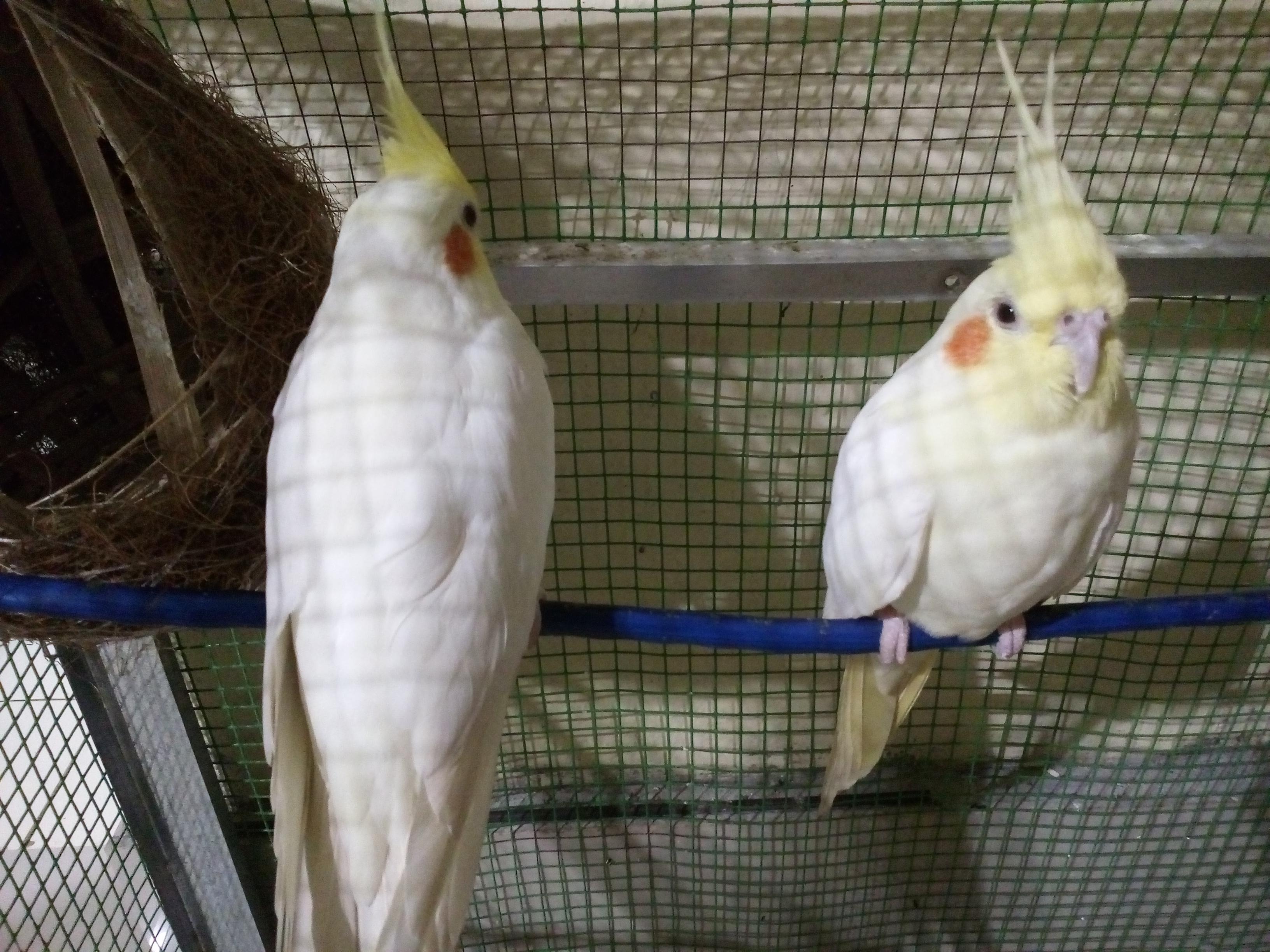
Hello I recently bought two adult cocktails one male (Prince) and female (Sara). The male is the active one. I want to hand tame them but whenever I take my hand or finger near the cage they fly to another direction, what should I do to tame them?


4 Answers
Most Helpful Answer

Published on October 2nd, 2017
Taming can take time, and doing it in several steps with a lot of patience can help. A good first step is to just offer/toss a favorite treat to both birds any time you approach their cage. Once they are used to you being around, you can then start placing your hand in the cage with the treat on it, letting them approach it and eat from your hand. Once they are comfortable with that, you can transition to petting them while offering a treat, and finally handling/asking them to step up while giving a treat. if at any time they become scared or try to get away, simply take a break and go back to the previous step once they've calmed down. It can take days to weeks depending on the bird, so patience is key!

2Pet Parents found this answer helpful
Related Answers from Veterinarians
-
Published on January 3rd, 2019
Your birds may not be used to you and so are afraid of your hand. Taking some time to get them used to you and tamer may help. You can start by just offering a treat every time you approach the cage or sit near the cage without any other interaction. Once they are used to you walking past, you can start to then offer the treat while talking to them, move on to giving it from your hand, and then go from there. If at any time they become too scared or nervous, taking a break to let them calm down and then starting again from the step they were comfortable with can help.
4Pet Parents found this answer helpful
-
Published on December 7th, 2017
Hi and thank you for this question, It sound as if Cheeko is only partially tame. Perhaps the hand-feeding process was not done properly or Cheeko was not handled for a while. All you can do is work with Cheeko a lot, offer treats as reward and hope it helps. Some birds will never be completely tame if they were not properly hand fed. Also, most cockatiels do not learn to speak but again, you can try using treats as reward.
1Pet Parents found this answer helpful
-
Published on February 6th, 2018
That's a lot of questions! The best answer for it all is practice, and patience. Getting your bird used to handling, new pets, people, etc can take a lot of time. A good way to start is by offering a favorite treat any time you, or your dogs, are near the cage. This can help your bird associate you and your dogs with good things, rather than scary things. Once he's more comfortable, you can then move on to offering a treat from your hand placed inside the cage. Once he's good with that, moving on to petting and giving a treat, then gently handling and giving a treat is best. If he becomes too stressed at any point, returning to the previous step for a while and working together until he is comfortable again can help. Again, this takes time, and won't happen overnight. Keep working on offering treats, and hopefully the two of you can start to enjoy each others' company more. As for his tail- I can't really see anything wrong with it, but if he's still a very young bird, he may not have all of his adult feathers in yet, giving it a 'sparse" look. If he's an adult, or you see him plucking the feathers or see any signs of irritation or illness, having a vet take a look is always best.
2Pet Parents found this answer helpful


Hi ok so I have two cockatiels one is a male one is a female .I’m not sure how old they are but I’ve had them for 6 years and they hate me but ,the female bird loves my mom listens to my mom when my mom puts her finger in front of her she goes on her
Why are my birds scared when I put my hand in the cage

I just took on my moms cockatiel, he's at least 15 and never got bonded with or trained, how do I get him to trust me?
My pet cockatiel is biting his cage and tries to bite/hiss at anyone who comes near his cage. He lives in the cage with another male cockatiel who is much more calm and abit scared. It has been a couple of days since we got them. I need to clean the
I have bought a 5 months old male cockatiel 3 weeks ago. He is not tamed and im trying to tame it. If i put a tamed bird inside his cage(she is female), does it boost his taming action? Or it brings the speed down?

We have had this cocktail for about a year. He or she was left in our rental. She will notice come out of her cage at all we leave the door open 24 7. We try to hold her and she will peck at us. Is this normal for them
I have bought 'a male 5 months old cockatiel' 1 month ago. He is still not tamed:( I tried some ways to tame him but not completely successful...he eats from hand some times but not a well done tamed! Could you please give me ways to tame him except
Hello. I have two lovebirds that i think are female (since they sometimes fight a lot and suddenly stop). They are Peach & Coco. i got them about 2-3 weeks ago. I am wondering about why they are still not trusting me or coming near me (everytime i co
My cockatiel is turning 7 this November. I've had him all 7 years. But since year 3 or 4 he stopped wanting to come out of his cage. He hates everything. He hates all his toys, he hates anyone who tries to go near him, and He hates all the little pla
Hello I have a new cockatiel This cockatiel cant trust my hand and doesnt eat from it after 10 days of feeding him by making the food box in my hand inside the cage Why ? And how can i get him trust ??

Book an appointment with the pros – our expert vets are here to help.
