My rescued dog is losing hair in clumps on his head and face. Why?
Updated On September 23rd, 2025
Pet's info: Dog | Jack Russell Terrier | Male | neutered | 10 lbs
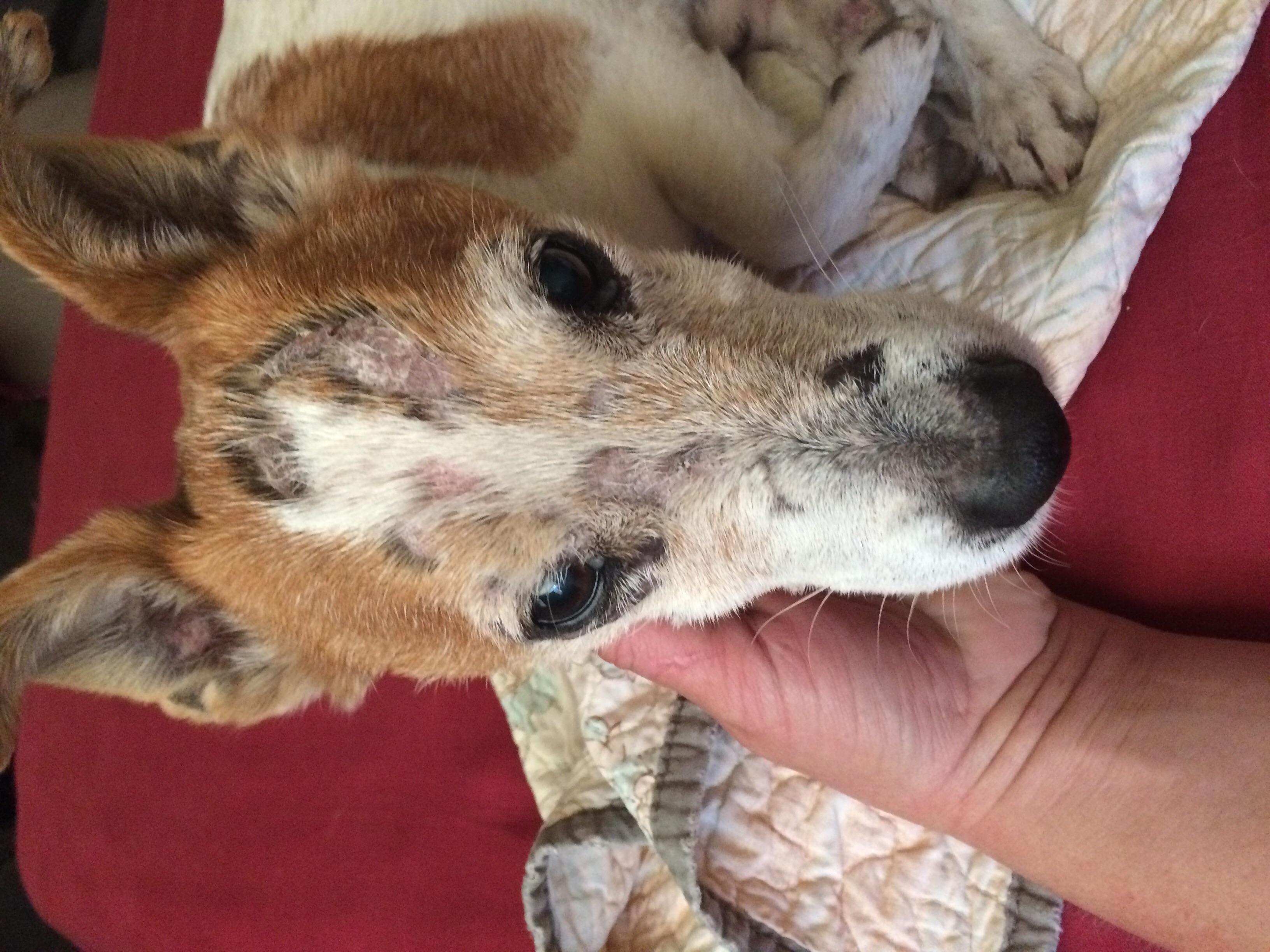
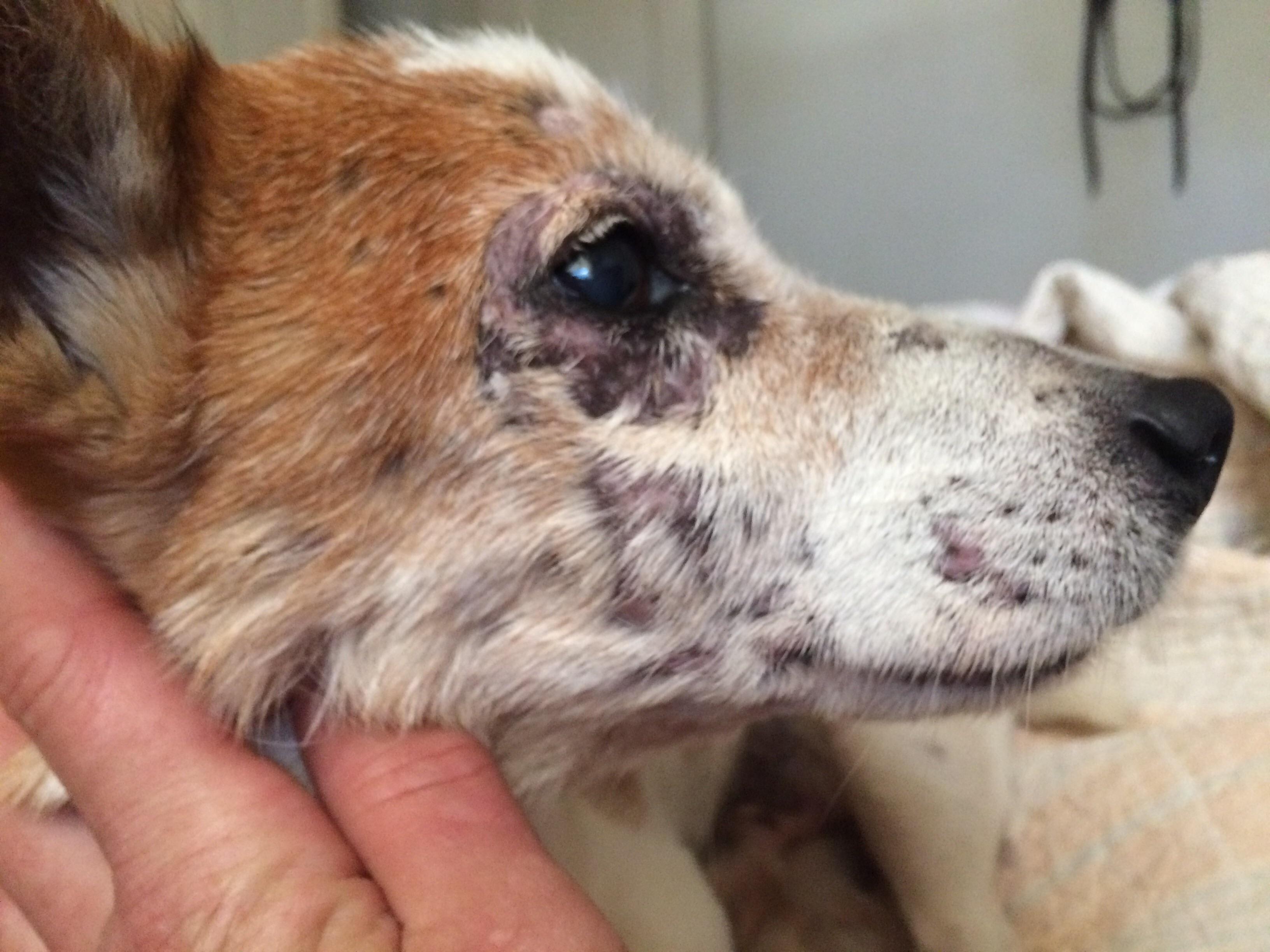
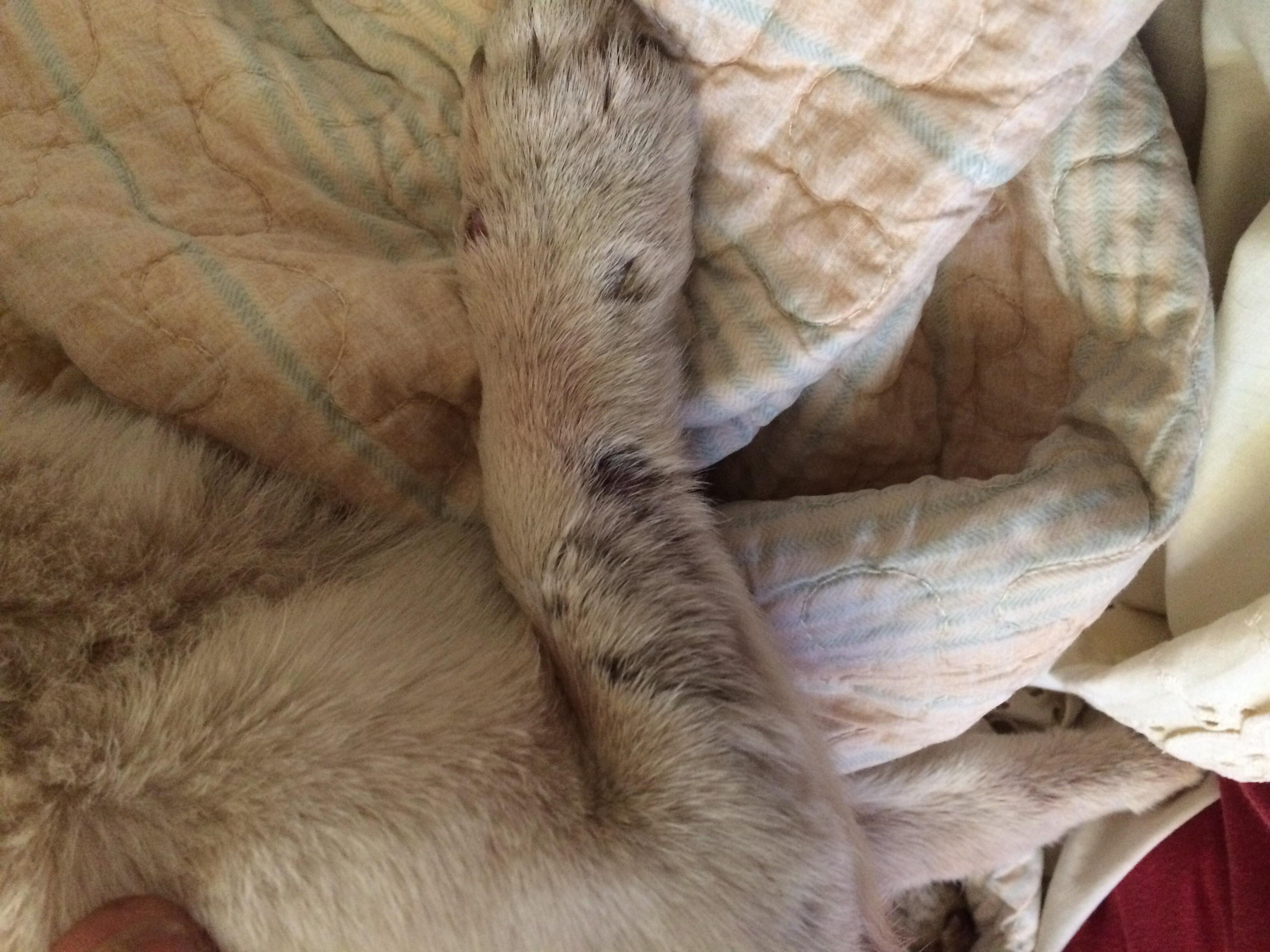
I rescued my dog from a shelter and he was pretty emaciated.. I’ve had him for 31 days and he’s losing hair on the top of his head, around his mouth, and right eye and the top of his nose as well as a few very small missing patches on his front legs. The right side of his face seems to be missing more hair than the left. The hair fell out I’m clumps, like the follicle detached from his skin and just sloughed off. There are no break in the skin or open sores associated with this occurrence.


2 Answers
Most Helpful Answer

Published on October 1st, 2017
Hi, thanks for using Petco Pet Education Center, formerly Petcoach! Poor Bubba! How old is Bubba? A lot of skin conditions can look the same. But from your photos I think either a skin infection from yeast or bacteria, ring worm or demodex (non-contagious mite). If he is older I recommend having blood work done, some systemic illnesses can manifest in the skin. If he has a skin infection then medicated shampoo and antibiotics or antifungals are needed. If demedex is suspected, especially if he is young, than your Vet will perform a skin scrape to look for the mite under the microscope. Thankfully demodex is very easy to treat these days with the new oral flea and tick medications (Nexgard and Bravecto). Ring worm is diagnosed with a cultured and is treated with either lyme sulfur dips or oral antifungals. I think it is best to make an appointment with your Vet when they open on Monday and start medications based on your Vet's diagnosis. I hope this helps and I wish you and Bubba the best!

1Pet Parents found this answer helpful
Related Answers from Veterinarians
-
Published on April 21st, 2019
Thank you for submitting your question regarding George. I recommend that he sees a veterinarian to have his skin assessed. He could have an overgrowth of mites known as Demodex as this is common in younger dogs. Being a rescue dog, ringworm should also be ruled out. Allergies are also possible this time of year. His veterinarian will likely perform some skin tests. From there medications can be prescribed. I hope this information helps!
1Pet Parents found this answer helpful


Top of my dogs head Feels like scabs and when I pulled at the hair it came off. Dog isn’t bothered by it at all. Just rescued him 2 weeks ago

Hi there my lab/shepherd mix boy who is 9 years old who lives with my mother had started to lose his hair and has bumps growing everywhere see in the pictures.

My Pom has purple itchy lesions under her belly that spread . Itchy Bumps and scabs with hair loss . Ears and paws affectedmoyth and eyes . It was a chronic infection . Took 3 months to heal with strong Antibiotics .but now it’s manifesred again wi

My dog is 3 years old and had firm, itchy, lumps under his skin where he keeps biting and has cause hair loss and some to bleed. What are They? There are only 4 on his lower back all together.

Hello I got a rescue dog yesterday.she is less than a year old and has been in a crate for most of her time. She has hair loss on her hind legs and a brown scabby rash on her tummy. She itches a little but not much. Do you think this is due to dry s

My dog is losing his brown hair only and has developed a skin rash. The rash includes little white pimples. He is sixteen years old. I have no idea why.
My dog skin is rolling and all hair's are removing slowly slowly. More smalling and all time eaching.what to dow and what is the medicene name?

Hey My sister's dog's hair is shedding from face and she is very troubled we have gone everywhere but her hair keeps getting thin from the face only no where else can you please tell me what can be the possibile cause and how we can go for the treat
My German short-haired pointer has some bumps on the top of his head, they seem to be white because the hair has fallen off. And he is only 4 months so it worries me.
My English Mastiff has some flacky scaps on head, losing hair around scapy area. Should I be concerned?
Book an appointment with the pros – our expert vets are here to help.
