


My dog was attacked. What to do for his leg and puncture wounds?
Updated On September 23rd, 2025
Pet's info: Dog | American Pit Bull Terrier | Male | neutered | 1 year and 6 months old | 70 lbs
My dog was attacked by another dog and will not completely extend or retract his leg and has to open puncture wounds


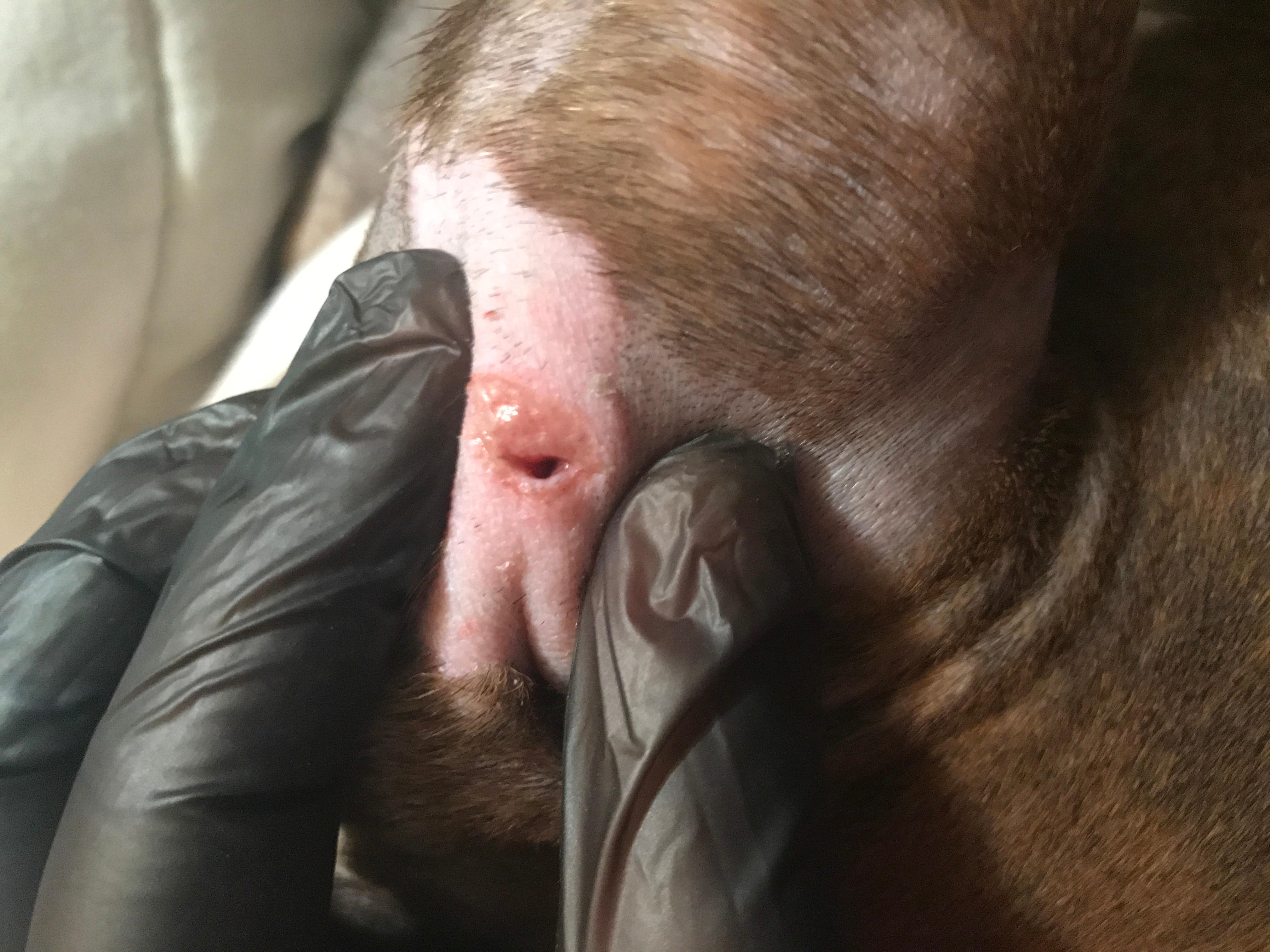
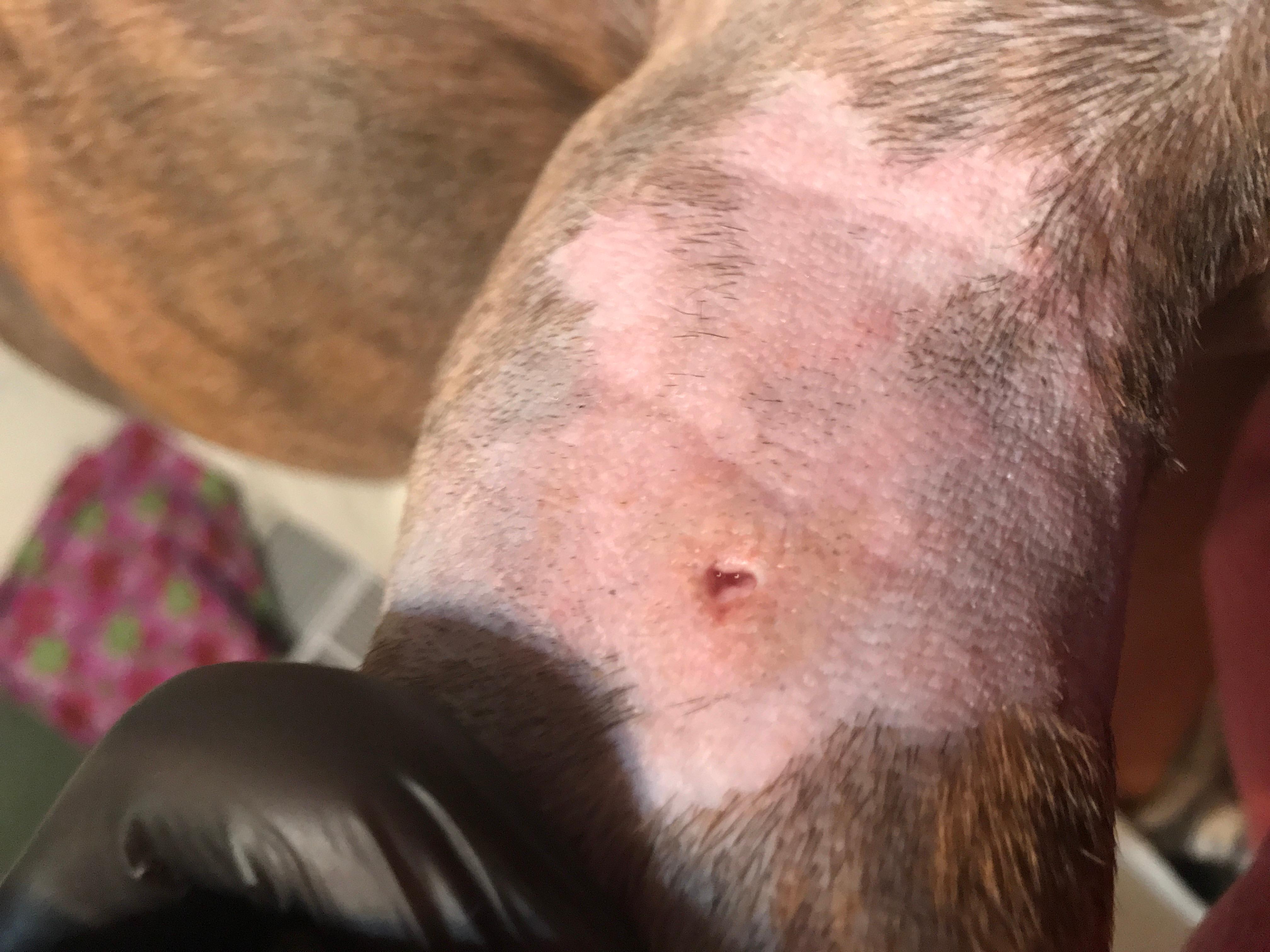
4 Answers
Most Helpful Answer

Published on September 30th, 2017
These wounds must be considered infected. A check up, appropriate disinfection and antibiotics (oral or in a topical formulation) are needed to solve the problem. Disinfection can eventually be started at home with very diluted hibiscrub or betadine or salted water baths. Buster collar may be useful as well to avoid any licking/scratching. Please do not hesitate to contact us again on the forum or by requesting a consultation if you have any more questions or to discuss it any further.

2Pet Parents found this answer helpful
Related Answers from Veterinarians
-
Published on October 24th, 2018
Hello. You may indeed be doing the right thing. However, if any of the wounds become infected you will need to see your veterinarian for oral antibiotics. But if the wounds are relatively superficial, keeping things clean should suffice. Thanks for using Petco Pet Education Center, formerly Petcoach.
1Pet Parents found this answer helpful
-
Published on January 25th, 2018
Keeping it clean and keeping it covered are your best options for making these heal faster. These types of lesions tend to develop infections in the skin after a while, so it's possible that this is complicating the healing process. I think it will be fine to try and treat this at home for now, but would recommend a visit to the vet if it doesn't get better in 2 weeks. Here are my recommendations: 1) Clip the hair around the area and expose all of the sore skin. 2) Wash/spray the area with just cool, clean water (no soap or other antiseptics) for at least 5 minutes at a time. Do this at-least once a day. 3) Bandage the wound with gauze and apply an over-the-counter antibacterial cream (i.e Neosporin) to the wound. Keeping it covered and keeping Jackie from licking it will be the most difficult part of the treatment. You can help keep the bandage on by placing a good (really sticky) tape above and below the bandage. You can find sprays in the pet store, like bitter apple, that are meant to deter licking. This can be sprayed on the bandage (not the wound) to help keep Jackie from chewing it off. NOTE: Be careful not to bandage too tight or it can cut-off the circulation. If you notice that the toes/foot starts to swell, then remove the bandage and leave it off until the swelling goes down. Another strategy to keep the bandage on, is taping a clean sock over the bandage. You may also consider getting an elizabethan collar (aka "the cone of shame") for him to give the wound some relief for a couple of days. These types of lesions tend to take a long time to heal, so don't be surprised if its not completely healed until a month later. Once the skin looks normal and Jackie stops trying to lick, you can stop the cleaning/bandaging. I hope that helps and Jackie gets better soon.
1Pet Parents found this answer helpful
-
Published on November 24th, 2017
This presentation could be due to a trauma or localized spot of skin infection (likely to be caused by bacteria). A check up, appropriate disinfection and possibly antibiotics (oral, topical or in a shampoo formulation) are needed to solve the problem. Disinfection can eventually be started at home with very diluted hibiscrub or betadine or salted water baths. Buster collar may be useful as well to avoid any licking/scratching. Please do not hesitate to contact us again on the forum or by requesting a consultation if you have any more questions or to discuss it any further.
1Pet Parents found this answer helpful



My dog has got a wound .A deep cut in the leg what should I do?
My dog Daisy she has got a big bug on her neck area but while removing that blood comes out and a small wound is opened what can I do to prevent wound

Some sort of wound under chin and legs. Not very painful..plz help
My pet was injured by another dog while playing.
Hi so my dog has this bump looking cut on her right leg that won’t seem to heal because she keeps licking it, and it smells weird. A couple of months back after I gave her a hair cut I had noticed a little bump that looked like a mosquito bite but kn

My puppy bite our dog...is she will die?and what we can do?
He is biting parts of his leg

My dog just recently developed this red scabbed patch on his leg. It's right above his carpal pad about a quarter in size. It hasn't changed much at all since we first noticed it a few days ago. Any ideas on what it could be and if he needs to be tak
Small wound in my dog leg getting worst day by day
My puppy has something on his leg, I don't know how he got it if it is an injury, it does swell at times, and it does not seem to bother him much. He is 5 months old. What is your opinion

Book an appointment with the pros – our expert vets are here to help.
