


Why is my anxious cat losing hair and getting scabs from grooming?
Updated On September 23rd, 2025
Pet's info: Cat | Domestic Shorthair | Male | neutered | 1 year and 10 months old | 7.6 lbs
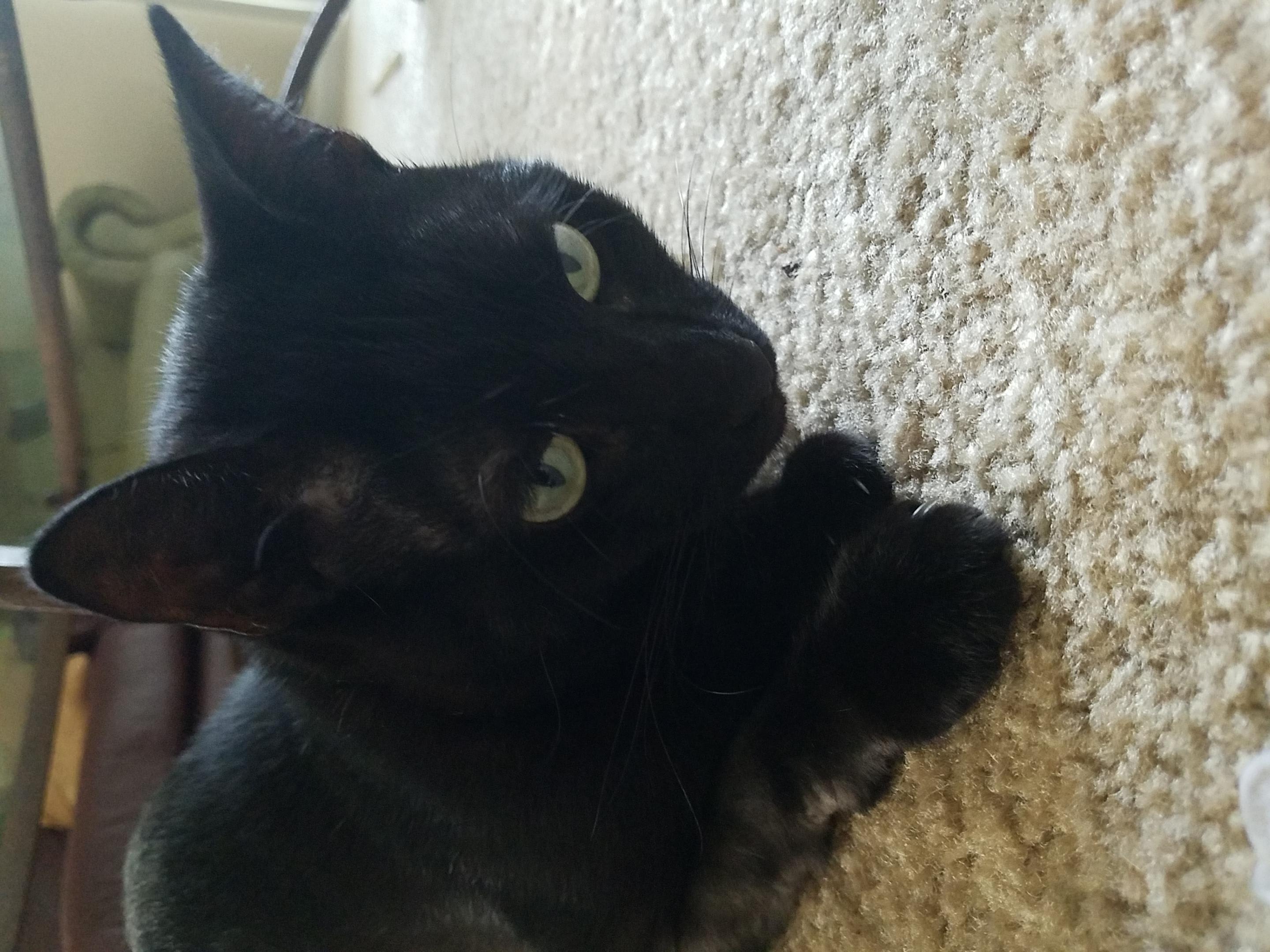
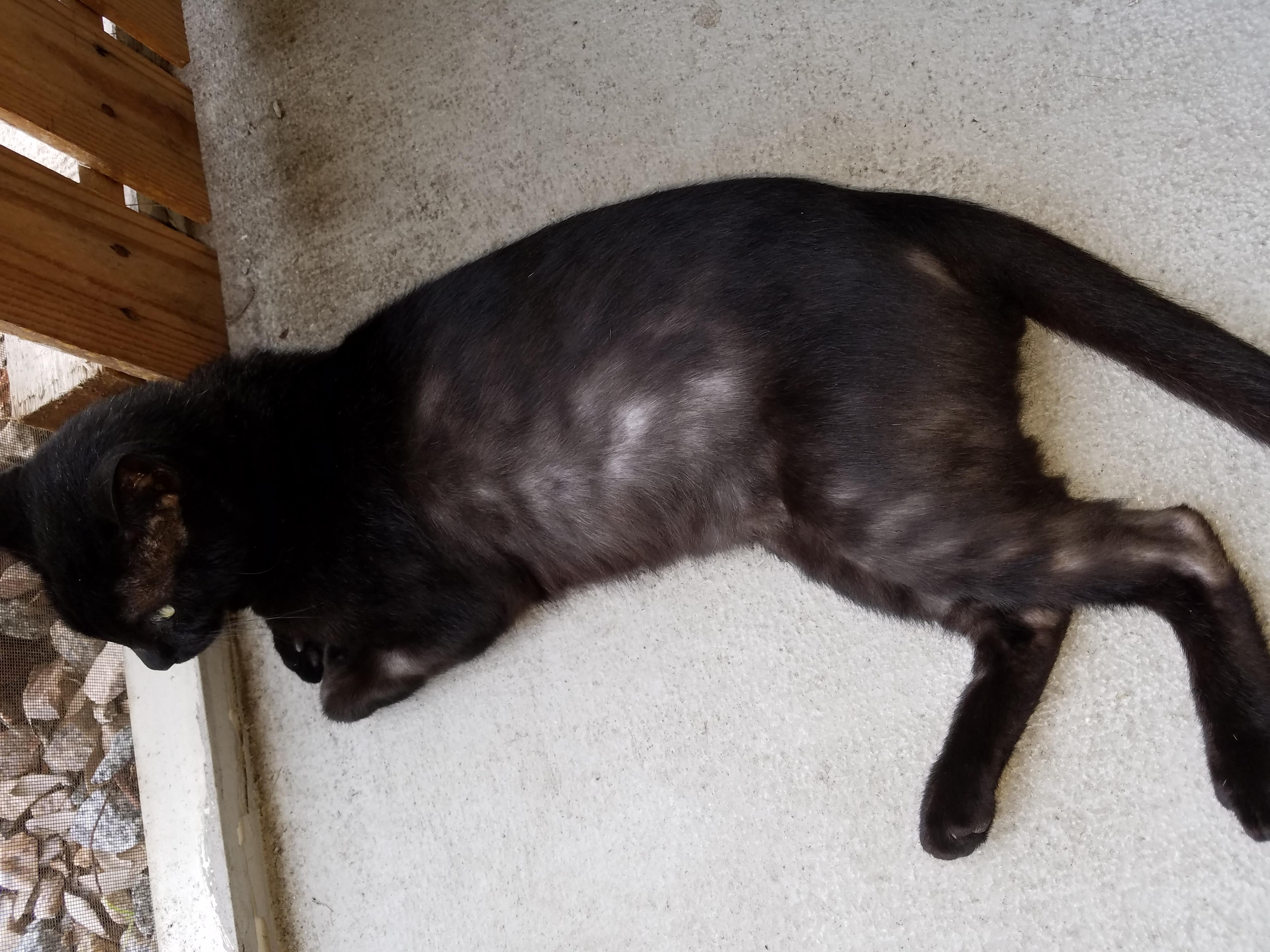
I have a male neutered domestic short hair that is losing hair. He does have anxiety. I'm wondering if his nervousness is causing him to excessively groom and rib out his fur. It's along his stomach, sides and legs. Basically any part that his mouth can't readily reach is untouched. What puzzles me is in some areas he has perfectly round little scabs. All exactly the same. Just red little scabs. Is that from the hair ripping or another symptom?


3 Answers
Most Helpful Answer

Published on September 21st, 2017
I would recommend that you have Ozzy examined by a vet. It is hard to tell you which came first, the overgrooming or the scabs, as it could easily be either one. From the distribution, I would highly suspect overgrooming, which can be caused by anxiety. But there are a few other things that can cause it as well (see the attached link below for more information on causes). A vet can help you figure out what could be the cause and make a treatment plan to help Ozzy not pull out his fur. http://www.veterinarypartner.com/Content.plx?P=A&S=0&C=0&A=2565

1Pet Parents found this answer helpful
Related Answers from Veterinarians
-
Published on October 12th, 2017
Stress and anxiety can cause cats to over-groom and have hair loss. You could try a Feliway diffuser and Solliquin chews and see if that helps. He could also have a skin infection or allergies, especially if he has any lesions on his skin. You could have him examined by a vet to determine the cause and treat. He may need an antibiotic, anti-histamine, and/or a corticosteroid to help treat.
1Pet Parents found this answer helpful
-
Published on January 3rd, 2018
It can take several months for the fur to grow back. It is true that some cats can be very anxious and pull out their hair as a result. However, this does not mean there couldn't be another component that could be causing skin irritation or itch, like allergies, fleas, mites, etc. I would recommend that you have Jamie examined by a vet to see if there is a medical cause for the hair plucking. See the link below for possible causes and to get a few ideas to discuss with your vet. If no medical cause is found, he could be started on supplements or prescription medications for anxiety. Common OTC supplements in cats include Xylkene or Feliway Pheromone Diffusers. http://www.veterinarypartner.com/Content.plx?P=A&S=0&C=0&A=2565
1Pet Parents found this answer helpful


Hey I'm worried about my cat. She's about 7 or 8 years old. I've noticed red bloody scabs inbetween her right ear and her right eye. Also, she has what looks like scabs in her nose. She is definitely over grooming herself as well. Lately she's been u
My cat Lilly has been grooming her self so much to the point that she is losing her hair. And she has a couple scans under her chin as if she has been scratching there a lot. Could you help me figure out what’s wrong with her?
Hello I think my cat snoopy has anxiety but I am unsure he has a lot of bald spots due to biting scratching and licking himself way more than he should he also has many sores from it please help!
My cat has started over grooming again and is starting to get a ball spot on the back of his tail also he has started to pee on his scratching pad he still eat well and use his litter box’s well I feel something wrong do I need to take him to th vet

Josie's been over-grooming in certain area's causing extreme hair thinning to the point I see pink underneath.No flea activity. Any ideas??

My cat over grooms, has for a long time and had bald belly for some time, but now the bald area is expanding to her back legs and I'm seeing thin spots on her forelegs too. She eats a limited ingredient diet and i was using feline pine pellet litter
I took in a cat 5 months ago from the outdoors...Had her examined at vet and found out she has a heart murmur and has been on medication since...She has been fixed and hasnt had any problems until recently.. She has been grooming herself much more th
My cat is over grooming and making sores/ raw skin spots on the his neck and head. He's decreased his food and water intake as well. I refilled his water this morning and his food last night, but he's barely touched it. He's also had watery eyes and
My bengal cat has little round sores on his belly which he keeps licking. How can I get rid? He also has little scabs around the Base of his tail. He is prone to over grooming at times
Hi, we have a cat, around 2-3 years old. I am not sure about the race, but he is ginger :). He mostly lives in the house, as we live in an apartment in a city. But from time to time we take him out. A few weeks ago, he became very sensitive when touc

Book an appointment with the pros – our expert vets are here to help.
