


My 13-year-old dog has sore, growing lumps. Are they cancer?
Updated On September 23rd, 2025
Pet's info: Dog | Mixed Breed | Male | neutered | 13 years and 6 months old | 200 lbs
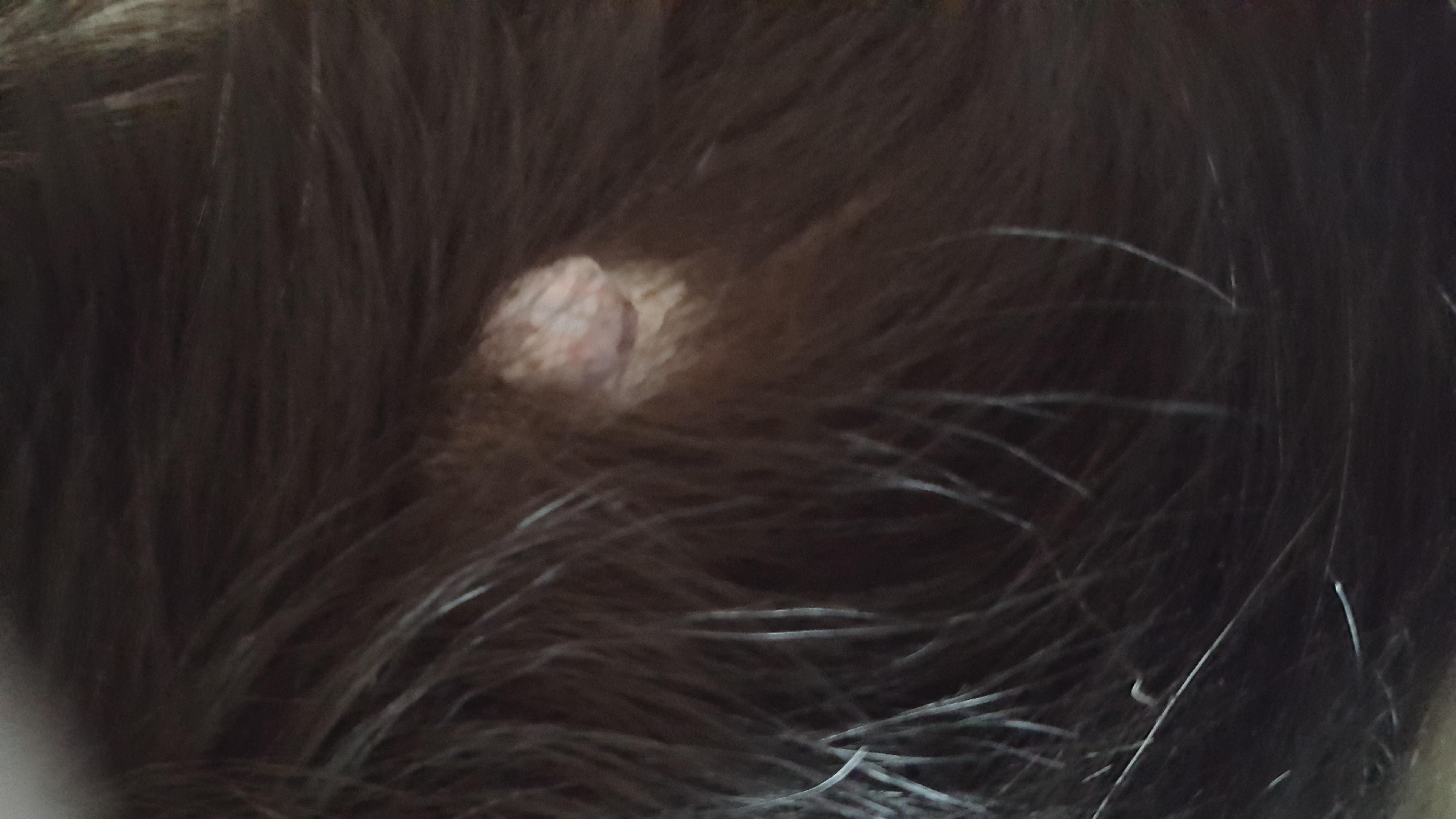
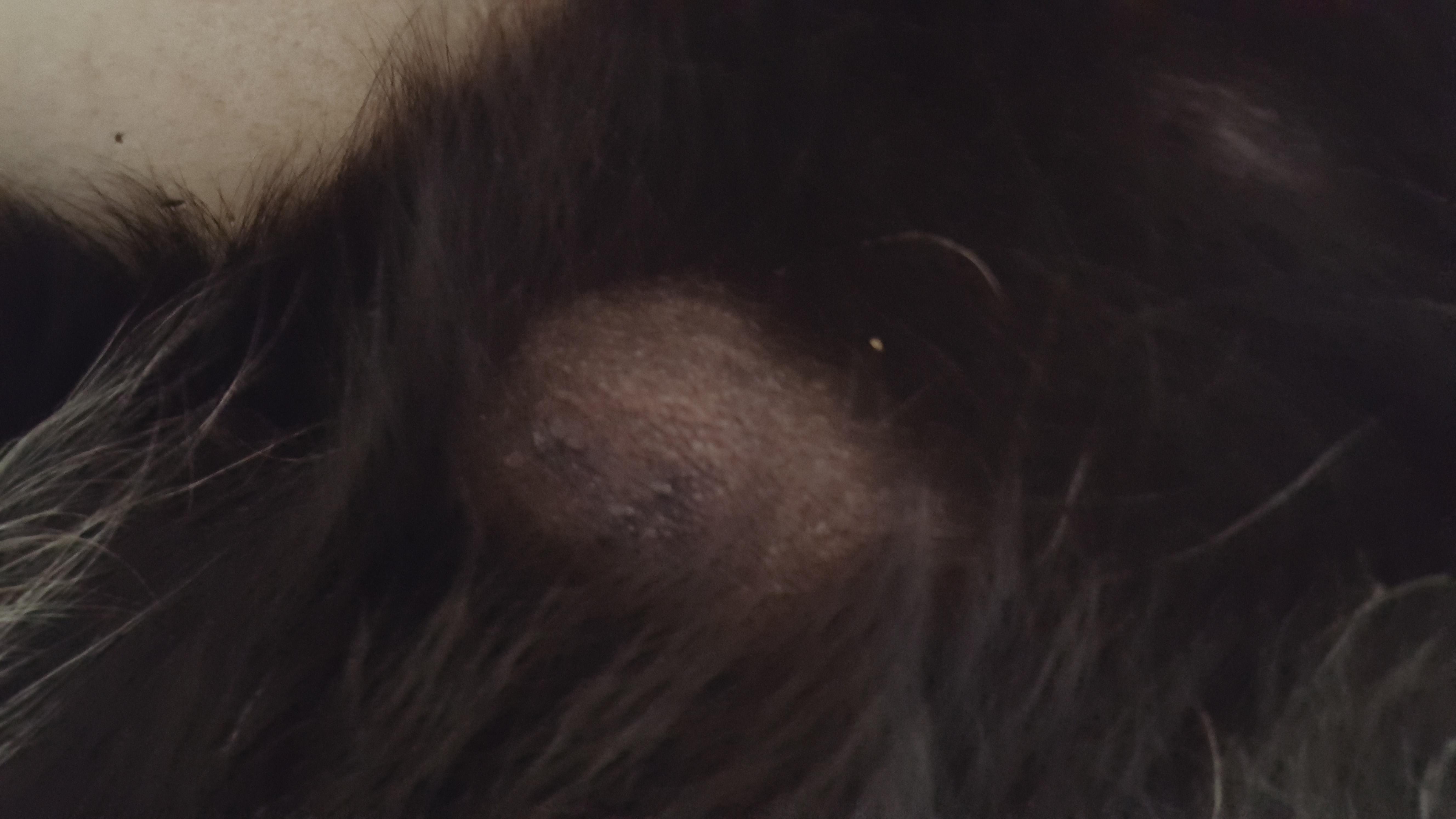
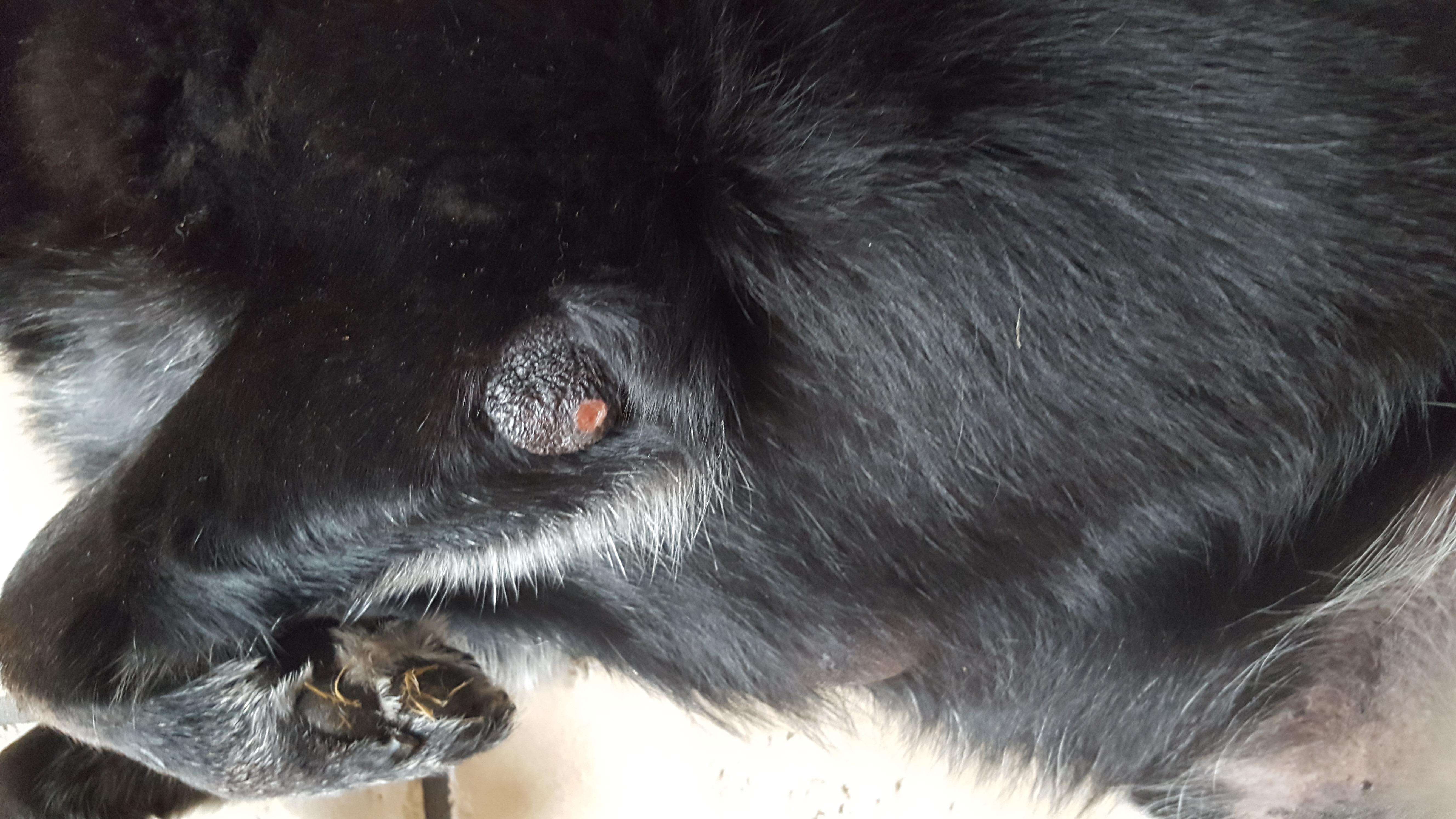
My dog is a 13yrs old and has lumps on his front legs like the elbow area and are getting sore looking but also has 2 big lumps on his chest area 1 of which looks to be getting bigger do you think they might be cancer


4 Answers
Most Helpful Answer
Published on September 4th, 2017
With any new lump or lump that is changing, it is always best to have your veterinarian look at them and a fine needle aspirated can be done to obtain a sample of cells. If these cells look suspicious of a malignancy, then your vet can recommend surgery. From the photos that you have posted, my guess is that these may be benign, non-cancerous masses. These can still cause problems, though, by bleeding and getting infected. I would schedule Max for an exam at your earliest convenience so that you and your vet can weigh the pros and cons of surgery since he is a senior.

1Pet Parents found this answer helpful
Related Answers from Veterinarians
-
Published on March 17th, 2020
That's a great question! Unfortunately, as pets age, lumps and bumps seem to occur more and more frequently. Bessie should be seen by your vet to have the lumps assessed and to form a treatment plan. Without further testing, there is no way to tell if these bumps are due to infection, trauma or allergy, or if they are masses. Masses can be of a malignant (cancerous) type that can spread elsewhere and/ or invade the healthy tissue around them, or a more benign (noncancerous) type that is unlikely to spread. Cancerous types of masses are less common than benign ones, but I recommend making an appointment for Bessie to see your vet to have the growths tested and to guide treatment. Your vet may want to do a fine needle aspirate, which is where cells are removed from the growth using a needle and sent to a lab to be examined under a microscope to determine what the lump is and to guide treatment. If the lumps are getting bigger, seem painful, or have any discharge or blood, please get Bessie to a vet right away. If she is licking at them, please put an e-collar (cone) on her to help reduce the risk of her injuring herself or causing infection.
1Pet Parents found this answer helpful
-
Published on April 15th, 2019
This could be hives, but it could be something else such as a cyst, lipoma, benign tumor, or malignant tumor. I'm most concerned about the large one that has grown rapidly. Any suspicious lumps should be examined by the vet. The vet can perform a test called a fine needle aspirate on it. To do this, the vet sticks a small needle into the lump to get a sample of its cells, and examines the cells on a slide under a microscope. It's usually painless to the animal, and relatively quick to perform. Once the cause of the lump is diagnosed, the vet can discuss treatment options if needed. Please take Kahne into a vet in the morning. Best of luck.
1Pet Parents found this answer helpful
-
Published on April 20th, 2018
Wow, that is quite large on Tiny! In a dog his age, I would be very concerned that is a malignant tumor. Unfortunately those can be common in senior dogs. This is something that needs to be seen by a vet as soon as possible, as if it's a malignant tumor, there is a good chance it can spread. It likely will also need to be removed surgically. Please take him into a vet first thing in the morning. Best of luck, I hope this helps!
1Pet Parents found this answer helpful



Hello my dog went to the vet on Monday for a check up. He got examined for lumps and bumps the vet found one on his Rib he is getting it removed after Christmas but i was stroking max earlier and I think I found another one a bit lower down. He's he

My dog has a lump on her leg roughly the size of a marble. She is a 9 year old cocker spaniel and is very healthy otherwise.

We got our dog, Bella, a few months ago. When we adopted her we were aware of this little skin thing on the back of her leg, but she chewed on it a little while back and ever since then it seems to be growing and getting angrier looking. She hasn’t c

Hello my dog developed what I thought was a skin tag about 8 months ago on his elbow. It has got much larger and is inflamed because he continues to lick it. I'm so worried. Does this look malignant?
My 9 year old dog has a firm white pimple like bump near his groin. Is it cancerous or benign?
My miniature schnauzer/ brusselngriffin mix is 11 yrs old. Recently she had a small marble sized lump on her abdomen. After she was groomed i have now counted roughly 17 hard nodules all over her body. 2 very large ones on her trunk. Her temp axilla
Does my dog possibly have cancer? We found this on her leg and it has grown tremendously she is a Yorkie and we don’t believe this is common.

My English Setter (10yrs) has what seems to be either a growth, or a swollen leg that has started about 4 months ago and very slowly progressed, he has a few small fatty tumors on his body as well, in case this could be relevant. The texture can var
My dog is 12. At beginning of March he started with a small lump, photo on right. In last fortnight it has got bigger, photo on left. He is displaying no other symptoms, he does limp, he’s not constantly licking at at it etc.
12 YR old American Stafford Terrier Pitbull 50-60lbs. Had a cancerous tumor removed from right thigh about 2 years ago, fine since. Very energetic and playful. Past maybe 6 months noticed a lump size of a quarter maybe under the right eye, soft to to

Book an appointment with the pros – our expert vets are here to help.
